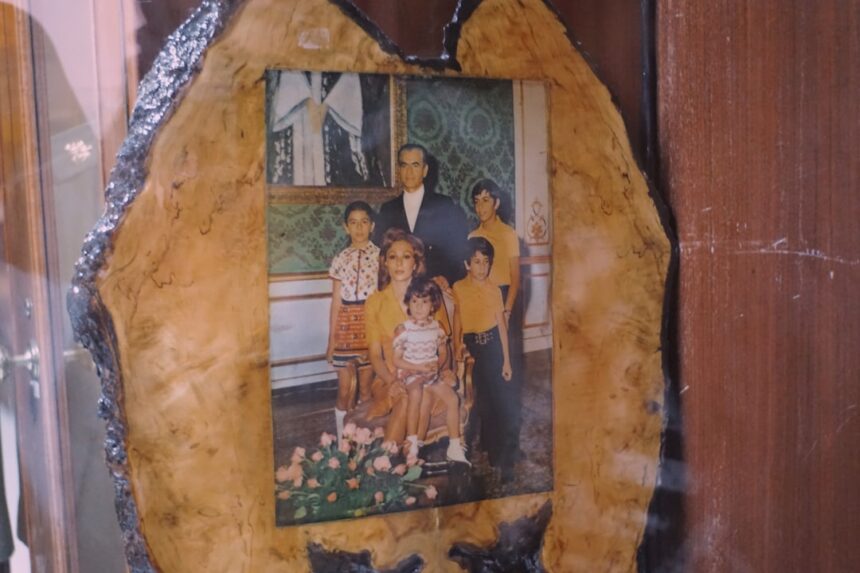
The early 20th century marked a pivotal period in Iranian history, characterized by the decline of the Qajar dynasty and the subsequent emergence of a new ruling house that would fundamentally reshape the nation’s political landscape. The Pahlavi dynasty, spearheaded by Reza Khan and later his son Mohammad Reza Shah, rose to prominence amid the turbulent aftermath of World War I, a time of immense internal strife and external interference. Their ascendance was not a sudden, dramatic coup but rather a gradual process fueled by a desire for order, modernization, and a strong, centralized state amidst the perceived weaknesses and fragmentation of the preceding era. The foundation of the Pahlavi state was, in essence, a response to a perceived vacuum of power and a yearning for national resurgence on both domestic and international stages.
The Seeds of Change: Qajar Weakness and the Rise of a Nationalist Figure
The Qajar dynasty, which had ruled Persia for over a century, found itself increasingly unable to cope with the burgeoning challenges of the modern world. A combination of internal corruption, administrative inefficiency, and the detrimental impact of foreign concessions had eroded its legitimacy and authority. The country’s economic resources were frequently exploited by foreign powers, particularly Russia and Great Britain, which exerted significant influence over Iranian affairs, often through unequal treaties and economic dominance. This external meddling, coupled with internal dissent and a growing awareness of neighboring nations’ modernization, fostered a sense of national humiliation and a deep-seated desire for self-determination among a segment of the Iranian elite.
The Cossack Brigade and the Emergence of Reza Khan
Within this climate of discontent, a formidable military figure began to emerge: Reza Khan. Born in the late 19th century, Reza Khan’s early career was forged in the ranks of the Persian Cossack Brigade, a military unit established and influenced by Tsarist Russia. This was a crucial training ground, exposing him to modern military organization and discipline. Unlike many of his contemporaries, Reza Khan possessed a clear vision of a strong, unified Iran, free from the grip of foreign powers and internal disarray. His military prowess and growing reputation for decisiveness began to attract attention, positioning him as a potential agent of change in a politically fractured nation.
The 1921 Coup and the End of the Qajar Reign
The year 1921 proved to be a watershed moment. Capitalizing on the widespread dissatisfaction with the Qajar government and the subsequent collapse of the short-lived Soviet-backed Republic of Giilan, Reza Khan, then a brigadier general, launched a swift and decisive coup d’état. With the support of the Cossack Brigade and key political figures, he marched on Tehran and effectively assumed control of the government. While initially acting as Minister of War and later Prime Minister under Ahmad Shah Qajar, Reza Khan steadily consolidated his power. His administration focused on dismantling the remnants of feudal power structures and addressing the pervasive corruption that had plagued the Qajar era.
The rise of the Pahlavi dynasty marked a significant turning point in Iran’s history, as it established a centralized power that aimed to modernize the country and assert its sovereignty. For a deeper understanding of this transformative period, you can explore the article titled “The Impact of Central Power on Iran’s Development” which discusses the political and social changes during the Pahlavi era. You can read it here: The Impact of Central Power on Iran’s Development.
Building the Foundations of a Modern State: Reza Shah’s Reforms
The deposition of Ahmad Shah Qajar in 1925 and Reza Khan’s subsequent self-coronation as Reza Shah Pahlavi marked the official beginning of the Pahlavi dynasty. This was not merely a change of rulers; it signaled a concerted effort to fundamentally transform Iran. Reza Shah embarked on a comprehensive program of modernization and centralization, aimed at forging a strong nation-state capable of asserting its sovereignty and achieving progress. His reforms, while often authoritarian in their implementation, laid the groundwork for many of the institutions and policies that would define Iran for decades to come.
Military Modernization and National Security
A paramount concern for Reza Shah was the creation of a modern, loyal, and effective national army. Recognizing the army’s role as the backbone of state power, he invested heavily in its re-equipment and professionalization. He sought to reduce reliance on tribal levies and foreign advisors, building a unified military force directly answerable to the central government. This focus on military strength was not only intended for internal control but also to project Iranian power on the international stage and deter foreign encroachment.
Administrative and Judicial Reforms
Reza Shah understood that a strong military needed to be supported by a capable civil administration and a functioning legal system. He initiated sweeping reforms aimed at streamlining bureaucracy, eradicating corruption, and establishing a more centralized and rational system of governance. New ministries were created, provincial administrations were reorganized, and laws were codified to bring order and consistency to the nation. The judicial system underwent significant changes, moving away from traditional religious law towards a more secular and codified legal framework, though the influence of clerical institutions remained a complex and evolving factor.
Economic Development and Infrastructure
The Pahlavi state under Reza Shah recognized the importance of economic development as a key to national strength. He prioritized the construction of vital infrastructure projects, including roads, railways, and the establishment of a national bank. These initiatives aimed to facilitate trade, connect disparate regions of the country, and reduce the economic dependence on foreign powers. The development of industries and the exploitation of natural resources, particularly oil, became central to the economic strategy, though the benefits of this development were not always equitably distributed.
The Challenge of Centralization: Subduing Regional Powers
One of the most significant achievements of Reza Shah’s reign was the successful curtailment of the autonomy enjoyed by various regional and tribal powers. For centuries, these entities had wielded significant influence, often acting as semi-independent forces within the broader Persian polity. Reza Shah viewed these traditional power centers as obstacles to national unity and centralized control, and he systematically worked to dismantle their authority.
Taming the Tribes
The nomadic and semi-nomadic tribes, particularly those in regions like Kurdistan, Luristan, and Khurasan, had historically maintained a degree of independence, often engaging in raiding and challenging central authority. Reza Shah implemented a policy of forceful settlement and disarmament. Tribal leaders were either co-opted into the new administrative structure or suppressed. This policy, while contributing to a more unified and governable state, also led to resentment and conflict, with isolated instances of tribal resistance, which were met with swift and often brutal military suppression.
The Role of Clergy
The clerical establishment, with its deep roots in Iranian society and its control over religious endowments and institutions, also represented a significant power bloc. Reza Shah sought to curb the political and economic influence of the clergy, aiming to secularize the state and assert its supremacy. This involved reforms such as introducing secular education, limiting the authority of religious courts, and confiscating some religious endowments. These actions generated considerable opposition from parts of the clergy, creating a degree of tension between the state and the religious authorities that would persist and evolve throughout the Pahlavi era.
Foreign Policy and the Shadow of Great Powers
Despite Reza Shah’s ambition to assert Iranian sovereignty, the country remained strategically important and susceptible to the interests of larger powers, particularly during the interwar period. The vast oil reserves discovered and exploited in Iran made it a focal point for international competition. The Pahlavi regime navigated a complex geopolitical landscape, seeking to balance its national interests against the pressures exerted by Britain and the Soviet Union, and later, the United States.
Navigating the Anglo-Soviet Dominance
In the early years of the Pahlavi dynasty, Great Britain and the Soviet Union, through various concessions and spheres of influence, continued to exert considerable control over Iranian affairs. Reza Shah, however, adopted a more assertive foreign policy, attempting to reduce this overwhelming influence. He sought diversification of international relations, engaging with other powers like Germany and Fascist Italy to counterbalance the dominance of the two neighboring superpowers. This policy, while demonstrating a desire for greater autonomy, also proved to be a delicate balancing act.
The Impact of World War II
The outbreak of World War II dramatically altered Iran’s geopolitical position. In 1941, with Reza Shah perceived as being too close to Nazi Germany, Britain and the Soviet Union jointly invaded Iran, forcing his abdication. His son, Mohammad Reza Shah, ascended to the throne. The Allied occupation, while ostensibly aimed at securing supply routes, had a profound impact on Iran, exposing the nation to new ideas and exacerbating existing social and economic disparities. The post-war period saw the Pahlavi state increasingly aligning itself with the United States, a shift that would define its foreign policy for the remainder of its existence.
The rise of the Pahlavi dynasty marked a significant transformation in Iran’s political landscape, as it established a strong central power that sought to modernize the nation. This period was characterized by various reforms and efforts to consolidate authority, which ultimately shaped the course of Iranian history. For a deeper understanding of the implications of this centralization of power, you can read a related article that explores the broader context of these changes in Iran’s governance and society. To learn more, visit this insightful piece on the topic at In the War Room.
The Legacy of Centralization and Modernization
The Pahlavi dynasty, under Reza Shah and his successor, undoubtedly succeeded in forging a more centralized and modern state in Iran. They laid the foundations for a powerful military, a more coherent administrative system, and significant infrastructural development. The era witnessed a drive towards secularization and national identity building, including the promotion of the Persian language and culture.
Achievements and Criticisms
The Pahlavi era is often lauded for its modernization efforts, which brought about significant changes in the lives of many Iranians, including advancements in education, healthcare, and infrastructure. However, it is also subject to significant criticism. The authoritarian nature of the regime, the suppression of dissent, the concentration of wealth, and the environmental consequences of rapid industrialization are all aspects that have been heavily scrutinized. The top-down approach to modernization often alienated segments of the population, particularly the religious establishment and those who felt excluded from the benefits of development.
The Seeds of Future Conflict
While the Pahlavi dynasty succeeded in centralizing power, the methods employed and the uneven distribution of economic benefits inadvertently sowed the seeds of future discontent. The perceived autocracy, the growing influence of Western powers, and the suppression of religious and political opposition created a fertile ground for social and political upheaval. The desire for a more inclusive and just society, coupled with a resurgence of religious conservatism, would eventually contribute to the seismic shift that led to the Iranian Revolution of 1979, bringing an end to the Pahlavi era and ushering in a new chapter in Iran’s long and complex history. The rise of the Pahlavi dynasty was, therefore, a complex narrative of ambition, reform, and unintended consequences, leaving an indelible mark on the trajectory of modern Iran.
FAQs
What is the Pahlavi dynasty?
The Pahlavi dynasty was the ruling house of Iran from 1925 to 1979, established by Reza Shah Pahlavi and later succeeded by his son, Mohammad Reza Shah Pahlavi.
How did the Pahlavi dynasty rise to power?
The Pahlavi dynasty rose to power after Reza Shah Pahlavi, a military officer, overthrew the Qajar dynasty in a coup d’état in 1921 and established himself as the new ruler of Iran.
What were the key features of central power during the Pahlavi dynasty?
During the Pahlavi dynasty, central power was characterized by a strong, centralized government with an emphasis on modernization, secularization, and the promotion of Iranian nationalism. The dynasty also implemented various social, economic, and political reforms.
What were the major challenges faced by the Pahlavi dynasty?
The Pahlavi dynasty faced challenges such as opposition from religious leaders, political dissidents, and various ethnic groups within Iran. Additionally, the dynasty struggled with economic issues and growing discontent among the Iranian population.
How did the Pahlavi dynasty come to an end?
The Pahlavi dynasty came to an end in 1979 following the Iranian Revolution, which led to the establishment of an Islamic republic and the overthrow of Mohammad Reza Shah Pahlavi.