The Rare Earth Industry: A Comprehensive Explanation
The modern world, with its ubiquitous smartphones, powerful electric vehicles, and advanced wind turbines, relies heavily on a group of often overlooked elements: the rare earth elements (REEs). These seventeen chemically similar metallic elements, encompassing the fifteen lanthanides plus scandium and yttrium, are not necessarily rare in Earth’s crust in terms of abundance. However, their dispersed nature, the complexity of their extraction and separation, and the concentration of processing capabilities in a few geographical locations make the rare earth industry a critical and often geopolitically charged sector. Understanding this industry requires delving into its fundamental chemistry, its intricate supply chain, the challenges it faces, and its profound implications for global technological advancement and security.
The term “rare earth” is somewhat misleading. While some REEs are indeed rare in commercial concentrations, others are more abundant than precious metals like gold. The true challenge lies in their chemical similarity. The lanthanide series (atomic numbers 57 through 71) share nearly identical chemical properties due to their electron configurations, making their separation from one another an incredibly complex and energy-intensive process. Scandium and yttrium, while not lanthanides, are often found in similar ore deposits and share similar chemical behaviors, leading to their inclusion in the REE group.
The Lanthanide Series and Their Cousins
The seventeen elements categorized as rare earths are:
- Lanthanides: Lanthanum (La), Cerium (Ce), Praseodymium (Pr), Neodymium (Nd), Promethium (Pm), Samarium (Sm), Europium (Eu), Gadolinium (Gd), Terbium (Tb), Dysprosium (Dy), Holmium (Ho), Erbium (Er), Thulium (Tm), Ytterbium (Yb), and Lutetium (Lu).
- Non-Lanthanides: Scandium (Sc) and Yttrium (Y).
Promethium is highly radioactive and not found in significant quantities in nature, making it largely irrelevant to the commercial rare earth industry. The remaining sixteen elements are the focus of mining and processing.
Key Properties and Applications
The distinct magnetic, optical, and catalytic properties of REEs are what drive their demand across a multitude of high-tech applications.
Magnetic Properties
Neodymium, Praseodymium, Samarium, and Dysprosium are crucial for creating powerful permanent magnets. Neodymium-Iron-Boron (NdFeB) magnets are the strongest known, essential for:
- Electric Vehicle Motors: Enabling lighter, more efficient motors.
- Wind Turbine Generators: Increasing energy output and efficiency.
- Consumer Electronics: Found in hard drives, speakers, and headphones.
- Medical Devices: Such as MRI machines.
Catalytic and Lighting Properties
Cerium and Lanthanum are vital for:
- Catalytic Converters: Reducing emissions in vehicles by acting as catalysts for chemical reactions.
- Lighting: Cerium is used in phosphors for energy-efficient lighting, and other REEs contribute to the vibrant colors in LED displays and high-intensity discharge lamps.
Optical and Phosphor Applications
Europium, Terbium, and Yttrium are indispensable for:
- Phosphors: Producing the red and green light in display screens (CRT, plasma, LED) and fluorescent lamps.
- Lasers: Used in various laser technologies, including medical and industrial applications.
- Glass Manufacturing: Enhancing the clarity and color properties of specialized glass.
Other Critical Applications
Gadolinium is used in MRI contrast agents and nuclear reactor control rods. The REEs collectively contribute to alloys, ceramics, and other advanced materials.
The rare earth industry plays a crucial role in the global supply chain, particularly in the production of high-tech devices and renewable energy technologies. For a deeper understanding of the challenges and opportunities within this sector, you can explore a related article that delves into the geopolitical implications and market dynamics of rare earth elements. To read more, visit this insightful article.
The Global Supply Chain: From Mine to Magnet
The rare earth supply chain is a complex, multi-stage process, characterized by significant geographical concentration at various points. Understanding this chain is crucial to appreciating the industry’s vulnerabilities and strategic importance.
Exploration and Mining
The first step involves identifying and extracting rare earth deposits. While REE deposits are found globally, commercially viable concentrations are less common. Major producing countries include China, the United States, Australia, Myanmar, and Greenland.
Ore Bodies and Extraction Methods
REEs are typically found in mineral deposits such as bastnäsite, monazite, and xenotime. Extraction involves:
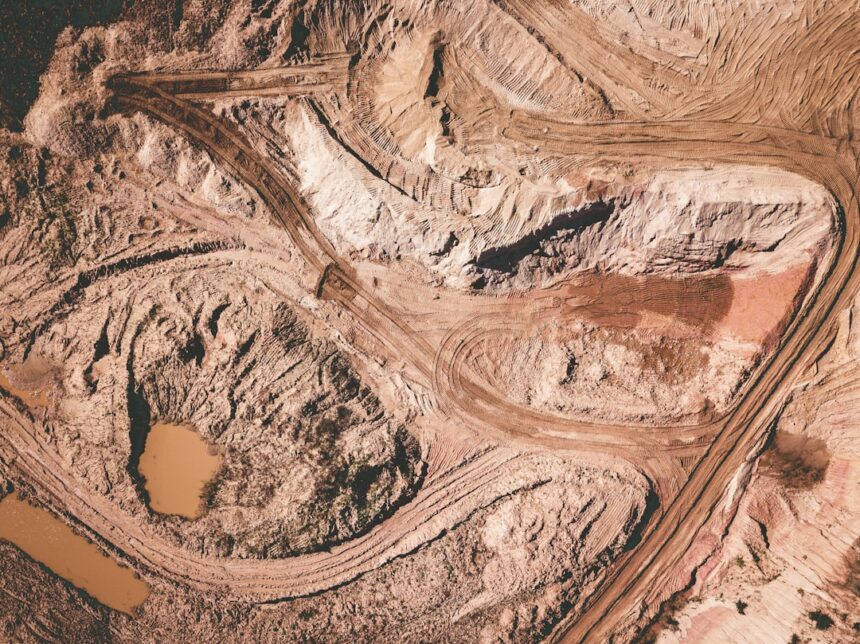
- Open-pit or underground mining: Depending on the depth and nature of the deposit.
- Crushing and grinding: To liberate the mineral grains.
- Froth flotation: A chemical process to concentrate the desired REE-bearing minerals.
The efficiency and environmental impact of mining are significant considerations, often involving the use of chemicals and the generation of tailings that require careful management.
Concentration and Beneficiation
Once mined, the ore undergoes preliminary processing to increase the concentration of REE minerals. This typically involves physical separation techniques like gravity separation and magnetic separation, alongside the aforementioned froth flotation. The resulting concentrate is then transported to a processing plant.
Extraction and Separation: The Chemical Gauntlet
This is the most challenging and environmentally sensitive stage of the rare earth lifecycle. REE concentrates are subjected to hydrometallurgical processing, primarily using solvent extraction.
Hydrometallurgical Processing
This involves dissolving the REE minerals in acidic solutions. The dissolved REEs are then treated with various chemical reagents.
Solvent Extraction
This is the cornerstone of REE separation. It relies on the principle that different REEs have slightly different affinities for organic solvents when dissolved in aqueous solutions. By carefully controlling the pH and the composition of the organic and aqueous phases, individual REEs can be selectively stripped out of the mixture. This process is repeated hundreds, even thousands, of times for each element to achieve the required purity. The complexity of this process is a major barrier to entry for new producers.
Other Separation Techniques
While solvent extraction is dominant, other methods like ion exchange chromatography are used for achieving extremely high purities, particularly for critical applications.
Environmental Concerns
The chemicalintensive nature of REE separation generates large volumes of acidic wastewater and solid waste, often containing low levels of radioactive elements (like thorium and uranium) that are naturally associated with REE ores. Proper waste management and environmental remediation are critical but expensive, contributing to the high cost of production and a legacy of environmental damage in some historical mining and processing sites.
Downstream Processing: From Oxides to Magnets
Once separated and purified, REE oxides are produced. These oxides are then further processed into high-purity metals, alloys, and compounds for specific applications.
Metallurgy and Alloy Production
REE oxides are metallized through processes like electrolysis or molten salt reduction and then alloyed with other metals (e.g., iron, cobalt, nickel) to create the specialized materials required for magnets, catalysts, and other products.
Manufacturing of Finished Goods
The final stage involves integrating these REE-containing components into finished products, from the powerful magnets in a Tesla to the phosphors in a smartphone screen.
Geographical Concentration: A Strategic Vulnerability
Historically, China has dominated the global rare earth supply chain, from mining and processing to separation and magnet production. This concentration has created a significant geopolitical vulnerability for countries reliant on REE imports for their high-tech industries. While there have been efforts to diversify production, China’s established infrastructure, expertise, and lower production costs continue to make it the leading player.
Market Dynamics and Economic Factors

The rare earth market is characterized by price volatility, driven by a confluence of factors including supply disruptions, geopolitical tensions, and fluctuating demand from key industries.
Pricing and Volatility
Rare earth prices can fluctuate dramatically. Factors influencing pricing include:
- Supply and Demand: Basic market forces.
- Production Costs: Including labor, energy, and environmental compliance.
- Geopolitical Events: Export restrictions or trade disputes can cause rapid price spikes. For example, Chinese export quotas in 2010-2011 led to unprecedented price surges, highlighting the market’s sensitivity to supply control.
- Inventory Levels: Stockpiling by major consumers can influence immediate market prices.
- Speculation: As with any commodity, market speculation can play a role.
Cost Drivers
The significant cost of rare earth production stems from several factors:
- Complex Separation: The multi-stage, chemical-intensive separation process requires specialized equipment, significant energy, and extensive chemical inputs.
- Environmental Regulations: Increasingly stringent environmental regulations around the world add significant costs for waste treatment and remediation.
- Labor Costs: In Western economies, higher labor costs contribute to overall production expenses.
- Energy Consumption: Many separation processes are energy-intensive.
- Scale of Operations: Achieving economies of scale can be challenging due to the dispersed nature of deposits and the capital required for processing facilities.
Market Players and Competition
The rare earth market features a mix of large state-owned enterprises, particularly in China, and smaller private companies. Competition is often influenced by government support, access to capital, and the ability to navigate complex regulatory environments.
Chinese Dominance
China’s state-backed strategy has enabled it to build a dominant and integrated rare earth industry. This has involved consolidation of smaller mines, investment in advanced processing technologies, and stringent environmental controls on domestic production, while often maintaining a competitive edge in global export markets.
Emerging Producers
Countries like Australia (Lynas Rare Earths), the United States (MP Materials), and Canada have been investing in developing their own rare earth mining and processing capabilities. However, establishing a fully integrated, cost-competitive supply chain outside of China remains a significant challenge.
Demand Drivers
The demand for rare earths is intrinsically linked to the growth of high-tech industries:
- Green Technologies: Electric vehicles and wind turbines represent major growth areas.
- Consumer Electronics: The ever-increasing demand for smartphones, laptops, and other portable devices.
- Defense Industry: REEs are critical for many modern defense systems, including guidance systems and radar.
- Advanced Manufacturing: Use in industrial catalysts and specialized alloys.
Challenges and Opportunities in the Rare Earth Industry

The rare earth industry faces a host of critical challenges, but these also present significant opportunities for innovation, diversification, and strategic development.
Environmental Sustainability
The environmental impact of rare earth mining and processing is a major concern. Addressing this requires:
- Cleaner Extraction Technologies: Developing more efficient and less chemically intensive methods.
- Waste Management and Remediation: Implementing advanced techniques for treating wastewater, managing tailings, and remediating historical contamination sites.
- Recycling Initiatives: Establishing robust and economically viable rare earth recycling programs to reduce reliance on primary extraction.
Geopolitical Risk and Supply Chain Security
The concentration of REE processing in China presents a significant geopolitical risk. Diversifying the supply chain is a priority for many nations, leading to:
- Diversification Efforts: Investing in domestic mining and processing capabilities outside of China.
- Strategic Alliances: Forming international partnerships to secure critical rare earth supplies.
- Stockpiling: Governments and companies are building strategic reserves of REEs.
- Recycling and Resource Efficiency: Reducing overall demand for newly mined materials.
Technological Innovation
Advancements in technology are crucial for overcoming the industry’s challenges:
- Improved Separation Techniques: Research into more efficient and less polluting separation methods.
- New Magnet Technologies: Developing magnets that use fewer rare earths or substitute them with more abundant materials.
- Enhanced Recycling Technologies: Improving the efficiency and economic viability of recycling REEs from end-of-life products.
- Mining and Extraction Innovations: Developing novel methods for economically extracting REEs from lower-grade or unconventional deposits.
Circular Economy and Recycling
The concept of a circular economy is gaining traction in the rare earth sector. Recycling offers a path to reduce environmental impact and enhance supply chain security.
Challenges in Recycling
Despite the potential, rare earth recycling faces hurdles:
- Complexity of Products: REEs are embedded in complex electronic devices, making their recovery challenging.
- Low Concentrations: The amount of REEs in many consumer products is relatively small, requiring efficient collection and separation processes.
- Economic Viability: The cost of collection, dismantling, and separation often exceeds the value of the recovered materials.
- Technological Gaps: Further development of efficient and scalable recycling technologies is needed.
Opportunities in Recycling
Successful recycling can:
- Reduce Dependence on Primary Sources: Especially from politically sensitive regions.
- Minimize Environmental Impact: By diverting waste from landfills and reducing the need for mining.
- Create New Economic Opportunities: In the waste management and materials recovery sectors.
The rare earth industry plays a crucial role in modern technology, from smartphones to renewable energy solutions. Understanding its complexities can be challenging, but a related article provides valuable insights into the dynamics of this sector. For a deeper exploration of the challenges and opportunities within the rare earth market, you can read more in this informative piece found here. This resource sheds light on the geopolitical implications and the importance of sustainable practices in the extraction and processing of these essential materials.
The Future of Rare Earths: Innovation, Diversification, and Sustainability
| Aspect | Explanation |
|---|---|
| Definition | Rare earth elements are a group of 17 chemical elements in the periodic table, including scandium, yttrium, and the 15 lanthanides. |
| Uses | They are used in various high-tech applications such as electronics, magnets, catalysts, and defense technologies. |
| Production | China is the largest producer of rare earth elements, accounting for a significant portion of global production. |
| Environmental Impact | The mining and processing of rare earth elements can have significant environmental impacts, including pollution and habitat destruction. |
| Market Trends | The rare earth industry is influenced by factors such as technological advancements, trade policies, and global demand for high-tech products. |
The rare earth industry is at a critical juncture. As the demand for advanced technologies continues to surge, the need for a secure, sustainable, and diversified supply of these essential elements becomes paramount. The path forward will likely involve a multi-pronged approach.
Technological Advancements Driving Change
Innovation will be the driving force behind the sector’s evolution. Continued investment in research and development will be crucial for developing:
- Next-Generation Separation Processes: Moving beyond traditional solvent extraction to more environmentally friendly and efficient methods, such as supercritical fluid extraction or bioleaching.
- New Magnetic Materials: Exploring alternatives to rare earth magnets, or developing technologies that reduce the amount of REEs required in powerful magnets. This could involve intermetallic compounds or novel magnetic architectures.
- Enhanced Recycling Infrastructure: Building the necessary collection networks, dismantling facilities, and processing plants to make REE recycling a significant contributor to the supply chain.
- Exploration of Unconventional Sources: Investigating methods for extracting REEs from industrial byproducts, wastewater, or even seawater, where they exist in very low concentrations but in vast quantities.
Shifting Geopolitical Landscape
The geopolitical implications of rare earth supply will continue to shape global strategies. Nations will likely prioritize:
- Nearshoring and Friend-Shoring: Encouraging domestic production or sourcing from allied countries to build resilient supply chains.
- Increased Transparency and Traceability: Demanding greater visibility into the origin and processing of rare earth materials to ensure ethical and sustainable practices.
- International Cooperation: Forming partnerships and agreements to share knowledge, resources, and risk in developing REE capacities.
The Imperative of Sustainability
The environmental legacy of past rare earth operations casts a long shadow. Future development must prioritize sustainability by:
- Adopting Best Practices: Implementing stringent environmental controls and waste management protocols from the outset of new projects.
- Investing in Remediation: Actively addressing the environmental damage from historical mining and processing activities.
- Promoting a Circular Economy: Shifting from a linear “take-make-dispose” model to one that emphasizes reuse, repair, and recycling.
The rare earth industry, once obscure, now stands at the nexus of technological progress, economic stability, and national security. Its future hinges on a delicate balance between meeting escalating global demand and mitigating the environmental and geopolitical risks associated with its extraction and processing. A concerted effort towards innovation, diversification, and unwavering commitment to sustainability will be essential for harnessing the power of these extraordinary elements responsibly for generations to come.

China’s Invisible Chokehold on Modern Weapons
FAQs
What are rare earth elements?
Rare earth elements are a group of 17 chemical elements in the periodic table, including scandium, yttrium, and the 15 lanthanides. They are essential for the production of various high-tech products such as smartphones, electric vehicles, and wind turbines.
Why are rare earth elements important?
Rare earth elements are crucial for the manufacturing of many modern technologies due to their unique magnetic, luminescent, and catalytic properties. They are used in the production of electronics, batteries, magnets, and catalysts.
Where are rare earth elements found?
Rare earth elements are found in various minerals and ores, with the largest reserves located in China, Australia, the United States, and Russia. These elements are typically extracted through mining and processing of the ores.
What are the environmental concerns associated with rare earth mining?
Rare earth mining and processing can have significant environmental impacts, including soil and water contamination, habitat destruction, and the generation of radioactive waste. Proper management and regulation are essential to mitigate these concerns.
What is the current state of the rare earth industry?
The rare earth industry is dominated by China, which controls a significant portion of the global production and supply. However, efforts are being made to diversify the sources of rare earth elements and develop more sustainable extraction and recycling methods.