The frigid waters of the Pacific Ocean, a vast and unforgiving theater of war, bore witness to a decisive underwater engagement on a moonless night in late 1944. The United States Navy submarine, USS Trumpetfish (SS-425), a Gato-class warhorse, had been patrolling its assigned sector with the grim determination characteristic of its crew. Their mission was clear: to disrupt Japanese shipping lanes and eliminate enemy naval assets. Unbeknownst to the crew of the Japanese submarine I-402, a formidable threat lurked just beyond the reach of their sonar.
The Silent Hunters of the Deep
The submarine service, a brotherhood forged in the crucible of constant tension and the ever-present threat of oblivion, operated under a shroud of secrecy and danger. Sailors aboard submarines lived and worked in cramped quarters, their lives dictated by the rhythm of the sea and the chilling silence of the deep. The USS Trumpetfish, commissioned in 1943, was a veteran of the Pacific war, her hull scarred by close calls and her torpedo tubes proven lethal. Her captain, Lieutenant Commander Thomas B. Davies, was a seasoned submariner, renowned for his tactical acumen and unwavering resolve. His crew, a finely tuned machine, had trained relentlessly for the deadly dance of submarine warfare.
The Trumpetfish’s Mission and the Enemy’s Vulnerability
The Trumpetfish was deployed as part of a coordinated offensive aimed at crippling Japanese logistical capabilities in the Western Pacific. Intelligence reports had indicated a surge in enemy submarine activity in the region, prompting a proactive response from the Allied naval command. Davies and his crew understood the stakes. Every patrol was a gamble, a calculated risk against an enemy that, while increasingly beleaguered, still possessed the capacity for inflicting significant damage. The Japanese Navy, despite its losses, continued to deploy its submarines, often on daring but ultimately futile missions. The I-402, a Type-C1 transport submarine, was one such vessel. These submarines, designed to carry aircraft and supplies, were less agile and stealthy than dedicated combat submarines, making them more vulnerable to detection and attack.
Life Aboard a World War II Submarine
The daily existence aboard a submarine like the Trumpetfish was a stark contrast to life on the surface. The air was recycled, thick with the scent of diesel fuel, sweat, and brine. The constant hum of machinery was a perpetual soundtrack to their lives. Every action was measured, every sound amplified. The crew lived in a state of perpetual readiness, their senses honed to detect the slightest anomaly. The bunk rooms were stacked three high, offering little privacy. The mess hall, a communal space, served as a brief respite from the relentless pressure of their patrols. Despite the hardships, a powerful camaraderie bound the submariners together. They relied on each other for survival, their shared fate a constant reminder of their interdependence. The wardroom was a place for strategic discussions and a brief moment of relaxation, where the weight of command could be momentarily lifted. The engineering section, a labyrinth of pipes and machinery, was the heart of the vessel, its ceaseless operation vital for their continued existence.
In a fascinating turn of events, the USS Trumpetfish recently made headlines by successfully sinking a Japanese submarine during a training exercise. This incident highlights the ongoing advancements in naval warfare technology and tactics. For more in-depth analysis and coverage of this remarkable event, you can read the related article at this link.
The Unseen Duel Begins

As the Trumpetfish navigated the darkened waters, her sonar operators, the unseen ears of the submarine, were on high alert. The ocean’s depths could be deceiving, a deceptive calm often masking hidden dangers. The Japanese submarine, its silhouette a faint blip on the radar of the Trumpetfish’s systems, was on its own mission, oblivious to the approaching predator. The cat-and-mouse game of submarine warfare was about to reach its deadly climax.
The Ghost in the Machine: Sonar Detection
The sonar room was a sanctuary of focused concentration. The technicians, hunched over their consoles, listened to the ghostly echoes of their pings, searching for the telltale signatures of enemy vessels. The ocean was a noisy place, filled with the calls of marine life and the distant rumble of surface ships. Distinguishing a submerged submarine from the cacophony required immense skill and experience. On this particular patrol, the sonar operators of the Trumpetfish picked up a faint, yet distinct, sound that sent a jolt of adrenaline through the vessel. It was the low thrum of diesel engines, the unmistakable sign of a submerged Japanese submarine. The target was identified as a Type-C1, likely carrying crucial supplies or even aircraft for the ongoing war effort.
The Captain’s Decision and the Approach
Lieutenant Commander Davies was immediately informed. His mind, honed by years of experience, processed the information swiftly. The wind direction, the sea state, and the known operational patterns of Japanese submarines all factored into his rapid assessment. The target was in a favorable position, and the Trumpetfish was positioned to intercept. With a silent nod, Davies gave the order to maneuver. The submarine’s engines, usually a source of concern for their acoustic signature, were throttled back to a near whisper. The Trumpetfish began its silent, deadly approach, its hull slicing through the water with a grace that belied its destructive purpose. The crew moved with practiced efficiency, each man knowing his role without the need for explicit commands. The torpedo room, usually a hive of activity, became a zone of intense, quiet preparation.
The Moment of Truth: Torpedoes Unleashed

The tension aboard the Trumpetfish was palpable. Every soul on board understood the precariousness of their situation and the immense responsibility that rested on the captain’s shoulders. The submarine’s weapons systems were made ready, the fate of the enemy vessel hanging in the balance.
Targeting and Firing Sequence
The approach continued, each meter gained a testament to the skill of the helmsman and the effectiveness of the sonar. The sonar operator confirmed the target’s bearing and estimated range. Davies, his eyes fixed on the tactical display, mentally calculated the firing solution. The torpedo tubes were flooded, the internal mechanisms whirring to life. The command was relayed to the torpedo room. The order was crisp and clear: “Fire one!” The submarine shuddered almost imperceptibly as the first Mark 14 torpedo was launched. A few agonizing seconds later, the order was given again, “Fire two!” The Trumpetfish continued its evasive maneuvers, a crucial tactic to avoid being detected by the enemy’s own passive sonar after the torpedo launch.
The Dreaded Sound and the Violent Aftermath
The ocean, for a brief, agonizing moment, seemed to hold its breath. Then, the unmistakable sound of explosions ripped through the water. The first torpedo struck home, its explosive charge detonating against the hull of the I-402. The impact was reportedly tremendous, a violent upheaval that sent shockwaves through the sea. A second explosion followed moments later, suggesting the second torpedo also found its mark. The sonar board, which had been alive with the sounds of the target, went silent. The Trumpetfish’s crew listened intently for any response, any sign of the enemy fighting back. But there was only the vast, indifferent silence of the deep. The immediate aftermath was a period of intense observation. The crew monitored for any signs of the Japanese submarine attempting to surface or retaliate.
Confirmation of Sinking and the Submarine’s Escape
The successful attack was a moment of grim triumph, but the mission was not yet complete. The Trumpetfish had to ensure the kill and then escape any potential retaliation. The silence that followed the explosions was a heavy one, filled with the unspoken weight of their actions.
Post-Attack Observations and the Absence of Return Fire
Davies ordered the Trumpetfish to maintain a silent running posture, creeping through the water to observe the scene of the attack. Sonar operators strained to pick up any lingering acoustic signatures, any evidence of the enemy submarine’s continued existence. For several minutes, there was nothing but the natural sounds of the ocean. No pinging from enemy sonar, no sounds of a damaged vessel struggling to stay afloat. The absence of any counter-attack was a strong indicator that the I-402 had been severely crippled. The crew watched as a large oil slick began to spread across the surface of the water, a grim testament to the fate of the enemy vessel. Debris, including what appeared to be wooden crates and other cargo, began to surface. These visual confirmations, combined with the complete lack of acoustic return, left little doubt as to the outcome.
Slipping Away into the Darkness
With the certainty of their kill established, Davies ordered the Trumpetfish to break contact and resume its patrol. The submarine, having successfully executed its deadly mission, now had to ensure its own survival. The crew worked with renewed purpose, their movements swift and efficient. They altered course, moving away from the area of the engagement, seeking to rejoin the vast anonymity of the Pacific. The success of the mission was a testament to the training, discipline, and courage of the USS Trumpetfish’s crew. They had faced a formidable enemy in the unforgiving depths and emerged victorious, a silent guardian of the sea lanes. Their actions contributed to the larger war effort, a small but significant victory in the relentless struggle for control of the Pacific.
The recent incident involving the USS Trumpetfish sinking a Japanese submarine has sparked significant interest in naval warfare strategies and the evolving dynamics of undersea combat. For those looking to delve deeper into the implications of this event, a related article can be found at In The War Room, which explores the technological advancements in submarine warfare and their impact on international naval operations. This incident not only highlights the capabilities of modern submarines but also raises questions about maritime security in the Pacific region.
Legacy of the Underwater Battle
| Event | Date | Location | Submarine Name | Submarine Type | Outcome | Casualties |
|---|---|---|---|---|---|---|
| USS Trumpetfish sinks Japanese submarine | April 1945 | East China Sea | I-364 | Type B1 submarine | Submarine sunk by torpedo attack | All hands lost (approx. 80 crew) |
The sinking of the Japanese submarine I-402 by the USS Trumpetfish was more than just a single engagement; it was a microcosm of the brutal and often unseen naval warfare that defined the Pacific theater of World War II. These underwater duels, fought in the silent darkness, played a crucial role in the eventual Allied victory.
The Strategic Impact of Submarine Warfare
The relentless pressure exerted by Allied submarines on Japanese supply lines was a critical factor in strangling the Empire of Japan’s war machine. By sinking merchant ships and warships alike, submarines denied the enemy vital resources, including fuel, food, and matériel. The loss of submarines like the I-402 further depleted Japan’s already dwindling naval power. The success of submarines like the Trumpetfish directly impacted the effectiveness of Japanese operations, forcing them to divert resources to protect their shipping and limiting their ability to project power. The strategic importance of submarine warfare cannot be overstated; it was a persistent thorn in the side of the Imperial Japanese Navy, a silent and deadly force that operated with impunity in the vast Pacific.
Remembering the Unsung Heroes
The story of the USS Trumpetfish and its encounter with the I-402 is a reminder of the bravery and sacrifice of the thousands of men who served in submarines during World War II. These sailors faced extreme danger on a daily basis, often in isolation and under immense psychological pressure. Their missions were vital, yet their contributions were frequently overlooked, overshadowed by the more visible battles fought on land and in the air. The crews of submarines like the Trumpetfish operated in a realm where death was a constant companion, their courage forged in the crucible of the deep. Their actions, though often unseen and unheard, were instrumental in securing victory. The names of these submarines and their crews are etched into the annals of naval history, testaments to the indomitable spirit of those who fought for freedom beneath the waves. The silent victories achieved in the depths of the Pacific were as crucial as any surface engagement, shaping the course of the war and ultimately contributing to the restoration of peace.
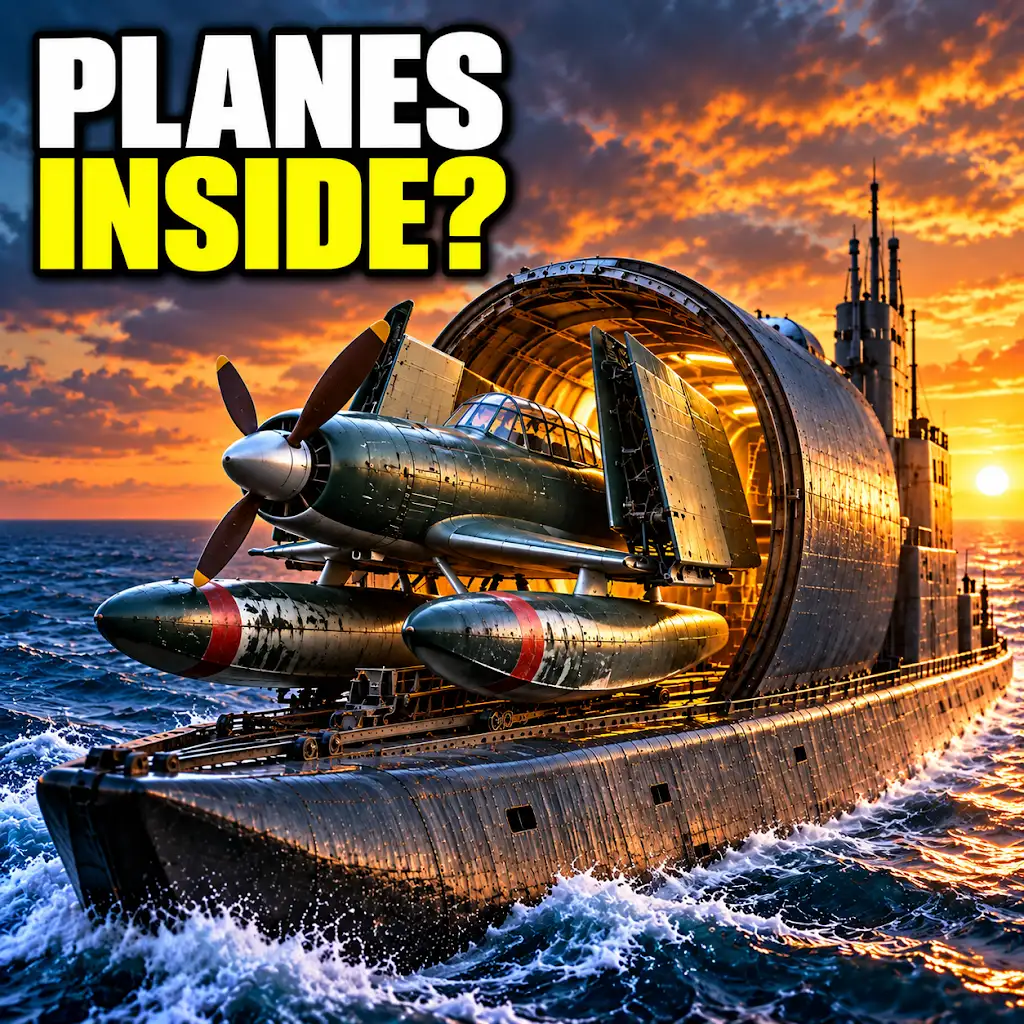
Japan Built a Submarine That Could Launch Three Planes
FAQs
What happened to the USS Trumpetfish and the Japanese submarine?
The USS Trumpetfish sank the Japanese submarine during a naval battle.
When did the incident between the USS Trumpetfish and the Japanese submarine occur?
The incident between the USS Trumpetfish and the Japanese submarine occurred during World War II.
Was the sinking of the Japanese submarine a significant event?
Yes, the sinking of the Japanese submarine by the USS Trumpetfish was a significant event during World War II.
What type of vessel is the USS Trumpetfish?
The USS Trumpetfish is a submarine that was used by the United States Navy during World War II.
Are there any casualties reported from the sinking of the Japanese submarine?
There were casualties reported from the sinking of the Japanese submarine, as it was a result of a naval battle during wartime.