
The allure of immense military platforms, from colossal aircraft carriers to sprawling amphibious assault ships and the latest generation of fighter jets, exerts a powerful, almost gravitational pull on defense planning and public perception. These “super-projects” are often presented as the ultimate expression of national power and technological prowess, promising unparalleled capability and deterrence. However, beneath this impressive exterior lies a complex and often counterproductive dynamic, the “prestige trap.” This trap ensnares decision-makers in a cycle of escalating costs, diminishing returns, and strategic inflexibility, ultimately hindering a nation’s ability to adapt to the evolving realities of modern warfare.
The appeal of large, advanced military platforms is undeniable. They represent a tangible manifestation of a nation’s industrial capacity and technological ambition. The sheer physical presence of an aircraft carrier at sea or a squadron of state-of-the-art fighters on the tarmac projects an image of unassailable strength and global reach. This perception is often amplified by the media and public discourse, where these platforms are frequently the focus of attention, symbolizing a nation’s commitment to defense and its standing on the world stage.
The Symbolism of Supremacy
The construction and operation of behemoth military assets carry significant symbolic weight. They are not merely instruments of war, but also declarations of intent, signaling a nation’s willingness and ability to project power across vast distances. This symbolism can be a potent tool in international relations, fostering alliances and deterring potential adversaries. The historical context of naval power, for example, is deeply intertwined with the concept of national prestige, with great powers historically measured by the size and strength of their fleets.
Technological Prowess as a National Brand
In an era defined by technological competition, advanced military platforms become flagbearers for a nation’s scientific and engineering achievements. The development and deployment of cutting-edge systems, such as stealth technology, advanced avionics, and complex weapon systems, showcase a nation’s innovative capacity. This can translate into economic benefits through technological spin-offs and by attracting and retaining top talent in STEM fields. The international market for advanced defense systems can also be lucrative, further incentivizing the pursuit of headline-grabbing technological advancements.
The Lure of the “Silver Bullet”
There is a persistent human tendency to seek simpler, more decisive solutions to complex problems. In military strategy, this often manifests as the search for a “silver bullet” – a single platform or capability that will guarantee victory. Large, multi-functional platforms are frequently pitched as such silver bullets, promising the ability to address a wide spectrum of threats with a single, comprehensive solution. This oversimplification can overlook the nuances and distributed nature of modern conflict.
In recent discussions about military strategy and resource allocation, the concept of “prestige traps” has gained traction, particularly concerning large military platforms. These platforms, while often seen as symbols of national strength and technological prowess, can lead to significant financial burdens and strategic miscalculations. A related article that delves deeper into this topic is available at In the War Room, where the implications of investing in such high-profile military assets are thoroughly examined. The article highlights how these prestige projects can divert attention and resources away from more effective and adaptable military solutions, ultimately impacting national security.
The Escalating Cost of Unrivaled Capability
The most significant aspect of the prestige trap is the astronomical financial commitment required for the development, procurement, and sustainment of these grand projects. The economics of large military platforms are often characterized by runaway cost growth, a phenomenon that can strain national budgets and divert resources from other critical areas.
Procurement Prices: A Bottomless Pit
The initial acquisition costs of major military platforms are already staggering. A single aircraft carrier can cost billions of dollars, and a fleet of advanced fighter jets can run into the hundreds of billions. These figures often represent only the tip of the iceberg, with projected life-cycle costs significantly exceeding initial estimates.
Design and Development Overruns
The complexity inherent in designing and developing vastly sophisticated systems inevitably leads to unforeseen challenges. These challenges translate into delays, redesigns, and ultimately, substantial cost increases. The temptation to push the boundaries of technological feasibility often results in projects that are inherently prone to overruns, as early-stage development grapples with untested concepts and materials.
Manufacturing and Assembly Challenges
The sheer scale of these platforms presents significant manufacturing and assembly hurdles. Specialized facilities, large labor forces, and intricate supply chains are required, all of which contribute to higher costs. Delays in one part of the production process can have cascading effects, increasing the overall expense of bringing the platform to operational status.
Operational and Sustainment Expenses: The Long Haul
Beyond the initial purchase, the ongoing costs of operating and maintaining these massive assets are equally, if not more, significant. These include fuel, personnel training, maintenance, repairs, and upgrades, all of which are amplified by the platform’s size and complexity.
Personnel Costs: A Growing Burden
Operating and maintaining large military platforms requires a highly specialized and substantial workforce. The cost of recruiting, training, and retaining these personnel, as well as providing for their welfare, represents a significant ongoing expenditure that is often underestimated in initial cost projections. The need for highly skilled technicians for intricate systems further inflates these personnel requirements.
Maintenance and Repair: The Never-Ending Task
Complex systems are inherently prone to wear and tear. The sheer volume of components and sophisticated machinery in a large platform necessitates consistent and extensive maintenance. Unexpected breakdowns and the need for specialized repairs can lead to unscheduled downtime and considerable expenses, often exceeding budgetary allocations.
Obsolescence and Upgrade Cycles
The rapid pace of technological advancement means that even the most cutting-edge platforms can begin to approach obsolescence relatively quickly. The pressure to maintain a competitive edge necessitates ongoing upgrade cycles, which themselves are expensive endeavors, adding further to the life-cycle cost of these platforms.
Strategic Rigidity: The Weight of Tradition and Investment
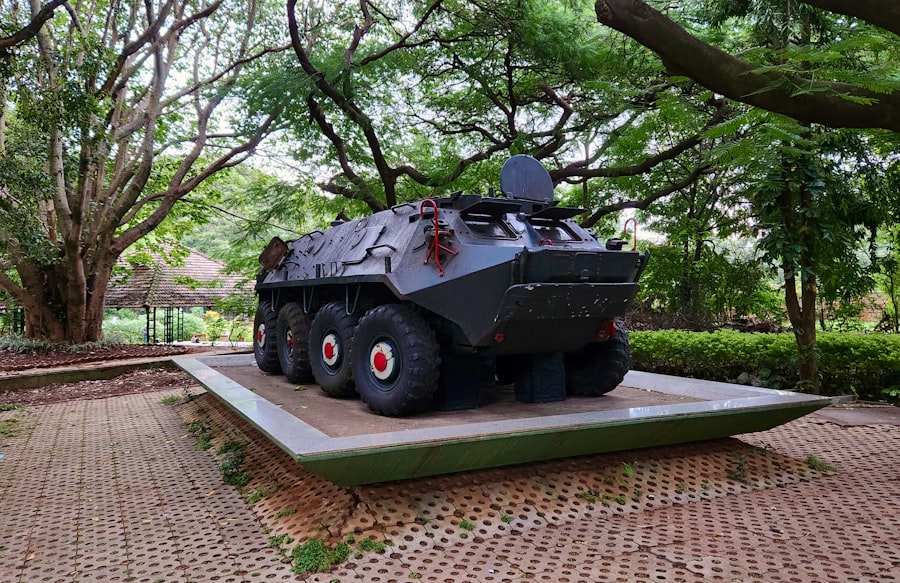
The immense financial and political capital invested in large military platforms fosters a degree of strategic rigidity. These platforms are not easily repurposed or decommissioned, committing a nation to a particular strategic posture for decades, even if the threat landscape shifts.
The Dinosaur Effect: Inflexibility in a Fluid Environment
Large, specialized platforms are often designed for specific types of warfare, such as high-intensity peer conflict. However, modern conflicts are increasingly characterized by asymmetric threats, hybrid warfare, and distributed operations. Platforms optimized for traditional warfare may prove ill-suited to countering insurgencies, cyberattacks, or the proliferation of lower-cost, more adaptable adversaries that can exploit the vulnerabilities of these massive targets.
Vulnerability to Asymmetric Threats
The very attributes that make these platforms impressive – their size, sophistication, and concentration of capability – also make them lucrative targets for adversaries seeking to inflict significant damage with relatively inexpensive means. Anti-ship missiles, drone swarms, and cyber weapons can pose a significant threat, potentially neutralizing a multi-billion-dollar asset with a fraction of the cost.
The Concentration of Risk
The reliance on a few, very large platforms concentrates a nation’s most valuable military assets in a limited number of vulnerable locations. A successful attack on a single carrier strike group, for instance, could represent a disproportionate loss of naval power and projection capability.
The Tyranny of the Long Development Cycle
The extensive lead times required for the development and deployment of these platforms mean that by the time they enter service, the strategic environment they were designed for may have already evolved. This can result in fielding capabilities that are not optimally suited to current or emerging threats, leading to a strategic mismatch.
Reorienting Established Doctrines
Once a significant investment has been made in a particular type of platform, the associated operational doctrines, training regimens, and organizational structures become deeply entrenched. Shifting away from these established patterns to accommodate new threats or strategies can be a difficult and politically challenging undertaking.
The Inertia of Bureaucracy and Industry
The vast bureaucratic and industrial ecosystems surrounding the development and operation of large military platforms create significant inertia. Defense ministries, military branches, and defense contractors develop vested interests in the continuation of these programs, making it difficult to critically evaluate their efficacy or reallocate resources.
Industrial Lobbying and Political Influence
Defense contractors, whose business models are often built on large, multi-year projects, engage in extensive lobbying efforts to ensure the continuation and expansion of these programs. This can influence political decision-making, often prioritizing the economic benefits and job creation associated with these projects over purely strategic considerations.
“Program of Record” Entrenchment
Once a program is established as a “program of record” within a military branch, it gains a protected status. Changing course becomes exceedingly difficult, as it often involves overcoming established bureaucratic processes, political opposition, and the perception of failure.
Diminishing Returns: Why More Isn’t Always Better

While the intention behind investing in large, sophisticated platforms is often to achieve unparalleled capability, the reality can be one of diminishing returns. The exponential increase in cost often does not translate into an equivalent increase in strategic advantage, especially when compared to more agile and distributed alternatives.
The Cost-Benefit Imbalance
For a significant portion of the global threat spectrum, the cost of a single super-project platform exceeds the cost of fielding a multitude of smaller, more specialized, and potentially more effective systems. This imbalance becomes more pronounced when considering the vulnerability of large platforms to low-cost countermeasures.
The Rise of Swarming and Distributed Capabilities
Adversaries are increasingly investing in distributed and swarming tactics, leveraging large numbers of smaller, cheaper, and often unmanned systems. These can overwhelm traditional, centralized defense systems through sheer volume and saturation, rendering large, monolithic platforms less effective or even vulnerable.
The “Fragility” of Concentration
The concentration of capability in a few large platforms creates a strategic fragility. A single successful strike against a highly expensive and complex asset can have a disproportionately devastating impact on a nation’s military power, whereas the loss of multiple smaller, distributed assets is more manageable.
The Opportunity Cost of Resources
The enormous financial commitment to a handful of prestige projects inevitably means that resources are diverted from other critical areas of defense. This could include investments in research and development for emerging technologies, robust intelligence gathering, cyber warfare capabilities, or the procurement of a larger quantity of more nimble and adaptable systems.
Neglecting Niche Capabilities
The focus on grand, multi-mission platforms can lead to the neglect of niche capabilities that are crucial for certain operational environments. This could include specialized reconnaissance drones, electronic warfare systems, or robust special forces equipment, which might offer a more cost-effective solution to specific threats.
The Underfunding of Critical Support Functions
The allure of the primary platform can sometimes overshadow the importance of supporting infrastructure and capabilities. This can lead to underfunding of essential elements like logistics, maintenance, air defense for friendly forces, and even effective training simulations, ultimately hindering the operational effectiveness of the very platforms being prioritized.
The debate surrounding the effectiveness of large military platforms often highlights their status as prestige traps, diverting resources from more agile and innovative defense strategies. A compelling article that delves into this issue can be found at In the War Room, where experts discuss how the allure of these massive systems can overshadow the need for adaptability in modern warfare. By focusing on prestige rather than practicality, militaries risk becoming less responsive to evolving threats, ultimately compromising national security.
Re-evaluating Priorities: Towards Agility and Resilience
| Reasons | Explanation |
|---|---|
| High Cost | Big military platforms often come with high price tags, leading to significant financial investment. |
| Complexity | Large military platforms are often complex to operate and maintain, requiring extensive training and resources. |
| Political Pressure | There may be political pressure to invest in big military platforms for prestige and influence, regardless of actual strategic need. |
| Obsolete Technology | Big military platforms can become outdated quickly, leading to the need for costly upgrades or replacements. |
| Strategic Misalignment | Investing in big military platforms may not align with current strategic priorities, leading to misallocation of resources. |
The prestige trap is not an insurmountable barrier, but it requires a conscious and deliberate shift in strategic thinking. Recognizing the limitations and drawbacks of prioritizing massive, monolithic platforms is the first step towards building a more agile, resilient, and ultimately more effective defense posture.
Embracing Modularity and Distributed Architectures
A more effective approach involves embracing modularity and distributed architectures. This means designing systems that can be easily upgraded, adapted, and dispersed, rather than relying on a single, all-encompassing platform.
The Power of Networks of Systems
Instead of a few super-platforms, the future of defense may lie in networks of interconnected systems, where smaller, specialized, and potentially unmanned platforms work in concert. This distributed approach enhances resilience and makes it far more difficult for an adversary to achieve a decisive blow.
Swarm Technology and Autonomous Systems
The development and integration of swarm technology and autonomous systems offer significant potential for overwhelming adversaries with distributed capabilities. These systems, when networked and intelligently orchestrated, can provide a potent and cost-effective means of achieving battlefield dominance.
Investing in Asymmetric Advantage and Adaptability
Nations should prioritize investments that provide asymmetric advantages and foster adaptability. This includes focusing on cyber warfare, electronic warfare, intelligence, surveillance, and reconnaissance (ISR), and the development of specialized, rapidly deployable forces.
The Evolving Nature of Deterrence
Deterrence in the 21st century is not solely about possessing the largest and most sophisticated platforms. It also involves demonstrating the capacity to degrade an adversary’s capabilities, to resist attack, and to adapt to rapidly changing circumstances. This requires a broader and more nuanced approach to defense investment.
Frugal Innovation and Commercial Off-the-Shelf (COTS) Solutions
Exploring frugal innovation and leveraging commercially available off-the-shelf (COTS) technologies can significantly reduce development and procurement costs. By adapting existing technologies for military purposes, nations can achieve significant capabilities without the exorbitant expense of developing entirely new, bespoke systems.
The Importance of Rigorous Cost-Benefit Analysis and Strategic Agility
Ultimately, breaking free from the prestige trap requires a commitment to rigorous cost-benefit analysis and a willingness to embrace strategic agility. This means critically evaluating the true operational value and long-term sustainability of every proposed defense investment, regardless of its perceived prestige.
Prioritizing Outcome Over Optics
Decision-makers must consistently prioritize desired operational outcomes over the visual or symbolic impact of a particular platform. The true measure of success should be a nation’s ability to effectively address a range of threats and achieve its strategic objectives, not the size of its most impressive hardware.
A Culture of Continuous Adaptation
Fostering a culture of continuous adaptation within defense establishments is crucial. This involves encouraging critical self-assessment, embracing experimentation, and being willing to divest from programs that no longer serve strategic imperatives, even if they represent significant past investments.
The prestige trap of big military platforms is a seductive illusion, promising invincibility but often delivering strategic vulnerability and financial strain. By understanding the dynamics at play and consciously shifting priorities towards agility, resilience, and a more distributed approach to defense, nations can build more effective and sustainable security for the future, free from the gilded cage of an outdated definition of power.
FAQs
What are big military platforms?
Big military platforms refer to large and expensive military equipment such as aircraft carriers, fighter jets, and tanks. These platforms are often seen as symbols of military power and prestige.
Why are big military platforms considered prestige traps?
Big military platforms are considered prestige traps because they are often pursued for their symbolic value rather than their actual military utility. Governments and military leaders may prioritize acquiring these platforms to demonstrate strength and status, even if they are not the most effective or efficient tools for addressing modern security challenges.
What are the drawbacks of investing in big military platforms?
Investing in big military platforms can be costly and may divert resources from other critical defense needs. Additionally, these platforms may become obsolete or vulnerable to emerging threats, leading to a potential mismatch between military capabilities and strategic requirements.
How do big military platforms impact defense budgets?
The acquisition and maintenance of big military platforms can consume a significant portion of defense budgets. This can limit funding for other important defense priorities such as personnel, training, and modernization of more versatile and adaptable military capabilities.
What are alternative approaches to military modernization?
Some experts advocate for a shift towards investing in more flexible and agile military capabilities, such as cyber warfare, special operations forces, and unmanned systems. These alternatives may offer greater strategic value and adaptability in addressing diverse and evolving security threats.