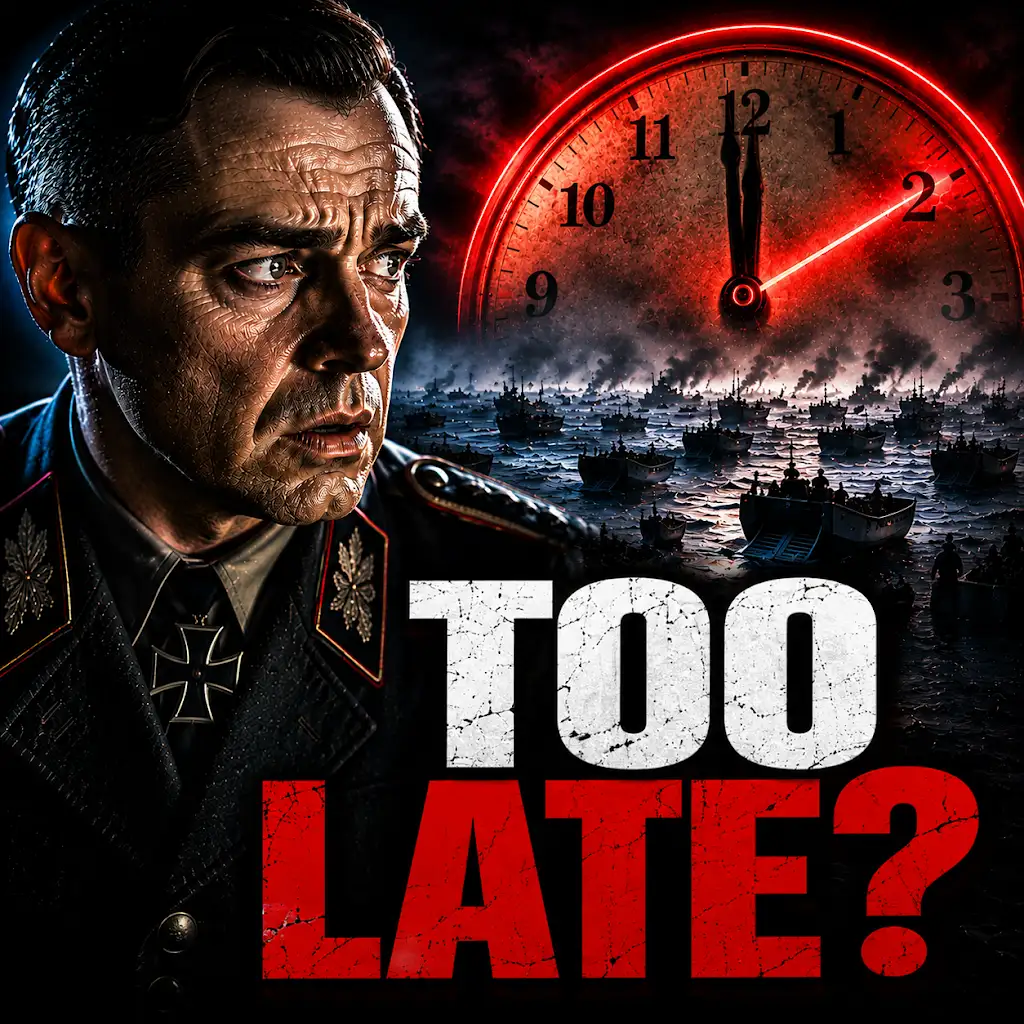
The Battle of Normandy stands as one of the most pivotal and consequential campaigns of World War II, a monumental undertaking that irrevocably altered the course of the war in Europe. For decades, historians, filmmakers, and storytellers have sought to capture the sheer scale, brutal intensity, and profound human cost of this epic struggle. “The Battle of Normandy Documentary” series, a comprehensive and meticulously researched cinematic exploration, achieves this ambitious goal, offering viewers an unparalleled insight into the events that unfolded from the D-Day landings to the eventual liberation of Paris. This multi-part documentary delves deep into the strategic planning, the harrowing realities of combat, and the individual stories of courage and sacrifice that defined this critical period.
The decision to launch a full-scale invasion of Nazi-occupied France was not made lightly. It represented years of planning, intense debate, and a monumental commitment of resources by the Allied powers. “The Battle of Normandy Documentary” dedicates significant attention to the intricate web of strategic considerations that culminated in Operation Overlord.
The Eastern Front’s Grim Demands
A crucial element in the Allied decision-making was the relentless pressure exerted by the Soviet Union on the Eastern Front. The documentary highlights how the vast majority of the German army was engaged in a brutal war of attrition against the Red Army. This diverted vital German forces and resources away from the Western Front, creating a window of opportunity for an Allied invasion. The film often intersperses archival footage of the Eastern Front with interviews with historians who explain the strategic importance of this diversion, underscoring that a successful invasion of Normandy was intrinsically linked to the survival of the Soviet Union.
The Churchill-Roosevelt Alliance and the Atlantic Charter
The personal relationship and strategic alignment between Winston Churchill and Franklin D. Roosevelt were instrumental in forging the Allied coalition. The documentary explores the genesis of this alliance, emphasizing their shared vision for a post-war world and their commitment to defeating Nazi Germany. The Atlantic Charter, signed in 1941, laid the groundwork for this shared objective, outlining principles of self-determination and free trade that would guide Allied war aims. The film illustrates how this shared purpose, even amidst differing national interests, provided the political will necessary to embark on such a massive undertaking.
The Shadow of Dieppe and the Lessons Learned
The ill-fated raid on Dieppe in August 1942 served as a stark and costly lesson for the Allies. The documentary recounts the catastrophic failure of this amphibious assault, where Allied forces suffered devastating casualties. This event, while a tactical disaster, proved invaluable in shaping the planning for Normandy. Expert analysis within the film details how the lessons learned from Dieppe – concerning aerial and naval superiority, the need for comprehensive intelligence, and the importance of sustained bombardments – directly influenced the meticulous planning and execution of Operation Overlord. The film meticulously recreates the challenges faced at Dieppe, making the subsequent improvements in Allied strategy all the more striking.
The Intelligence War: Deception and Counter-Deception
Success in an invasion of this magnitude hinged on superior intelligence and effective deception. “The Battle of Normandy Documentary” unveils the intricate world of Allied intelligence operations, showcasing the crucial role of figures like Ian Fleming and the shadowy operations of organizations like the Special Operations Executive (SOE).
The Art of Deception: Operation Fortitude
One of the most fascinating aspects of the documentary is its in-depth exploration of Operation Fortitude, the elaborate deception campaign designed to mislead the Germans about the true landing sites and timing of the invasion. The film details how the Allies created phantom armies, broadcast fake radio transmissions, and even employed inflatable tanks and vehicles to convince the Germans that the main invasion would occur at Pas-de-Calais, the shortest and most obvious crossing point. The documentary uses expert commentary and archival materials to illustrate the psychological warfare at play, highlighting the immense pressure on German intelligence to discern truth from fiction.
Codebreaking and Espionage: Unlocking German Secrets
The documentary also delves into the vital role of codebreaking, particularly at Bletchley Park, where Allied cryptanalysts worked tirelessly to decipher German communications. The film explains how intelligence gleaned from intercepted messages provided invaluable insights into German troop deployments, defensive preparations, and strategic intentions. Furthermore, the documentary touches upon the bravery of agents operating behind enemy lines, gathering crucial ground-level intelligence that informed Allied decision-making. The intricate details of their missions, often involving extreme personal risk, are brought to life through reenactments and personal accounts.
D-Day: The Longest Day Dawns
The 6th of June, 1944, remains etched in history as “The Longest Day.” This pivotal moment, the largest seaborne invasion in history, saw Allied forces storm the beaches of Normandy with unparalleled bravery and determination. “The Battle of Normandy Documentary” meticulously recreates the harrowing events of this monumental day, capturing the chaos, courage, and sheer terror experienced by those who fought on the front lines.
The Airborne Assaults: Securing the Flanks
Before the ground troops hit the beaches, thousands of Allied paratroopers were dropped behind enemy lines. The documentary vividly portrays the perilous airborne operations undertaken by American, British, and Canadian forces. Viewers witness the scattered drops, the intense fighting in the darkness, and the crucial missions to secure vital bridges and road networks, thereby disrupting German reinforcements and protecting the invasion forces. The film highlights the immense bravery and resilience of these airborne soldiers, often facing overwhelming odds in unfamiliar territory.
The Beach Landings: Omaha and Utah
The documentary dedicates significant screen time to the experiences of soldiers on the five designated landing beaches: Utah, Omaha, Gold, Juno, and Sword. The film particularly emphasizes the brutal reality of the Omaha Beach landings, often referred to as the “bloodiest” of the day.
Omaha Beach: The Crucible of Courage
Through graphic archival footage, harrowing personal testimonies, and expert analysis, “The Battle of Normandy Documentary” reconstructs the desperate struggle for Omaha Beach. The film details the devastating German fire, the lack of adequate cover, and the initial confusion that plunged the American troops into a desperate fight for survival. The documentary’s poignant portrayal of individual acts of heroism amidst the carnage underscores the immense courage displayed by the men who eventually secured this vital foothold. The sheer human cost is made palpable through the unflinching presentation of the battlefield.
Utah Beach: A More Fortunate Landing
In contrast, the documentary also details the relatively less violent landings on Utah Beach. While still facing enemy fire, the American forces on Utah benefited from a more favorable topography and less concentrated German defenses. The film illustrates how strategic decisions and a degree of luck contributed to a quicker and more successful advance from this sector, demonstrating the varied experiences of the Allied forces on D-Day.
The Naval and Air Bombardments: Paving the Way
The success of the beach landings was heavily reliant on the overwhelming naval and air bombardment that preceded them. The documentary showcases the immense power of the Allied fleets and air forces, detailing the strategic targets and the impact of these bombardments on German defenses. The sheer scale of the naval armada and the constant drone of aircraft overhead are vividly conveyed through archival footage, emphasizing the vital support provided to the ground troops. The film also highlights the risks faced by naval crews and airmen in their crucial roles.
The Battle for the Bocage: A Brutal Grind
Once the beaches were secured, the Allies faced a new and unexpected challenge: the Normandy countryside, particularly the hedgerow country, or “bocage.” This dense, intricate landscape of thick hedges and narrow lanes proved to be a formidable defensive advantage for the Germans, transforming the initial push inland into a brutal and attritional battle. “The Battle of Normandy Documentary” meticulously details the arduous fighting that characterized this phase of the campaign.
The Hedgerow Hell: A Sniper’s Paradise
The documentary vividly portrays the nature of combat in the bocage. The thick hedges provided excellent cover for German defenders, turning every farmstead and crossroads into a potential ambush point. The film uses animated maps and expert commentary to illustrate how the confined terrain negated the Allies’ technological superiority in tanks and artillery, forcing them into close-quarters combat. The constant threat of snipers and concealed machine-gun nests created an atmosphere of pervasive tension and fear.
The Allied Tanks: Adapting to New Terrain
The Allied tanks, so effective in open warfare, struggled to maneuver and operate effectively in the bocage. The documentary explains how the narrow lanes and thick hedges limited their visibility and maneuverability, making them vulnerable to German anti-tank weapons concealed within the dense foliage. The film showcases how Allied engineers and tank crews worked tirelessly to adapt, developing new tactics and even modifying tanks to overcome these challenges. The introduction of specialized tanks equipped with cutting blades to breach hedges is a key aspect highlighted.
The Infantry’s Plight: Small Unit Actions
The brunt of the fighting in the bocage fell upon the infantry. The documentary underscores the importance of small unit actions, where platoons and squads had to meticulously clear each hedgerow, often at great cost. The film emphasizes the bravery and determination of individual soldiers who, under immense pressure, had to rely on initiative and close-knit teamwork to overcome entrenched enemy positions. Personal accounts and reenactments bring to life the often-unseen acts of heroism that defined this grinding phase of the battle.
Key Battles and Turning Points: The Road to Liberation
The Battle of Normandy was not a single event but a series of crucial engagements that ultimately led to the liberation of France. “The Battle of Normandy Documentary” chronicles these pivotal battles, highlighting their strategic importance and the immense sacrifices made by the soldiers involved.
Caen: A Prize Worthy of Bloodshed
The city of Caen, a strategic transportation hub, became a major objective for the Allies. The documentary details the protracted and bloody fighting for Caen, a battle that lasted for weeks and involved intense urban combat. The film explains how the Germans defended Caen with fierce determination, using the city’s infrastructure to their advantage. The high casualty rates on both sides underscore the strategic value the Allies placed on capturing this vital city. The documentary uses both historical accounts and visual representations to convey the devastation wrought upon Caen.
Operation Cobra: Breaking Through the German Lines
After weeks of grinding attrition in the bocage, the Allies launched Operation Cobra, a decisive offensive aimed at breaking through the German defenses. The documentary provides a comprehensive overview of Operation Cobra, detailing the massive artillery bombardments and the strategic use of aerial power to create a breach in the German lines.
The Air Support: A New Dimension of Warfare
Operation Cobra highlighted the crucial role of air power in modern warfare. The film demonstrates how overwhelming Allied air superiority allowed for the saturation bombing of German positions, creating a path for ground forces. The documentary’s depiction of this aerial assault is both awe-inspiring and terrifying, showcasing the destructive capability of modern air forces. The coordination between air and ground units is a significant focus.
The Breakthrough and the Falaise Pocket
The documentary explains how Operation Cobra successfully created a breakthrough, leading to a rapid advance by Allied forces. This momentum culminated in the encirclement of a large number of German troops in the Falaise Pocket. The film details the intense fighting within the pocket, where German forces were trapped and subjected to relentless Allied attacks. The fall of the Falaise Pocket was a decisive victory, crippling the German army in Normandy and paving the way for the liberation of Paris.
The Liberation of Paris: A Symbol of Hope
The culmination of the Battle of Normandy was the liberation of Paris in August 1944. The documentary depicts the jubilant scenes of Allied soldiers entering the French capital, greeted by ecstatic civilians. The film connects the bravery and sacrifice of the soldiers on the battlefield to the return of freedom to one of Europe’s most iconic cities. The historical significance of this moment, marking a major turning point in the war, is profoundly conveyed.
The Human Cost and Lasting Legacy: Echoes of the Battle
Beyond the grand strategy and military maneuvers, “The Battle of Normandy Documentary” never loses sight of the profound human cost of this monumental conflict. The film dedicates significant attention to the experiences of individual soldiers, nurses, civilians, and even the resistance fighters who played a vital role.
Stories of Courage and Sacrifice: Individual Testimonies
The documentary is enriched by a wealth of personal testimonies from veterans of the Battle of Normandy. Through interviews and archival footage, viewers hear directly from those who fought on the beaches, in the hedgerows, and in the skies. These personal accounts offer a deeply moving and often harrowing glimpse into the fear, bravery, and camaraderie that defined their experiences. The film emphasizes that behind every military statistic were individual lives, hopes, and dreams.
The Role of the French Resistance: Unsung Heroes
The documentary acknowledges the crucial contributions of the French Resistance. The film details how these brave men and women provided invaluable intelligence, carried out acts of sabotage, and supported the Allied advance through guerrilla warfare. Their bravery in the face of extreme danger, often without uniforms or established military command, is highlighted, recognizing them as vital partners in the liberation of France.
The Civilian Experience: Caught in the Crossfire
“The Battle of Normandy Documentary” also sheds light on the experiences of the Norman civilians who lived through the invasion and the subsequent battles. The film depicts the destruction of their towns and villages, the displacement of families, and their enduring resilience in the face of unimaginable hardship. The documentary emphasizes that the Battle of Normandy was not just a military conflict but a human tragedy that deeply impacted the lives of ordinary people.
The Legacy of Normandy: A Lesson for the Future
The documentary concludes by reflecting on the lasting legacy of the Battle of Normandy. It underscores the immense sacrifice made by the Allied soldiers and the profound impact of their victory on the course of history. The film emphasizes the importance of remembering these events, not only to honor those who fought but also to learn from the past and to ensure that such a devastating conflict never happens again. The enduring symbolism of the Normandy beaches as a place of remembrance and pilgrimage is a powerful concluding theme. The documentary serves as a vital educational tool, ensuring that future generations understand the immense struggle for freedom that unfolded on the shores of Normandy.