Alright, let’s talk about something that might not be on your radar but is quietly shaping up to be a pretty significant challenge: the medical isotope crisis. Essentially, the world is facing a potential shortage of crucial radioactive materials used in vital medical imaging and treatments. It’s not something you’ll likely hear about on the evening news, but it impacts how doctors diagnose illnesses like cancer and heart disease, and how they treat them. The good news is, it’s a problem we’re aware of, and there are efforts underway to navigate it.
You might be wondering, “What’s the big deal about these ‘isotopes’?” Let’s break it down.
The Building Blocks of Medical Imaging
At their core, medical isotopes are unstable variations of elements that emit radiation. Think of them like tiny, glowing messengers. When introduced into the body, they attach to specific cells or travel to particular organs. This radiation can then be detected by specialized cameras, like PET or SPECT scanners.
The key here is that these isotopes “light up” areas of interest. For example, in cancer imaging, a radioisotope can be designed to bind to rapidly growing cancer cells. When scanned, these cells show up more clearly, allowing doctors to pinpoint tumors, determine their size, and assess if they’ve spread. This is fundamental to diagnosing and staging many serious conditions.
More Than Just Pictures: Isotopes in Therapy
It’s not just about seeing what’s going on inside. Some medical isotopes are also used directly for treatment. This is known as radionuclide therapy.
Targeting Cancer Cells Directly
In this approach, a radioactive isotope is attached to a molecule that specifically targets cancer cells. Once it reaches its target, the radiation it emits can damage or destroy those cancer cells, while minimizing harm to surrounding healthy tissue. This is a powerful tool in the fight against various cancers, offering a more precise and often less invasive treatment option.
Managing Chronic Conditions
Beyond cancer, isotopes play a role in managing certain chronic conditions. For instance, radioactive iodine is used to treat hyperthyroidism (an overactive thyroid gland) and certain types of thyroid cancer.
The Usual Suspects: Common Isotopes and Their Uses
You might have heard of a few of these before, even if you didn’t know their full implications.
Technetium-99m: The Workhorse of Diagnostics
By far, the most commonly used medical isotope is Technetium-99m, or Tc-99m. It’s a real workhorse in diagnostic medicine, accounting for a vast majority of all nuclear medicine procedures worldwide. Its short half-life (meaning it quickly decays and becomes harmless) and its ability to be easily incorporated into various radiopharmaceuticals make it incredibly versatile. It’s used in everything from bone scans to heart imaging to lung scans.
Iodine-131: A Dual-Purpose Powerhouse
As mentioned, Iodine-131 has a significant role in both diagnosis and therapy, particularly for thyroid-related conditions. Its ability to be absorbed by thyroid tissue makes it effective for both imaging and treating overactive thyroids and thyroid cancers.
Fluorine-18: The PET Scanner’s Best Friend
Fluorine-18 is a crucial isotope for Positron Emission Tomography (PET) scans. Its most famous application is probably with FDG (Fluorodeoxyglucose), a glucose analog laced with F-18. Cancer cells, being metabolically active, take up more glucose, so FDG-PET scans are excellent at detecting cancerous growths throughout the body.
The ongoing medical isotope crisis has raised significant concerns about the availability of essential diagnostic tools for patients worldwide. For a deeper understanding of the implications and potential solutions to this pressing issue, you can read a related article that explores the challenges faced by the medical community and the efforts being made to address the shortage. To learn more, visit this article.
The Supply Chain: Where Do These Isotopes Come From?
Understanding the supply chain is where the potential for crisis really comes into focus. It’s not as simple as just mining them out of the ground.
The Reliance on Nuclear Reactors
The vast majority of medically important isotopes are produced as byproducts of nuclear reactors. Specifically, they are often generated from the fission of Uranium-235 in research or power reactors. This process creates a range of radioactive isotopes, some of which are then extracted and processed for medical use.
The Molybdenum-99 / Technetium-99m Chain
A prime example of this is the production of Tc-99m. It’s not produced directly. Instead, its parent isotope, Molybdenum-99 (Mo-99), is produced in nuclear reactors. This Mo-99 is then shipped to radiopharmacies where it decays into Tc-99m, which is then used for patient scans. This “parent-daughter” relationship is common for many medical isotopes.
The Aging Infrastructure Challenge
Here’s where things get complicated. Many of the large nuclear research reactors that have historically produced Mo-99 are aging. These are complex facilities, and maintaining them, extending their lifespans, or building new ones is a massive undertaking.
Outdated Technology and Maintenance Issues
Some of these reactors have been in operation for several decades. Like any aging machinery, they require extensive maintenance, and unexpected shutdowns due to technical issues can disrupt supply. This has happened in the past, leading to temporary shortages.
A World of Few Producers
Another significant factor is the limited number of facilities capable of producing these isotopes. For Mo-99, which then leads to Tc-99m, the global supply has historically been concentrated in a few countries and a handful of reactors.
The Impact of Single-Point Failures
When you have only a few major production hubs, any disruption at one of them can have a ripple effect worldwide. This concentration creates vulnerabilities. If one reactor goes offline for maintenance or an unexpected problem, it can lead to significant shortages for many countries that rely on its output.
The Crisis Unfolds: Why We Face Potential Shortages

So, given the production methods and the aging infrastructure, what are the specific pressures leading to this “crisis”?
The Problem of Reactor Shutdowns
As mentioned, unexpected or planned shutdowns of major production reactors are the most immediate cause of isotope shortages. These aren’t like a factory taking a holiday break; these are complex scientific facilities with intricate schedules and inherent risks.
Maintenance Schedules and Their Global Impact
When a primary reactor goes offline for routine maintenance, it can take months to bring it back online. If this happens at a time when other reactors are also undergoing maintenance or experiencing issues, the cumulative effect can be severe. It means there’s simply less of the necessary precursor isotope being produced.
Geopolitical Factors and Regulatory Hurdles
It’s not just about the nuts and bolts of reactors. International politics and regulations also play a part.
Export Restrictions and Trade Agreements
The global nature of isotope supply means that export restrictions, trade disputes, or changes in regulatory policies in one country can impact the availability in another. Medical isotopes are subject to strict regulations for safety and security, and navigating these can be complex.
The Cost of Production and Global Economics
Producing medical isotopes is expensive. It requires specialized facilities, highly trained personnel, and stringent safety protocols. The economic viability of operating these reactors, especially older ones, can also be a factor in decisions about their long-term future.
The Limited Shelf Life of Isotopes
This is a crucial point that amplifies the impact of any production interruption. Medical isotopes, by their nature, are radioactive and decay over time. This means they have a relatively short shelf life.
The Race Against Time for Delivery
For Tc-99m, for instance, the half-life is just about six hours. This means that once Mo-99 is processed into Tc-99m, it needs to be used very quickly. Suppliers have to carefully manage production and delivery to ensure that the isotopes arrive at hospitals and clinics while they are still potent enough for use. If there’s a delay in production, there’s no stockpiling to fall back on.
The Demand Side: Growing Needs
While supply is tightening, the demand for medical isotopes is actually increasing.
An Aging Global Population
As populations age worldwide, the prevalence of diseases like cancer and heart disease, which rely heavily on isotope-based diagnostics and treatments, continues to rise. This naturally translates to a greater need for medical isotopes.
Advancements in Medical Technology
Medical advancements themselves contribute to increased demand. New diagnostic techniques and treatment protocols are constantly being developed, many of which utilize specific medical isotopes. The continued innovation in nuclear medicine means more and more procedures are becoming routine.
Navigating the Crisis: Solutions and Strategies
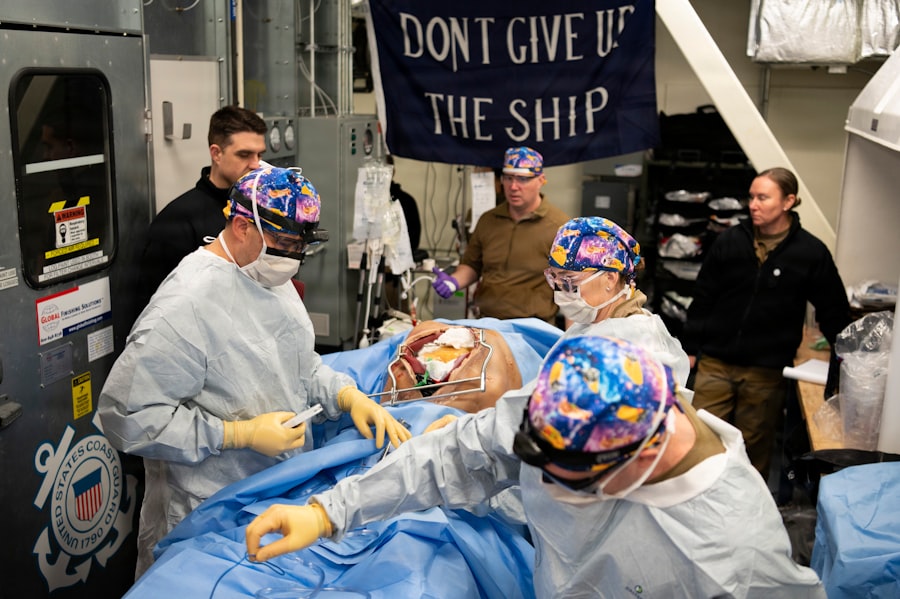
It’s not all doom and gloom. There are indeed efforts underway to address this looming crisis. The focus is on diversifying production and exploring new technologies.
Diversifying Production: Less Reliance on Old Reactors
The most obvious solution is to move away from a system heavily reliant on a few aging reactors.
Investing in New Reactors and Facilities
There’s a push to secure funding for new, state-of-the-art reactors that are specifically designed for isotope production. This includes building facilities in different geographic locations to create a more resilient global supply chain.
Collaborations and International Partnerships
International cooperation is key. Countries are working together to share knowledge, resources, and even production capabilities. This could involve joint ventures to build new reactors or sharing access to existing production facilities.
Alternative Production Methods: Beyond Traditional Reactors
While reactors have been the go-to for decades, researchers are exploring alternative ways to produce medical isotopes.
The Promise of Particle Accelerators
Particle accelerators, like cyclotrons, offer a promising alternative for producing certain isotopes. These machines use electromagnetic fields to accelerate charged particles, which can then be used to bombard specific targets and create isotopes.
Advantages of Cyclotron Production
Cyclotrons often have a smaller footprint and can be located closer to medical facilities, potentially reducing transportation times and costs. They also offer more flexibility in terms of producing specific isotopes on demand. For example, generators that produce Tc-99m can be replenished on-site from a Mo-99 supply, and some cyclotrons can directly produce F-18 for PET scans on a daily basis, bypassing the need for a reactor-produced Mo-99 precursor.
Innovations in Chemical Separation and Extraction
Even with traditional reactor production, technological advancements in how isotopes are extracted and purified can improve efficiency and reduce waste. This can help maximize the output from existing sources.
Improving Efficiency and Reducing Waste
Making the most of what we have is also a critical strategy.
Optimized Radiopharmaceutical Development
Developing more efficient radiopharmaceuticals – the drugs that carry the isotopes to their targets – can mean that less isotope is needed per procedure. This means stretching existing supplies further.
Reducing Waste in the Supply Chain
Every step in the isotope supply chain, from production to delivery and use, has potential for waste. Identifying and minimizing these losses can have a significant impact on overall availability.
Global Stockpiling and Contingency Planning
In the short to medium term, having robust contingency plans is essential.
Strategic Isotope Reserves
Some countries and regions are exploring the idea of holding strategic reserves of key isotopes or their precursors. This would act as a buffer against temporary supply disruptions.
Communication and Prioritization Protocols
Clear communication channels between isotope producers, distributors, and medical facilities are vital. In times of shortage, having pre-established protocols for prioritizing which procedures or patients receive limited supplies can help mitigate the worst impacts.
The ongoing medical isotope crisis has raised significant concerns about the availability of essential diagnostic tools for patients worldwide. As facilities that produce these isotopes face shutdowns and regulatory challenges, healthcare providers are increasingly worried about the impact on patient care. A related article discusses the potential solutions and innovations being explored to address this pressing issue. For more insights on this topic, you can read the article here.
The Future of Medical Isotopes: A Continuous Balancing Act
| Isotope | Half-life | Medical Use | Current Status |
|---|---|---|---|
| Technetium-99m | 6 hours | Diagnostic imaging | In short supply |
| Iodine-131 | 8 days | Thyroid cancer treatment | Inadequate production |
| Gallium-68 | 68 minutes | PET imaging | Increasing demand |
The medical isotope crisis isn’t a single event; it’s more of an ongoing challenge that requires constant attention and adaptation.
The Need for Sustained Investment and Innovation
Addressing this crisis effectively will require sustained investment in research, development, and the infrastructure needed to produce these vital materials. It’s not a problem that can be solved with a quick fix.
Policy and Regulatory Support
Governments and regulatory bodies have a crucial role to play in fostering an environment that supports isotope production, innovation, and international collaboration. This includes streamlining regulatory processes where appropriate without compromising safety, and providing incentives for the development of new production capabilities.
The Long-Term Outlook: A More Resilient Supply
The goal is to move towards a future where the supply of medical isotopes is more diversified, resilient, and less susceptible to single points of failure.
Ensuring Patient Access to Care
Ultimately, the aim of all these efforts is to ensure that patients around the world continue to have access to the life-saving diagnostic and therapeutic procedures that rely on medical isotopes. It’s about safeguarding the future of nuclear medicine.
The Role of Public Awareness
While it’s not a sensational topic, a basic level of public understanding about the importance of medical isotopes and the challenges in their supply can foster support for the necessary investments and policy decisions. It’s a quiet but essential part of modern healthcare. This ongoing effort to secure the medical isotope supply is a testament to the dedication of scientists, policymakers, and healthcare professionals worldwide to maintaining the highest standards of patient care.

Why Modern Medicine Can’t Store Tomorrow
FAQs
What is the medical isotope crisis?
The medical isotope crisis refers to the shortage of key radioactive isotopes used in medical imaging and diagnostic procedures, such as technetium-99m. This shortage can impact patient care and healthcare systems worldwide.
What causes the medical isotope crisis?
The medical isotope crisis is primarily caused by the limited availability of reliable and consistent sources of radioactive isotopes, as well as disruptions in the supply chain. Additionally, aging nuclear reactors used for isotope production contribute to the problem.
How does the medical isotope crisis impact healthcare?
The medical isotope crisis can lead to delays in diagnostic procedures, increased healthcare costs, and potential risks to patient care. It can also strain healthcare systems and limit access to essential medical imaging services.
What are the efforts to address the medical isotope crisis?
Efforts to address the medical isotope crisis include research into alternative production methods, investment in new technologies, and international collaborations to ensure a stable and sustainable supply of medical isotopes.
What can be done to mitigate the impact of the medical isotope crisis?
Mitigating the impact of the medical isotope crisis involves diversifying isotope production methods, improving supply chain resilience, and investing in infrastructure to support reliable and consistent isotope production for medical use.