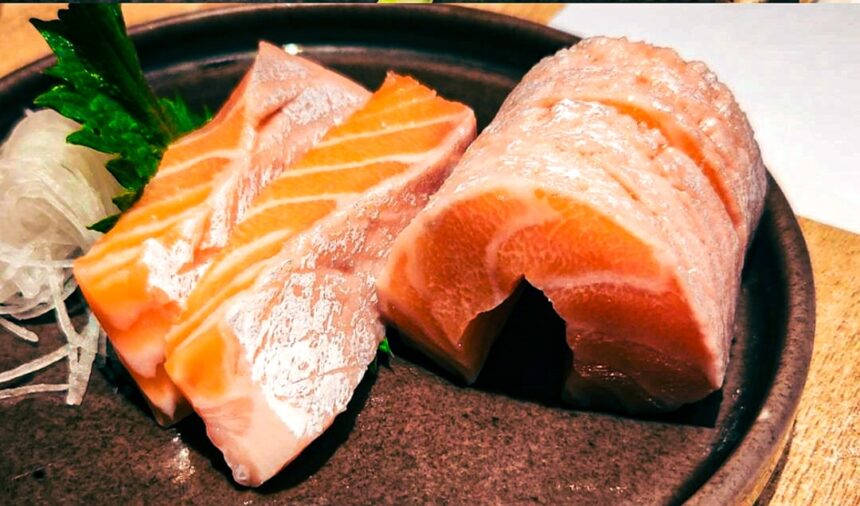
The color of farm-raised salmon is a topic that often generates discussion among consumers. Unlike wild salmon, whose vibrant pink or red hue is a direct result of their diet, farmed salmon achieve their characteristic coloration through a managed process. This article will delve into the factors influencing the color of farm-raised salmon, the additives used, and the scientific and regulatory aspects surrounding their application.
Salmon, whether wild or farmed, derive their flesh color from pigments called carotenoids. These are naturally occurring compounds found in the plankton and small crustaceans that form a significant part of a salmon’s diet.
Astaxanthin: The Primary Pigment
The most prevalent carotenoid responsible for salmon color is astaxanthin. It is a powerful antioxidant and is crucial for various physiological functions in fish, including reproduction and immune response.
Dietary Sources of Astaxanthin
In the wild, salmon ingest a variety of organisms. For instance, Pacific salmon species, such as sockeye and coho, consume krill and shrimp. These small crustaceans, in turn, feed on algae that produce astaxanthin. The salmon’s digestive system then absorbs and metabolizes these carotenoids, depositing them in their flesh, primarily in the muscle tissue. The concentration of astaxanthin directly correlates with the intensity of the salmon’s color. Sockeye salmon, known for their deep red flesh, are particularly efficient at accumulating astaxanthin.
How Astaxanthin Accumulates in Flesh
When salmon consume astaxanthin-rich prey, the pigments are absorbed into their bloodstream. From there, they are transported to various tissues, including the skin and muscle. The pink to red coloration of salmon flesh is a visual manifestation of this accumulation. The process is essentially a biological storage mechanism, with astaxanthin being stored in lipid droplets within the muscle cells. The more astaxanthin the fish ingests, the deeper the color of its flesh becomes.
Other Carotenoids
While astaxanthin is the dominant pigment, other carotenoids can also contribute to salmon coloration, though to a lesser extent. These can include canthaxanthin and beta-carotene, depending on the specific diet of the wild salmon. However, astaxanthin is typically the most significant contributor to the characteristic pinkish-red hue that consumers associate with salmon.
Farm-raised salmon often undergoes color enhancement through the use of additives, which has sparked considerable debate regarding their impact on health and the environment. For a deeper understanding of this topic, you can explore a related article that discusses the implications of these color additives and their regulation in the aquaculture industry. To read more, visit this article.
The Need for Color in Farmed Salmon
The visual appeal of food plays a significant role in consumer purchasing decisions. For farmed salmon, achieving a color that is perceived as desirable and indicative of quality is commercially important.
Consumer Expectations and Perception
Consumers often associate a vibrant pink or red color in salmon with freshness and nutritional value. This perception is largely shaped by the appearance of wild salmon. Studies and market research have consistently shown that consumers tend to prefer and are willing to pay more for salmon with a more intense pink or red color. A pale or yellowish flesh can sometimes be perceived as less appealing or even indicative of lower quality, regardless of the actual nutritional content or flavor. This is where the art of visual communication in food marketing comes into play, turning a pigment into a signal.
Market Demand for Reddish Salmon
The market demand for salmon with a specific color profile is driven by these consumer preferences. Aquaculture operations need to meet these market expectations to ensure their product is competitive. If farmed salmon consistently appear paler, they may struggle to find buyers or command the same prices as their wild counterparts, or even as other farmed salmon with more desirable coloration. This economic imperative is a primary driver behind the use of color additives.
Differentiating Farmed Salmon
The salmon farming industry utilizes color additives not only to meet consumer expectations but also to differentiate their product within the market. A consistent and appealing color can contribute to brand recognition and consumer trust.
Consistency in Product Appearance
One of the challenges in aquaculture is ensuring consistency in the harvested product. Wild salmon diets can fluctuate, leading to variations in flesh color even within the same species. Farmed salmon, however, can be raised under controlled conditions, and the color additives allow for a more predictable and uniform appearance across batches. This consistency is valuable for retailers and food service providers who rely on a standardized product for their operations. It’s like a painter striving for a specific shade, ensuring that every canvas produced has that same, recognizable brilliance.
How Color is Achieved in Farmed Salmon
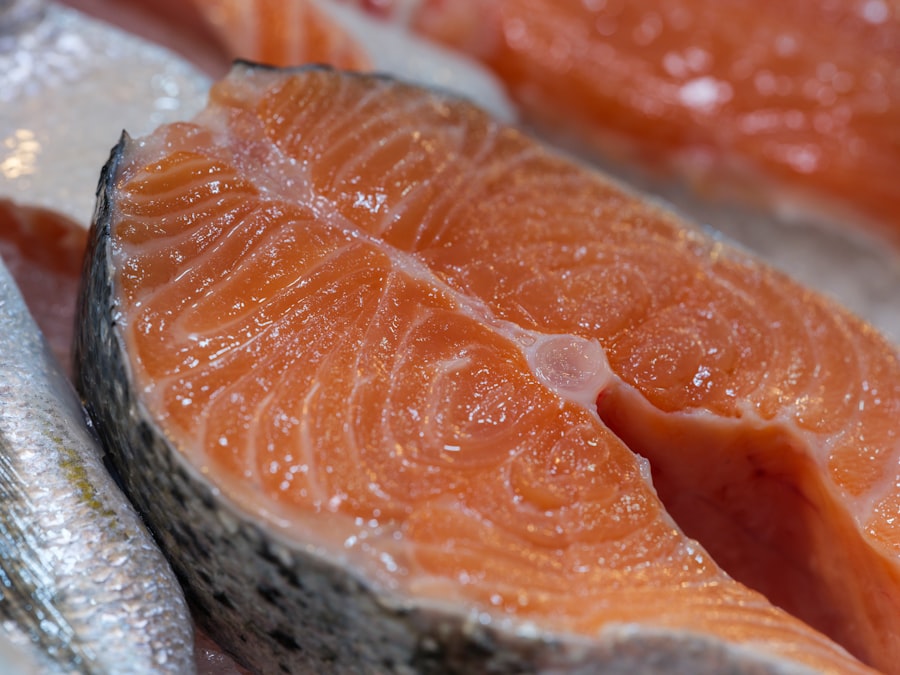
The vibrant color in farm-raised salmon is not an accidental byproduct of their feed; it is a deliberately managed aspect of their diet.
Dietary Additives: The Basis of Color
The most common method for achieving the desired color in farmed salmon is by incorporating carotenoids into their feed. These carotenoids are sourced from natural or synthetic origins and are added to the specially formulated feed pellets given to the fish.
Astaxanthin from Natural Sources
Naturally occurring astaxanthin is often extracted from sources such as yeast (e.g., Phaeodactylum tricornutum) or crustaceans like shrimp. These natural sources are cultivated or harvested, and the astaxanthin is then purified and incorporated into the salmon feed. This approach aligns with consumer interest in naturally derived ingredients.
Yeast-Based Astaxanthin
Certain strains of microalgae and yeasts are capable of producing high concentrations of astaxanthin. These microorganisms are cultivated in controlled environments, often using fermentation processes. Once grown, the astaxanthin is extracted and processed into a form suitable for inclusion in fish feed. This method offers a sustainable and controllable source of the pigment.
Crustacean Meal as a Source
Historically, byproducts from the crustacean processing industry, such as shrimp meal, were used in salmon feed, providing a natural source of astaxanthin. However, concerns about traceability, potential contaminants, and the sustainability of some crustacean fisheries have led to a greater reliance on more controlled cultivation methods for astaxanthin production.
Synthetic Astaxanthin
Synthetic astaxanthin, chemically identical to its natural counterpart, is also widely used in salmon feed. This synthesized version is produced through complex chemical processes. It offers a cost-effective and readily available alternative to naturally derived astaxanthin.
Production of Synthetic Astaxanthin
The synthesis of astaxanthin involves a multi-step chemical reaction using petroleum-based precursors or other chemical building blocks. The resulting product is a powder or crystalline form that is then mixed into the feed. The purity and efficacy of synthetic astaxanthin are closely monitored to ensure it meets industry standards.
Canthaxanthin as a Complementary Additive
In some instances, canthaxanthin, another carotenoid, may be used in conjunction with astaxanthin. Canthaxanthin can enhance the red tones of the salmon flesh, providing a slightly different color profile. Its use is typically regulated, and it is often included in smaller quantities compared to astaxanthin.
Dosage and Levels of Inclusion
The amount of astaxanthin and, if used, canthaxanthin added to the feed is carefully controlled. The goal is to achieve a specific target color intensity that is both desirable to consumers and safe for the fish.
Factors Influencing Dosage
The required dosage depends on several factors, including the age and size of the salmon, the duration of feeding with the supplemented diet, the specific carotenoid used, and the desired color outcome. Nutritional experts and feed formulators work to optimize these levels.
Duration of Feeding
The color development in farmed salmon is not instantaneous. It takes time for the carotenoids in the feed to be absorbed and deposited in the flesh. Salmon are typically fed diets containing astaxanthin for a significant portion of their growth cycle, often for several months, to achieve the desired color saturation.
Scientific and Regulatory Oversight
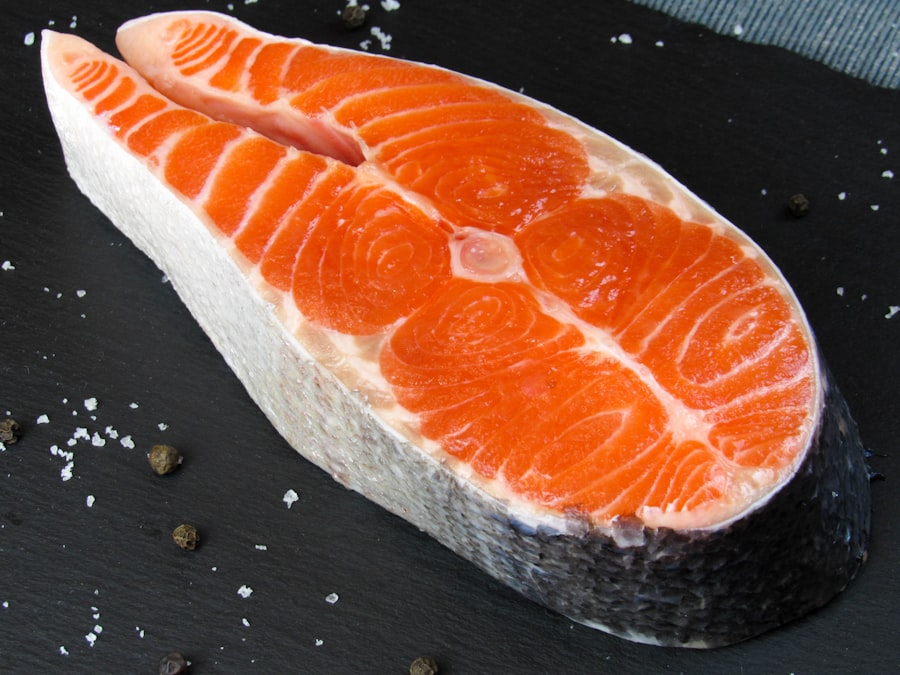
The use of color additives in animal feed, including for salmon, is subject to scientific assessment and regulatory approval.
Safety Assessments and Approvals
Before any additive can be used in feed, it undergoes rigorous safety evaluations. These assessments consider potential toxicity to the animal, as well as residues that might remain in the final food product intended for human consumption.
Role of Regulatory Bodies
Various national and international regulatory bodies oversee the use of feed additives. In the United States, the Food and Drug Administration (FDA) plays a significant role. In Europe, the European Food Safety Authority (EFSA) conducts scientific assessments, and the European Commission grants authorizations. These bodies review scientific data to determine if an additive is safe and effective for its intended use.
Toxicology Studies
Extensive toxicological studies are conducted on potential feed additives. These studies evaluate the potential short-term and long-term effects of the additive on the health of the animal. They also assess potential risks to humans who consume the animal products, looking at levels that might be present in the flesh.
Labeling and Transparency
Information regarding the use of color additives in farmed salmon is often communicated to consumers through various channels. Transparency in food production is increasingly valued by consumers.
Ingredient Disclosure
While not always explicitly stated as “color additive,” the presence of carotenoids like astaxanthin in the feed is generally a known component of farmed salmon production. Ingredient lists on feed bags and information provided by aquaculture companies often detail the composition of the feed, including sources of nutrition and pigmentation.
Consumer Information Initiatives
Many aquaculture organizations and individual producers provide information to consumers about their farming practices. This may include details about the feed used and the methods employed to ensure the quality and appearance of their salmon. Understanding the feed is like understanding the blueprint of a building; it reveals the foundational elements that contribute to the final structure.
Farm-raised salmon often undergoes color enhancement to achieve the vibrant hue that consumers expect, leading to discussions about the use of additives in aquaculture. A related article explores the implications of these color additives on both health and environmental sustainability, shedding light on the practices that shape our seafood industry. For more insights on this topic, you can read the full article here. Understanding these practices is crucial for making informed choices about the seafood we consume.
Addressing Consumer Concerns and Misconceptions
| Color Additive | Type | Purpose | Typical Concentration | Regulatory Status | Effect on Salmon Flesh Color |
|---|---|---|---|---|---|
| Astaxanthin | Carotenoid pigment | Enhance pink/red flesh color | 5-25 mg/kg of feed | Approved by FDA and EFSA | Produces bright pink to reddish-orange flesh |
| Canthaxanthin | Carotenoid pigment | Supplement color enhancement | Up to 10 mg/kg of feed | Approved with limits in some countries | Deepens red-orange flesh tone |
| Beta-Carotene | Carotenoid pigment | Color supplement and antioxidant | Variable, generally low levels | Generally recognized as safe | Contributes to orange hues |
| Natural Astaxanthin (from algae) | Natural carotenoid | Natural color source | 5-20 mg/kg of feed | Approved and preferred for natural labeling | Produces natural pink/red flesh color |
The topic of color additives in farmed salmon can sometimes be a source of confusion or concern for consumers. Addressing these issues with factual information is important.
Distinguishing from Artificial Colors
A common misconception is that the color in farmed salmon is achieved through artificial dyes, similar to those used in candy or some processed foods. This is generally not the case. The primary means of coloration involve carotenoids, which are naturally occurring compounds.
Similarities to Natural Pigments
As discussed, astaxanthin and canthaxanthin are naturally found in many foods, including shrimp, crab, and even some fruits and vegetables. The additives used in salmon feed are either extracted from natural sources or are synthetic versions that are chemically identical to their natural counterparts. This makes them fundamentally different from purely synthetic food dyes.
The Color-Nutrient Relationship
Some people mistakenly believe that a paler color indicates a healthier or more natural salmon. While wild salmon’s color is a direct indicator of their natural diet, the color in farmed salmon, achieved through carotenoids, also contributes to the nutritional profile of the fish.
Antioxidant Properties of Carotenoids
Astaxanthin, in particular, is a potent antioxidant. Its inclusion in the diet not only imparts color but also offers health benefits to the salmon, contributing to their immune function and stress resistance. When consumers eat salmon that has been fed astaxanthin, they are also consuming this beneficial antioxidant. The addition of astaxanthin is, therefore, not solely about aesthetics; it is also about augmenting the fish’s well-being and the nutritional value of the final product.
The “Natural” Debate
The term “natural” can be applied in different contexts. While the pigments themselves are found in nature or are chemically identical to natural compounds, their controlled inclusion in farmed feed is a deliberate process, differentiating it from the entirely wild diet.
Defining “Natural” in Aquaculture
The definition of “natural” in food production can be complex. In the case of farmed salmon, the process is controlled to meet specific standards of quality, safety, and marketability. This managed approach allows for the consistent production of a food product that is subject to scientific oversight and regulation.
The Future of Salmon Coloration
As aquaculture evolves, so too do the methods and considerations surrounding salmon coloration.
Innovations in Feed Formulation
Research continues into developing even more efficient and sustainable methods for providing salmon with their required pigments. This includes exploring new feed ingredients and optimizing the bioavailability of carotenoids.
Bioavailability of Carotenoids
Ensuring that the carotenoids in the feed are effectively absorbed and utilized by the salmon is an ongoing area of research. Factors such as the physical form of the carotenoid, the presence of other nutrients in the feed, and the digestive capabilities of the fish all play a role. Optimizing bioavailability can lead to more efficient color development and potentially lower feed costs.
Sustainability and Environmental Impact
The aquaculture industry is increasingly focused on its environmental footprint. This extends to the sourcing of feed ingredients, including those that provide color.
Sourcing of Raw Materials
The sustainability of the sources for astaxanthin, whether from farmed algae or synthesized chemically, is a key consideration. Producers are evaluating the environmental impact of cultivation methods, energy consumption, and waste generation associated with producing these additives.
Reduced Reliance on Marine Resources
Innovations in feed formulation are also aimed at reducing the reliance on wild-caught fish for feed ingredients. This includes exploring alternative protein and lipid sources that can be produced more sustainably. The pigments used for coloration are an integral part of this broader effort to create a more environmentally responsible aquaculture sector.
Consumer Education and Market Trends
The future will likely see a continued emphasis on educating consumers about aquaculture practices and the science behind their food. As consumer awareness grows, the demand for transparency and sustainable practices will likely influence how farmed salmon is produced and marketed. The narrative surrounding farmed salmon’s color is moving from a simple visual cue to a more nuanced understanding of managed nutrition and responsible food production.
▶️ Your Pantry Is A Lie: 33 Secrets Big Food Is Hiding From You
FAQs
What causes the pink or reddish color in farm-raised salmon?
The pink or reddish color in farm-raised salmon is primarily due to carotenoid pigments, such as astaxanthin and canthaxanthin, which are added to their feed. These pigments mimic the natural coloration found in wild salmon, which obtain them from their diet of krill and other crustaceans.
Are color additives in farm-raised salmon safe for human consumption?
Yes, the color additives used in farm-raised salmon, such as synthetic astaxanthin and canthaxanthin, are approved by food safety authorities like the FDA and EFSA. They are considered safe when used within regulated limits.
Why don’t farm-raised salmon develop their natural color without additives?
Farm-raised salmon are typically fed a controlled diet that lacks the natural sources of carotenoids found in the wild, such as krill and shrimp. Without these pigments in their feed, their flesh would be pale or grayish, so additives are used to achieve the desired pink or red color.
Are there natural alternatives to synthetic color additives in salmon farming?
Yes, some salmon farms use natural sources of carotenoids, such as algae or crustacean meal, to color the fish. These natural additives can provide similar pigmentation without synthetic chemicals, though they may be more expensive.
Does the color of farm-raised salmon affect its nutritional value?
The color additives themselves do not significantly alter the nutritional value of the salmon. However, carotenoids like astaxanthin have antioxidant properties, which may offer some health benefits. The overall nutritional profile depends on the fish’s diet and farming conditions.