The whispers of history, often drowned out by the thunder of grand pronouncements and heroic sagas, contain within them the quiet echoes of countless individual lives. Among these, the stories of fathers lost to the vast, unforgiving maw of World War II represent a particularly poignant and often overlooked chapter. These are not the generals or the decorated heroes whose names grace history books, but the ordinary men who answered the call, leaving behind families and futures irrevocably altered. “The Lost Fathers of World War II: Uncovering Untold Stories” seeks to shine a light on these forgotten figures, to reconstruct their lives from fragmented memories, official records, and the enduring impact they had on the generations that followed. This endeavor is not merely an academic pursuit; it is an act of remembrance, a crucial step in understanding the true human cost of conflict and the enduring legacy of those who never returned.
The Shadow of Absence: A Generation Defined by Loss
The Second World War, a conflagration that engulfed the globe, demanded an unprecedented mobilization of human resources. Millions of men, husbands, fathers, sons, and brothers, were called away from their homes, their livelihoods, and the nascent lives of their children. The absence they left behind was not a void, but a palpable presence, a shadow that shaped families, communities, and the very fabric of post-war society. The stories of these lost fathers are woven into the personal histories of millions, often passed down through hushed tones and tear-filled eyes. They are the men whose photographs sit on mantelpieces, their smiles frozen in time, representing a future that was cruelly snatched away.
The Economic and Emotional Toll on Families
The immediate impact of a father’s absence was often devastating. For many working-class families, the father’s income was the primary source of sustenance. His departure meant not only emotional hardship but also severe economic strain. Wives were forced to take on roles previously considered solely male domains, working in factories, farms, or other essential industries to keep their families afloat. This transition was fraught with challenges, often compounded by the lack of childcare and the immense pressure of raising children alone. The emotional toll was equally profound. Children grew up without a paternal guiding hand, their understanding of fatherhood shaped by absence, by the stories of a man they might never have truly known or only knew as a distant figure in letters and infrequent visits. This absence left an indelible mark, influencing their development, their relationships, and their perception of the world. The economic and emotional resilience required of these families was extraordinary, a testament to their strength in the face of unimaginable adversity. The shared experience of loss, while painful, also fostered a unique sense of community and mutual support among women and children left behind.
The Myth of the Hero and the Reality of the Everyday Man
While the narrative of the war often celebrates heroic deeds and valiant sacrifices, the reality for most families was the loss of an everyday man. These were not larger-than-life figures, but men who went to war because it was their duty, their responsibility. They were fathers who loved their children, husbands who cherished their wives, and men who held dreams for the future. Uncovering their stories means moving beyond the grand narratives of battles and political strategies and delving into the personal, the mundane, and the deeply human. It is about understanding the simple joys they found in their pre-war lives, the hopes they harbored for their children, and the quiet courage they displayed in the face of unimaginable danger. The romanticized image of the soldier often masks the profound personal cost of war, the breaking of families, and the individual tragedies that occurred on a massive scale. These were men who longed for home, who wrote letters filled with longing and hope, and whose ultimate fate was often a source of immense grief for those who waited.
The impact of World War II on families was profound, particularly for those who lost fathers during the conflict. Many children grew up without the guidance and support of their fathers, leading to a generation marked by loss and resilience. To explore this topic further, you can read a related article that delves into the emotional and social ramifications of these losses. For more insights, visit this article.
The Silence of the Archives: Piecing Together Fragments of Lives
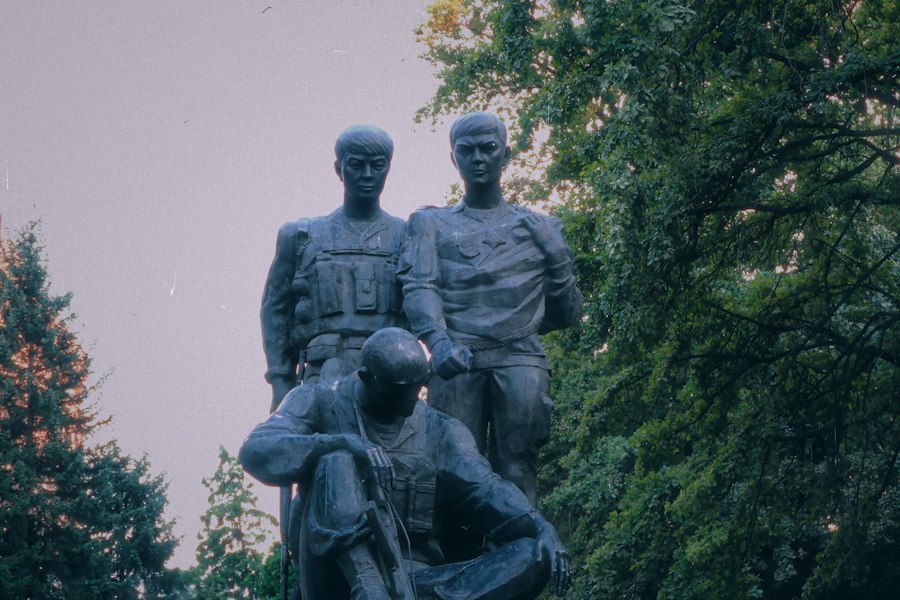
The task of uncovering the stories of lost fathers is often a detective’s work, requiring the patient sifting through official records, personal correspondence, and oral histories. The archives, while invaluable, often present a sterile, impersonal view of these men. Their names are listed in casualty reports, their service records meticulously documented, but the essence of who they were as fathers, as husbands, as individuals, remains largely unspoken. It is in the gaps, the silences, and the subtle clues that the true stories begin to emerge, demanding interpretation and empathy.
Military Records and the Impersonal Ledger
The primary repositories of information about fallen soldiers are military records. These documents provide a factual account of a man’s service: his enlistment date, his rank, his unit, his deployment locations, and ultimately, the circumstances of his death. However, these records, by their very nature, are impersonal. They speak of numbers, of dates, and of official designations, offering little insight into the man behind the uniform. For a child seeking to understand their lost father, these records can be a cold comfort, a testament to his existence but not to his essence. A name on a casualty list is a stark reality, but it doesn’t capture the sound of his laughter, the warmth of his embrace, or the lessons he intended to impart. The challenge lies in humanizing these data points, in finding ways to imbue them with the life and personality that the official record cannot convey.
Letters, Diaries, and the Intimate Glimpses
The most precious fragments of these lost lives are often found in personal correspondence and diaries. Letters written from the front lines, filled with a mixture of duty, longing, and fear, offer a direct window into the hearts and minds of these men. They speak of their thoughts, their worries for their families, their hopes for a post-war reunion, and sometimes, their dawning awareness of their own mortality. Diaries, though rarer, can provide even more intimate insights into their daily routines, their reflections on the war, and their personal struggles. These documents, preserved by families through generations, are invaluable artifacts. They are the threads that connect the present to the past, allowing us to hear the voices of those who have long been silent. Deciphering faded ink, understanding the context of their writing, and piecing together narratives from these personal accounts require a deep sense of respect and a commitment to preserving their legacy.
Oral Histories and the Living Memory
Oral histories, passed down through generations, are another vital source of information. Grandchildren, great-grandchildren, and even great-great-grandchildren often hold cherished memories or have heard stories from parents or grandparents about their lost fathers. These narratives, though prone to the vagaries of memory and the embellishments of storytelling, offer a unique and invaluable perspective. They capture the essence of a personality, the quirks, the habits, the way a father would tell a story, or the particular way he showed his love. These oral accounts are the living memory of these lost fathers, keeping their spirit alive in the hearts and minds of their descendants. The act of collecting these stories, of recording them, and of sharing them is crucial for ensuring that these legacies are not lost to the passage of time. It is about ensuring that the “everyday men” are remembered as individuals, not just as statistics of war.
The Enduring Legacy: How Lost Fathers Shaped Their Descendants
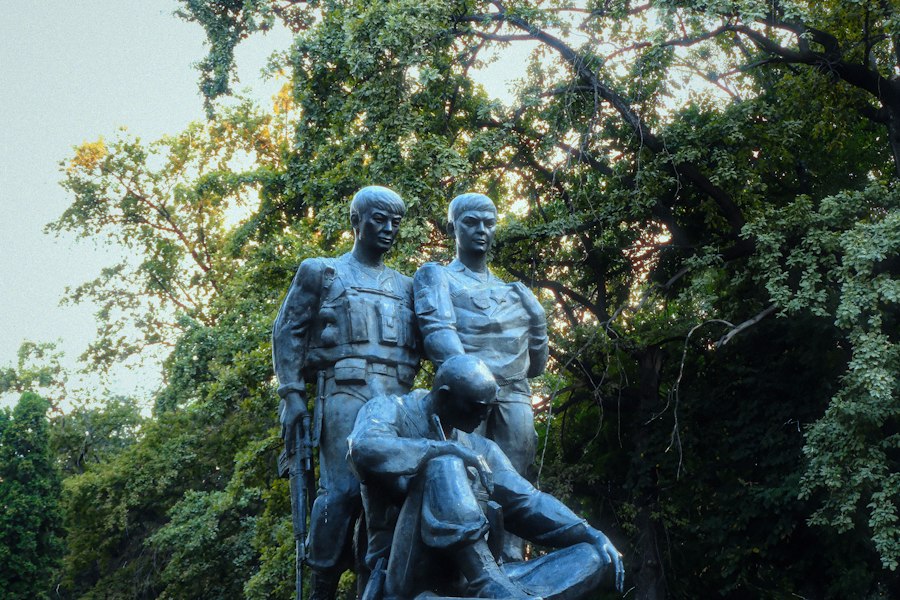
The absence of a father in World War II left an undeniable void, but it also forged a unique kind of strength and resilience in the generations that followed. The stories of these lost fathers, though tinged with sorrow, also speak of enduring love, sacrifice, and the profound impact one life can have, even in its absence. Their legacy is not just in the memories held by their families, but in the values they instilled, the lessons they inadvertently taught, and the very identity of those who came after.
The Reinvention of Family Roles and Matriarchal Strength
The departure of fathers necessitated a radical reinvention of family roles. Mothers became the sole breadwinners and the primary disciplinarians, fostering a profound sense of matriarchal strength. These women, often undervalued in pre-war society, demonstrated an extraordinary capacity for leadership, resourcefulness, and unwavering dedication to their children. Their experiences shaped the next generation’s understanding of gender roles, paving the way for greater opportunities for women in post-war society. The children, particularly sons, often developed a strong sense of responsibility and an early understanding of the burdens their mothers carried. This period of enforced independence and self-reliance forged a generation of resilient individuals who understood the value of hard work and perseverance. The absence of a father figure also meant that mothers often became the primary confidantes and role models, leading to uniquely strong mother-child bonds that often endured throughout their lives.
The Shadow of Duty and the Call to Service
For many sons of lost fathers, the shadow of duty loomed large. Witnessing the sacrifice of their fathers, or growing up with the stories of their wartime service, often instilled a deep sense of patriotism and a commitment to serving their country. While the wars that followed were different, the echoes of World War II and the sacrifices of the “lost fathers” resonated, influencing career choices, a sense of civic responsibility, and a willingness to contribute to the greater good. This wasn’t necessarily a conscious desire to replicate their fathers’ fate, but rather an internalization of the values of sacrifice, duty, and honor that their fathers had embodied. The concept of legacy, of living up to the ideals of those who came before, became a powerful motivator for many. This sense of inherited duty could manifest in various ways, from military service to careers in public service, or simply in a deeply ingrained commitment to community and nation.
The Unfolding Narrative: Intergenerational Memory and Identity
The stories of lost fathers are not static relics of the past; they are living narratives that continue to unfold through intergenerational memory. Grandchildren and great-grandchildren, often learning about their lost patriarchs for the first time, engage in a process of discovery that shapes their own identity. They seek to understand their roots, to connect with a part of their heritage that was lost before they were born. This often involves piecing together fragmented stories, researching military records, and connecting with other family members. The impact of this discovery can be profound, providing a sense of belonging, a deeper understanding of their family’s history, and a renewed appreciation for the sacrifices made. The ongoing process of telling and retelling these stories ensures that the “lost fathers” are not forgotten, and that their impact continues to resonate through the generations. It is a continuous act of remembrance, of weaving their lives into the ongoing tapestry of family history.
Honoring the Unseen: Initiatives and the Future of Remembrance
The growing recognition of the importance of these untold stories has led to various initiatives aimed at preserving and disseminating the legacies of the lost fathers of World War II. These efforts are crucial in ensuring that these individual narratives are not lost to the annals of history, but are instead brought to light and honored for their profound human significance. The future of remembrance lies in continued research, accessible storytelling, and the integration of these personal histories into broader historical understanding.
Digital Archives and Geneological Exploration
The digital age has revolutionized the way we can access and explore historical information. Online databases of military records, digitized letters, and accessible genealogical resources are making it easier than ever for individuals to trace the lives of their lost fathers. These digital archives serve as invaluable tools for researchers and families alike, providing a wealth of information that was once difficult to obtain. Websites dedicated to World War II history, online forums for family history enthusiasts, and the digitization of museum archives are all contributing to a growing repository of knowledge. The accessibility of these resources empowers individuals to take ownership of their family history and to actively participate in the process of remembrance. The ability to connect with distant relatives through online platforms further enriches this process, allowing for the sharing of stories and photographs that might otherwise remain hidden.
Memorialization and Educational Outreach
Beyond the digital realm, various organizations and individuals are working to memorialize the lost fathers and educate future generations about their experiences. This includes the creation of local memorials, the development of educational programs in schools, and the publication of books and documentaries that highlight these untold stories. The goal is to move beyond the abstract concept of war and to connect with the human element, fostering empathy and understanding. Memorials, whether physical or digital, serve as tangible reminders of the sacrifices made, prompting reflection and conversation. Educational outreach, particularly aimed at younger generations, is crucial for ensuring that the lessons of the past are not forgotten. By sharing these personal narratives, educators can help students understand the true cost of conflict and the importance of peace.
The Personal Quest: Keeping the Flame Alive
Ultimately, the most powerful force in keeping the flame of remembrance alive is the personal quest of each descendant. The act of seeking out information, of listening to stories, of cherishing photographs, and of sharing these legacies with others is what breathes life into the memory of these lost fathers. It is a testament to the enduring power of familial bonds and the human need to connect with one’s heritage. Each family that embarks on this journey contributes to a larger tapestry of remembrance, ensuring that the sacrifices of these ordinary men are not only acknowledged but deeply understood and honored. The personal commitment of individuals to uncover and share these stories is the bedrock of any collective effort to remember, transforming the abstract idea of “lost fathers” into a constellation of individual lives, each deserving of remembrance and respect.
The impact of World War II on families was profound, particularly for those who lost fathers during the conflict. Many children grew up without the guidance and support of their fathers, leading to a generation marked by absence and longing. For a deeper understanding of this poignant topic, you can explore the article on the lost fathers of World War II at In the War Room, which delves into the emotional and social ramifications of these losses on families and communities.
A Legacy Etched in Time: The Enduring Resonance of the Lost Fathers
| Country | Estimated Number of Fathers Lost | Percentage of Total Male Population | Impact on Families | Post-War Social Programs |
|---|---|---|---|---|
| Soviet Union | 8,000,000+ | Approximately 14% | Millions of widows and fatherless children; significant demographic imbalance | State pensions for widows, orphanages, and war veteran support programs |
| Germany | 3,000,000+ | About 10% | High number of single-parent households; economic hardship for families | Widow and orphan benefits, rebuilding family support systems |
| United Kingdom | 350,000+ | Approximately 2% | Many children grew up without fathers; increased reliance on social welfare | War widows’ pensions, child welfare programs |
| United States | 400,000+ | About 1% | Loss of family breadwinners; increased government support for families | GI Bill benefits extended to families, Social Security survivor benefits |
| Japan | 2,000,000+ | Approximately 8% | Widespread fatherless families; social and economic challenges | Government pensions for widows, child support programs |
The stories of the lost fathers of World War II are more than just historical footnotes; they are testaments to human resilience, love, and sacrifice. They represent the silent majority of those who served, the men whose absence profoundly shaped the world we inhabit today. To uncover their stories is to engage in an act of profound human connection, to reach back across generations and to honor the lives that, though tragically cut short, continue to resonate within the heart of families and the memory of nations. The undertaking to tell these untold stories is an ongoing one, a vital endeavor in ensuring that the true cost of war, and the enduring strength of the human spirit, are never forgotten. The legacies of these fathers are not confined to dusty archives or faded photographs; they are etched in the resilience of their descendants, in the values they instilled, and in the enduring power of love that transcends even the ultimate separation of death. Their stories, though born of sorrow, ultimately speak of the profound and lasting impact of a life lived, a father’s love, and a sacrifice that continues to echo through time.
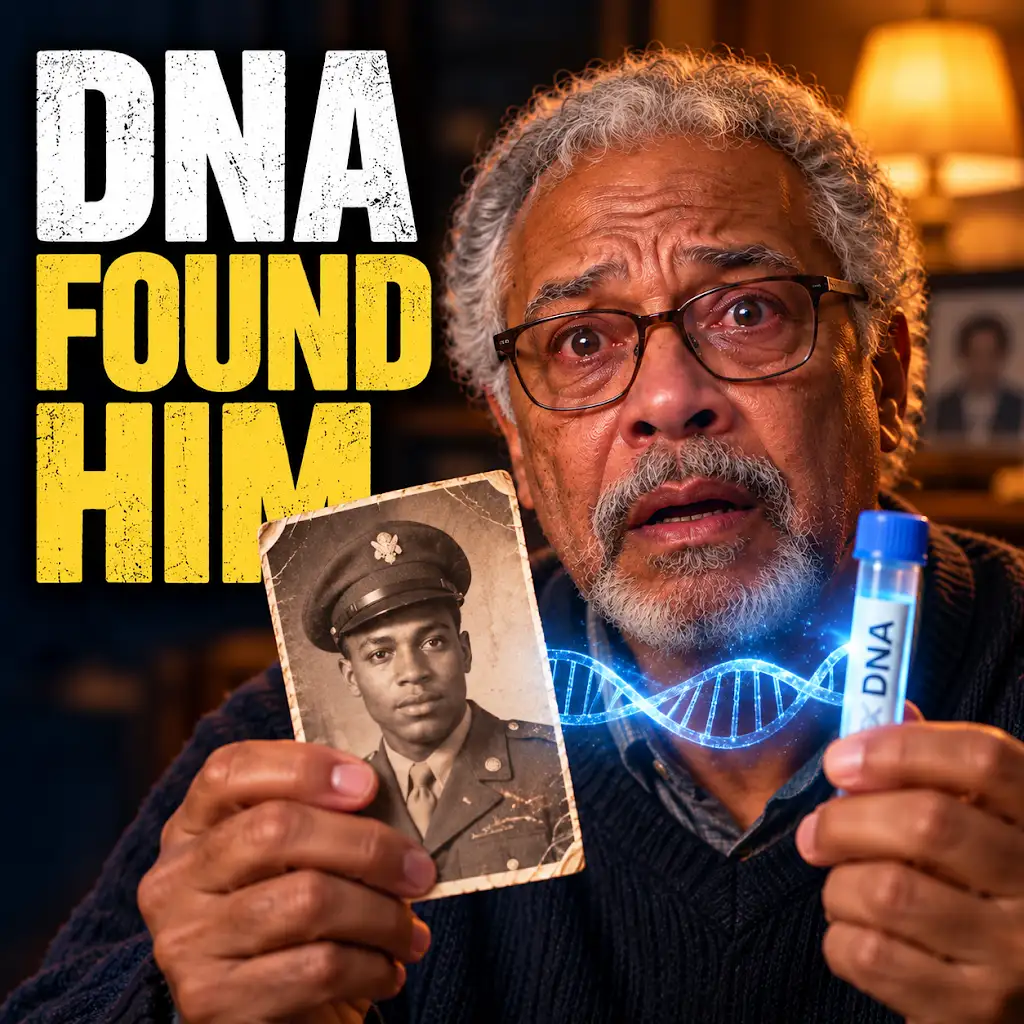
His WWII GI Father Was a Mystery for Nearly 80 Years
FAQs
What is the article “Lost Fathers of World War II” about?
The article “Lost Fathers of World War II” explores the stories of fathers who went missing or were killed during World War II, leaving their families to cope with the loss and uncertainty.
How many fathers were estimated to have gone missing during World War II?
It is estimated that around 78,000 fathers went missing during World War II, leaving behind families who struggled to find closure and support.
What challenges did the families of the lost fathers face after World War II?
The families of the lost fathers faced numerous challenges, including financial hardships, emotional trauma, and the difficulty of not knowing the fate of their loved ones.
Were efforts made to locate the missing fathers after World War II?
Yes, efforts were made to locate the missing fathers after World War II, including searches by military authorities, inquiries by families, and investigations by organizations dedicated to finding missing soldiers.
How has the legacy of the lost fathers of World War II been remembered?
The legacy of the lost fathers of World War II has been remembered through memorials, documentaries, and efforts to honor their sacrifices and the impact of their absence on their families.