A Glimpse into the Depths: The Dawn of the Mammoth Diesel Submarine
The history of naval warfare is a fascinating tapestry woven with threads of innovation, ambition, and the constant pursuit of technological superiority. Among the most intriguing chapters of this history is the development of the diesel submarine, a revolutionary vessel that transformed underwater combat and power projection. While electric submarines eventually came to dominate, the era of the diesel-electric behemoth produced some of the most impressive and formidable underwater craft ever conceived. At the apex of this lineage stands a particular class of submarine that, by sheer scale and capability, earned the title of the largest diesel submarine ever built – a true marvel of engineering that pushed the boundaries of what was thought possible in underwater design and operation. These colossal vessels were not merely larger; they represented a significant leap in strategic reach, operational endurance, and offensive potential, capable of projecting power across vast oceanic expanses. Their construction and deployment were a testament to the ingenuity and ambition of the nations that commissioned them, reflecting a complex geopolitical landscape and a desperate need for deterrents and offensive capabilities in the underwater domain.
The development of these giants was not an overnight phenomenon. It was the culmination of decades of research, development, and practical experience gained from earlier, smaller diesel-electric submarines. The lessons learned from the triumphs and failures of World War I and the interwar period laid the groundwork for the ambitious designs that would emerge in the decades that followed. Naval architects and engineers grappled with fundamental challenges: how to house increasingly powerful diesel engines, generate sufficient electrical power for extended submerged operations, maintain the integrity of a massive hull under immense pressure, and provide habitable conditions for a large crew on extended patrols. The sheer scale of these submarines demanded novel solutions in every aspect of their design and construction. They were not simply scaled-up versions of existing submarines; they represented entirely new paradigms in naval architecture and engineering. The strategic implications of such vessels were also profound, offering the possibility of prolonged, clandestine operations far from home bases, capable of interdicting enemy shipping, conducting reconnaissance, and even posing a significant threat to capital ships.
The Genesis of Giants: Precursors and Design Philosophy
The concept of a submarine, a vessel capable of operating beneath the surface of the water, has a long and varied history, dating back to rudimentary designs in the 17th century. However, it was the advent of diesel engines and electric propulsion that truly revolutionized submarine warfare. The diesel engine, with its superior power output and efficiency compared to steam or early electric motors, provided the essential means for surface propulsion and recharging batteries. Electric motors, in turn, offered silent, efficient propulsion for submerged operations. This symbiotic relationship between diesel and electric power became the cornerstone of submarine design for much of the 20th century. The early submarines, while effective for their time, were limited in range and endurance, particularly when submerged. They were often confined to coastal waters or shorter patrol areas.
The interwar period saw a significant evolution in submarine technology. Nations began to experiment with larger hull designs, improved diesel engines, and more sophisticated battery systems. The goal was to increase both operational range and submerged endurance, allowing submarines to operate more independently and for longer durations. This period also saw the rise of strategic thinking that recognized the potential of submarines not just as defensive weapons but as offensive instruments capable of disrupting enemy supply lines and projecting power across vast distances. The increasing sophistication of naval warfare, particularly the growing threat of carrier-based aviation and surface fleets, necessitated the development of submarines that could operate with greater stealth and for longer periods, making them harder to detect and destroy. The larger submarines of this era were designed with these strategic imperatives in mind, emphasizing speed, range, and the ability to carry a significant offensive payload.
The largest diesel submarine ever built, the INS Arihant, represents a significant advancement in naval technology and strategic defense capabilities. For more insights into modern submarine developments and their implications for global security, you can read a related article on this topic at In The War Room. This article delves into the evolution of submarine warfare and the strategic importance of such vessels in contemporary military operations.
Scaling the Depths: Key Innovations and Engineering Challenges
The sheer scale of the largest diesel submarines presented a unique set of engineering challenges. The most obvious was the requirement for a robust and immense hull capable of withstanding the immense pressures of deep-sea operations. These were not simple cylinders; they often featured complex double-hull designs, with an inner pressure hull designed to withstand depth and an outer hull providing hydrodynamic streamlining and housing ballast tanks. The construction of these massive pressure hulls required advanced welding techniques and the use of high-strength steel alloys. The stresses and strains on such a large structure, especially during dives and ascents, were immense, and the slightest flaw could have catastrophic consequences.
The propulsion systems of these giants were equally impressive. They typically featured multiple powerful diesel engines to provide ample power for surface transit and battery charging. The sheer size of these engines required significant internal space and sophisticated ventilation systems. For submerged operations, large battery banks were essential, capable of storing enough energy to power the electric motors for extended periods. The management of these batteries, including their charging and discharging cycles, was a critical aspect of operational
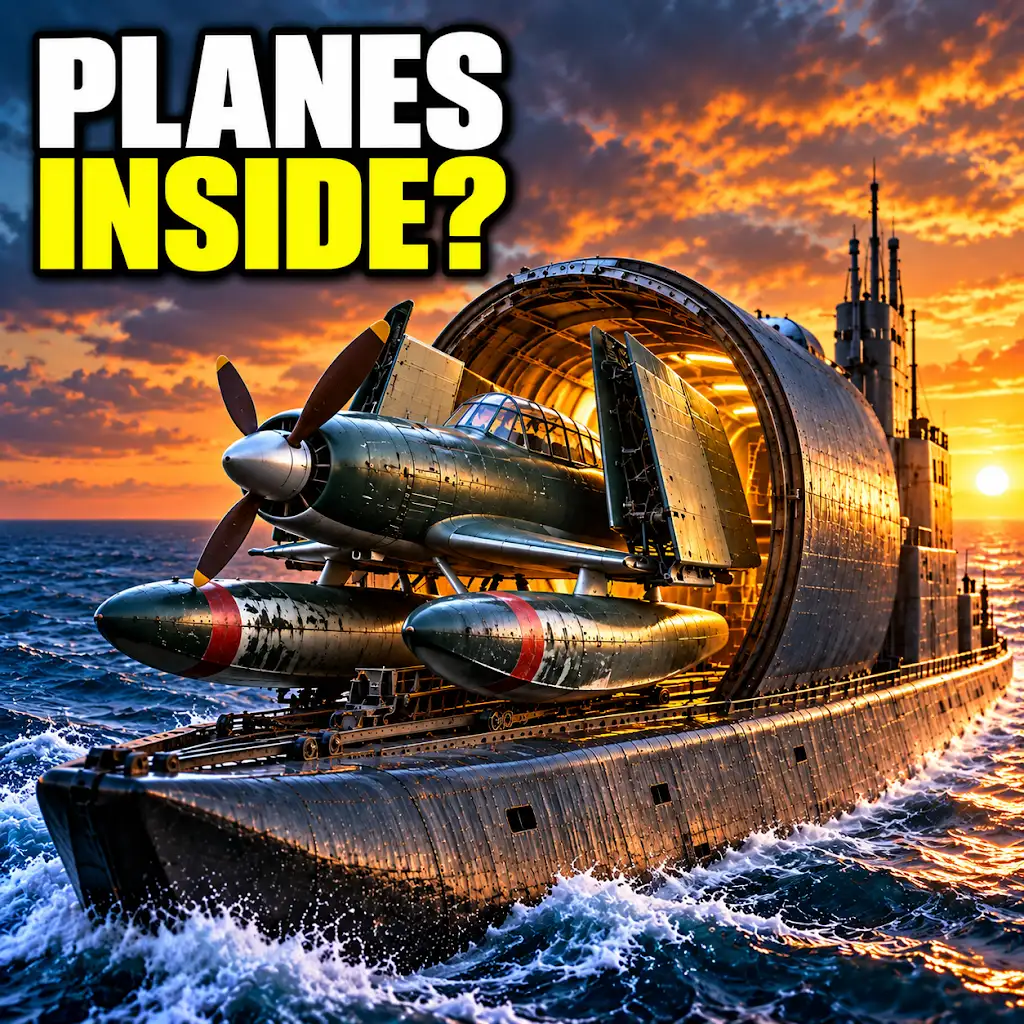
Japan Built a Submarine That Could Launch Three Planes
FAQs
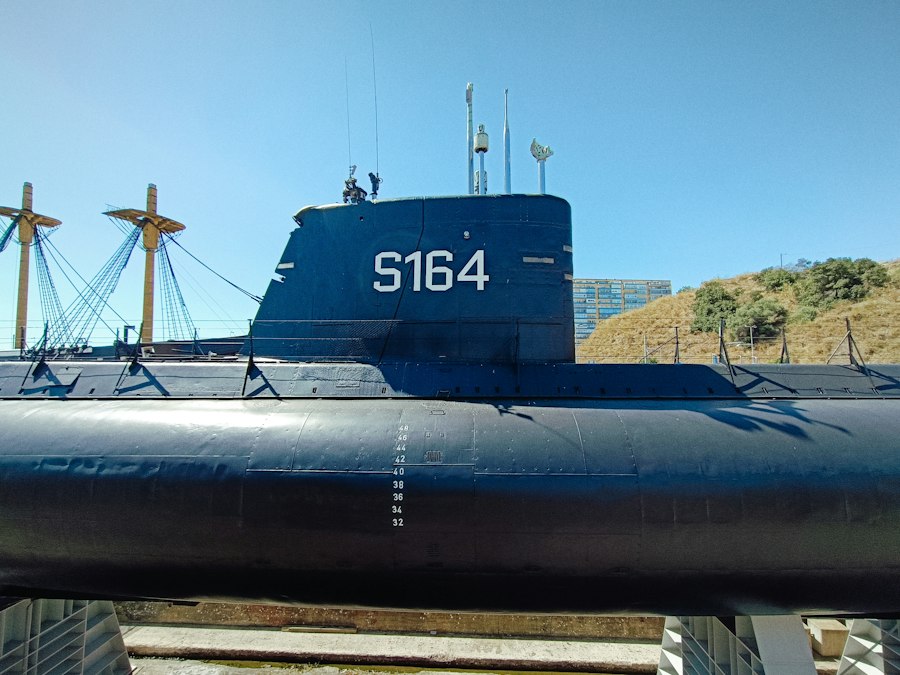
What is the largest diesel submarine ever built?
The largest diesel submarine ever built is the Soviet/Russian Typhoon-class submarine.
When was the Typhoon-class submarine built?
The Typhoon-class submarine was built during the Cold War era in the 1980s by the Soviet Union.
How big is the Typhoon-class submarine?
The Typhoon-class submarine is approximately 175 meters (574 feet) long and has a submerged displacement of around 48,000 tons.
What was the primary purpose of the Typhoon-class submarine?
The primary purpose of the Typhoon-class submarine was to serve as a strategic ballistic missile submarine capable of carrying nuclear missiles.
How many Typhoon-class submarines were built?
A total of six Typhoon-class submarines were built by the Soviet Union/Russia, with only one remaining in active service as of today.