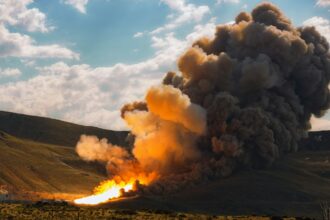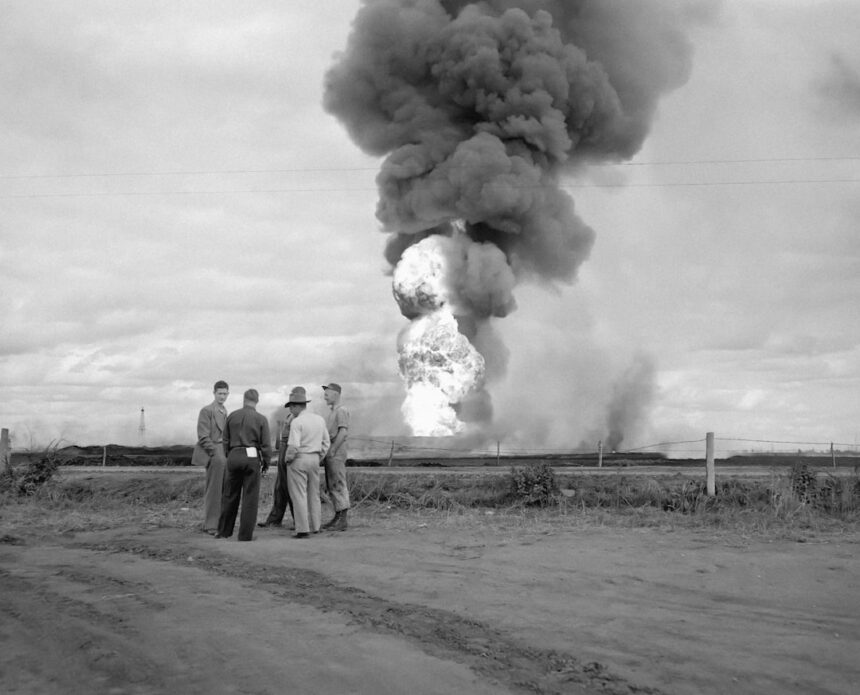
The history of nuclear missile maintenance is a story fraught with inherent dangers, a testament to the immense power contained within these weapons and the delicate procedures required to keep them ready for use. While the specter of nuclear war has often dominated discussions, the less visible, but equally critical, realm of maintenance has seen its own share of alarming incidents. These accidents, though rarely resulting in a catastrophic nuclear detonation, underscore the profound risks associated with handling and servicing nuclear-armed missiles, highlighting the constant vigilance and stringent protocols necessary to prevent disaster.
The initial development and deployment of nuclear missiles in the mid-20th century represented a monumental leap in military technology. However, this rapid advancement also meant that the practicalities of maintaining these complex systems were, at times, outpaced by the theoretical designs. Early nuclear weapons were less integrated and sophisticated than their modern counterparts, often requiring more manual intervention and a greater reliance on human expertise for their upkeep. This inherent complexity, combined with the novel nature of nuclear materials and systems, laid the groundwork for potential mishaps.
The Evolution of Missile Systems
The transition from early, cumbersome nuclear bombs to more sophisticated, self-contained ballistic missiles introduced new sets of maintenance challenges. While earlier bombs might have been stored in secure facilities and only deployed for specific missions, ballistic missiles required constant readiness, meaning their internal components, including the nuclear warheads, were subject to ongoing inspection and servicing. This constant access, while necessary for deterrence, increased the potential for human error and exposure to hazardous materials.
Early ICBM Designs and Their Vulnerabilities
The Intercontinental Ballistic Missiles (ICBMs) that formed the backbone of nuclear arsenals in the Cold War era were marvels of engineering for their time. However, their design, often driven by the urgency of the arms race, sometimes prioritized functionality and speed of deployment over ease of maintenance or inherent safety features. Accessing critical components, such as the fissile material within warheads, could be a delicate and time-consuming process, requiring specialized tools and environments.
The Role of Early Nuclear Materials
The handling of early nuclear materials, like enriched uranium and plutonium, presented significant radiological hazards. While the understanding of radiation safety has evolved dramatically, early protocols and protective equipment may not have been as robust as those employed today. This meant that maintenance personnel, even in routine operations, faced a higher degree of risk from potential exposure.
The history of nuclear missile maintenance accidents is a critical topic that underscores the importance of stringent safety protocols in military operations. For a comprehensive overview of past incidents and their implications on national security, you can refer to the article available at In the War Room. This resource delves into various mishaps, providing insights into how they have shaped current policies and practices in nuclear weapon maintenance.
Incidents Involving Accidental Explosions and Fires
While the ultimate nuclear detonation has been thankfully avoided, there have been numerous instances of accidents involving conventional explosives within nuclear weapons or fires that threatened the integrity of the nuclear material itself. These events, though not leading to a nuclear chain reaction, have still resulted in significant damage, environmental contamination, and, in some tragic cases, loss of life.
The Dangers of Conventional Explosives
Nuclear warheads are equipped with conventional high explosives designed to initiate the nuclear fission or fusion process. The maintenance of these explosive components, while crucial for the weapon’s function, carries inherent risks. Mishandling, improper storage, or accidental detonation of these explosives can cause substantial damage to the missile and its surrounding environment.
The Palomares Incident (1966)
Perhaps one of the most well-known incidents occurred on January 17, 1966, when a B-52 bomber carrying four nuclear weapons collided with a KC-135 refueling aircraft over Palomares, Spain. While the nuclear weapons themselves did not detonate, the conventional explosives in two of the warheads detonated upon impact with the ground. This resulted in the dispersal of highly radioactive plutonium across the landscape, necessitating a massive and costly cleanup operation. The incident highlighted the dangers of transporting nuclear weapons and the potential for catastrophic contamination even without a nuclear explosion.
The Thule Air Base Incident (1968)
Another significant event occurred on January 21, 1968, at Thule Air Base in Greenland. A B-52 bomber carrying six nuclear weapons crashed, leading to the detonation of the conventional explosives in one of the warheads. This dispersed radioactive debris over the ice, and a subsequent fire further spread contamination. While a full nuclear detonation was averted, the incident resulted in the loss of the aircraft, significant environmental contamination, and raised serious questions about the safety of nuclear weapon storage and transport in vulnerable Arctic environments.
Fires and Their Threat to Nuclear Materials
Fires in proximity to nuclear warheads pose a unique and terrifying threat. While the nuclear material itself is difficult to ignite, the conventional explosives and other components within the warhead can burn, potentially leading to fragmentation and dispersal of radioactive material. Moreover, extreme heat can damage the warhead’s casing and internal mechanisms, raising concerns about its stability and readiness.
The Goldsboro Incident (1961)
Although less widely publicized than Palomares or Thule, the 1961 Goldsboro incident involved a B-52 bomber that broke apart in mid-air over North Carolina, dropping two Mark 39 nuclear bombs. While both bombs were recovered, one had its parachute deploy, and the other plummeted to the ground. Reports suggest that the impact forces and subsequent fire almost triggered a nuclear detonation, with safety mechanisms failing in one instance. The incident underscored the precariousness of nuclear weapon safety in the event of severe accidents.
The Challenge of Maintaining Nuclear Integrity

Maintaining the nuclear material within warheads requires specialized expertise and adherence to incredibly strict protocols. The fissile materials themselves are inherently dangerous, and any degradation or contamination can pose significant risks, not only during maintenance but also over the long lifespan of the weapon.
Handling and Storage of Fissile Materials
The core of a nuclear weapon contains fissile materials like plutonium or enriched uranium. These materials are radioactive and toxic, requiring meticulous handling procedures to prevent contamination and exposure. The long-term storage of these materials within deployed missiles also presents a challenge, as degradation over time, while unlikely to cause a nuclear yield, could compromise the weapon’s reliability or introduce safety concerns.
The Importance of Containment
Effective containment of fissile materials is paramount. Nuclear warheads are designed with multiple layers of containment to prevent the release of radioactive particles. Maintenance procedures must ensure these containment systems remain intact and are not compromised during inspections or component replacements. Any breach in containment, even a small one, can have serious radiological consequences.
Degradation and Shelf-Life Concerns
While nuclear weapons are built to last, the fissile materials and other components within them are not immune to the effects of time and environmental factors. Degradation can occur, potentially affecting the weapon’s performance or safety. Regular inspections and, at times, refurbishment or replacement of components become necessary to ensure the warhead’s continued integrity and operational readiness.
Human Error and Procedural Lapses

Despite the advanced technology and stringent protocols, human error remains a significant factor in any complex operation, and nuclear missile maintenance is no exception. From misinterpretation of schematics to accidental activation of safety features, human fallibility can introduce risks that are difficult to completely eliminate.
The Role of Training and Qualification
The highly specialized nature of nuclear missile maintenance demands exceptionally well-trained and qualified personnel. Inadequate training, fatigue, or lack of adherence to established procedures can have severe consequences. The psychological pressure of working with such potent weapons also plays a role, demanding a calm and methodical approach.
Fatigue and Stress in High-Stakes Environments
The demanding nature of military operations, coupled with the constant threat of global conflict during the Cold War, often placed personnel in environments of high stress and fatigue. These factors can impair judgment and increase the likelihood of errors during critical maintenance tasks. The sheer responsibility of maintaining nuclear weapons can also weigh heavily on individuals.
Communication Breakdowns and Misinterpretations
Effective communication is vital in any technical field, but it is critically important when dealing with nuclear weapons. Misunderstandings, incomplete information, or failures in reporting can lead to dangerous situations. The complex language of technical manuals and the potential for misinterpreting instructions can contribute to accidents.
The history of nuclear missile maintenance accidents is a critical topic that highlights the importance of safety protocols in military operations. A related article that delves deeper into this subject can be found at this link, where various incidents are examined to understand the implications of such events on national security. By studying these occurrences, we can better appreciate the complexities involved in maintaining nuclear arsenals and the potential risks associated with human error and technical failures.
Safety Improvements and Evolving Protocols
| Year | Country | Incident Description | Number of Missiles Involved | Casualties | Outcome |
|---|---|---|---|---|---|
| 1980 | United States | Accidental launch of a Titan II missile during maintenance in Arkansas | 1 | 1 fatality | Missile exploded in silo, extensive damage |
| 1996 | Russia | Fire during maintenance at a missile base in Plesetsk | 2 | 3 injuries | Damage to missile silos, no nuclear detonation |
| 2007 | United States | Accidental drop of a nuclear warhead during maintenance in Louisiana | 1 | 0 | Warhead damaged, no nuclear detonation |
| 2014 | United Kingdom | Hydraulic leak during Trident missile maintenance | 1 | 0 | Maintenance delayed, no damage |
| 2016 | India | Fire in missile storage facility during routine checks | 3 | 2 injuries | Missiles secured, no nuclear release |
The history of nuclear missile maintenance accidents, while concerning, has also served as a powerful catalyst for continuous improvement in safety protocols and technologies. Each incident, no matter how minor, has led to a re-evaluation of procedures, the implementation of new safeguards, and a deeper understanding of the risks involved.
Technological Advancements in Safety Features
Over the decades, nuclear weapons have incorporated increasingly sophisticated safety features designed to prevent accidental detonation. These include Permissive Action Links (PALs), which require a unique code to arm the weapon, and insensitive high explosives (IHEs) that are less prone to accidental detonation. These technological advancements have significantly reduced the risk of unintended nuclear yield.
Permissive Action Links (PALs) and Their Impact
PALs are electronic locks that prevent unauthorized arming and firing of nuclear weapons. The development and implementation of PALs have been a crucial step in enhancing nuclear safety, adding an essential layer of human intervention and authentication before a weapon can be made ready for launch.
Insensitive High Explosives (IHEs) and Their Role
The transition to insensitive high explosives has been another major safety improvement. IHEs are designed to be more stable and less likely to detonate in the event of fire, impact, or shock, thus reducing the risk of conventional explosive detonation within a warhead.
Evolution of Maintenance Procedures and Oversight
Following significant accidents, military organizations have consistently reviewed and revised their maintenance procedures. This includes enhanced inspection protocols, stricter quality control measures, and more rigorous oversight of personnel and operations. The emphasis has shifted towards a more proactive approach to identifying and mitigating potential risks.
The Impact of Near-Misses on Policy
Near-misses, while not resulting in disaster, have often served as critical learning opportunities, prompting thorough investigations and leading to policy changes. The lessons learned from these incidents have been invaluable in shaping the safety culture surrounding nuclear weapon maintenance.
Continuous Training and Education
The commitment to continuous training and education for maintenance personnel has remained a cornerstone of nuclear weapon safety. This ensures that individuals are not only proficient in their technical skills but are also fully aware of the risks and adhere to the highest standards of safety and security. The history of nuclear missile maintenance accidents, while a somber subject, ultimately underscores the resilience of human ingenuity and the unceasing pursuit of safety in the face of unprecedented power. The lessons learned from past incidents continue to inform and refine the protocols that safeguard against the catastrophic potential of these weapons.

How a Dropped Socket Destroyed a Titan II Missile
FAQs
What is the history of nuclear missile maintenance accidents?
Nuclear missile maintenance accidents have occurred sporadically over the years, with incidents ranging from minor mishaps to more serious accidents.
How common are nuclear missile maintenance accidents?
While nuclear missile maintenance accidents are relatively rare, they do happen from time to time due to the complex nature of maintaining and operating these weapons.
What are some examples of nuclear missile maintenance accidents?
Examples of nuclear missile maintenance accidents include incidents such as mishandling of nuclear materials, equipment failures during maintenance procedures, and human errors leading to potential safety risks.
What are the consequences of nuclear missile maintenance accidents?
The consequences of nuclear missile maintenance accidents can vary depending on the severity of the incident, but they can potentially lead to radioactive contamination, environmental damage, and risks to personnel involved in the maintenance process.
How are nuclear missile maintenance accidents prevented?
To prevent nuclear missile maintenance accidents, strict safety protocols, regular training for personnel, thorough inspections of equipment, and adherence to established procedures are crucial in ensuring the safe handling and maintenance of nuclear weapons.