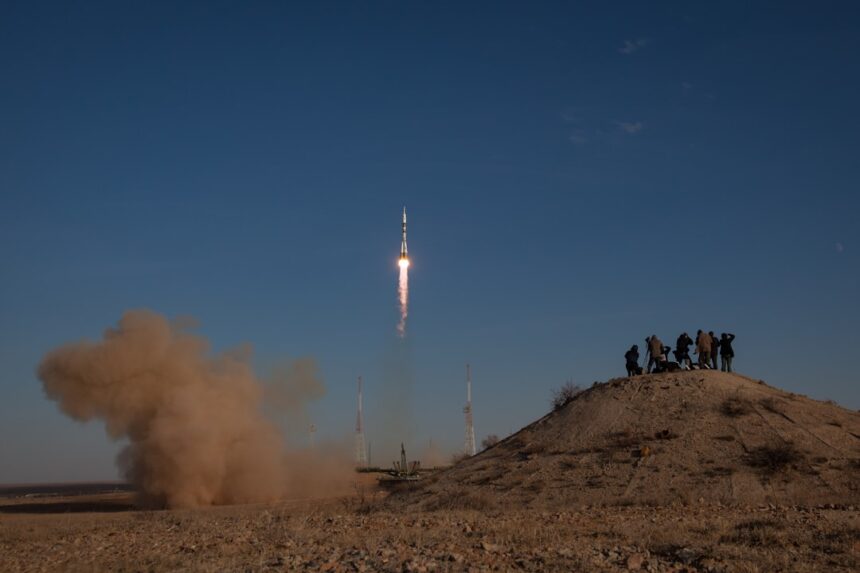
The Titan II missile, a titan of the Cold War, was a crucial element of the United States’ nuclear deterrent strategy for decades. While the missile itself was a formidable weapon, its true destructive potential lay in the warheads it carried. Among these, the W-53 nuclear warhead stands out as the most powerful ever deployed on an American intercontinental ballistic missile (ICBM). This article will delve into the history, technical specifications, deployment, and ultimate retirement of the Titan II missile and its awe-inspiring W-53 nuclear warhead.
The development of the Titan II missile was a direct response to the escalating arms race with the Soviet Union during the late 1950s and early 1960s. The United States recognized the need for a more robust and capable ICBM system than the earlier Atlas and Titan I programs. The Titan II was designed to be a significant upgrade, featuring a two-stage, liquid-fueled rocket engine capable of delivering a heavier payload over greater distances.
Early Cold War Fears and the Need for Escalation
The dawn of the nuclear age brought with it unprecedented anxieties. The Soviet Union’s successful launch of Sputnik in 1957 fueled fears of a “missile gap” and the perceived Soviet advantage in rocket technology. This spurred intense investment in American missile development. The Titan program, initiated earlier, was accelerated and refined. The Titan II was conceived as a second-generation ICBM, intended to overcome the limitations of its predecessors, such as their reliance on liquid oxygen, which required extensive fueling operations and made them vulnerable.
Technological Advancements in Rocketry
The Titan II represented a significant leap forward in rocket propulsion. It utilized hypergolic propellants – fuels that ignite spontaneously upon contact, eliminating the need for complex ignition systems and reducing launch preparation times. This made the Titan II a more responsive and reliable weapon system. The missile’s two stages provided the necessary thrust and duration to propel its heavy warhead to its target. The sophisticated guidance systems of the Titan II also contributed to its accuracy, a critical factor for effective deterrence.
The Titan Family Tree: Evolution from Titan I
The Titan II did not emerge in a vacuum. It built upon the foundational engineering and operational experience gained from the Titan I program. While Titan I was a capable missile, it suffered from a critical vulnerability: its launch sites were above ground, making them relatively easy targets for enemy attacks. Titan II’s underground silos offered a much-improved survivability, a key requirement for a credible nuclear deterrent. This evolution reflected a maturing understanding of strategic warfare and the importance of hardening launch infrastructure.
The Titan II missile, which was a key component of the United States’ Cold War nuclear arsenal, was equipped with the powerful W-53 nuclear warhead. This warhead, known for its significant yield, played a crucial role in the deterrence strategy of the era. For more in-depth information on the Titan II missile and its implications during the Cold War, you can read a related article at this link.
The W-53: A Pinnacle of Destructive Power
The W-53 nuclear warhead was the crown jewel of the Titan II program. It was the most powerful thermonuclear weapon ever fitted to an American ICBM, designed to deliver an unparalleled level of destruction. Its sheer yield made it a weapon of last resort, capable of devastating entire cities and significantly impacting strategic objectives.
Unveiling the Beast: Design and Yield
The W-53 was a two-stage thermonuclear device. Its primary stage, a fission device, would detonate and compress a secondary stage containing fusion fuel (deuterium and tritium). The intense heat and pressure from the fission explosion would then initiate the fusion reaction, releasing an enormous amount of energy. The estimated yield of the W-53 warhead was a staggering 9 megatons of TNT equivalent. To put this into perspective, this single warhead possessed more destructive power than all the bombs dropped during World War II combined.
The Physics of Fury: Fusion and Fission
Understanding the physics behind the W-53’s immense power requires an appreciation for both fission and fusion processes. Fission involves the splitting of heavy atomic nuclei, such as uranium or plutonium, releasing energy. Fusion, on the other hand, involves the combining of light atomic nuclei, such as isotopes of hydrogen, to form heavier nuclei, releasing even more energy. The W-53 ingeniously utilized the destructive power of fission to trigger the far more potent fusion reaction, creating a cascade of energy release.
Engineering Challenges and Innovations
Designing and building a weapon of the W-53’s magnitude presented immense engineering challenges. Maintaining the stability of the fissile materials, ensuring the precise timing of the detonation sequence, and designing a casing capable of withstanding the immense forces involved were all critical. The development of advanced materials and sophisticated computational modeling played a vital role in overcoming these hurdles. The sheer engineering prowess required to bring such a weapon into existence is a testament to the scientific and technical capabilities of the era.
Beyond Brute Force: Accuracy and Delivery
While the W-53 was primarily defined by its immense yield, its effectiveness was also dependent on its delivery system. The Titan II missile, with its advanced guidance systems, was designed to accurately place the W-53 on its target, minimizing collateral damage to friendly forces and maximizing the impact on the intended objective. The combination of a high-yield warhead and a relatively accurate delivery system made the Titan II/W-53 combination a truly fearsome strategic asset.
Deployment and the Cold War Landscape
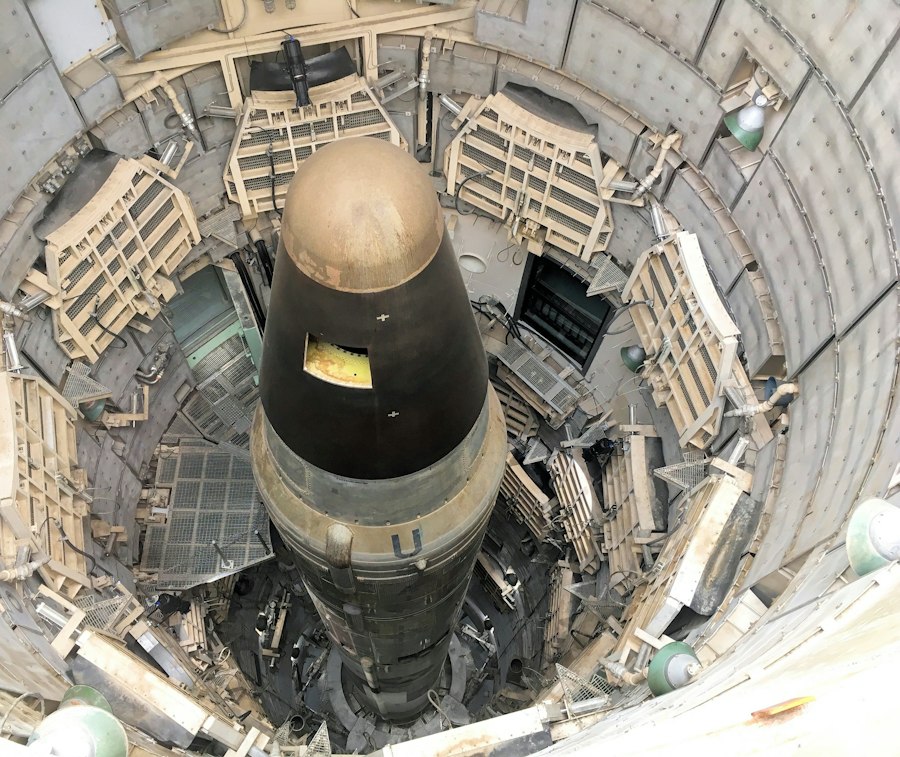
The Titan II missiles, armed with their devastating W-53 warheads, were strategically dispersed across the United States, forming a vital leg of the nuclear triad alongside land-based ICBMs, submarine-launched ballistic missiles (SLBMs), and strategic bombers. Their deployment was a crucial component of America’s strategy of Mutually Assured Destruction (MAD).
The Strategic Silo Network
The Titan II missiles were housed in hardened underground silos, scattered across several states, including Arkansas, Arizona, and Kansas. These silos were designed to withstand the initial blast and fallout from a nuclear attack, ensuring the survivability of a significant portion of the American nuclear arsenal. Each silo was a self-contained launch facility, equipped with the necessary infrastructure to maintain the missile and its warhead in a ready-to-launch state.
The Nuclear Triad: Deterrence Through Diversity
The Titan II and its W-53 warhead were an integral part of the US nuclear triad. This strategy aimed to provide multiple, redundant ways to retaliate against a nuclear attack, making it virtually impossible for an adversary to disarm the United States in a first strike. The triad comprised:
- ICBMs: The Titan II was a key component of this land-based leg, offering rapid response capabilities.
- SLBMs: Submarines armed with nuclear missiles offered a highly survivable and stealthy deterrent.
- Strategic Bombers: Aircraft carrying nuclear weapons provided flexibility and the ability to strike targets that might be beyond the reach of missiles.
The Shadow of MAD: Mutually Assured Destruction
The deployment of weapons like the Titan II with the W-53 warhead was a cornerstone of the doctrine of Mutually Assured Destruction (MAD). The understanding that any nuclear attack would inevitably lead to devastating retaliation from the other side served as a powerful deterrent against initiating such a conflict. The sheer destructive power of the W-53, in particular, underscored the catastrophic consequences of a nuclear war, making its use unthinkable.
Operational Readiness and Constant Vigilance
The Titan II missile sites were manned 24/7 by highly trained personnel. These crews were responsible for maintaining the missiles, monitoring for any signs of attack, and being prepared to launch on command. The operational readiness of these sites was paramount, as a delay in response could have catastrophic implications. The constant vigilance and dedication of these individuals played a silent but critical role in maintaining global stability during the Cold War.
The Titan II’s Decline and the W-53’s Retirement
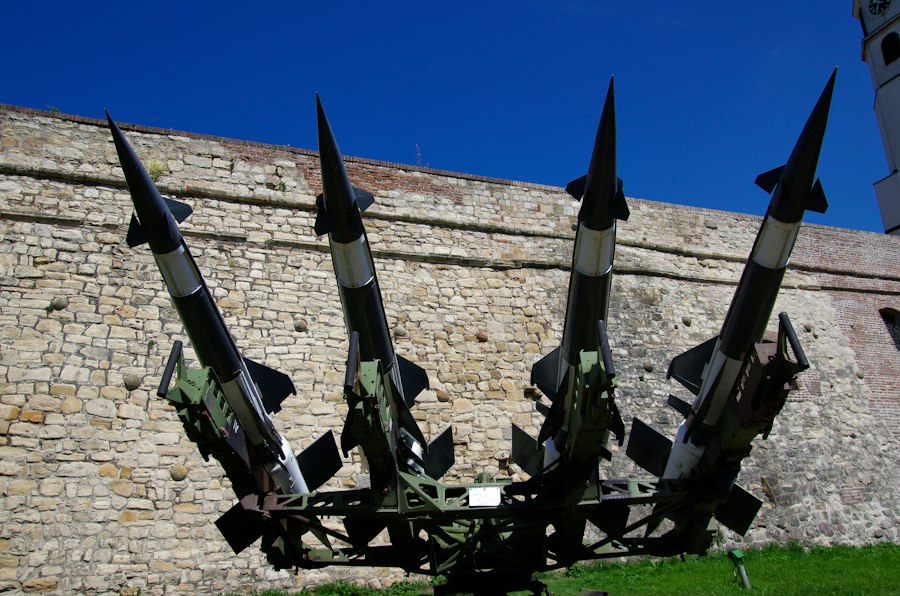
Despite its formidable capabilities, the Titan II program and its W-53 warhead eventually faced obsolescence. As technology advanced and new strategic imperatives emerged, the need for these aging systems diminished.
Aging Infrastructure and Evolving Threats
By the 1970s and 1980s, the Titan II missile system, while still potent, was beginning to show its age. The infrastructure was becoming increasingly expensive to maintain, and the development of newer, more advanced ICBMs with solid-fuel technology offered greater flexibility and survivability. Furthermore, the strategic landscape was shifting, and the emphasis began to move towards more diversified and responsive nuclear forces.
The MX Missile and the Shift in Strategy
The development of the MX missile (which later became the Peacekeeper) represented a significant shift in American ICBM strategy. The MX was designed to be a more mobile and survivable missile, capable of carrying multiple warheads (MIRVs). This focus on mobility and multiple warheads rendered the larger, single-warhead Titan II system less strategically advantageous. The MX program signaled the eventual phasing out of the Titan II.
Accidents and Safety Concerns
The Titan II program was not without its incidents. Several accidents, including a tragic explosion at a Titan II missile silo in Damascus, Arkansas, in 1980, highlighted the inherent risks associated with handling such powerful and volatile weaponry. While these accidents were devastating, they also led to increased scrutiny and improvements in safety protocols. However, they also contributed to a growing awareness of the dangers and the desire to retire older, potentially less safe systems.
The Final Countdown: Deactivation and Dismantlement
The process of deactivating and dismantling the Titan II missile system began in earnest in the late 1970s and continued through the 1980s. As each silo was emptied and decommissioned, a tangible symbol of the Cold War receded. The W-53 warheads were carefully removed, transported to secure facilities, and eventually dismantled, their components safely stored or repurposed.
The Titan II missile, equipped with the powerful W-53 nuclear warhead, played a significant role during the Cold War as a key component of the United States’ nuclear deterrent strategy. For those interested in exploring more about the historical context and implications of such weaponry, a related article can be found at In the War Room, which delves into the intricacies of missile technology and its impact on global security. Understanding the evolution of these systems provides valuable insights into the ongoing discussions surrounding nuclear arms control and military strategy.
The Legacy of Power: Remembering the Titan II and W-53
| Attribute | Details |
|---|---|
| Warhead Name | W-53 |
| Missile | Titan II |
| Type | Thermonuclear |
| Yield | 9 megatons (Mt) TNT equivalent |
| Weight | Approximately 4,000 pounds (1,814 kg) |
| Length | Approximately 5.5 feet (1.68 meters) |
| Diameter | Approximately 2.5 feet (0.76 meters) |
| Deployment Period | 1963 to 1987 |
| Delivery System | Intercontinental Ballistic Missile (ICBM) |
| Manufacturer | Los Alamos National Laboratory |
The Titan II missile and its W-53 nuclear warhead represent a pivotal chapter in human history, a testament to both technological prowess and the terrifying potential of nuclear weapons. Their story is a reminder of the precarious balance of power that defined the Cold War.
A Symbol of the Cold War’s Arms Race
The Titan II and W-53 were potent symbols of the intense arms race between the United States and the Soviet Union. Their existence, and the constant readiness to use them, shaped international relations for decades, casting a long shadow of fear and uncertainty over the globe. The sheer scale of destruction they represented served as a grim reminder of what was at stake.
Technological Marvels and Ethical Dilemmas
The development of the W-53, in particular, represents an incredible feat of scientific and engineering achievement. The ability to harness the power of nuclear fusion on such a scale was groundbreaking. However, this technological marvel was inextricably linked to profound ethical dilemmas. The weapon’s immense destructive power raised fundamental questions about the morality of nuclear warfare and the responsibility of possessing such a capability.
Lessons for the Future: Proliferation and Disarmament
The history of the Titan II and W-53 offers valuable lessons for the present and future. The ease with which such powerful weapons were developed and deployed highlights the ongoing challenges of nuclear proliferation. Conversely, the eventual retirement of these systems underscores the importance of arms control and disarmament efforts. The memory of these weapons serves as a potent argument for continued vigilance and the pursuit of a world free from nuclear threats.
Preserving the Past, Informing the Future
While the physical presence of the Titan II missiles and W-53 warheads has largely vanished, their story remains. Museums and historical archives preserve artifacts and information, allowing future generations to understand the context and consequences of these powerful weapons. By studying the history of the Titan II and W-53, we can gain a deeper appreciation for the dangers of nuclear weapons and the ongoing need for peace and international cooperation. The Titan II, a titan of its time, and its terrifying companion, the W-53, serve as an indelible reminder of humanity’s capacity for both incredible invention and unimaginable destruction.
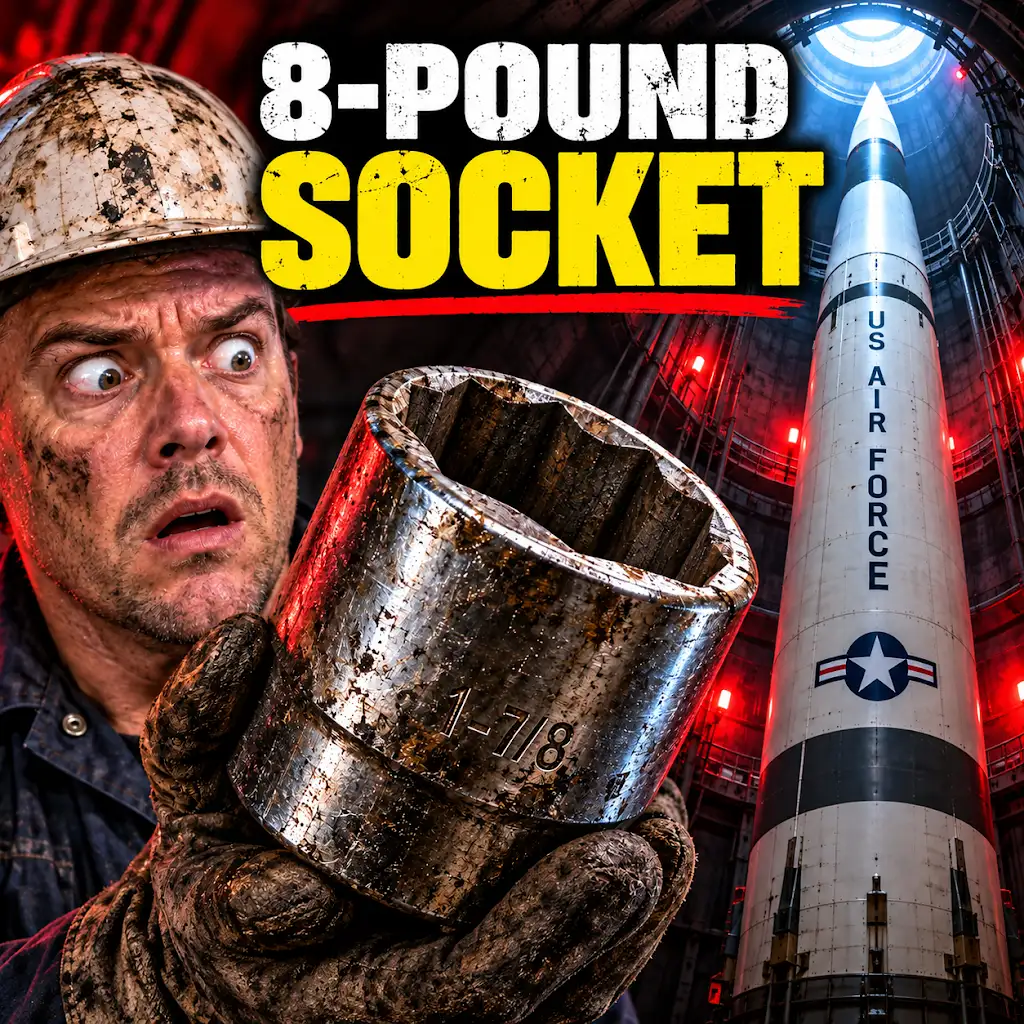
How a Dropped Socket Destroyed a Titan II Missile
FAQs
What is a Titan II missile?
A Titan II missile is an intercontinental ballistic missile (ICBM) developed by the United States Air Force during the Cold War. It was designed to carry nuclear warheads and serve as a deterrent against potential adversaries.
What is a W-53 nuclear warhead?
The W-53 was a thermonuclear warhead developed by the United States in the 1960s. It was designed to be carried by the Titan II missile and had a yield of around 9 megatons, making it one of the most powerful nuclear warheads in the U.S. arsenal at the time.
How many W-53 warheads were deployed on Titan II missiles?
Each Titan II missile was typically armed with a single W-53 nuclear warhead. The missile was stored in an underground silo and could be launched in the event of a nuclear attack.
When were Titan II missiles with W-53 warheads decommissioned?
The Titan II missiles armed with W-53 warheads were gradually decommissioned starting in the 1980s as part of arms control agreements between the United States and the Soviet Union. The last Titan II missile was taken out of service in 1987.
What was the role of Titan II missiles with W-53 warheads during the Cold War?
The Titan II missiles armed with W-53 warheads were part of the U.S. nuclear deterrent strategy during the Cold War. They were meant to deter potential adversaries from launching a nuclear attack on the United States by ensuring that the U.S. had a credible retaliatory capability.