The Shadow of the Rising Sun Over Panama
The Panama Canal, a monumental feat of engineering, revolutionized global trade and naval strategy upon its completion. Its strategic importance was recognized almost immediately by major powers, and it became a focal point in military planning. Among the most chilling and perhaps surprising historical revelations concerning the Canal’s vulnerability is the documented existence of a Japanese plan to attack its vital Gatun Locks. This wasn’t a mere theoretical exercise; it was a meticulously conceived operation, a testament to Japan’s pre-war strategic thinking and its audacious ambition to disrupt Allied supply lines and cripple American power. The idea of a Japanese carrier strike targeting the heart of the Canal was born from a confluence of escalating geopolitical tensions, Japan’s burgeoning naval capabilities, and a desire to strike a decisive blow against potential adversaries.
The Gatun Locks, a crucial component of the Panama Canal, were not only an engineering marvel but also a strategic target during World War II. An intriguing article detailing the Japanese attack plan related to the Gatun Locks can be found at this link: Japanese Attack Plan for Gatun Locks. This article explores the historical context and implications of the planned assault, shedding light on the military strategies employed during that era.
The Geopolitical Crucible of the Pacific
The interwar period was a time of escalating tensions between Japan and the Western powers, particularly the United States. Japan, having rapidly modernized its military and seeking to establish dominance in Asia, viewed the established order as an obstacle to its expansionist ambitions. The Washington Naval Treaty of 1922, intended to limit naval arms races, was perceived by many in Japan as a deliberate attempt by the US and Britain to constrain their naval power and deny them a rightful place among the world’s great powers. This sense of grievance, coupled with a growing belief in their own destiny, fueled a powerful militaristic ideology within Japan.
The Road to Imperial Ambitions
Japan’s modernization, spurred by the Meiji Restoration in the late 19th century, had transformed it from an isolated feudal society into an industrial and military powerhouse. Victories against China in 1895 and Russia in 1905 had solidified its regional influence and instilled a profound sense of national pride and self-belief. By the 1930s, Japan’s “Greater East Asia Co-Prosperity Sphere” doctrine articulated a vision of Asian liberation from Western colonialism, but in practice, it meant Japanese hegemony over the region. Resource acquisition was a primary driver, and the rich oil fields and raw materials of Southeast Asia became irresistible targets.
The United States: A Rising Pacific Power
The United States, while initially focusing on its domestic issues, could not ignore the growing assertiveness of Japan in the Pacific. The American naval presence in the region, particularly after the establishment of Pearl Harbor as a major base, was seen by Japan as a direct threat to its strategic objectives. The Panama Canal, connecting the Atlantic and Pacific Oceans, was a critical artery for American naval deployments and trade. Its disruption would significantly hamper the US’s ability to project power and respond to aggression in either ocean, giving Japan a crucial strategic advantage in any potential conflict.
The Strategic Imperative of the Gatun Locks
The Gatun Locks are the gateway to the Panama Canal’s Atlantic side, a complex system of three sets of locks that lift and lower ships between the Atlantic Ocean and Gatun Lake. These massive concrete structures are the heart of the Canal’s operation, controlling the water flow and enabling vessels to traverse the formidable Isthmus of Panama. Their sheer scale and critical function made them an exceptionally tempting target for any nation seeking to cripple the Canal’s utility. A successful attack on the Gatun Locks would not merely impede shipping; it would likely result in the catastrophic flooding of the surrounding areas, the destruction of the locks themselves, and a prolonged closure of the waterway.
Engineering Marvel and Strategic Bottleneck
The construction of the Panama Canal was an undertaking of unprecedented scale and difficulty, overcoming tropical diseases, challenging terrain, and immense logistical hurdles. The Gatun Locks, along with the Miraflores and Pedro Miguel Locks on the Pacific side, represent the pinnacle of that engineering achievement. Each lock chamber is an enormous concrete box, capable of holding thousands of gallons of water. Giant gates, weighing tons, open and close to allow ships to move from one water level to another. The operation is meticulously controlled, and any disruption to this delicate balance would have immediate and devastating consequences. The Gatun Locks, situated closer to the Atlantic and controlling the vast Gatun Lake, were arguably the most vulnerable and crucial element of the Canal’s transit system.
The Catastrophic Consequences of Disruption
An attack on the Gatun Locks would have been far more than a simple act of sabotage. The sheer volume of water contained within Gatun Lake, held back by the Gatun Dam (itself a critical component of the locks system), meant that a breach could lead to catastrophic flooding. The surrounding rainforests and settlements would be inundated, and the lock structures would be rendered inoperable. The logistical nightmare of repairing such extensive damage, especially during wartime, would have effectively closed the Canal for an indeterminate period. This would force naval fleets to undertake the long and perilous journey around the southern tip of South America, a strategic setback of immense proportions for the United States and its allies.
The Conception of Operation “K”
Amidst the escalating tensions and Japan’s growing naval prowess, the idea of a preemptive strike against the Panama Canal began to take shape within the Imperial Japanese Navy. While the specific genesis of the plan is shrouded in the secrecy of wartime planning, it emerged from a broader strategic assessment of how to best prosecute a war against the United States. The devastating success of the attack on Pearl Harbor demonstrated Japan’s capacity for bold, carrier-based strikes against distant American assets. The Panama Canal, a similar, albeit land-based, strategic target, would have been a logical extension of this thinking.
Carrier Aviation: A New Paradigm of Warfare
The development of the aircraft carrier fundamentally altered naval warfare. Japan, in particular, embraced this new technology, building a formidable fleet of carriers capable of launching devastating air assaults. The success of the air raid on Pearl Harbor in December 1941 was a direct result of this investment and strategic foresight. The lessons learned from that attack, and the capabilities demonstrated, fueled imaginations about what other distant, vital targets could be subjected to similar aerial onslaughts. The Panama Canal, with its fixed infrastructure and its critical role in the Pacific and Atlantic, presented itself as an ideal candidate for such an operation.
Simulating the Unthinkable: The Panama Strike Plan
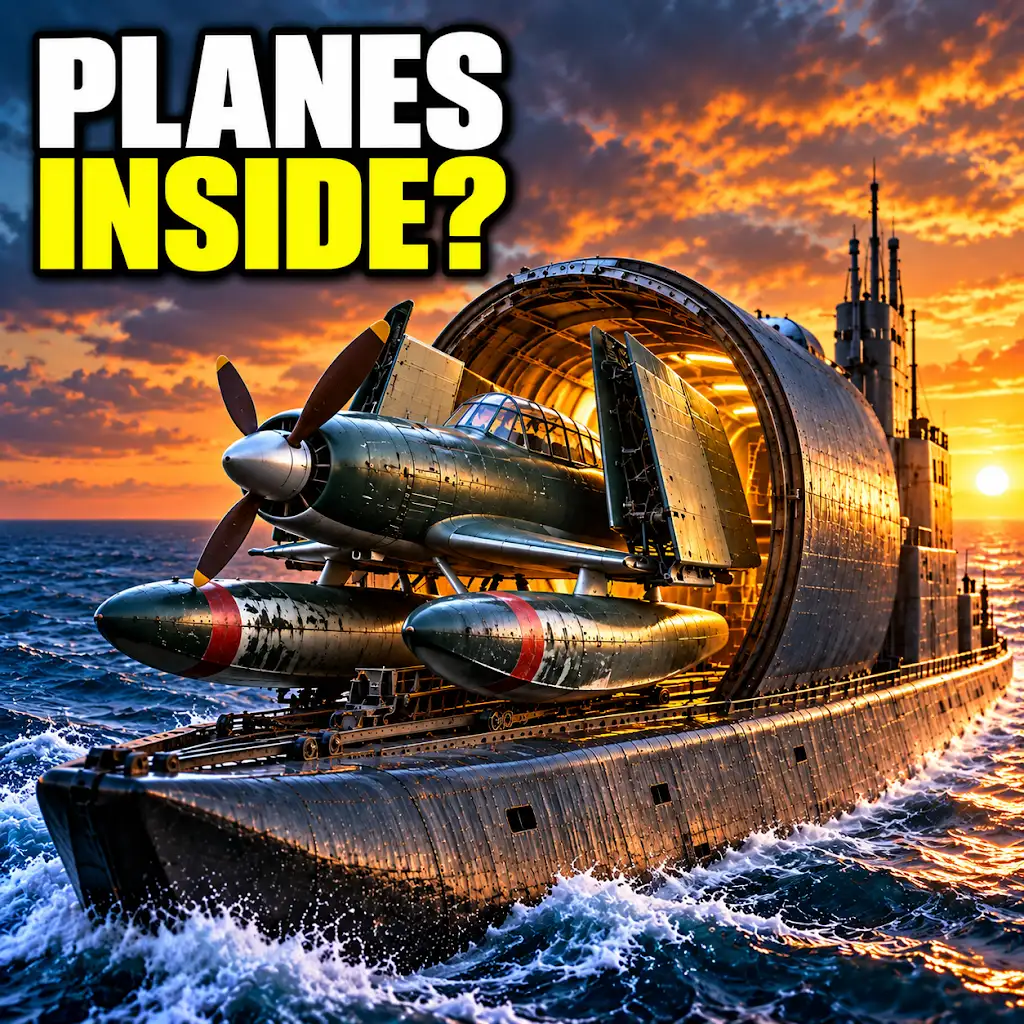
While detailed official documents are scarce, historical analysis and anecdotal evidence suggest that the Japanese Navy conducted serious, albeit possibly preliminary, studies into the feasibility of attacking the Panama Canal. These studies would have focused on the range of Japanese carrier aircraft, the logistical challenges of reaching Panama, the types of ordnance required to disable the locks, and the potential for surprise. Such an operation would have required aircraft with a significantly greater range than those deployed at Pearl Harbor, necessitating careful planning regarding refueling, overflight rights, and the establishment of forward operating bases, however temporary. The plan, often referred to as “Operation K” by some historians, was a testament to the audacious strategic thinking within the Imperial Japanese Navy, a reflection of their willingness to consider high-risk, high-reward operations.
The Gatun Locks, a crucial part of the Panama Canal, were not only significant for maritime navigation but also became a focal point during World War II due to strategic military interests. An intriguing article discusses the Japanese attack plan that aimed to disrupt operations at these locks, highlighting the broader implications of such a strategy on global shipping routes. For more insights on this topic, you can read the full article here. Understanding these historical military strategies provides valuable context for the geopolitical landscape of the time.
The Intelligence and Countermeasures
| Metric | Details |
|---|---|
| Event | Japanese Attack on Gatun Locks |
| Date | December 1941 |
| Location | Gatun Locks, Panama Canal |
| Objective | Disrupt Allied shipping by damaging Gatun Locks |
| Attack Method | Submarine and air raids planned |
| Outcome | Attack was unsuccessful; locks remained operational |
| Strategic Importance | Gatun Locks control access between Atlantic and Pacific Oceans |
| Defenses | Coastal artillery, patrol boats, and air surveillance |
| Impact on War | Maintained vital supply route for Allied forces |
The existence of such a plan, however theoretical or nascent, did not go unnoticed by American intelligence. While direct confirmation of Japanese reconnaissance missions specifically targeting the Canal prior to the war is difficult to pinpoint, the US military was acutely aware of the Canal’s vulnerability and the potential threat posed by Japan. Consequently, defensive measures were put in place, though their efficacy against a determined, large-scale attack remains a subject of historical debate.
Whispers and Warnings: American Awareness
The United States, through its various intelligence agencies, was not entirely blindsided by the potential for Japanese aggression. Reports and analyses of Japanese military doctrine, naval capabilities, and expansionist ambitions were routinely compiled. The strategic importance of the Panama Canal was a constant concern for the US Navy. While specific intelligence about “Operation K” might not have been fully understood or acted upon, the general understanding of the Canal as a high-priority target for any adversary was certainly present. This awareness led to a general posture of readiness and the implementation of defensive protocols.
Fortifying the Waterway: Defense of the Canal
In anticipation of potential attacks, the United States did implement various defensive measures around the Panama Canal. These included increased military patrols, the deployment of anti-aircraft batteries, and the reinforcement of installations along the Canal’s route. The presence of the US Navy in the Pacific and Caribbean was intended to deter any direct assault. However, the sheer scale of the Canal and its surrounding infrastructure presented a daunting defensive challenge. The concept of a carrier-based strike, capable of overwhelming fixed defenses from a distance, was a threat that military planners at the time were still grappling with. The effectiveness of these measures against a determined, well-executed Japanese assault remains a hypothetical question, as the planned attack, if it ever reached the execution stage, was never launched.
The Legacy of a Hypothetical Strike
The documented existence of a Japanese plan to attack the Gatun Locks serves as a stark reminder of the global reach of World War II and the strategic importance of the Panama Canal. While the attack never materialized, the mere contemplation of such an operation highlights the audacious nature of Japan’s wartime ambitions and the potential for devastating consequences had it been attempted. The memory of this potential threat underscores the ongoing need for vigilance and the critical role of robust defenses in safeguarding vital global infrastructure.
A Close Call in the Annals of History
The fact that a Japanese attack on the Panama Canal was seriously considered, even if it never progressed beyond the planning stages, is a significant historical footnote. It underscores the global nature of the conflict and the strategic thinking that permeated both sides. Had such an attack been successful, it would have dramatically altered the course of the war in the Pacific and potentially prolonged the conflict. The Panama Canal’s operational status was a linchpin in American logistical capabilities, and its closure would have been a strategic blow of immense magnitude.
Enduring Lessons in Security and Preparedness
The story of the Gatun Locks as a target for Japanese attack offers enduring lessons for modern security and preparedness. It emphasizes the need to consider a wide range of potential threats, including those that may seem improbable. It highlights the importance of understanding the vulnerabilities of critical infrastructure and the necessity of developing comprehensive defense strategies. The story of “Operation K,” though never realized, remains a powerful testament to the interconnectedness of global security and the constant need for vigilance in safeguarding vital national and international assets.
Japan Built a Submarine That Could Launch Three Planes
FAQs
What was the Gatun Locks Japanese attack plan?
The Gatun Locks Japanese attack plan was a proposed military operation during World War II by the Japanese to sabotage the Panama Canal’s Gatun Locks in order to disrupt American supply lines.
When was the Gatun Locks Japanese attack plan discovered?
The Gatun Locks Japanese attack plan was discovered in 1942 when a Japanese submarine was captured off the coast of California, revealing detailed plans for the attack.
Why did the Japanese target the Gatun Locks?
The Japanese targeted the Gatun Locks because they were a crucial part of the Panama Canal, which was a vital transportation route for American military and commercial ships during World War II.
How did the United States respond to the threat of the Gatun Locks attack?
The United States responded to the threat of the Gatun Locks attack by increasing security measures around the Panama Canal, including deploying additional troops and implementing stricter surveillance.
Was the Gatun Locks Japanese attack plan successfully carried out?
No, the Gatun Locks Japanese attack plan was never successfully carried out. The increased security measures and surveillance by the United States prevented the Japanese from executing their sabotage operation.