The echoes of Nisour Square have long since faded from the immediate headlines, yet the controversy surrounding Nicholas Slatten and the Blackwater incident remains a deeply divisive and significant chapter in the history of private military contractors in modern warfare. On September 16, 2007, a convoy operated by Blackwater Worldwide, a private security firm, came under fire in Baghdad’s Nisour Square, an event that culminated in the deaths of 14 unarmed Iraqi civilians and the wounding of 17 others. This tragic incident ignited a firestorm of international condemnation and launched a protracted legal battle that would probe the boundaries of accountability for contractors operating in war zones.
The Convoy’s Mission and Initial Encounter
The Blackwater convoy, designated Raven 23, was tasked with escorting a U.S. State Department diplomatic convoy through the volatile streets of Baghdad. The mission itself was routine, a common undertaking for private security firms contracted by the U.S. government in Iraq. As the convoy entered Nisour Square, a bustling intersection often teeming with civilian traffic and pedestrians, an improvised explosive device (IED) detonated near the lead vehicle. This explosion immediately triggered a chaotic and tense atmosphere.
Escalation and Allegations of Excessive Force
Following the IED detonation, Blackwater guards, claiming they were under attack, opened fire. The exact sequence of events and the precise nature of the threat have been heavily disputed. While Blackwater maintained its personnel acted in self-defense against insurgent fire, Iraqi witnesses and subsequent investigations painted a starkly different picture, alleging that the shooting was unprovoked and indiscriminate. The density of civilian presence in the square at the time of the incident amplified the tragic consequences of the gunfire.
The Devastating Toll on Civilian Lives
The outcome of the shooting was devastating. Fourteen Iraqi civilians, including women and children, were killed, and many more were injured. The victims were not combatants; they were ordinary citizens caught in the crossfire of a conflict where the lines between combatants and civilians were already tragically blurred. The images and stories of the deceased and wounded sent shockwaves across Iraq and the international community, fueling outrage and calls for justice.
The events surrounding Nicholas Slatten and the Blackwater Nisour Square incident have sparked extensive discussions about the role of private military contractors in conflict zones. For a deeper understanding of the implications of such incidents on international law and military ethics, you can read a related article that explores these themes in detail. Check it out here: Related Article.
Blackwater’s Role and the Rise of Private Military Contractors
The Business of Security in War Zones
Blackwater Worldwide, later rebranded as Academi, emerged as a prominent player in the burgeoning private military contractor (PMC) industry. Established in 1997 by Erik Prince, the company provided a range of services, including security, logistics, and training, to governments and private entities operating in conflict zones. In the post-9/11 era, the demand for such services surged, particularly in Iraq and Afghanistan, as the U.S. military sought to outsource certain functions to private companies, often citing cost-effectiveness and specialized expertise.
The Expanding Influence of PMCs
The Nisour Square incident brought to the forefront the significant, and often controversial, role that PMCs played in U.S. foreign policy and military operations. These contractors operated in a legal and ethical gray area, their status distinct from both military personnel and civilian law enforcement. This ambiguity would become a central theme in the prosecution and defense of those involved in the Nisour Square shootings.
Accountability and the Legal Framework
The question of who was responsible for the actions of Blackwater personnel in Nisour Square quickly became a critical legal and political challenge. Unlike uniformed military personnel, PMCs were not subject to the Uniform Code of Military Justice (UCMJ) in the same way. This meant that criminal proceedings against contractors often had to navigate complex jurisdictional issues and rely on U.S. federal laws, which were not always designed for the unique circumstances of overseas combat operations.
Nicholas Slatten: The Accused and the Trial

The Initial Accusations Against Slatten
Nicholas Slatten, a former U.S. Marine, was identified as the first shooter in the Nisour Square incident. Prosecutors alleged that Slatten had fired his rifle without provocation, initiating the deadly exchange. His case became the focal point of the legal efforts to hold individuals accountable for the civilian deaths.
The Challenges of Prosecuting Contractors
The path to justice for the victims and their families was fraught with obstacles. Initial charges against Slatten and other Blackwater personnel were dismissed in 2009 by a U.S. judge who ruled that they had been granted immunity in exchange for testimony to Congress. This decision sparked widespread anger and frustration. However, the case was revived, and Slatten eventually faced new charges.
Multiple Trials and Changing Verdicts
The legal journey for Nicholas Slatten was exceptionally long and complex, marked by multiple trials and appeals. The first trial in 2014 resulted in a guilty verdict for Slatten on a charge of first-degree murder. However, this verdict was later overturned by an appeals court due to issues with jury instructions. A subsequent retrial in 2018 also ended in a hung jury. Finally, in a third trial in 2021, Nicholas Slatten was found guilty of first-degree murder. This lengthy process underscored the difficulties in achieving a definitive legal resolution in cases involving private contractors.
The Nisour Square Case in the Context of International Law and Human Rights

The Principle of State Responsibility
The Nisour Square incident highlighted the ongoing debate about state responsibility for the actions of private actors hired by the state. While the U.S. government ultimately bore responsibility for the actions of its contractors, the legal mechanisms for holding individuals accountable proved challenging. International law generally holds states responsible for breaches of their international obligations, and this includes the conduct of those acting on their behalf, even if they are private entities.
The Application of the Geneva Conventions
The question of whether the Geneva Conventions, which govern the conduct of armed conflict and the protection of civilians, applied to private military contractors was also a significant point of discussion. While there is a growing consensus that certain principles of international humanitarian law should apply to contractors, the specific legal framework for their enforcement remains an area of ongoing development and debate. The incident raised critical questions about the extraterritorial application of U.S. law and the extent to which it could adequately address violations of international norms.
The Impact on Civilian Protection
The Nisour Square massacre served as a stark reminder of the vulnerability of civilians in conflict zones, particularly when private security forces are involved. The lack of clear accountability and the potential for excessive force can erode trust and exacerbate the suffering of civilian populations. This incident underscored the urgent need for robust legal frameworks and oversight mechanisms to ensure the protection of civilians and uphold human rights in the context of privatized warfare.
The events surrounding Nicholas Slatten and the Blackwater Nisour Square incident have sparked significant debate about the role of private military contractors in conflict zones. For a deeper understanding of the implications of such incidents and the ongoing discussions about accountability and regulation, you can read a related article on this topic at In The War Room. This article delves into the broader context of private security forces and their impact on military operations and civilian safety.
Legacy and Lingering Questions
| Metrics | Data |
|---|---|
| Incident | Nisour Square massacre |
| Location | Baghdad, Iraq |
| Date | September 16, 2007 |
| Victims | 14 killed, 17 injured |
| Conviction | Nicholas Slatten convicted of murder |
The Long Shadow of Nisour Square
The Nisour Square incident left an indelible scar on the relationship between the U.S. and Iraq, as well as on the global perception of private military contractors. It fueled demands for greater transparency and accountability from these companies and their clients. The protracted legal battles surrounding the case exposed the complexities of prosecuting individuals operating in the unique environment of private military contracting.
Reforms and the Future of PMCs
In the aftermath of Nisour Square and other controversies involving PMCs, there have been efforts to introduce greater oversight and accountability. The U.S. government has implemented new policies and regulations aimed at improving the vetting and supervision of contractors. However, the fundamental challenges of regulating these complex operations and ensuring accountability for their actions remain ongoing concerns.
The Enduring Debate on Privatized Warfare
The controversy of Nicholas Slatten and Blackwater in Nisour Square continues to be a touchstone in the ongoing debate about the role and regulation of privatized warfare. It serves as a cautionary tale about the potential risks associated with outsourcing security functions and the paramount importance of ensuring that individuals and organizations operating in conflict zones are held to the highest standards of conduct and accountability. The pursuit of justice for the victims of Nisour Square, though long and arduous, ultimately reflects a societal demand for accountability, even in the most challenging of circumstances. The case continues to inform discussions about the ethical implications of private military intervention and the imperative of upholding international humanitarian law in all arenas of conflict.
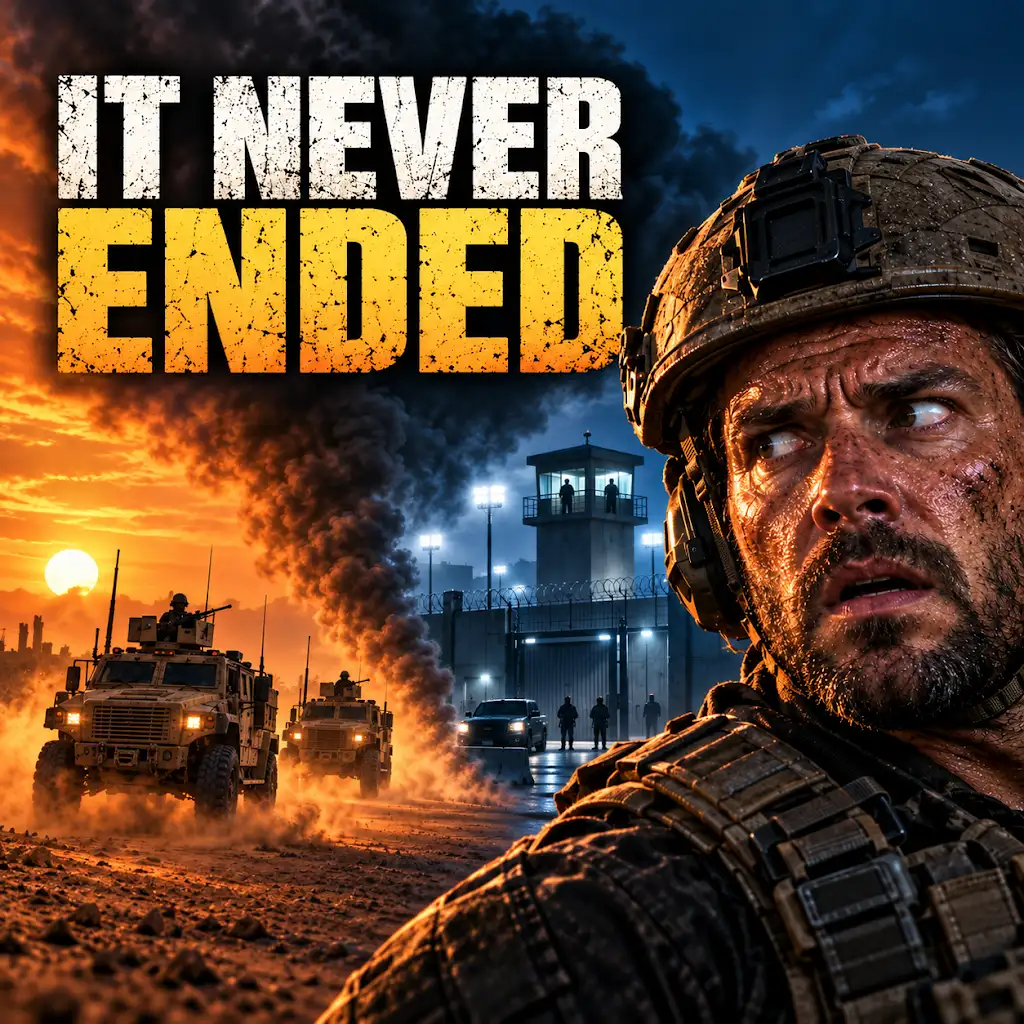
Blackwater Disappeared. America’s Private Army Didn’t.
FAQs
Who is Nicholas Slatten?
Nicholas Slatten is a former security contractor for the private military company Blackwater. He was involved in the 2007 Nisour Square massacre in Baghdad, Iraq.
What is the Nisour Square massacre?
The Nisour Square massacre refers to the shooting incident that occurred on September 16, 2007, in Baghdad, Iraq, involving Blackwater security contractors. The incident resulted in the deaths of 17 Iraqi civilians and the injury of 20 others.
What was Nicholas Slatten’s role in the Nisour Square massacre?
Nicholas Slatten was convicted of first-degree murder for his role in the Nisour Square massacre. He was accused of initiating the shooting that led to the deaths of several Iraqi civilians.
What was the outcome of Nicholas Slatten’s trial?
Nicholas Slatten was initially convicted and sentenced to life in prison for his role in the Nisour Square massacre. However, his conviction was later overturned, and he was granted a new trial.
What is the current status of Nicholas Slatten’s case?
As of [date], Nicholas Slatten’s retrial is ongoing, and the outcome is pending. He continues to maintain his innocence in connection to the Nisour Square massacre.