
The air in East Germany in the late 1980s was thick with a palpable tension, a quiet hum of discontent that belied the carefully constructed façade of socialist prosperity. For decades, the German Democratic Republic (GDR), a Soviet satellite state, had maintained its grip through an omnipresent and terrifying security apparatus: the Ministry for State Security, universally known as the Stasi. Its shadow loomed over every aspect of life, its reach extending into the most intimate corners of its citizens’ existence. The collapse of this formidable organization, therefore, was not merely a political event; it was the shattering of an oppressive illusion, the liberation of a nation from its most insidious tormentor, and a profound reckoning with a dark chapter in history.
The roots of the Stasi were deeply embedded in the Cold War’s ideological struggle. Born from the ashes of World War II and the subsequent division of Germany, the GDR was established in 1949 with the explicit goal of safeguarding the communist regime. The nascent German Democratic Republic recognized the inherent vulnerability of its political system to internal dissent and external influence. Consequently, the Stasi was conceived not just as a police force, but as an ideological bulwark, designed to detect, disrupt, and neutralize any perceived threat to the Socialist Unity Party (SED) and its socialist project.
The Formation and Early Mandates
The Stasi’s official founding date is February 8, 1950, a seemingly innocuous bureaucratic step that masked the immense power it would soon wield. Its initial mandate was broad: to combat espionage, sabotage, and any activities detrimental to the state. However, this broad mandate was quickly interpreted and expanded to encompass a far more insidious objective: the pervasive monitoring and control of the East German populace. The organization was meticulously designed to foster a climate of suspicion and self-censorship, ensuring that even unspoken thoughts could be construed as treason.
Erich Mielke: The Architect of Terror
Central to the Stasi’s terrifying efficacy was its long-serving and notoriously ruthless Minister of State Security, Erich Mielke. A fanatical communist with a profound distrust of anyone outside the party’s inner circle, Mielke presided over the Stasi for nearly thirty years, transforming it into a hyper-efficient, technologically advanced, and morally bankrupt instrument of state terror. His personal obsession with surveillance and his willingness to employ any means necessary to achieve his goals cemented the Stasi’s reputation as one of the most formidable secret police forces of the 20th century. Under his leadership, the Stasi developed a vast network of informants, sophisticated surveillance techniques, and a chilling methodology for psychological manipulation and repression.
The collapse of East Germany’s Stasi has been a pivotal moment in understanding the broader implications of state surveillance and control. For a deeper exploration of this topic, you can read the article titled “The Fall of the Stasi: Lessons in Surveillance and Freedom” available at In the War Room. This article delves into the mechanisms of the Stasi’s operations and the societal impact of its eventual dismantling, providing valuable insights into the struggle for personal freedom in the face of oppressive regimes.
The Stasi’s Pervasive Reach: A Society Under Surveillance
The Stasi’s most defining characteristic was its unparalleled reach into the daily lives of East German citizens. It was a state within a state, an organization that prioritized paranoia and vigilance above all else, creating a society where trust was a dangerous commodity and every interaction could be a potential betrayal. This pervasive surveillance was not merely about identifying active dissidents; it was about controlling the very atmosphere of the nation, stifling individuality and ensuring absolute conformity.
The Informant Network: Eyes and Ears Everywhere
The cornerstone of the Stasi’s surveillance apparatus was its vast network of unofficial collaborators, known as Inoffizielle Mitarbeiter (IMs). These informants, often recruited through coercion, blackmail, or ideological persuasion, were ordinary citizens – neighbors, colleagues, friends, even family members – who were tasked with reporting on their fellow citizens. The Stasi cultivated an estimated 170,000 to 500,000 IMs at its peak, a staggering proportion of the population, creating a pervasive atmosphere of distrust and fear. Citizens learned to speak in veiled language, to avoid controversial topics in public, and to be constantly aware that anyone could be an informant.
Methods of Surveillance: From Eavesdropping to Psychological Warfare
The Stasi employed a dizzying array of surveillance methods. Sophisticated bugging devices were installed in homes, workplaces, and public spaces, capturing conversations and monitoring activities. Mail was routinely opened and read, phone calls were tapped, and citizens were followed by unmarked cars and on foot. Beyond physical surveillance, the Stasi specialized in psychological warfare. They would fabricate evidence, spread rumors, and initiate elaborate schemes known as Zersetzung (decomposition) to destabilize and break individuals deemed a threat. This often involved systematically undermining their careers, relationships, and mental well-being, leading to social isolation and despair.
The Prison System and Political Repression
For those who crossed the invisible lines of acceptable behavior, the Stasi’s reach extended to a brutal prison system. While not all prisons were directly run by the Stasi, the ministry played a significant role in the arrest, interrogation, and imprisonment of political dissidents. Interrogation techniques were often harsh, employing sleep deprivation, psychological torment, and physical abuse. Prisons like Hohenschönhausen became synonymous with the GDR’s repression, serving as stark reminders of the consequences of challenging the regime. The Stasi’s aim was not just to punish, but to break the spirit of opposition and instill a lasting fear of reprisal.
Cracks in the Foundation: The Growing Discontent
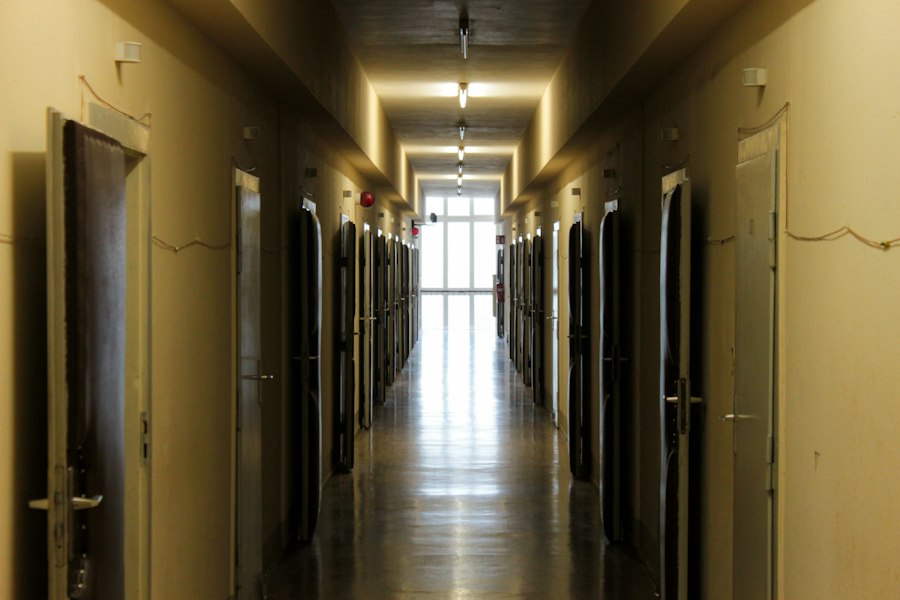
By the late 1980s, the once-impregnable edifice of the GDR was beginning to show significant cracks. The economic stagnation, the lack of political freedom, and the constant surveillance bred a deep-seated dissatisfaction that was increasingly difficult to contain. The winds of change blowing from other Eastern Bloc nations, coupled with a growing awareness of the outside world, fueled a desire for a different future.
Economic Hardship and Social Unrest
The GDR’s centrally planned economy, once touted as a socialist success story, had become increasingly inefficient and unable to keep pace with the West. Shortages of consumer goods, dilapidated infrastructure, and a general lack of economic opportunity fueled public frustration. This economic hardship, combined with the oppressive political climate, created a fertile ground for discontent. Protests, though small and heavily suppressed initially, began to emerge with greater frequency and boldness.
The Influence of Glasnost and Perestroika
The reforms introduced by Mikhail Gorbachev in the Soviet Union – Glasnost (openness) and Perestroika (restructuring) – had a profound ripple effect across Eastern Europe. Gorbachev’s signal that the Soviet Union would no longer intervene militarily to prop up unpopular communist regimes emboldened reform movements and increased the pressure on the GDR leadership to liberalize. For East Germans, these reforms offered a glimmer of hope that their own aspirations for greater freedom might finally be realized.
The Exodus: A Mass Defection
The most dramatic manifestation of this growing discontent was the mass exodus of East Germans in the summer and autumn of 1989. As borders began to loosen in neighboring socialist countries like Hungary and Czechoslovakia, thousands of East Germans seized the opportunity to escape to the West. This unprecedented wave of emigration exposed the hollowness of the GDR’s claims of contentment and sent a clear message to the regime that its legitimacy was rapidly eroding. The Stasi, for all its power, could not stem the tide of people voting with their feet.
The Fall of the Wall and the Dissolution of the Stasi
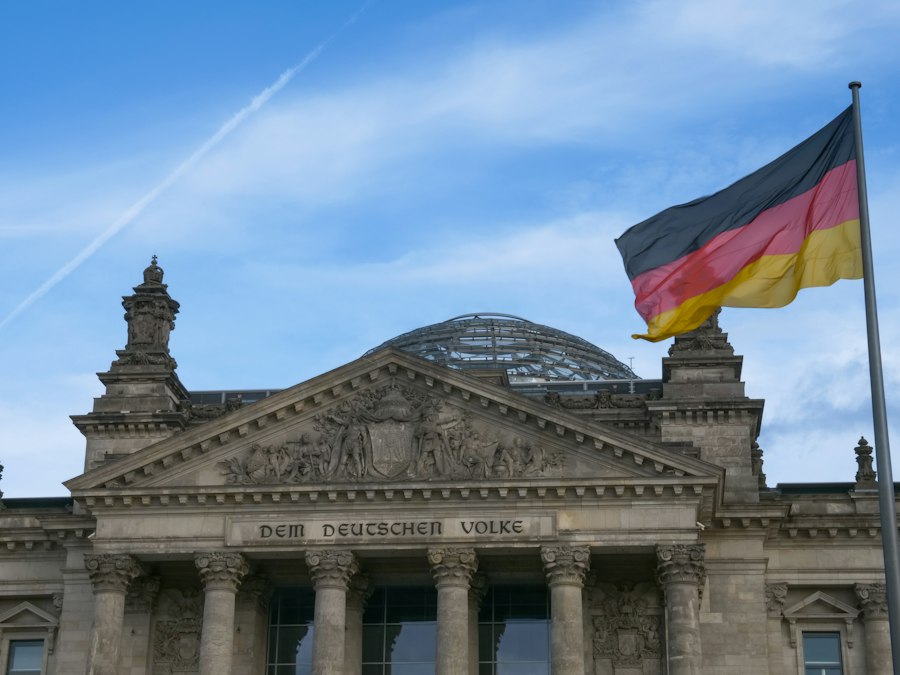
The iconic image of the Berlin Wall tumbling down on November 9, 1989, was not just the end of a physical barrier; it symbolized the unraveling of the entire East German state and the swift, almost unimaginable collapse of its pervasive security apparatus. The events of that autumn accelerated the demise of the GDR and, with it, the dismantling of the Stasi.
The Peaceful Revolution and the Growing Pressure
The mass protests that swept across East Germany in the autumn of 1989, culminating in the iconic Monday Demonstrations in Leipzig, were a testament to the courage of ordinary citizens who demanded their freedom. Chants of “Wir sind das Volk!” (We are the people!) echoed through the streets, a direct challenge to the SED’s authority. The Stasi, accustomed to crushing dissent with brute force, found itself in an untenable position as the sheer scale and peaceful nature of the protests made violent repression increasingly difficult and politically costly.
The Stasi’s Attempts to Adapt and Survive
As the GDR teetered on the brink of collapse, the Stasi found itself in a desperate struggle for survival. Mielke was forced out of his position, and the organization attempted to rebrand itself, even proposing a transformation into a “Office for National Security” that would focus on more conventional law enforcement. However, these attempts at reinvention were too little, too late. The deep-seated distrust and the overwhelming evidence of its past abuses rendered any such transformation a hollow charade in the eyes of the East German people.
The Storming of Stasi Headquarters: A Symbol of Liberation
The symbolic culmination of the Stasi’s downfall occurred when citizens, emboldened by the fall of the Wall and furious at the organization’s continued existence, stormed its headquarters in Berlin and other cities. These acts, largely peaceful but filled with righteous anger, represented the reclaiming of power by the people. The destruction of files, the ransacking of offices, and the exposure of the Stasi’s secrets became powerful visual metaphors for the dismantling of the regime’s oppressive machinery.
The collapse of East Germany’s Stasi was a pivotal moment in the history of the Cold War, marking the end of an era characterized by surveillance and repression. For a deeper understanding of the implications of this event, you can explore a related article that delves into the societal impacts and the legacy of the Stasi’s secret police. This insightful piece provides a comprehensive analysis of how the dismantling of such a powerful institution shaped the reunification of Germany. To read more about this significant topic, visit this article.
The Aftermath: Reckoning with the Past and Rebuilding a Nation
| Event | Date | Impact |
|---|---|---|
| Collapse of East Germany | 1989 | End of communist rule in East Germany |
| Stasi Dissolution | 1990 | Dismantling of the Ministry for State Security |
| Stasi Files | 1992 | Opening of Stasi archives to the public |
The collapse of the Stasi was not the end of the story, but rather the beginning of a complex and often painful process of reckoning with a totalitarian past. The revelations of the Stasi’s pervasive surveillance and abuses left deep scars on individuals and society, and the process of reunification presented immense challenges.
The Unveiling of the Files: A Nation Confronts its Secrets
One of the most significant consequences of the Stasi’s collapse was the public access granted to its vast archives. Millions of files, documenting the surveillance of citizens, the methods of repression, and the inner workings of the organization, were opened to the public. This painstaking process of sifting through the files, often referred to as the “Stasi files,” allowed individuals to discover if they had been spied upon, who had betrayed them, and the extent to which their lives had been monitored. This process was both cathartic and deeply traumatic for many, forcing a confrontation with a difficult and often betrayed past.
The Challenge of Justice and Reconciliation
Bringing justice to those responsible for the Stasi’s crimes proved to be a complex and often controversial undertaking. While some high-ranking officials, including Erich Mielke, were prosecuted and imprisoned, many others escaped accountability due to legal complexities, the passage of time, and the sheer number of individuals involved. The debate over how to achieve justice and foster reconciliation between former victims and perpetrators, as well as within a unified Germany, remains a sensitive and ongoing issue.
The Legacy of the Stasi: Lessons for the Future
The collapse of the Stasi serves as a stark and enduring lesson about the dangers of unchecked state power and the corrosive effects of pervasive surveillance. It underscores the fragility of democratic freedoms and the importance of vigilance in protecting civil liberties. The experience of living under the Stasi’s shadow has left an indelible mark on the collective memory of Germany, serving as a constant reminder of the darkness that can arise when fear and control are prioritized over freedom and human dignity. The collapse of the Stasi was a pivotal moment in history, a testament to the resilience of the human spirit and the ultimate triumph of freedom over oppression, but its legacy continues to inform discussions about security, privacy, and the ethical responsibilities of the state.

The Stasi Made You Suspect Everyone
FAQs
1. What was the Stasi in East Germany?
The Stasi, or Ministry for State Security, was the official state security service of East Germany. It was known for its extensive surveillance and repression of the East German population.
2. How did the collapse of East Germany affect the Stasi?
Following the collapse of East Germany in 1989, the Stasi was disbanded and its headquarters were stormed by protesters. Many Stasi officers were arrested and the organization was officially dissolved in 1990.
3. What happened to the Stasi archives after the collapse of East Germany?
After the collapse of East Germany, the Stasi archives were seized by the newly formed German government. The archives were used to investigate past Stasi activities and provide information to victims of Stasi repression.
4. What were some of the Stasi’s methods of surveillance and repression?
The Stasi used a wide range of methods for surveillance and repression, including informants, wiretapping, mail interception, and psychological warfare. They also used intimidation and violence against dissidents.
5. What is the legacy of the Stasi in modern Germany?
The legacy of the Stasi continues to have a significant impact on modern Germany. The Stasi’s activities have led to ongoing investigations and legal proceedings, and the memory of the Stasi’s repression remains a powerful symbol of the dangers of authoritarianism.