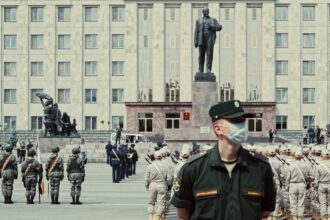
The flickering screen of the documentary, “Securing the Nation,” cast a somber glow on the faces of the audience. This ambitious project, spanning nearly three hours, delves deep into the multifaceted landscape of modern national security, offering a comprehensive and often unsettling examination of the threats and challenges that confront the nation. From the chilling echoes of past conflicts to the ever-evolving tactics of cyber warfare, the film leaves no stone unturned, interviewing a constellation of experts, policy makers, and individuals whose lives have been directly impacted by the constant struggle to safeguard national interests. “Securing the Nation” is not merely a historical account; it is a stark and urgent call to awareness, a masterclass in the complexities of defense, and a poignant reminder of the sacrifices made in its name.
The documentary opens with a sweeping historical overview, tracing the nation’s security paradigms from the Cold War’s ideological standoff to the asymmetrical conflicts of the 21st century. The narrative artfully transitions from the stark realities of trench warfare and the devastating power of nuclear arsenals to the more insidious and pervasive threats that define our current era. Director Anya Sharma skillfully employs archival footage, intimate interviews, and meticulously crafted dramatic re-enactments to illustrate the dramatic shift.
The Relics of the Past: Lessons from Conventional Conflicts
The initial segments of “Securing the Nation” dedicate significant screen time to dissecting the nature of conventional warfare that shaped global security for decades. The film highlights the strategic doctrines of the Cold War, presenting interviews with aging generals who recall the constant brinkmanship and the ever-present specter of mutually assured destruction. The strategic importance of traditional military might, from aircraft carriers and bomber fleets to tactical nuclear weapons, is underscored, emphasizing the sheer destructive capacity that once dominated strategic thinking. The documentary doesn’t shy away from the human cost, interweaving personal accounts from veterans of Vietnam, the Gulf War, and other major conflicts. Their stories serve as poignant reminders of the physical and psychological scars left by large-scale confrontations. The film argues that while the nature of warfare has changed, the fundamental understanding of deterrence and the strategic calculus of power remain relevant, albeit in a more nuanced form. The sheer logistical and financial undertaking of maintaining a conventional military force capable of projecting power globally is thoroughly explored, offering a glimpse into the immense resources required.
The Rise of Asymmetrical Warfare: New Enemies, New Tactics
As the documentary progresses, the focus sharpens on the transition to asymmetrical warfare. This section effectively captures the disorientation and adaptability required by modern security forces. The rise of non-state actors, insurgents, and terrorist organizations is presented as a fundamental challenge to traditional state-centric security models. The film illustrates how these groups, often operating with fewer resources but with greater agility and ideological fervor, can inflict significant damage and sow widespread fear. The intricacies of counter-insurgency operations, the ethical dilemmas faced by soldiers on the ground, and the immense difficulty of distinguishing friend from foe are explored through vivid testimonials and expert analysis. The documentary highlights the psychological warfare employed by these groups, their ability to exploit media for propaganda, and their reliance on unconventional tactics to level the playing field against technologically superior adversaries. The inherent difficulties in achieving lasting peace and stability in regions plagued by such conflicts are conveyed with raw honesty.
Cybersecurity: The Invisible Battlefield
Perhaps the most impactful and eye-opening segment of “Securing the Nation” is its deep dive into the realm of cybersecurity. The film portrays the digital realm not as a secondary concern but as a vital and increasingly volatile frontier. Experts detail the sophisticated methods employed by state-sponsored hackers, criminal organizations, and even lone wolves to infiltrate critical infrastructure, steal sensitive data, and disrupt essential services. The documentary uses compelling analogies and animated graphics to explain complex concepts like phishing, ransomware, and zero-day exploits. The potential consequences of a successful cyberattack on power grids, financial systems, or government databases are painted with a chilling clarity, leaving the audience with a profound sense of vulnerability. The interviews with cybersecurity professionals, many of whom work anonymously to protect national interests, reveal the relentless nature of this digital arms race and the constant need for innovation and vigilance. The film emphasizes that the digital battlefield is not confined to any single geographic location, making it a truly global and pervasive threat. The economic and societal ramifications of widespread cyber disruption are explored in detail.
In the realm of national security, the documentary “The War Room” provides an in-depth analysis of contemporary challenges faced by nations around the globe. For those interested in exploring further, a related article that delves into the implications of cybersecurity on national defense can be found at this link. This article complements the documentary by examining how digital threats are reshaping the landscape of security and the strategies governments are implementing to combat these emerging risks.
Intelligence Gathering: The Eyes and Ears of National Security
Beyond the overt display of military might, “Securing the Nation” meticulously unpacks the critical role of intelligence gathering in safeguarding the nation. This is presented not as clandestine operations conducted in the shadows, but as a complex, multi-layered process involving human sources, sophisticated technological surveillance, and intricate data analysis. The documentary stresses that effective intelligence is the bedrock upon which sound national security policy is built, providing the foresight necessary to anticipate and neutralize threats before they materialize.
Human Intelligence: The Power of the Informant
The film dedicates a significant portion to the invaluable, yet often dangerous, work of human intelligence (HUMINT). Through anonymized interviews and dramatic reenactments, audiences gain insight into the dedication, risk, and ethical considerations involved in cultivating informants and recruiting agents. The documentary illustrates how deeply embedded sources can provide critical insights into the intentions, capabilities, and internal workings of hostile organizations and foreign governments. The narrative emphasizes that while technology can provide broad strokes, human intuition, understanding of local nuances, and the ability to build trust are irreplaceable. The challenges of vetting sources, ensuring their safety, and managing the flow of information are presented as complex logistical and ethical puzzles. The film underscores the profound bravery of individuals who risk their lives to gather this vital information. The human element, the personal stories of sacrifice and dedication, resonate deeply.
In the realm of national security, documentaries play a crucial role in educating the public about the complexities and challenges faced by governments around the world. A compelling example can be found in a recent article that delves into the impact of intelligence operations on global stability. For those interested in exploring this topic further, the article can be accessed through this link: intelligence operations. By shedding light on these critical issues, such documentaries not only inform but also provoke thought and discussion among viewers.
Signals Intelligence and Technical Surveillance: Listening to the World
“Securing the Nation” vividly portrays the evolution and sophistication of signals intelligence (SIGINT) and other forms of technical surveillance. The documentary takes viewers inside secure facilities, showcasing the vast arrays of equipment used to intercept and analyze communications, satellite imagery, and electronic emissions. Experts explain the complex algorithms and machine learning techniques employed to sift through massive amounts of data, identifying patterns and anomalies that might indicate potential threats. The ethical debates surrounding mass surveillance are addressed, with the film presenting a balanced perspective on the tension between security needs and individual privacy concerns. The revelations of past surveillance programs are presented not just as historical footnotes but as critical case studies that continue to shape policy and public discourse. The sheer technological prowess and the continuous investment in cutting-edge surveillance technology are made evident.
Open-Source Intelligence and Cyber Espionage: The Digital Footprint
The documentary expands its examination of intelligence gathering to include the increasingly vital role of open-source intelligence (OSINT) and the pervasive nature of cyber espionage. The film highlights how publicly available information, from social media posts and news articles to academic research and financial reports, can be aggregated and analyzed to reveal critical insights into individuals, organizations, and even state actors. The rise of social media as both a tool for intelligence gathering and a potential vector for disinformation campaigns is a key theme. Furthermore, the documentary delves into the sophisticated methods of cyber espionage, where state-sponsored actors and criminal groups engage in the theft of intellectual property, sensitive diplomatic communications, and proprietary technological secrets. The difficulty in attribution and the long-term consequences of such breaches are effectively conveyed.
The Architects of Security: Policy, Strategy, and Diplomacy

“Securing the Nation” moves beyond the operational aspects of defense to explore the crucial role of policy makers, strategists, and diplomats in shaping the nation’s security landscape. The documentary emphasizes that effective security is not solely about military might but also about intelligent decision-making, long-term strategic planning, and the skillful art of international relations. The film provides a behind-the-scenes look at the intellectual battles and the high-stakes negotiations that define national security.
Strategic Decision-Making: Navigating Complex Challenges
This segment of the film delves into the intricate process of strategic decision-making at the highest levels of government. Through interviews with former national security advisors, cabinet secretaries, and senior military leaders, the documentary illustrates the immense pressure and the difficult choices faced when formulating security policy. The film explores various decision-making frameworks, the importance of diverse perspectives, and the iterative nature of policy development. The challenges of predicting future threats, allocating limited resources, and maintaining public support for security initiatives are examined in detail. The documentary highlights the constant balancing act between risk aversion and decisive action. The impact of geopolitical shifts and evolving global dynamics on strategic planning is also a significant focus.
The Art of Diplomacy: Securing Peace Through Negotiation
“Securing the Nation” underscores that diplomacy remains a cornerstone of national security. The documentary features interviews with seasoned diplomats and international relations experts who articulate the intricate dance of negotiation, alliance building, and multilateral cooperation. The film showcases historical examples of successful diplomatic interventions that averted conflict and fostered stability, as well as instances where diplomatic failures had significant repercussions. The role of international organizations like the United Nations and regional security alliances is also explored. The documentary argues that a robust diplomatic corps, equipped with deep cultural understanding and strong negotiation skills, is as vital to national security as any military asset. The film emphasizes the long-term benefits of investing in diplomatic relationships and fostering international trust.
Deterrence and Alliances: Building a Common Defense
The documentary examines the multifaceted concept of deterrence, both in its traditional nuclear sense and its more modern applications in conventional and cyber domains. Experts discuss the credibility of threats, the importance of military readiness, and the psychological aspects of dissuading potential adversaries. Furthermore, the film delves into the critical role of alliances in bolstering national security. Through case studies and expert analysis, the documentary illustrates how collective security agreements, such as NATO, can amplify a nation’s defense capabilities and promote regional stability. The complexities of maintaining strong alliances, managing differing national interests, and ensuring burden-sharing are also key themes. The film argues that these alliances are not merely symbolic but represent a vital extension of a nation’s security perimeter.
The Human Cost: Sacrifice, Resilience, and the Future of Security

As “Securing the Nation” nears its conclusion, the focus shifts to the profound human impact of national security endeavors. The documentary spares no detail in conveying the sacrifices made by military personnel, intelligence operatives, and their families. It is a poignant reminder that behind every policy decision and every operational success or failure, there are individuals whose lives are irrevocably shaped by the pursuit of national security.
The Soldiers and Agents: Stories of Valor and Loss
This segment of the film is perhaps the most emotionally taxing. Through intimate interviews with veterans, active-duty personnel, and intelligence officers, the documentary brings to life the daily realities of those on the front lines. Their personal stories of courage, camaraderie, and the immense challenges they face are presented with raw honesty. The film does not shy away from depicting the psychological toll of combat, the difficult decisions made in the field, and the lingering effects of trauma. The stories of loss, of friends left behind and lives tragically cut short, are delivered with heartbreaking sincerity. The documentary makes it clear that the bravery and dedication of these individuals are the ultimate guarantors of national security, often at immense personal cost. The complex transition back to civilian life for those who have served is also a significant focus.
The Families: The Unsung Heroes
“Securing the Nation” recognizes the often-overlooked sacrifices of the families who support those in national security roles. The film features interviews with spouses, children, and parents who speak candidly about the anxieties of deployment, the loneliness of long separations, and the constant worry for the safety of their loved ones. The documentary highlights the resilience and strength of these families, who often bear the emotional and practical burdens of service in silence. The film argues that these families are an integral part of the national security apparatus, providing the emotional bedrock that allows individuals to serve. Their stories are a powerful counterpoint to the often-impersonal nature of geopolitical analysis.
Emerging Threats and the Next Generation of Security
The documentary concludes by looking towards the future, exploring the emerging threats and challenges that will shape national security in the decades to come. Experts discuss the implications of climate change, pandemics, artificial intelligence, and the continued proliferation of weapons of mass destruction. The film poses critical questions about the evolving nature of warfare, the ethical considerations of new technologies, and the need for continuous adaptation and innovation. “Securing the Nation” leaves the audience with a profound sense of urgency, emphasizing that the task of securing the nation is an ongoing and ever-evolving endeavor. It is a call to action, urging viewers to remain informed, engaged, and supportive of the complex and critical work undertaken to protect the nation’s safety and freedom. The documentary serves as a stark reminder that vigilance, foresight, and a commitment to continuous learning are paramount in this ever-changing global landscape.

China’s Invisible Chokehold on Modern Weapons
FAQs
What is the purpose of the national security documentary?
The purpose of the national security documentary is to provide an in-depth look at the various aspects of national security, including the challenges, strategies, and technologies involved in protecting a nation from internal and external threats.
What topics are covered in the national security documentary?
The national security documentary covers a wide range of topics, including but not limited to intelligence gathering, cybersecurity, border security, counterterrorism efforts, military capabilities, and the role of law enforcement agencies in maintaining national security.
Who are the experts featured in the national security documentary?
The national security documentary features interviews and insights from a diverse range of experts, including government officials, military leaders, intelligence professionals, cybersecurity experts, and academics specializing in national security studies.
How does the national security documentary address current threats and challenges?
The national security documentary addresses current threats and challenges by providing a comprehensive analysis of the evolving nature of security threats, including terrorism, cyber attacks, and geopolitical tensions, and explores the strategies and technologies being developed to counter these threats.
Where can I watch the national security documentary?
The national security documentary may be available for viewing on various platforms, including streaming services, television networks, and online video platforms. Check local listings or the documentary’s official website for more information on where to watch.