The Cold War, a geopolitical struggle that defined the latter half of the 20th century, was a conflict unlike any other. It was not characterized by direct, large-scale military confrontations between the two superpowers, the United States and the Soviet Union, but rather by an intricate dance of ideology, proxy wars, espionage, and a constant undercurrent of existential threat. Within this complex tapestry, the strategy of tension emerged as a particularly potent and deceptive weapon, employed by both sides to achieve their objectives. This strategy, rather than seeking outright victory through conventional means, aimed to destabilize the opponent, foster internal dissent, and ultimately weaken their resolve and capacity to resist. It was a long game of psychological warfare, playing on fears, anxieties, and uncertainties to manipulate perceptions and shape events.
The roots of the strategy of tension can be traced back to the very beginnings of the Cold War. The ideological chasm between American capitalism and Soviet communism was an immediate source of friction. Each side viewed the other as an existential threat, a force bent on global domination and the eradication of their respective systems. This inherent antagonism created fertile ground for a strategy that focused on exploiting these perceived weaknesses and fostering an atmosphere of perpetual unease.
Ideological Warfare and Mutual Suspicion
The fundamental divergence in political and economic ideologies served as the bedrock upon which the strategy of tension was built. The United States championed democracy, individual liberty, and free markets, while the Soviet Union advocated for communism, collective good, and state control. This stark contrast was amplified by relentless propaganda from both sides, which painted the opposing ideology as inherently evil, oppressive, and destined for collapse.
The American Perspective: Containing the Red Menace
From the American viewpoint, the Soviet Union represented an expansionist threat, seeking to spread communism across the globe. The domino theory, a belief that if one nation fell to communism, neighboring nations would follow, fueled a sense of urgency and a need for proactive measures. The strategy of tension, in this context, was seen as a necessary tool to keep the Soviets off balance, to sow doubt within their sphere of influence, and to demonstrate the inherent flaws and brutalities of their system.
The Soviet Perspective: Combating Imperialist Aggression
Conversely, the Soviet Union perceived American actions as aggressive imperialism, aimed at encircling and undermining their socialist project. They viewed the United States as a capitalist power seeking to exploit the world and suppress any nascent communist movements. The strategy of tension, from their perspective, was a means to disrupt Western alliances, fuel anti-American sentiment, and demonstrate the inherent contradictions and injustices within capitalist societies.
The Nuclear Shadow and the Escalation of Fear
The development and proliferation of nuclear weapons cast an unprecedented shadow over international relations. The concept of Mutually Assured Destruction (MAD) meant that a direct military confrontation between the superpowers would result in the annihilation of both. This grim reality elevated the stakes of any conflict and made the strategy of tension all the more appealing.
The Balance of Terror: A Fragile Peace
The existence of nuclear arsenals created a precarious balance of terror. Neither side could afford to initiate a full-scale war, yet the constant threat of such a conflict loomed large. This environment fostered a climate of heightened anxiety and vulnerability, which could be expertly exploited by the strategy of tension. Any perceived escalation, any military buildup, any perceived transgression by the other side could be leveraged to generate fear and demand concessions.
The Brinkmanship Tactic: Pushing the Limits
Brinkmanship, the art of pushing a dangerous situation to the very edge of disaster to achieve the most advantageous outcome, became a hallmark of the strategy of tension. This involved calculated risks, often involving military posturing or diplomatic ultimatums, designed to make the opponent back down. The Cuban Missile Crisis is a prime example of this tactic, where the world teetered on the brink of nuclear war, ultimately leading to a tense resolution.
The Cold War strategy of tension played a crucial role in shaping international relations during the latter half of the 20th century, as it involved the manipulation of fear and uncertainty to achieve political objectives. For a deeper understanding of this complex strategy and its implications, you can read a related article that explores various aspects of Cold War dynamics and their lasting effects on global politics. Check it out here: Cold War Strategy of Tension.
Manifestations of the Strategy: Covert Operations and Propaganda
The strategy of tension was not a monolithic entity but rather a multifaceted approach that manifested in various forms. Covert operations and sophisticated propaganda campaigns were its most insidious and effective tools. These actions often operated in the shadows, making attribution difficult and fostering an atmosphere of paranoia.
Espionage and Subversion: Undermining from Within
The clandestine world of intelligence agencies played a crucial role in implementing the strategy of tension. Espionage, sabotage, and efforts to subvert the political and economic stability of the opposing bloc were standard operating procedures.
The CIA’s Role in Regime Change and Disinformation
The Central Intelligence Agency (CIA) was instrumental in carrying out covert operations aimed at destabilizing Soviet-aligned governments or supporting anti-communist movements. This included funding opposition groups, spreading disinformation, and even orchestrating coups. The aim was to weaken the Soviet sphere of influence from within, creating internal turmoil and diverting Soviet resources.
The KGB’s Counter-Intelligence and Influence Operations
Similarly, the KGB, the Soviet Union’s primary security agency, engaged in extensive counter-intelligence operations and influence campaigns targeting Western nations. Their efforts focused on sowing discord, exploiting social divisions, and gathering intelligence to counter American influence. They sought to expose the perceived hypocrisy and inequalities of capitalist societies, thereby weakening their appeal.
Propaganda and Psychological Warfare: Shaping Perceptions
Propaganda was a vital component of the strategy of tension, aimed at shaping public opinion both domestically and internationally. The goal was to demonize the enemy, bolster national morale, and influence the perceptions of neutral countries.
The Voice of America and Radio Free Europe: Broadcasting Dissidence
Western broadcasts like the Voice of America and Radio Free Europe played a significant role in transmitting Western ideals and news into the Soviet bloc. They aimed to counter Soviet propaganda, provide alternative perspectives, and encourage dissent among populations living under communist rule.
Soviet Media and the Glorification of Communism
Soviet media, on the other hand, was used to glorify the achievements of communism, condemn Western imperialism, and foster a sense of national unity and purpose. They painted a picture of a besieged but triumphant socialist state, constantly under threat from hostile capitalist forces.
Proxy Wars: The Battlegrounds of Ideology

While direct confrontation was avoided, the Cold War was characterized by numerous proxy wars. These conflicts provided a battleground where the superpowers could indirectly confront each other, supporting opposing factions and testing their respective ideologies without risking direct nuclear engagement.
Afghanistan: The Soviet Quagmire
The Soviet invasion of Afghanistan in 1979 became a defining proxy conflict. The United States, through the CIA, armed and funded the Afghan Mujahideen, creating a protracted and costly war for the Soviet Union. This intervention was a deliberate strategy to bleed the Soviets dry, similar to how the Soviets aimed to bog down American forces in Vietnam.
The Mujahideen: Pawns in a Larger Game
The Afghan resistance fighters, the Mujahideen, became crucial pawns in the superpower rivalry. While fighting for their own country, they were also unwitting instruments of a broader geopolitical strategy. The arms and training provided by the US helped to prolong the conflict, demonstrating the effectiveness of indirect confrontation.
Vietnam: A Costly Intervention
The Vietnam War, though primarily a conflict driven by Vietnamese nationalism and decolonization, became deeply intertwined with the Cold War. The US intervention was driven by the fear of communist expansion, and the protracted and ultimately unsuccessful conflict had a profound impact on American society and foreign policy.
The Domino Effect and American Intervention
The American commitment to Vietnam was heavily influenced by the domino theory. The belief that if Vietnam fell to communism, other Southeast Asian nations would follow, fueled the escalation of US involvement. This intervention, however, ultimately proved to be a costly and divisive endeavor.
The Deceptive Nature of the Strategy

The term “deceptive game” is central to understanding the strategy of tension. It implies a level of manipulation, misdirection, and psychological maneuvering that goes beyond conventional warfare. Both sides were adept at presenting their actions in a way that served their interests, often masking their true intentions.
Creating a Climate of Fear and Uncertainty
One of the primary deceptive elements of this strategy was its reliance on creating and maintaining a climate of fear and uncertainty. By constantly highlighting the perceived threat from the other side, leaders could justify increased military spending, justify the curtailment of civil liberties, and rally domestic support.
The “Iron Curtain” and its Psychological Impact
The “Iron Curtain,” a term coined by Winston Churchill, symbolized the ideological and physical division of Europe. This metaphorical barrier fostered a sense of perpetual threat and mistrust, making populations more susceptible to the narrative of an external enemy.
The Arms Race as a Tool of Coercion
The relentless arms race, particularly the nuclear arms race, served as a powerful tool of coercion. The constant development of more destructive weapons was presented as a defensive necessity, yet it also served to intimidate the adversary and create leverage in diplomatic negotiations.
Exploiting Internal Divisions and Weaknesses
The strategy of tension also involved the sophisticated exploitation of internal divisions and weaknesses within the opposing bloc. This could include exacerbating ethnic tensions, fueling social unrest, or undermining economic stability.
Supporting Dissident Movements for Political Gain
Both superpowers discreetly supported dissident movements within the other’s sphere of influence. While these movements may have had genuine grievances, they were often co-opted and manipulated for broader geopolitical objectives.
Economic Warfare and Sabotage
Economic warfare, including sanctions and trade embargoes, was another tactic used to weaken the opponent. Sabotage, both overt and covert, aimed to disrupt economic activities and sow discontent.
The Cold War strategy of tension played a crucial role in shaping international relations during the latter half of the 20th century, as it involved the manipulation of fear and uncertainty to achieve political goals. This approach is explored in depth in a related article that examines the various tactics employed by both superpowers to maintain their influence. For a comprehensive analysis of these strategies, you can read more in this insightful piece on Cold War dynamics. Understanding these tactics provides valuable context for contemporary geopolitical conflicts that echo the tensions of that era.
The Lingering Legacy of the Strategy of Tension
| Aspect | Details |
|---|---|
| Period | 1947-1991 |
| Main Actors | United States, Soviet Union, NATO, Warsaw Pact |
| Goal | To create fear and instability in order to justify increased military and security measures |
| Methods | False flag operations, propaganda, covert operations, political assassinations |
| Examples | Operation Gladio, Red Brigades, Piazza Fontana bombing |
The Cold War may have ended, but the strategy of tension it employed has left a lasting legacy. The patterns of distrust, the reliance on covert operations, and the use of propaganda continue to influence international relations in various forms.
The Normalization of Suspicion and Mistrust
The decades of constant suspicion and mistrust fostered by the strategy of tension have left an indelible mark on global politics. The ingrained habit of viewing international relations through a lens of rivalry and potential conflict persists, even in the absence of a bipolar superpower struggle.
The Enduring Power of Information Warfare
The effectiveness of propaganda and psychological warfare demonstrated during the Cold War has not diminished. In the age of digital media and social networks, the ability to shape narratives and influence public opinion has become even more potent, making the lessons of the strategy of tension relevant today.
The Challenge of De-escalation and Trust-Building
The strategy of tension created a cycle of action and reaction, escalation and de-escalation, that proved incredibly difficult to break. The challenge of de-escalation and building genuine trust between nations remains a significant hurdle, as the scars of past deceptions and manipulations are slow to heal. The deceptive game of tension, though a product of a specific historical era, serves as a cautionary tale about the enduring power of psychological manipulation and the complex, often hidden, machinations that shape the international arena. It highlights how perceived threats can be amplified, how populations can be mobilized through fear, and how the pursuit of geopolitical advantage can lead to prolonged periods of instability and the constant specter of conflict.
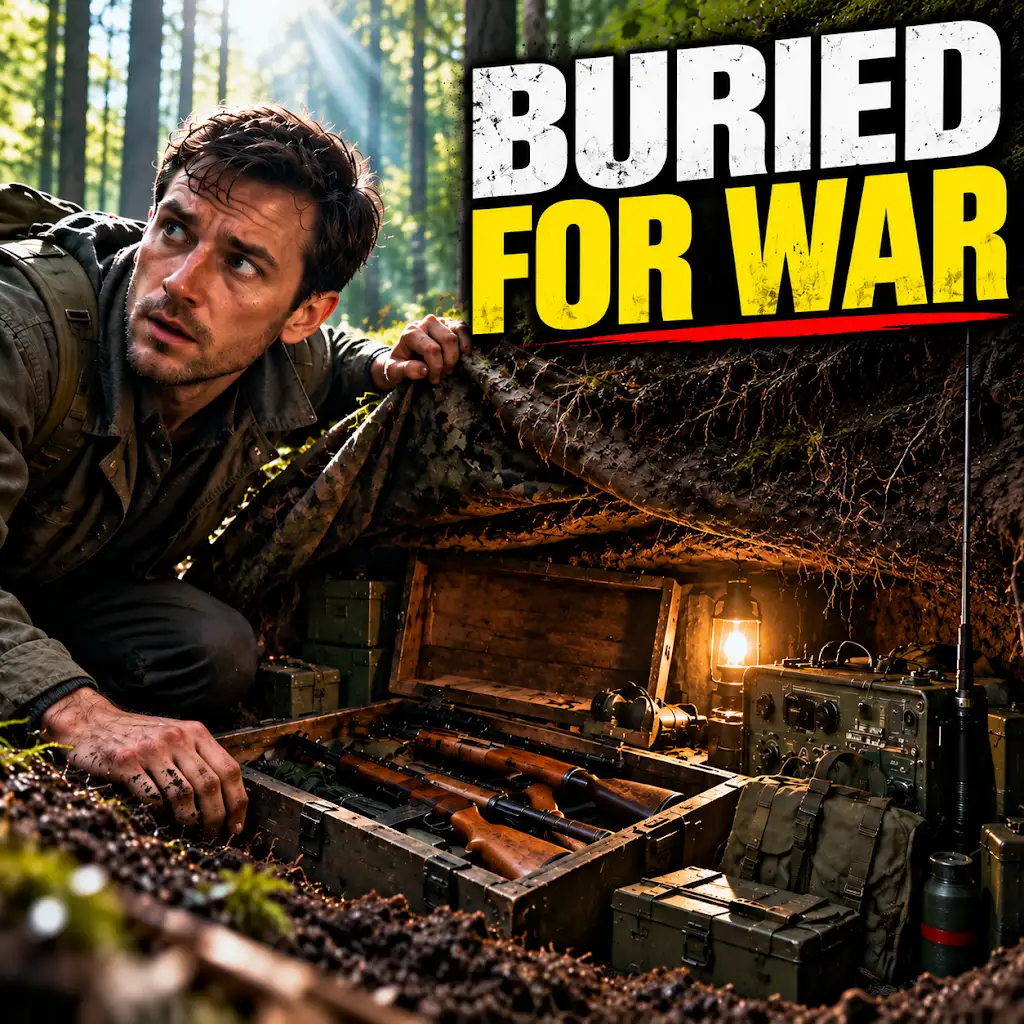
The Secret Armies NATO Prepared for a Soviet Invasion
FAQs
What is the Cold War strategy of tension?
The Cold War strategy of tension refers to a tactic used during the Cold War era, particularly in Europe, where political and social tension was deliberately escalated to create fear and instability. This tactic was often employed by both the Western and Eastern blocs to advance their own political agendas and gain influence.
How was the strategy of tension implemented during the Cold War?
The strategy of tension was implemented through various means, including covert operations, propaganda, espionage, and support for proxy wars. These tactics aimed to create a sense of insecurity and fear among the population, leading to increased support for the government and its policies.
What were the consequences of the strategy of tension?
The consequences of the strategy of tension were widespread and often detrimental. It led to political repression, human rights abuses, and the erosion of civil liberties. Additionally, it fueled social unrest, violence, and conflict, further destabilizing the affected regions.
Which countries were most affected by the strategy of tension during the Cold War?
Countries in Europe, particularly Italy, Greece, and Germany, were among the most affected by the strategy of tension during the Cold War. These countries experienced political turmoil, terrorist attacks, and social upheaval as a result of the deliberate escalation of tension by various actors.
How does the strategy of tension continue to impact global politics today?
While the Cold War era has ended, the strategy of tension continues to impact global politics today. Similar tactics are still used by various governments and non-state actors to manipulate public opinion, sow discord, and advance their own agendas. The legacy of the strategy of tension serves as a cautionary reminder of the dangers of political manipulation and the importance of safeguarding democratic principles.