The Silent Hunters of the Deep
The Cold War, a period of geopolitical tension between the United States and the Soviet Union, was a time of immense technological advancement and strategic maneuvering. While the world watched the skies and the missile silos, a silent, deadly war raged beneath the waves. Submarines, the elusive predators of the ocean depths, played a crucial role in this ideological struggle. For the United States Navy, the primary threat posed by the Soviet Union was its rapidly expanding submarine fleet. These vessels, armed with increasingly sophisticated torpedoes and capable of launching nuclear missiles, represented a grave danger to American naval power and the entire continental United States. In response, the U.S. Navy embarked on a relentless pursuit of effective countermeasures, developing specialized technologies and tactics to hunt down and neutralize these underwater adversaries. This was the genesis of the “Soviet Submarine Killer,” a multifaceted approach rather than a single weapon, that evolved over decades of tense underwater cat-and-mouse.
The Cold War era was marked by intense naval competition, particularly with the development of Soviet submarine carrier killers designed to target and neutralize enemy aircraft carriers. For a deeper understanding of the strategic implications and technological advancements of these formidable vessels, you can explore a related article that delves into their design and operational history. To read more, visit this article.
The Evolving Soviet Submarine Threat
The Soviet Union’s submarine program was a critical component of its strategic doctrine. From the early days of World War II, where German U-boats posed a significant threat to Allied shipping, the Soviets recognized the importance of submarine warfare. However, it was in the post-war era, fueled by Cold War anxieties and access to captured German technology, that their submarine capabilities began to truly blossom. Initially, Soviet submarines were largely copies of existing German designs, emphasizing quantity over quality. These were primarily diesel-electric boats designed for coastal defense and limited offensive operations. However, as the technological gap narrowed and the arms race escalated, the Soviets began to develop their own indigenous designs, incorporating advancements in hull construction, propulsion, and weaponry.
The Diesel-Electric Era and Early Innovations
The initial Soviet submarine fleet consisted primarily of diesel-electric submarines, the same technology that had proven so effective in World War II. These submarines were limited by their need to surface or snorkel regularly to recharge their batteries, making them vulnerable to detection by radar and aerial reconnaissance. Despite these limitations, the sheer number of these vessels, coupled with aggressive training and doctrine, made them a formidable force. They were designed for mass production, and the Soviets churned out these boats in considerable numbers, posing a significant logistical and tactical challenge for the U.S. Navy. Early detection methods relied heavily on sonar, visual observation, and airborne patrols equipped with radar. The U.S. Navy developed sophisticated sonar arrays, both on ships and in its own submarines, to listen for the telltale sounds of Soviet diesel engines and propeller noise.
The Dawn of Nuclear Propulsion
The true game-changer for the Soviet submarine force, and consequently for the U.S. Navy’s “killer” efforts, was the advent of nuclear propulsion. The Soviet Union successfully launched its first nuclear-powered submarine, the K-3 Leninsky Komsomolets, in 1958. This marked a paradigm shift. Nuclear submarines were no longer constrained by the need to surface for air. They could remain submerged for extended periods, traveling at higher speeds, and operating in deeper waters, significantly increasing their stealth and operational range. This posed an existential threat, as Soviet nuclear submarines armed with ballistic missiles could theoretically launch a first strike from the ocean depths, evading early warning systems and leaving the United States with little to no retaliatory time. The U.S. Navy had already pioneered nuclear propulsion for submarines with the USS Nautilus in 1954, but the Soviets rapidly caught up, producing a diverse range of nuclear-powered attack submarines (SSNs) and ballistic missile submarines (SSBNs).
The Growing Threat of Ballistic Missile Submarines
The development of Soviet SSBNs, such as the Hotel and later the fearsome Typhoon class, was particularly concerning. These submarines carried intercontinental ballistic missiles (ICBMs) capable of reaching targets across the United States. Their ability to patrol the vast expanses of the world’s oceans, remaining hidden and ready to launch, presented a “second-strike” capability that was central to Soviet strategic thinking. The U.S. Navy’s primary objective in this context shifted from solely sinking enemy submarines to also ensuring the survivability of its own forces and, if necessary, tracking and neutralizing these SSBNs before they could launch. This necessitated a constant state of vigilance and the development of an anti-submarine warfare (ASW) force capable of detecting, tracking, and destroying these elusive targets.
The U.S. Navy’s Anti-Submarine Warfare Arsenal
To counter the escalating Soviet submarine threat, the U.S. Navy invested heavily in developing a comprehensive anti-submarine warfare (ASW) arsenal. This arsenal was not a single weapon but a coordinated system of sensors, platforms, and weaponry designed to detect, track, localize, and ultimately neutralize enemy submarines. The U.S. Navy understood that a single solution was insufficient. Instead, a layered defense, employing a variety of assets, was deemed the most effective strategy. This included advancements in sonar technology, the development of specialized ASW aircraft and helicopters, and the refinement of torpedoes and other offensive weapons.
The Power of Sonar: Listening to the Deep
Sonar, an acronym for Sound Navigation and Ranging, was the cornerstone of U.S. Navy ASW efforts. The principle is simple: emit sound waves and analyze the echoes that return after striking an object. However, the technological sophistication required to do this effectively in the complex acoustic environment of the ocean was immense.
Active Sonar: The Sounding Out
Active sonar involves emitting a sound pulse and listening for the echo. While effective for detecting submarines at closer ranges and providing a strong target fix, it has a significant drawback: it reveals the sonar-equipped vessel’s position to the target. During the Cold War, this was a major consideration. Soviet submarines were designed to evade sonar, and using active sonar too liberally could alert them to the presence of an American hunter. U.S. Navy vessels, particularly destroyers and frigates, were equipped with powerful active sonar systems, often hull-mounted or towed arrays. These were used judiciously, often in coordinated ASW operations where other assets could maintain passive surveillance.
Passive Sonar: The Silent Listener
Passive sonar, on the other hand, listens for sounds emitted by the target itself. This is the preferred method for stealthy detection. Submarines, even nuclear-powered ones, generate a wealth of acoustic signatures: the hum of their machinery, the cavitation from their propellers, the creaks and groans of their hulls under pressure. U.S. Navy submarines, as well as surface ships and maritime patrol aircraft, were equipped with highly sensitive passive sonar systems. These systems were designed to analyze the complex acoustic spectrum, differentiating between the sounds of a Soviet submarine and natural ocean noise or other friendly vessels. Sophisticated algorithms and highly trained sonar operators were essential for identifying faint signals and classifying them as potential threats. Towed sonar arrays, long strings of hydrophones towed behind a ship or submarine, were particularly effective, allowing for a wider listening aperture and improved signal-to-noise ratio.
The Eyes and Ears in the Sky: ASW Aviation
The U.S. Navy’s reliance on submarines and surface ships for ASW was supplemented by a robust fleet of ASW aircraft and helicopters. These airborne platforms offered several advantages: speed, range, and the ability to deploy sophisticated sensors and weaponry over vast ocean areas.
Maritime Patrol Aircraft: The Long-Range Sentinels
Dedicated maritime patrol aircraft, such as the Lockheed P-3 Orion, were the long-range sentinels of the ASW world. These robust aircraft were equipped with a suite of sensors, including radar, magnetic anomaly detectors (MAD), and sonobuoys. Radar could detect submarines when they were at periscope depth or on the surface. MAD detected disturbances in the Earth’s magnetic field caused by a large metal object like a submarine, effective at relatively close range but useful for confirming a sonar contact. Sonobuoys were perhaps the most crucial airborne ASW tool. These were small, expendable buoys dropped into the water that acted as floating sonar devices. They could be deployed in large patterns, creating a vast listening net that transmitted acoustic data back to the aircraft. The P-3 Orion could also deploy torpedoes, making it a potent offensive ASW platform.
ASW Helicopters: The Nimble Hunters
Helicopters, such as the Kaman SH-2 Seasprite and later the Sikorsky SH-60 Seahawk, provided a more nimble and versatile ASW capability. They could operate from smaller ships and were particularly effective in “hover-and-stare” operations, using their dipping sonar (a sonar transducer lowered into the water) to investigate suspicious sonar contacts. Helicopters could also deploy torpedoes, effectively extending the ASW reach of their host vessels. Their ability to operate in challenging weather conditions and their vertical take-off and landing (VTOL) capability made them invaluable assets in any ASW mission.
Lethal Endeavors: Torpedoes and Depth Charges
Once a submarine was detected and localized, the final step was to neutralize it. This was primarily accomplished through the use of torpedoes, although depth charges remained in the arsenal, especially for older designs or in certain tactical scenarios.
The Torpedo’s Deadly Dance
Torpedoes are self-propelled underwater weapons designed to detonate on or near a target. The development of advanced torpedoes was a critical aspect of the “Soviet Submarine Killer” doctrine.
Acoustic Homers and Wire-Guided Systems
Early torpedoes relied on a simple straight run or were manually steered. However, Cold War torpedoes became increasingly sophisticated. Acoustic homing torpedoes, like the Mark 48, were designed to “hear” the sounds of a submarine and home in on them. These could be programmed with different search patterns and were highly effective against the noisy Soviet submarines. Wire-guided torpedoes, such as the Mark 37 and later the Mark 32, allowed the launching platform to steer the torpedo after firing, providing greater accuracy and the ability to correct for evasive maneuvers. This was crucial against highly maneuverable Soviet submarines. The development of torpedoes with advanced warheads, capable of inflicting catastrophic damage, was also a significant factor.
The Depth Charge’s Legacy
While torpedoes became the primary offensive weapon, depth charges, explosive devices detonated at a predetermined depth, remained a part of the ASW arsenal. They were often used by helicopters or in situations where a quick kill was paramount and torpedo targeting was difficult. However, their effectiveness against modern, deep-diving submarines was limited.
The Art of ASW: Tactics and Doctrine
Beyond the hardware, the effectiveness of the U.S. Navy’s “Soviet Submarine Killer” approach lay in its sophisticated tactics and doctrine. ASW was not just about having the right equipment; it was about how that equipment was employed, the training of the personnel, and the coordinated efforts of multiple platforms. The U.S. Navy developed complex operational plans and employed a range of tactics to hunt and destroy submarines.
The Hunter-Killer Team Concept
A cornerstone of U.S. Navy ASW doctrine was the “hunter-killer” team. This concept involved pairing submarines or surface ships with specialized roles. A “hunter” would be tasked with detecting and tracking a suspected submarine, while a “killer” would be the platform designated to launch the attack. This allowed for a more focused and effective engagement. For example, a quiet U.S. Navy attack submarine might be the hunter, passively tracking a Soviet submarine, and then relaying its position to a destroyer or another submarine that would then press the attack with torpedoes.
Sonar Nets and Barrier Operations
To counter the mobility of Soviet submarines, the U.S. Navy employed tactics like establishing “sonar nets” and “barrier operations.” Sonar nets involved deploying a series of fixed or mobile sonar arrays, often in choke points or strategic areas, to detect submarines transiting through them. Barrier operations involved positioning ASW assets in specific locations to intercept or deter Soviet submarines from reaching their objectives. These operations required extensive intelligence gathering and coordination to be effective.
Electronic Warfare and Deception
In addition to acoustic warfare, electronic warfare (EW) also played a role. While submarines operated primarily underwater, they still emitted electronic signals when using radar or communications equipment. U.S. Navy ASW platforms were equipped with sensors to detect these emissions, providing valuable intelligence and target information. Furthermore, deception tactics were employed to confuse Soviet submarines, such as the use of acoustic decoys to lure torpedoes away from friendly vessels.
Intelligence Gathering and Analysis
Crucially, the entire ASW effort was underpinned by robust intelligence gathering and analysis. Understanding Soviet submarine design, operational patterns, and deployment areas was vital. This intelligence came from various sources, including signals intelligence (SIGINT), human intelligence (HUMINT), and reconnaissance aircraft. This information informed ASW tactics, patrol routes, and the deployment of assets. The ability to predict where Soviet submarines were likely to be found was as important as the ability to detect them once they were there.
The Cold War era was marked by intense naval competition, particularly with the development of Soviet submarine carrier killers designed to target and neutralize enemy aircraft carriers. These formidable vessels played a crucial role in the balance of power during this period, showcasing advanced technology and strategic military thinking. For a deeper understanding of the implications of these submarine innovations, you can read more in this insightful article on the topic at In The War Room.
The Strategic Impact and Legacy
| Metric | Details |
|---|---|
| Name | Project 941 Akula (Typhoon-class) |
| Type | Ballistic Missile Submarine / Submarine Carrier Killer |
| Displacement | Approximately 48,000 tons submerged |
| Length | 175 meters (574 feet) |
| Beam | 23 meters (75 feet) |
| Speed | 27 knots submerged |
| Armament | 20 RSM-52 missiles, torpedoes, anti-submarine weapons |
| Role | Strategic nuclear deterrence and anti-submarine warfare |
| Operational Period | 1981 – Present (limited active service) |
| Notable Features | Largest submarines ever built, double-hulled design, multiple pressure hulls |
The relentless pursuit of the “Soviet Submarine Killer” had a profound strategic impact on the Cold War and left a lasting legacy on naval warfare. The constant threat of U.S. Navy ASW forces undoubtedly influenced Soviet submarine operations, forcing them to adopt more cautious tactics and invest in quieter, more advanced designs.
Deterrence and the Balance of Power
The U.S. Navy’s ability to track and potentially neutralize Soviet submarines contributed to the overall deterrence posture of NATO. The knowledge that Soviet SSBNs could be intercepted and that Soviet attack submarines were under constant surveillance limited the operational freedom and perceived invincibility of the Soviet submarine fleet. This helped maintain a delicate balance of power, where neither side could credibly threaten a first strike without risking a devastating response.
Technological Advancements and Future Warfare
The technologies developed for ASW during the Cold War – advanced sonar, acoustic processing, torpedo guidance systems, and maritime patrol aircraft – laid the groundwork for many of the ASW capabilities used by navies around the world today. The ongoing development of quieter submarines and more sophisticated countermeasures continues to drive innovation in ASW, ensuring that the silent hunt beneath the waves remains a critical aspect of modern naval strategy. The lessons learned in countering the Soviet submarine threat continue to inform training, doctrine, and the development of future naval platforms.
The Unseen Battleground
The Cold War beneath the waves was an unseen battleground, a testament to the dedication and ingenuity of the men and women who served in the U.S. Navy’s ASW forces. Their constant vigilance, their sophisticated technology, and their evolving tactics created a formidable “Soviet Submarine Killer” that played a vital, albeit often unheralded, role in shaping the outcome of the Cold War and ensuring global security. The legacy of this silent struggle continues to resonate in the silent, powerful vessels that patrol the oceans today, ever watchful for threats lurking in the deep.
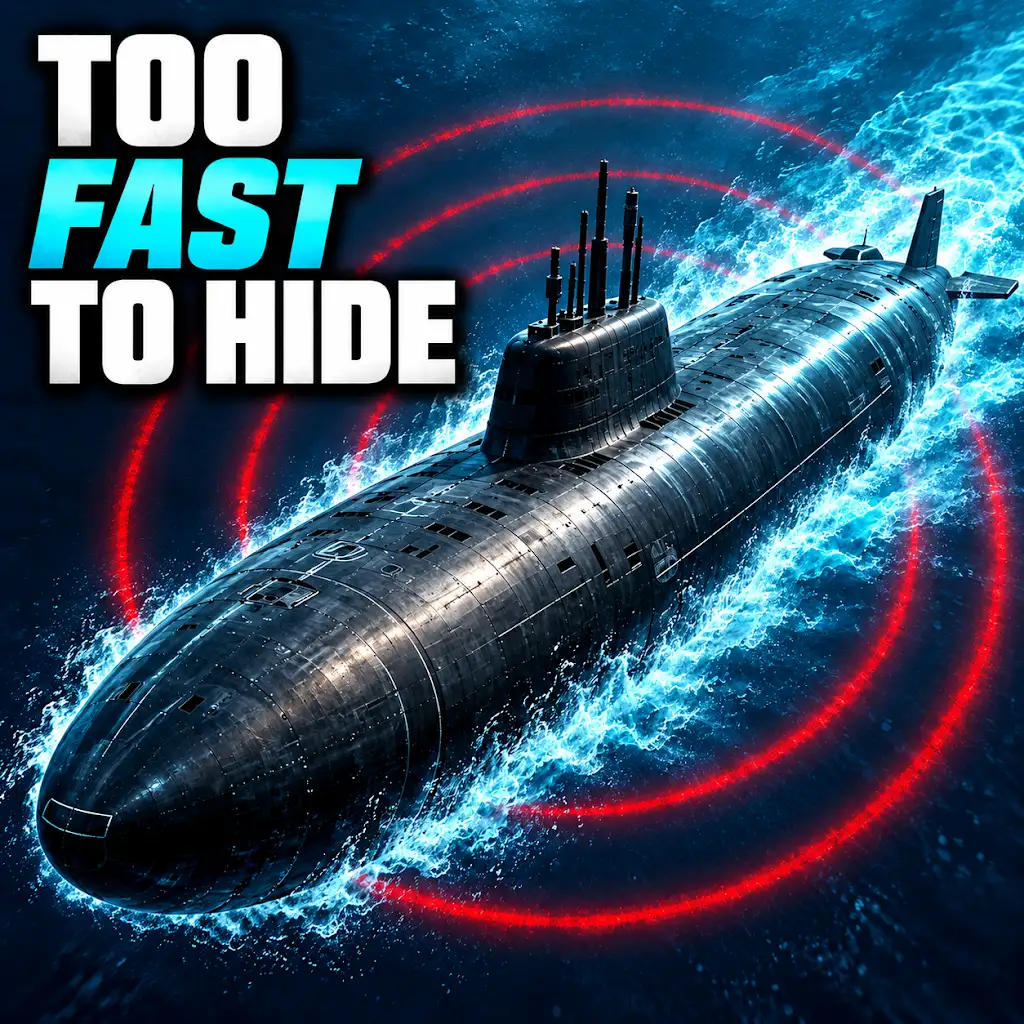
The Soviet Submarine That Broke a Speed Record—and Its Own Stealth
FAQs
What is a Soviet submarine carrier killer?
A Soviet submarine carrier killer refers to a type of submarine designed by the Soviet Union during the Cold War specifically to hunt and destroy aircraft carriers belonging to the United States and its allies.
How did Soviet submarine carrier killers operate?
Soviet submarine carrier killers were equipped with advanced sonar systems, torpedoes, and anti-ship missiles to track and engage enemy aircraft carriers. They were designed to operate silently and remain undetected while carrying out their missions.
What was the role of Soviet submarine carrier killers during the Cold War?
Soviet submarine carrier killers played a crucial role in the Soviet Navy’s strategy of countering the naval power of the United States and its allies. By targeting aircraft carriers, they aimed to disrupt enemy naval operations and protect Soviet interests.
Did Soviet submarine carrier killers engage in any notable incidents during the Cold War?
One of the most notable incidents involving a Soviet submarine carrier killer was the pursuit of the USS America aircraft carrier by a Soviet Victor-class submarine in 1986. The submarine managed to evade detection and successfully track the American carrier for an extended period.
Are Soviet submarine carrier killers still in use today?
While the Soviet Union no longer exists, some of the submarines designed as carrier killers may still be in service with the Russian Navy. However, advancements in naval technology and changes in military strategies have likely led to the development of more modern and sophisticated submarine designs.