The shadows of the Cold War are long and often shrouded in the clandestine operations of secret police forces. These organizations, born from the ideological conflict between East and West, wielded immense power, shaping societies through fear, surveillance, and brutal repression. A new documentary, “The Cold War Secret Police,” seeks to pull back the curtain on these shadowy entities, offering a chilling and illuminating glimpse into their inner workings, their methods, and their lasting impact. This comprehensive exposé delves into the architects of fear, the instruments of control, and the profound human cost of a world divided by ideology and enforced by unseen hands.
Unveiling the Architects of Fear
The documentary meticulously unpacks the origins and ideological underpinnings of the most notorious secret police organizations of the Cold War era. It moves beyond simplistic portrayals to explore the complex historical and political contexts that gave rise to these formidable instruments of state power.
The Genesis of State Surveillance
- Ideological Imperative: “The Cold War Secret Police” begins by examining the fundamental ideological battles of the mid-20th century. The documentary argues that the existential threat perceived by both the Soviet Union and the United States, each fearing ideological subversion and the collapse of their respective systems, was the primary catalyst for the creation and expansion of their intelligence and security apparatuses. The film highlights how communist ideology, with its emphasis on class struggle and the need for vanguard parties to root out counter-revolutionary elements, provided a theoretical framework for pervasive surveillance and repression. Conversely, the democratic West, while ostensibly championing individual liberties, also saw the need for intelligence gathering and covert action to combat perceived communist infiltration and espionage.
- The Legacy of Revolution and War: The documentary traces the lineage of these secret police forces back to earlier revolutionary and wartime security bodies. For instance, it discusses the Cheka and its successors in the Soviet Union, highlighting their role in consolidating Bolshevik power and eliminating perceived enemies during the Russian Civil War. Similarly, the film touches upon the wartime intelligence agencies of Western powers, demonstrating how the experience of World War II, with its heightened sense of national security and the necessity of counter-espionage, laid the groundwork for the more expansive Cold War operations. The transition from wartime necessity to perpetual Cold War vigilance is a key theme explored.
- Cult of Personality and Authoritarianism: A significant portion of the documentary is dedicated to exploring the role of charismatic and often ruthless leaders in shaping the mandates and operations of these secret police. The film illustrates how leaders like Stalin, with his paranoia and his obsession with loyalty, instrumentalized the NKVD (later KGB) to solidify his absolute power. The documentary argues that the cult of personality surrounding such leaders often created an environment where the secret police became both the enforcer of the leader’s will and the primary mechanism for maintaining that cult. This created a dangerous feedback loop of fear and obedience.
The Soviet State Security Apparatus: A Multifaceted Monster
The Soviet Union’s security apparatus, a behemoth that evolved through several iterations, receives extensive attention. The documentary portrays it not as a monolithic entity but as a complex and often internecine organization with overlapping jurisdictions and a constant struggle for influence.
The KGB: More Than Just Spies
- Origins and Evolution: The film traces the lineage of the KGB back to the Cheka, the Extraordinary Commission for Combating Counter-Revolution and Sabotage, established in 1917. It details the subsequent transformations into the NKVD (People’s Commissariat for Internal Affairs), the MGB (Ministry of State Security), and finally, the KGB (Committee for State Security) in 1954. Each iteration, the documentary explains, brought new responsibilities and methods, but the core mission of safeguarding the Soviet state, often through brutal means, remained constant. The film emphasizes the cyclical nature of purges and internal struggles within the security organs themselves, as leadership changed and new threats, real or perceived, emerged.
- Domestics and Foreign Operations: “The Cold War Secret Police” distinguishes between the KGB’s domestic functions and its extensive foreign operations. Domestically, the KGB was responsible for rooting out dissent, conducting surveillance on the populace, controlling borders, and suppressing any form of opposition. Abroad, it engaged in espionage, disinformation campaigns, political subversion, and the support of communist movements worldwide. The documentary provides case studies of both, illustrating the sheer scale and ambition of the KGB’s reach.
- The Gulag System: While the Gulag system predates the formal establishment of the KGB, the documentary makes it clear that the KGB, through its predecessors, was instrumental in its operation and expansion. The film unflinchingly depicts the brutal reality of the forced labor camps, highlighting their role in the Soviet economy and as instruments of political terror. The sheer numbers of individuals sent to the Gulag, often on fabricated charges, serves as a stark testament to the pervasive reach of the state security apparatus.
The GRU: The Military’s Shadowy Arm
- Military Intelligence and Covert Action: The documentary also sheds light on the Main Intelligence Directorate of the General Staff of the Armed Forces (GRU), the military intelligence agency of the Soviet Union. While often overshadowed by the KGB, the GRU played a crucial role in military espionage, technical intelligence, and covert operations, often operating in parallel and sometimes in competition with the KGB. The film explains that the GRU’s focus was primarily on military targets, but its operations often intersected with political goals, making it a significant player in the Cold War’s clandestine landscape.
The Stasi: The Panopticon of East Germany
The German Democratic Republic’s Ministry for State Security, more commonly known as the Stasi, emerges in the documentary as a particularly chilling example of total surveillance. The film meticulously details its pervasive reach into the lives of ordinary citizens.
The Informant Network: Eyes and Ears Everywhere
- Human Intelligence and Betrayal: The Stasi’s most potent weapon was its vast network of informants, known as “Inoffizielle Mitarbeiter” (IMs). The documentary reveals how ordinary citizens, often coerced or incentivized, became spies on their friends, family, and colleagues. This created a climate of intense suspicion and paranoia, where trust became a scarce commodity. The film explores the motivations of these informants, ranging from ideological conviction to personal gain and blackmail, and the profound moral compromises they were forced to make.
- Sophisticated Surveillance Technology: Beyond human intelligence, the Stasi was a pioneer in the development and deployment of advanced surveillance technology. The documentary showcases the extensive use of listening devices, hidden cameras, mail interception, and sophisticated data analysis techniques. The Stasi’s meticulous record-keeping and its ability to cross-reference information created a comprehensive dossier on almost every citizen, allowing them to predict and preempt potential dissent.
- Psychological Warfare and Manipulation: The Stasi was not only concerned with gathering information but also with actively manipulating and demoralizing its targets. The film describes the use of “Zersetzung,” a complex strategy of psychological warfare designed to systematically dismantle individuals’ lives through subtle means. This could involve spreading rumors, fabricating evidence, damaging reputations, and creating insurmountable obstacles in their personal and professional lives, all without overt physical violence.
For those interested in the intricate workings of Cold War-era secret police, a fascinating related article can be found at this link: The Shadowy World of Cold War Espionage. This article delves into the tactics and operations of various secret police organizations during the Cold War, providing context and insight that complements the themes explored in the documentary. It offers a deeper understanding of the political climate and the pervasive atmosphere of surveillance that characterized this tumultuous period in history.
The Instruments of Control
Beyond surveillance, these secret police forces employed a range of methods to maintain their grip on power, often blurring the lines between intelligence gathering and outright repression.
From Interrogation to Torture: Breaking the Human Spirit
- Interrogation Techniques: The documentary explores the grim realities of interrogation rooms. It details the psychological tactics employed to break down individuals, including sleep deprivation, isolation, threats, and relentless questioning. The film features interviews with former detainees who recount their harrowing experiences, offering firsthand testimonies of the mental and emotional toll of these interrogations.
- The Use of Torture: While official narratives often downplayed or denied its use, “The Cold War Secret Police” presents evidence and testimony suggesting the widespread use of torture by various secret police organizations. The film examines how torture was employed not only to extract confessions but also as a means of punishment and to instill terror. The ethical and moral implications of state-sanctioned torture are a central theme, highlighting the deep depravity that can accompany unchecked power.
- Fabricated Evidence and Show Trials: A common tactic employed by these organizations was the fabrication of evidence to justify arrests and convictions. The documentary explains how false confessions were often extracted, and trumped-up charges were used to silence political opponents and perceived threats. The film also delves into the notorious “show trials” that were staged to publicly condemn and eliminate individuals, further solidifying the regime’s narrative and instilling fear in the populace.
Disinformation and Propaganda: Shaping the Narrative
- The Power of Lies: The Cold War was as much a battle of ideas as it was a military standoff. The documentary highlights how secret police forces were instrumental in disseminating propaganda and disinformation campaigns to both bolster domestic support and undermine enemies. The film explains how fabricated news stories, forged documents, and carefully crafted narratives were used to shape public opinion and demonize opposing ideologies.
- Covert Operations and Sabotage: Beyond propaganda, these organizations engaged in a wide range of covert operations designed to destabilize enemy governments and influence events in their favor. The documentary touches upon assassinations, sabotage, funding of political extremists, and the manipulation of public discourse in foreign countries. These operations, often carried out with deniability, were a crucial element of the Cold War’s unseen conflict.
- Control of Information Flow: A key aspect of maintaining ideological purity was the strict control of information flow. The documentary details how censorship was employed to suppress dissenting voices, limit access to external information, and ensure that the official narrative was the only one heard. The film showcases the methods used to block foreign broadcasts, confiscate forbidden literature, and punish those who sought to share or consume unsanctioned information.
The Human Cost: Lives Shattered
The documentary’s most profound impact comes from its unwavering focus on the human cost of these clandestine operations. It moves beyond abstract political analysis to explore the personal tragedies and the lasting scars left on individuals and societies.
The Price of Dissent: Imprisonment and Exile
- The Political Prisoner: “The Cold War Secret Police” offers poignant portraits of individuals who were targeted for their beliefs or actions. The film features interviews with former political prisoners who recount their experiences of lengthy imprisonments, often in harsh conditions, for minor offenses or simply for expressing an opinion. The psychological toll of years spent in prison, separated from loved ones and stripped of their freedom, is palpable.
- Forced Exile and the Loss of Home: For many, the threat of imprisonment was so severe that exile became the only option. The documentary explores the wrenching experience of leaving one’s homeland, family, and everything familiar behind to seek refuge in a foreign land. The film highlights the challenges faced by exiles, including cultural alienation, the struggle to rebuild lives, and the lingering sense of loss.
- The Dissident’s Struggle: The film also celebrates the courage of dissidents who continued to speak out against oppression, often at great personal risk. Their stories serve as a testament to the enduring human spirit and the importance of fighting for freedom of expression, even in the face of overwhelming odds. The documentary acknowledges the heavy price paid by many of these courageous individuals.
The Legacy of Fear: Trauma and Mistrust
- Generational Trauma: The documentary argues that the pervasive fear and surveillance engendered by secret police forces left a deep and lasting scar on societies. The film discusses how the constant threat of betrayal and the normalization of suspicion created a climate of mistrust that can persist for generations. The psychological impact on children who grew up in such environments, constantly aware of the potential for denunciation, is explored.
- Erosion of Trust in Institutions: The experience of being monitored and controlled by state security agencies led to a profound erosion of trust in government institutions. The documentary explains how this legacy of suspicion can hinder democratic development and make it difficult for societies to move forward and heal from past traumas. The film emphasizes that the damage done to the social fabric is not easily repaired.
- The Unseen Scars: The film concludes by underscoring that the scars of the Cold War secret police are not always visible. They are etched in the memories of survivors, in the fractured families, and in the lingering anxieties that can still be felt in societies that were once under their oppressive gaze. The documentary serves as a powerful reminder that the fight for freedom and human rights is an ongoing struggle, and that vigilance against the abuses of power is always necessary.
The Documentary’s Impact and Relevance
“The Cold War Secret Police” is not merely an historical account; it is a stark warning and a vital educational tool. The documentary’s meticulously researched narrative, compelling interviews, and evocative archival footage combine to create an unforgettable viewing experience.
Beyond the Iron Curtain: A Global Phenomenon
- Western Intelligence Agencies: While the documentary heavily features Eastern Bloc security forces, it also acknowledges the existence and activities of intelligence agencies in the West. The film explores the ethical dilemmas faced by these organizations and the ways in which their operations, while often framed as defensive, also contributed to the climate of suspicion and covert conflict during the Cold War. The documentary suggests that the distinction between “us” and “them” was often more complex than presented.
- The Intelligence Arms Race: The film posits that the Cold War was, in part, an intelligence arms race. Both sides continuously sought to outmaneuver and out-gather the other, leading to an escalating spiral of espionage, counter-espionage, and clandestine operations. The documentary shows how the resources and personnel dedicated to intelligence and security far exceeded what might have been considered necessary in a non-ideological conflict.
- Proxy Conflicts and Intelligence: The documentary highlights how secret police organizations played a significant role in supporting proxy conflicts and influencing political events in developing nations. The film illustrates how the ideological battleground extended far beyond the borders of the superpowers, with intelligence agencies actively working to shape the outcomes of wars and political transitions.
In exploring the chilling tactics employed by Cold War secret police, one can gain further insight by examining a related article that delves into the psychological impact of surveillance on society. This comprehensive piece not only highlights the methods used by these agencies but also discusses the broader implications for civil liberties and personal freedom. For more information, you can read the full article here.
The Persistence of Surveillance in the Digital Age
The documentary’s exploration of pervasive surveillance and control resonates powerfully in the contemporary era, with its own unique challenges in the realm of digital privacy and state monitoring.
Echoes of the Past: Modern Surveillance Techniques
- The Evolution of Surveillance: “The Cold War Secret Police” draws unsettling parallels between the methods employed by Cold War-era secret police and contemporary surveillance practices. The film suggests that while the tools have evolved from the physical to the digital, the underlying impulse to monitor and control remains a potent force. The documentary encourages viewers to consider how advancements in technology have amplified the potential for state surveillance.
- Data Collection and Profiling: The documentary explores how the vast amounts of data collected today, from online activity to financial transactions, can be used to create detailed profiles of individuals. This echoes the meticulous record-keeping of the Stasi, raising concerns about the potential for misuse of such information by governments and corporations alike. The film prompts a discussion about the ethical implications of mass data collection.
- The Fight for Privacy: The film concludes with a call to action, urging viewers to recognize the importance of protecting civil liberties and fighting for privacy in an increasingly interconnected world. It emphasizes that the lessons learned from the Cold War era are not confined to history but are essential for safeguarding democratic values in the present and future. The documentary leaves the audience with a profound understanding of the fragility of freedom and the ongoing need for vigilance.
This revealing documentary, “The Cold War Secret Police,” stands as a crucial historical document and a sobering reminder of the human cost of ideological conflict and the enduring dangers of unchecked state power. It compels viewers to confront the darker aspects of recent history and to consider the implications for the present, urging a continued commitment to transparency, accountability, and the unwavering defense of human rights. The film is a testament to the bravery of those who resisted and a somber reflection on the profound impact of those who enforced fear from the shadows.
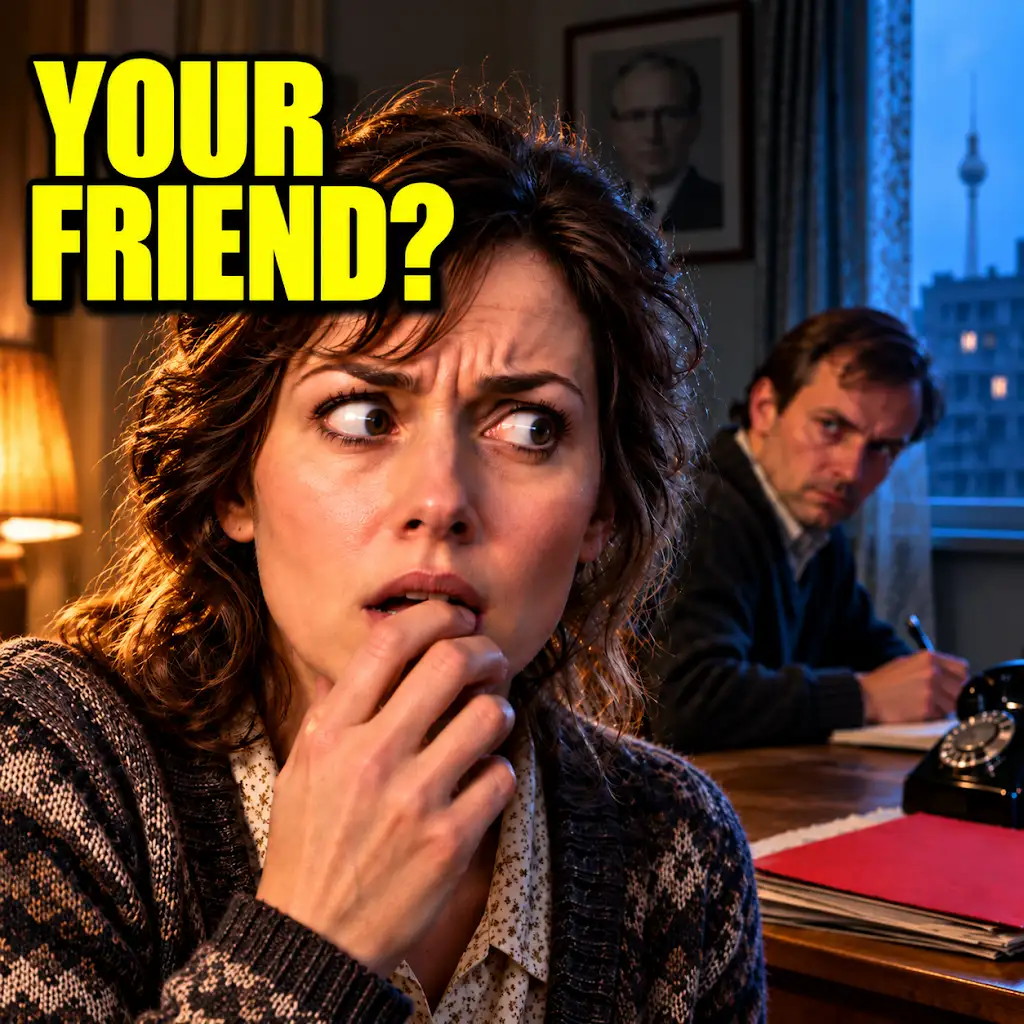
The Stasi Made You Suspect Everyone
FAQs
What is the Cold War secret police documentary about?
The Cold War secret police documentary explores the activities and tactics of various secret police agencies during the Cold War era, including the KGB, Stasi, and CIA. It delves into their surveillance methods, interrogation techniques, and the impact they had on individuals and society.
When was the Cold War secret police documentary released?
The release date of the Cold War secret police documentary varies depending on the specific documentary being referenced. There have been several documentaries produced on this topic over the years, each with its own release date.
What are some key themes explored in the Cold War secret police documentary?
Some key themes explored in the Cold War secret police documentary include state surveillance, political repression, espionage, propaganda, and the impact of these activities on individuals and communities during the Cold War era.
Where can I watch the Cold War secret police documentary?
The Cold War secret police documentary may be available for streaming on various platforms such as Netflix, Amazon Prime, Hulu, or other streaming services. It may also be available for purchase or rental on platforms like iTunes or Google Play.
Who are some of the key figures or organizations featured in the Cold War secret police documentary?
The Cold War secret police documentary may feature key figures such as former KGB agents, Stasi officers, CIA operatives, and individuals who were targeted by these secret police agencies. It may also explore the leadership and inner workings of these organizations during the Cold War.