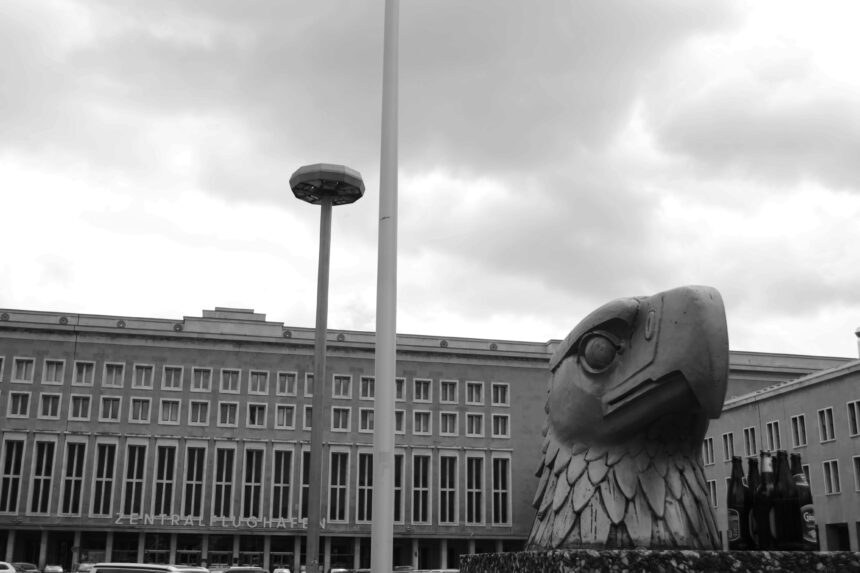
Tempelhof Berlin Airlift: A Historic Humanitarian Effort
The story of Tempelhof Airport in Berlin is inextricably linked to one of the most remarkable humanitarian efforts in modern history: the Berlin Airlift. From June 1948 to September 1949, this sprawling former airfield became the linchpin of an unprecedented logistical and political operation, defying a Soviet blockade and saving millions of West Berliners from starvation and subjugation. It was a testament to human ingenuity, courage, and an unwavering commitment to freedom in the face of overwhelming adversity.
The end of World War II in 1945 did not bring lasting peace to Europe. Instead, the continent found itself divided between the victorious Allied powers – the United States, Great Britain, and France – and the burgeoning Soviet Union. Germany, the epicenter of the conflict, was carved into four occupation zones, with Berlin, situated deep within the Soviet zone, also divided into four sectors. This arrangement, born out of wartime necessity, quickly became a point of contention.
The Berlin Question: A City Divided
Berlin, the former capital of Nazi Germany, was a unique and precarious anomaly. Despite being surrounded by Soviet-controlled territory, the Western sectors of the city were administered by the United States, Britain, and France. This created a Western enclave within the Soviet sphere of influence, a powerful symbol of democratic ideals in a rapidly consolidating Communist bloc. The Soviets, under Joseph Stalin, viewed this Western presence as a provocation and an obstacle to their ambitions of fully integrating Germany into their orbit.
Currency Reform and Soviet Provocation
The immediate trigger for the blockade was the introduction of a new currency, the Deutsche Mark, into the Western zones of Germany and the Western sectors of Berlin on June 20, 1948. The Soviets saw this as a unilateral move that undermined their economic control and further solidified the division of Germany. In response, on June 24, 1948, the Soviet Union severed all land and water transport links between the Western zones and West Berlin, effectively cutting off over two million people from vital supplies. This act of aggression was a deliberate attempt to force the Western powers to abandon Berlin, thereby consolidating Soviet control over the entire city.
The Strategic Importance of Berlin
Berlin was not just a city; it was a potent symbol. For the Soviets, its capture would represent a significant propaganda victory and a clear indication of Western weakness. For the Western Allies, however, abandoning Berlin would be seen as a betrayal of its citizens and a capitulation to Soviet pressure, undermining their credibility and resolve in the eyes of the world. The stakes were incredibly high, and the decision of how to respond to the blockade was fraught with peril.
The Tempelhof Berlin Airlift, a pivotal event during the Cold War, showcased the resilience and determination of the Allied forces in their efforts to support West Berlin amidst Soviet blockades. For a deeper understanding of the strategic implications and the human stories behind this monumental operation, you can read a related article that delves into the broader context of the Cold War and its impact on Berlin at In The War Room.
Operation Vittles: The Birth of the Airlift
The immediate aftermath of the Soviet blockade was one of shock and uncertainty. The Western powers faced a stark choice: abandon Berlin, risking a domino effect of Soviet expansion across Europe, or find a way to resupply the city. Military invasion of the Soviet zone was a perilous option, with the potential for a full-scale war. Diplomatically, negotiations with the Soviets proved fruitless. It was in this dire predicament that the audacious concept of a massive airlift emerged, an idea that would soon be known as Operation Vittles.
The Improbable Solution: Air Power
The idea of supplying a city of over two million people solely by air seemed, at first glance, preposterous. The sheer volume of food, fuel, and other essential goods required was staggering. Yet, the military planners, particularly in the United States and Great Britain, began to recognize the potential of their air forces. Tempelhof, with its long runway and central location, became the lynchpin of this ambitious undertaking. Its proximity to West Berlin made it the ideal primary landing site for the overwhelming majority of cargo planes.
Early Challenges and Initial Preparations
The initial days of the airlift were chaotic. Aircraft were scarce, and pilots and crews were stretched to their limits. Logistics were a nightmare, with the need to coordinate thousands of flights, manage air traffic, and ensure the efficient unloading and distribution of goods on the ground. The weather, a constant factor in aviation, also presented significant challenges, with fog, snow, and ice frequently disrupting operations. However, the resolve to succeed was palpable.
The American and British Contributions
The United States Air Force (USAF) and the Royal Air Force (RAF) bore the brunt of the airlift. American C-47 Skytrains and later larger C-54 Skymasters, along with British Dakotas and Yorks, formed the backbone of the fleet. Pilots, mechanics, air traffic controllers, and ground crews worked tirelessly, often in grueling conditions, to keep the planes flying. The spirit of determination and cooperation between the Allied forces was a crucial element in the airlift’s eventual success.
The Tempelhof Hub: A Symphony of Aircraft and Determination

Tempelhof Airport transformed into a hive of activity, a bustling aerial gateway to a besieged city. The constant drone of aircraft engines became the soundtrack of hope for West Berliners. The airport, once a symbol of German aviation prowess, was now a beacon of international solidarity.
The Unrelenting Rhythm of Flights
From the very beginning, the airlift operated on a relentless schedule. Flights arrived and departed around the clock, often with only minutes between them. Pilots flew in all weather conditions, navigating treacherous corridors to land at Tempelhof. The sheer volume of aircraft was astonishing; at the peak of the operation, a plane landed in Berlin every few minutes. This constant flow of supplies was critical to maintaining the city’s survival.
Cargo Diversity: More Than Just Food
While food was undoubtedly the most critical commodity, the airlift transported a vast array of essential goods. Coal for heating and power generation was paramount, as the winter months approached. Medical supplies, raw materials for industry, and even goods for consumer needs were all part of the airlift’s immense cargo. The logistical challenge extended to ensuring that the right goods arrived at the right time to meet the city’s diverse needs.
The Role of Tempelhof’s Infrastructure
Tempelhof’s extensive facilities were vital. Its long runway could accommodate the largest cargo planes of the era, and its apron areas were crucial for the rapid turnaround of aircraft. The airport’s control tower became a nerve center, managing the intricate flow of air traffic. Ground crews worked with remarkable efficiency to unload the planes and distribute the cargo, often in difficult conditions.
The “Candy Bombers” and the Spirit of Hope
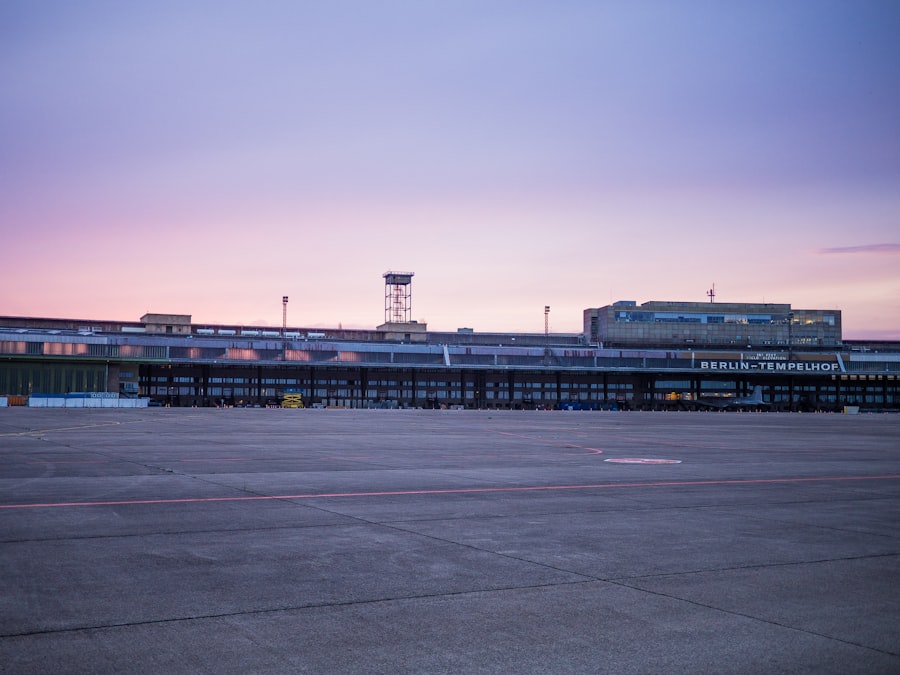
Beyond the sheer volume of supplies, the Berlin Airlift captured the imagination of the world through its human-centric elements. One of the most poignant and enduring symbols of this was the initiative of the “Candy Bombers.”
Operation Little Vittles: Dropping Sweet Treats
Lieutenant Gail Halvorsen, an American pilot, initiated a small, informal act of kindness that would resonate deeply. Observing children gathered to watch the planes land at Tempelhof, he began dropping small handkerchief parachutes with candy attached. This simple gesture of goodwill quickly expanded, and soon, other pilots joined in, dropping candy and small toys.
Building Bridges with Chocolate
These small acts of generosity transformed the perception of the airlift from a purely military and political operation into one of genuine human connection. The candy drops became a symbol of hope and reassurance for the children of West Berlin, a tangible reminder that they were not forgotten and that the outside world cared. The pilots who participated became known as “Rosinenbomber” (raisin bombers) or “Candy Bombers,” heroes in their own right.
A Symbol of Empathy and Resilience
The “Candy Bombers” represented the human face of the airlift. They demonstrated that even in the face of intense political pressure and potential conflict, compassion and empathy could prevail. This humanitarian aspect helped to foster a deep bond between the people of Berlin and the Allied forces, a bond that transcended the immediate political crisis and endured for decades.
The Tempelhof Berlin Airlift stands as a significant event in post-World War II history, symbolizing the resilience and determination of the Allied forces in their efforts to support West Berlin during the Soviet blockade. For those interested in exploring more about the strategic implications and the human stories behind this operation, a related article can provide deeper insights into the challenges faced by the airlift crews and the impact on the local population. You can read more about it in this detailed article, which highlights the complexities of this remarkable chapter in history.
The Impact and Legacy of the Berlin Airlift
| Year | Number of flights | Total cargo delivered (tons) |
|---|---|---|
| 1948 | 189,963 | 2,326,406 |
| 1949 | 270,804 | 3,475,274 |
The Berlin Airlift was a resounding success, not just in its immediate objective of saving West Berlin, but also in its broader geopolitical and symbolic ramifications. It was a pivotal moment in the early Cold War, shaping the future of Germany and Europe.
A Defeat for Soviet Aggression
The Soviet blockade, intended to force the Western Allies out of Berlin, ultimately failed. Instead, it became a significant propaganda defeat for the Soviet Union, highlighting their aggressive tactics and the resolve of the Western powers to resist them. The airlift demonstrated that Western resolve was not limited to military might, but also encompassed a deep commitment to humanitarian principles and the defense of freedom.
The Foundation of NATO and a Divided Germany
The Berlin Airlift directly contributed to the formation of the North Atlantic Treaty Organization (NATO) in April 1949. The shared experience of the blockade and the perceived threat from the Soviet Union solidified the need for a collective defense pact among Western nations. Furthermore, the events of the airlift cemented the division of Germany into two distinct states: the Federal Republic of Germany (West Germany) and the German Democratic Republic (East Germany), a division that would persist for over four decades.
The Enduring Symbol of Freedom and Resilience
Tempelhof Airport, forever etched in history, became a powerful symbol of the Berlin Airlift. It represented the resilience of a city under siege, the unwavering commitment of its allies, and the triumph of hope over oppression. The story of the airlift continues to inspire, serving as a potent reminder of what can be achieved when nations unite in the face of adversity to defend fundamental human values and the right to freedom. The legacy of Tempelhof, as the heart of this extraordinary humanitarian effort, remains a cornerstone of Berlin’s identity and a vital chapter in the history of the 20th century.

How 90 Seconds Kept 2 Million People Alive
FAQs
What was the Tempelhof Berlin Airlift?
The Tempelhof Berlin Airlift, also known as the Berlin Airlift, was a massive humanitarian effort to supply West Berlin with food, fuel, and other necessities after the Soviet Union blockaded the city in 1948.
How long did the Tempelhof Berlin Airlift last?
The Tempelhof Berlin Airlift lasted for 11 months, from June 1948 to May 1949. During this time, over 200,000 flights delivered approximately 2.3 million tons of supplies to West Berlin.
What was the significance of the Tempelhof Berlin Airlift?
The Tempelhof Berlin Airlift was a significant event in Cold War history, demonstrating the resolve of the Western Allies to support West Berlin in the face of Soviet aggression. It also solidified the division between East and West Germany.
Who were the key players in the Tempelhof Berlin Airlift?
The key players in the Tempelhof Berlin Airlift were the United States, the United Kingdom, France, and the Soviet Union. The United States played a major role in organizing and executing the airlift, with General Lucius D. Clay overseeing the operation.
What is the legacy of the Tempelhof Berlin Airlift?
The legacy of the Tempelhof Berlin Airlift is one of international cooperation and humanitarian aid. It is remembered as a symbol of the determination to resist Soviet aggression and support the people of West Berlin during a time of crisis.