The frigid expanse of the Arctic, long considered a remote and largely uninhabited frontier, is now at the heart of a burgeoning geopolitical struggle. “The New Cold War: Russia’s Arctic Geopolitics,” a compelling documentary, plunges viewers into this rapidly evolving landscape, unearthing the complex motivations and strategic ambitions that are reshaping the region. This in-depth exploration goes beyond surface-level news reports, offering a nuanced understanding of Russia’s assertive presence and the potential ramifications for global stability.
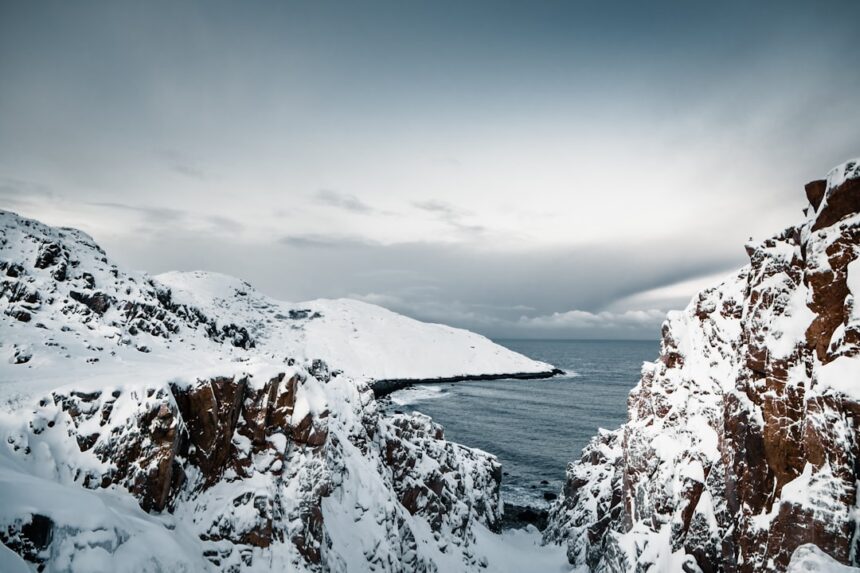
The Arctic is undergoing a profound transformation, driven by the undeniable realities of climate change. As global temperatures rise, the ice that has historically locked away vast resources and rendered large swathes of the region inaccessible begins to recede. This melting opens up new shipping routes, exposes previously unreachable mineral and hydrocarbon deposits, and fundamentally alters the strategic calculus for nations with Arctic coastlines. “The New Cold War” meticulously documents these physical changes, juxtaposing stark aerial footage of melting glaciers with archival images of a frozen, seemingly immutable North. The documentary emphasizes that this is not a future possibility, but a present reality with immediate consequences.
The Economic Imperative: Resource Rush and New Trade Routes
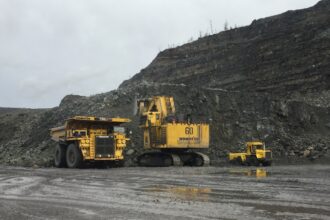
The documentary dedicates significant attention to the immense economic potential of the Arctic. It highlights the discovery and ongoing exploration of vast reserves of oil, natural gas, and rare earth minerals. Russia, with its extensive Arctic coastline, is uniquely positioned to capitalize on this resource boom. The film explores the massive investments Russia is making in extraction infrastructure, from offshore drilling platforms to pipelines that traverse the permafrost. Furthermore, the opening of the Northern Sea Route (NSR) is presented as a potential game-changer in global trade. The documentary illustrates how the NSR, when fully navigable, could significantly shorten shipping times between Asia and Europe, bypassing traditional routes like the Suez Canal. This economic imperative is a primary driver of Russia’s intensified Arctic focus.
Oil, Gas, and the Future of Energy
“The New Cold War” delves into the specifics of Russia’s energy ambitions in the Arctic. It showcases projects like Yamal LNG, a colossal liquefied natural gas plant, and discusses the strategic importance of controlling these energy flows. The documentary examines the technological challenges and environmental risks associated with Arctic energy extraction, but also the sheer magnitude of the potential profits. It presents interviews with energy industry analysts and Russian officials who articulate a vision of the Arctic as a future hub for global energy supply. The narrative underscores how Russia’s economic recovery and future prosperity are inextricably linked to its success in exploiting these Arctic resources.
The Northern Sea Route: A New Silk Road?
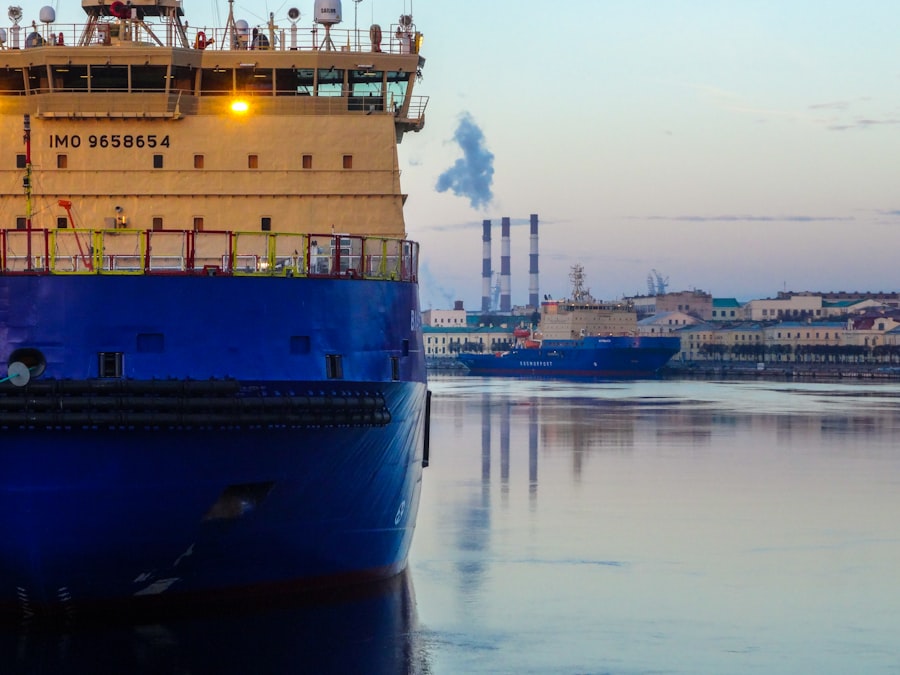
The documentary devotes a substantial segment to the Northern Sea Route. It contrasts the challenges of navigating the NSR in winter with the increasing opportunities during the summer months. Experts featured in the film discuss the logistical hurdles, the need for icebreaker support, and the development of port infrastructure along the route. The potential economic benefits of reduced transit times and costs are clearly articulated, making the NSR a compelling proposition for international shipping. The film also touches upon the geopolitical implications of controlling such a vital trade artery, with Russia asserting its sovereignty over the route and demanding strict adherence to its regulations.
Military Modernization and Strategic Posturing
Beyond economic interests, “The New Cold War” reveals Russia’s significant military buildup in the Arctic. The documentary presents striking visuals of modern Russian military hardware operating in the harsh Arctic environment, including advanced icebreakers equipped with weaponry, fighter jets, and submarines. This military presence is not merely defensive; it is a clear signal of Russia’s determination to assert its sovereignty and protect its interests in the region. The film explores the rationale behind this militarization, linking it to historical precedents and contemporary security concerns.
Reopening Soviet-Era Bases and Building New Infrastructure
The documentary highlights Russia’s strategic decision to reopen and modernize numerous Soviet-era military bases scattered across its vast Arctic coastline. This is depicted as a calculated move to project power and maintain a constant military presence. Viewers are shown footage of newly constructed barracks, airfields, and naval facilities, demonstrating a commitment to a long-term Arctic military strategy. The film also examines the development of new military infrastructure designed specifically for the unique challenges of operating in an Arctic environment, such as reinforced runways capable of handling heavy aircraft and specialized communication systems.
Asserting Sovereignty and Deterrence
“The New Cold War” emphasizes that Russia views its Arctic military buildup as a necessary measure to deter potential adversaries and safeguard its territorial integrity. The documentary explores Russia’s perspective on perceived threats from NATO expansion and the growing interest of other nations in the Arctic. It features discussions with Russian military strategists and analysts who articulate the doctrine of Arctic defense, focusing on maintaining a credible nuclear deterrent and projecting conventional military strength. The film illustrates how Russia aims to present a formidable front, ensuring that its Arctic claims are taken seriously.
For those interested in the intricate dynamics of Russia’s Arctic geopolitics, the documentary “Russia’s Arctic Ambitions” provides an in-depth analysis of the strategic maneuvers and environmental challenges facing the region. This documentary highlights the significance of the Arctic as a new frontier for global power struggles, particularly in light of climate change and melting ice caps. To explore more about this topic, you can read a related article that delves into the implications of these geopolitical shifts at this link.
The Global Response and Emerging Tensions
Russia’s assertive Arctic policy has not gone unnoticed by the international community. “The New Cold War” examines the reactions of other Arctic nations, such as the United States, Canada, Norway, and Denmark, as well as non-Arctic players like China, who are increasingly looking towards the region. The documentary portrays a complex web of cooperation and competition, where shared interests in scientific research and environmental protection often clash with competing strategic and economic ambitions.
NATO’s Arctic Presence and Concerns
The documentary addresses NATO’s growing engagement in the Arctic. It features interviews with NATO officials and military analysts who express concerns about Russia’s military activities and the potential for increased friction. The film showcases NATO exercises conducted in Arctic environments, highlighting the alliance’s efforts to enhance its operational capabilities in the region. The narrative underscores the view that Russia’s actions are altering the security landscape, prompting a more robust response from NATO member states bordering the Arctic.
Exercises, Patrols, and Military Cooperation
“The New Cold War” details various NATO military activities in the Arctic, including large-scale exercises designed to test interoperability and readiness in challenging conditions. The documentary illustrates increased naval patrols by NATO vessels and aerial surveillance flights aimed at monitoring Russian movements. It also explores the growing military cooperation among NATO allies in the region, with a focus on shared intelligence gathering and joint training initiatives. The film presents these efforts as a necessary countermeasure to Russia’s expanding military footprint.
The United States’ Arctic Strategy
The documentary examines the United States’ evolving Arctic strategy. It discusses the increasing recognition within US defense and foreign policy circles of the strategic importance of the Arctic. The film highlights US investments in icebreaker capabilities, scientific research, and diplomatic engagement in the region. It also touches upon the challenges faced by the US in matching Russia’s rapid pace of development and military modernization in the Arctic. The narrative suggests a growing sense of urgency within the US to reassert its influence and protect its interests in the North.
Coast Guard Modernization and Diplomatic Engagement
“The New Cold War” explores the US Coast Guard’s crucial role in the Arctic, including its efforts to modernize its icebreaker fleet. The documentary emphasizes the need for greater icebreaking capacity to ensure freedom of navigation and support maritime safety. Furthermore, the film discusses the US’s renewed focus on diplomatic engagement with Arctic nations, seeking to build consensus on issues such as resource management, environmental protection, and maritime security. The narrative suggests a dual approach of strengthening capabilities while fostering cooperation.
In the context of Russia’s expanding influence in the Arctic, a recent documentary sheds light on the complex geopolitics of the region, highlighting the strategic interests of various nations. For a deeper understanding of these dynamics, you can explore an insightful article that discusses the implications of Russia’s actions in the Arctic and their potential impact on global security. This article can be found here, providing valuable perspectives on the ongoing geopolitical tensions.
China’s Growing Arctic Ambitions
Perhaps one of the most surprising revelations in “The New Cold War” is the detailed exploration of China’s burgeoning interest in the Arctic. The documentary labels China as a “near-Arctic state” and highlights its increasing investments in Arctic research, shipping, and resource exploration. China’s ambition to become a major player in the region, as articulated in its “Polar Silk Road” initiative, is thoroughly examined. The film presents China’s strategic calculations, its desire for access to resources, and its potential role in shaping the future of Arctic governance.
Scientific Research and Economic Investment
“The New Cold War” showcases China’s substantial investment in Arctic scientific research, with numerous expeditions and research stations established in the region. The documentary explores China’s interest in understanding climate change impacts and its potential effects on global weather patterns. Equally significant is China’s economic investment, particularly in infrastructure projects and resource extraction ventures. The film discusses Chinese companies’ involvement in Arctic shipping and their growing presence in resource development projects, often in partnership with other nations.
The “Polar Silk Road” and Geopolitical Implications
The documentary meticulously dissects China’s “Polar Silk Road” initiative, a strategic concept aimed at developing Arctic shipping routes and leveraging the region’s resources for economic growth. The film explains how this initiative aligns with China’s broader Belt and Road Initiative and its ambition to expand its global influence. The geopolitical implications of China’s growing Arctic presence are explored, including potential competition for resources and influence with both Russia and Western nations. The narrative suggests that China’s Arctic ambitions are a significant factor in the evolving geopolitical landscape.
Environmental Concerns and the Fragile Ecosystem

While the economic and military aspects of Russia’s Arctic geopolitics are central to the documentary, “The New Cold War” does not shy away from the profound environmental implications of increased activity in the region. The film emphasizes the fragility of the Arctic ecosystem and the potential for irreversible damage from industrial development and increased maritime traffic. This presents a stark counterpoint to the narratives of resource exploitation and strategic advantage.
Melting Ice and its Cascading Effects
The documentary dedicates significant attention to the scientific realities of a warming Arctic. It features interviews with climate scientists who explain the accelerating rate of ice melt, both on land and sea. The film illustrates the cascading effects of this melting, including rising sea levels, changes in ocean currents, and the release of methane from thawing permafrost, which further exacerbates global warming. The narrative underscores the global significance of these Arctic changes, extending far beyond the region itself.
Permafrost Thaw and its Global Impact
“The New Cold War” highlights the critical issue of permafrost thaw. The documentary explains how this thawing releases significant amounts of greenhouse gases, such as methane and carbon dioxide, into the atmosphere, creating a dangerous feedback loop that amplifies global warming. The film also discusses the localized impacts of permafrost thaw, including damage to infrastructure built on frozen ground, such as roads, buildings, and pipelines. The scientific consensus presented is that the consequences of widespread permafrost thaw are a serious global concern.
Industrial Activity and Potential for Disasters
The documentary examines the inherent risks associated with increased industrial activity in the Arctic. The film showcases the challenges of operating oil rigs, pipelines, and shipping in an environment prone to extreme weather, ice hazards, and remoteness. The potential for oil spills, industrial accidents, and other environmental disasters is a recurring theme. The documentary features experts who discuss the limited capacity for disaster response in the Arctic and the long-term ecological damage such incidents could cause.
Oil Spills and the Threat to Marine Life
“The New Cold War” explores the dire threat of oil spills in the Arctic marine environment. The film illustrates the difficulty of cleaning up oil in icy waters and the devastating impact on marine life, including seals, whales, and seabirds. The documentary presents scientific evidence of the long-term ecological damage caused by oil contamination, underscoring the vulnerability of Arctic ecosystems to human-induced pollution. The narrative emphasizes that a major oil spill in the Arctic could have catastrophic and far-reaching consequences.
The Future of Arctic Governance and International Cooperation
The documentary concludes by contemplating the future of Arctic governance and the prospects for international cooperation in the face of escalating tensions. “The New Cold War: Russia’s Arctic Geopolitics” presents a landscape where established norms and institutions are being tested by the region’s rapid transformation and the assertive actions of key players. The film leaves viewers with a sense of the complex challenges ahead and the crucial need for dialogue and de-escalation.
The Role of the Arctic Council and its Challenges
“The New Cold War” examines the role of the Arctic Council, the primary intergovernmental forum for Arctic cooperation. The documentary highlights the council’s successes in promoting scientific research and environmental protection but also acknowledges the growing challenges it faces in navigating the region’s militarization and geopolitical rivalries. The film suggests that the council’s ability to maintain its consensus-based approach is being tested by the current geopolitical climate.
Navigating Geopolitical Divides and Maintaining Dialogue
The documentary explores the difficulties the Arctic Council faces in bridging the growing geopolitical divides between Russia and Western nations. The film discusses how the war in Ukraine has significantly impacted the council’s operations and has led to a suspension of cooperation with Russia on certain initiatives. Despite these challenges, the documentary suggests that maintaining dialogue and finding avenues for continued cooperation on issues of shared concern, such as climate change and scientific research, remains vital for the future stability of the Arctic.
The Specter of Conflict and the Path to De-escalation
The documentary does not shy away from the potential for conflict in the Arctic. “The New Cold War” presents scenarios where increased militarization and competing claims could lead to dangerous escalations. However, the film also emphasizes the imperative for de-escalation and the potential for finding common ground. It suggests that a return to diplomacy, adherence to international law, and a commitment to peaceful resolution of disputes are essential for preventing the Arctic from becoming a new theater of global conflict. The documentary concludes with a sobering reflection on the choices humanity faces in managing this vital and increasingly contested region.
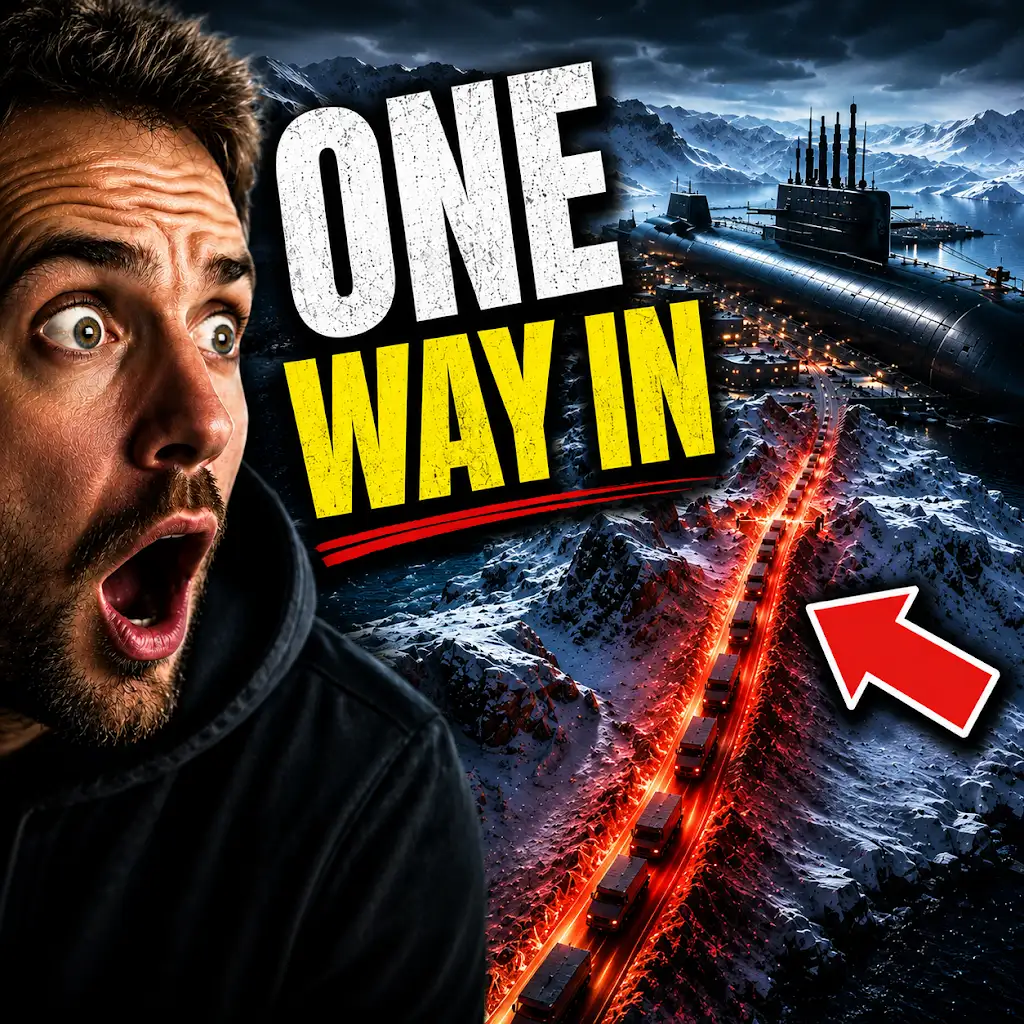
Russia’s Nuclear Submarines Depend on This Arctic Lifeline
FAQs
What is the Russia Arctic geopolitics documentary about?
The Russia Arctic geopolitics documentary explores Russia’s strategic interests and activities in the Arctic region, including its military presence, resource extraction, and geopolitical ambitions.
What are some key points covered in the documentary?
The documentary delves into Russia’s historical ties to the Arctic, its efforts to assert control over the region, the impact of climate change on the Arctic, and the geopolitical competition among Arctic nations.
Why is the Arctic region important to Russia?
The Arctic region is important to Russia due to its vast natural resources, including oil, gas, and minerals. Additionally, the Arctic provides strategic military advantages and access to new shipping routes as the ice melts.
What are some potential implications of Russia’s activities in the Arctic?
Russia’s activities in the Arctic have raised concerns among other Arctic nations and have the potential to impact global geopolitics, environmental conservation, and indigenous communities in the region.
Where can I watch the Russia Arctic geopolitics documentary?
The documentary may be available for viewing on various streaming platforms, through online rental or purchase, or through broadcast on television networks. Check with local media outlets or online platforms for availability.