The silence after the Damascus Titan II warhead’s detonation was a physical entity, a heavy blanket smothering the world. For those who survived the initial cataclysm, it was the beginning of a new, brutal existence. This is the chronicle of that survival, a testament to the resilience of the human spirit forged in the crucible of nuclear fire.
The immediate aftermath was a disorienting blur of dust, fire, and the lingering, metallic tang of ionized air. Buildings that had once scraped the sky were now skeletal remains, silhouetted against a sky choked with ash. The familiar rhythm of urban life was replaced by a cacophony of groans, the crackle of distant fires, and the chilling absence of human voices. Survival, for those caught in the blast radius, was a statistical anomaly. For the scattered few who found themselves beyond the immediate destruction, the struggle was just beginning.
The Initial Shockwave and Its Terrors
The Damascus Titan II, a weapon of unprecedented destructive power, unleashed a force that defied comprehension. The initial blast wave, a titanic fist of compressed air, flattened everything in its path. Structures imploded, trees were uprooted, and the very earth seemed to groan under the immense pressure. Those who were caught in the open faced immediate vaporization. Those within buildings, if not instantly crushed, were subjected to the searing heat of the thermal pulse.
The Invisible Killer: Radiation
Even as the dust settled, a more insidious threat emerged: radiation. The invisible enemy, born from the fission and fusion of the warhead, began its insidious work. Unseen, unfelt, it permeated the environment, contaminating everything it touched. The immediate lethality of the blast was terrifying, but the long-term, pervasive danger of radioactive fallout was the true horror that haunted the survivors.
The Scramble for Shelter
For those fortunate enough to be in basements, subways, or other reinforced structures, the initial hours were a desperate fight for survival. The earth itself became a shield, however temporary, against the worst of the fallout. These subterranean havens, once ordinary spaces, transformed into makeshift shelters, crammed with frightened souls clinging to the hope of a dawn that seemed impossibly distant.
The Deceptive Calm of the Fallout
The days following the detonation brought a deceptive calm. The sky, though still a sickly ochre, began to clear. The constant roar of destruction subsided, replaced by an eerie silence broken only by the wind whistling through the ruins. This quiet, however, was a prelude to the insidious spread of radioactive particles. Dust, fine as talcum powder, settled on everything, a deadly shroud that brought sickness and despair.
The Scars on the Landscape
The landscape was irrevocably scarred. Rivers ran sluggish and discolored, their waters poisoned. Forests, once verdant, became brittle, skeletal remains, their leaves burned away by the heat or their very essence leached by radiation. The familiar landmarks were gone, replaced by a desolate, alien terrain.
The Air We Breathe
Breathing became a gamble. The air, once a source of life, was now a potential vector of death. Masks, scavenged from abandoned homes and medical facilities, became precious commodities. Yet, even with protection, the fear of unseen contamination lingered, a constant gnawing anxiety.
The survival of the Damascus Titan II warhead has been a topic of significant interest, particularly in light of recent discussions surrounding nuclear safety and military strategy. For those looking to delve deeper into this subject, a related article can be found at In The War Room, which explores the implications of such warheads in contemporary warfare and the measures taken to ensure their security. This resource provides valuable insights into the complexities of nuclear arsenals and the geopolitical landscape.
Navigating the New World: Scavenging and Resourcefulness
The established order had collapsed. Governments were no more, supply chains severed, and the conveniences of modern life were distant memories. Survival now hinged on an individual’s ability to adapt, to scavenge, and to improvise. Every discarded item, every untainted droplet of water, was a treasure beyond measure.
The Hunt for Essentials: Water, Food, and Shelter
The most immediate and pressing need was for basic necessities. Water sources were contaminated, forcing survivors to seek out hidden springs, collect rainwater (with careful filtration), or even risk consuming water from stagnant pools, a perilous gamble. Food was equally scarce. Canned goods, if found in undamaged stores, were a temporary boon, but the long-term solution lay in cultivating the land, hunting, or bartering. Shelter, beyond the initial blast-resistant hideouts, became a constant pursuit, as survivors sought out stable structures, often reinforcing them with scavenged materials.
The Peril of Contamination
Scavenging was a double-edged sword. While it provided essential supplies, it also exposed survivors to radiation. Every item that had been exposed to the fallout was a potential hazard. Survivors learned to identify areas of lower contamination, to handle items with caution, and to decontaminate everything they brought back to their temporary homes.
The Dawn of the Gardener
The land, though wounded, still offered hope. Those with even a rudimentary knowledge of agriculture began to cultivate small plots of land, often in hidden valleys or areas perceived to be less affected. Seeds, painstakingly saved from pre-war stockpiles, became invaluable. The slow, arduous process of tending the soil, nurturing fragile sprouts, and praying for a harvest became a new way of life.
The Art of Improvisation: Tools and Technology
The advanced technology of the past was largely useless. Batteries died, electronics failed, and the intricate infrastructure that supported them crumbled. Survivors had to relearn forgotten skills. Blacksmithing, carpentry, and basic mechanics became essential. They learned to repair, to repurpose, and to create new tools from the debris of the old world.
From Rubble to Refuge
Abandoned buildings were not just sources of materials; they were potential homes. Survivors learned to reinforce weakened structures, to seal off windows against the elements and the lingering dust, and to create a semblance of security from the harsh realities outside.
The Ingenuity of Necessity
Necessity truly mothered invention. A bicycle could be stripped down to its parts to create a rudimentary generator. Old fabrics could be woven into durable clothing. The ingenuity of survivors transformed the remnants of a shattered civilization into the building blocks of a new one.
The Shadow of the Invisible Enemy: Radiation Sickness

The long-term consequences of the Damascus Titan II warhead were inextricably linked to the pervasive threat of radiation. Survivors who had been exposed, even to seemingly low levels, began to experience the agonizing symptoms of radiation sickness. It was a slow, brutal descent, a constant reminder of the warhead’s enduring malevolence.
The Unseen Scars: Symptoms and Progression
Radiation sickness manifested in a multitude of ways. Nausea, vomiting, and diarrhea were often the first signs. Hair loss, skin burns, and internal bleeding followed. The immune system was ravaged, leaving victims vulnerable to even the most common infections. The progression was relentless, often leading to organ failure and death.
The Hope of Treatment
While definitive cures were nonexistent, survivors shared rudimentary knowledge of treatments. Hydration, rest, and attempts at managing infections became paramount. Pharmacies, if they could be reached and their contents deemed safe, might offer some relief, but these were often fleeting victories against a formidable foe.
The Emotional Toll
Beyond the physical suffering, the emotional toll of radiation sickness was immense. Witnessing loved ones succumb to the insidious effects of radiation was a profound trauma. The constant fear of developing symptoms oneself cast a long shadow over every interaction.
The Genetic Legacy
The most terrifying aspect of radiation’s impact was its potential to linger across generations. Survivors understood that their exposure could lead to birth defects and genetic mutations in their offspring, a grim inheritance passed down from the warhead’s fury. This fear, more than any other, underscored the long-term devastation wrought by the weapon.
The Future Uncertain
The future for children born in the post-war era was uncertain. Would they bear the invisible scars of their parents’ exposure? Would they be able to thrive in a world still tainted by the fallout? These were questions that haunted the survivors, casting a pall over any flicker of hope for rebuilding.
Rebuilding Societies: The Fragile Dawn of Community

The solitary struggle for survival, while paramount in the initial days, eventually gave way to the recognition that true resilience lay in community. Scattered groups of survivors, drawn together by shared hardship and the innate human need for connection, began to forge new social structures. These were not the grand nations of the past, but small, self-sufficient enclaves, bound by mutual dependence and a shared will to endure.
From Isolation to Interdependence
The isolation of the immediate aftermath was unsustainable. The need for collective defense, for shared labor, and for emotional support pushed survivors to seek each other out. These nascent communities, often formed around a defensible location or a vital resource, were the seeds of a new civilization.
The Rules of the New World
Establishing order within these small groups was crucial. New rules, often unwritten, emerged to govern behavior, to allocate resources, and to resolve disputes. These were not the complex legal systems of the past, but practical, often harsh, guidelines designed for survival.
The Strength of Many
In unity, survivors found strength. A single individual might fall prey to starvation or illness, but a community, working together, could pool resources, share knowledge, and offer protection. This interdependence was the bedrock upon which any semblance of a future could be built.
The Preservation of Knowledge and Culture
As the old world receded, the preservation of knowledge became a vital endeavor. Survivors with specialized skills or access to pre-war libraries and data, however fragmented, became invaluable educators. The transmission of practical skills, historical accounts, and even remnants of art and literature became a way to honor the past and to inform the future.
The New Scribes and Teachers
Those who could read and write, those who remembered scientific principles or historical events, became the new scribes and teachers. They meticulously documented their experiences, passed on their knowledge to younger generations, and held onto the fragile threads of human understanding.
The Echoes of the Past
In quiet moments, survivors would share stories of the world before, of the advancements and comforts that had been lost. These stories, though tinged with sadness, served as a reminder of what humanity was capable of and as a beacon of hope for what could be achieved again.
The survival of the Damascus Titan II warhead has raised significant discussions among military analysts, particularly in light of its strategic implications. For those interested in exploring this topic further, a related article provides an in-depth analysis of the warhead’s capabilities and historical context. You can read more about it in this insightful piece on military strategy. Understanding the nuances of such weaponry is crucial for comprehending modern defense policies and their potential impacts on global security.
The Enduring Legacy of the Titan II: A Scar on Humanity’s Soul
| Metric | Value | Unit | Notes |
|---|---|---|---|
| Warhead Type | W-53 | N/A | Thermonuclear warhead used on Titan II ICBM |
| Warhead Yield | 9 | Megatons TNT | Estimated explosive yield |
| Incident Date | September 18, 1980 | N/A | Damascus Titan II missile silo explosion |
| Warhead Survival | Intact | N/A | Warhead did not detonate during accident |
| Warhead Recovery Time | Several days | Days | Time taken to safely remove warhead from site |
| Warhead Damage | Minimal | N/A | Warhead casing remained largely undamaged |
| Missile Silo Damage | Severe | N/A | Explosion destroyed silo and missile |
| Casualties | 1 fatality | N/A | One airman killed during accident |
The Damascus Titan II warhead was more than just a weapon; it was a cataclysm that irrevocably altered the course of human history. Its physical destruction was immense, but the psychological and societal scars ran even deeper, a constant reminder of humanity’s capacity for self-destruction.
The Fear of the Unseen
The experience of living under the shadow of radiation instilled a profound and enduring fear of the unseen. Every whisper of wind, every speck of dust, carried the potential for danger. This primal fear shaped the interactions and anxieties of generations to come.
A World Forever Changed
The post-war world was a stark contrast to the one that had existed before. The easy access to resources, the interconnectedness of global society, and the sense of security were all casualties of the warhead. Survivors lived in a constant state of vigilance, their lives defined by scarcity and the ever-present threat of environmental hazards.
The Wisdom of Caution
The memory of the Titan II’s devastation fostered a deep-seated caution. The pursuit of unchecked technological advancement was tempered by a newfound understanding of its potential for catastrophic consequences. The lessons learned, though born of unimaginable suffering, held the promise of a more considered and responsible future.
The Question of Redemption
As the survivors slowly rebuilt, a persistent question lingered: could humanity redeem itself after such an act of devastation? The answer was not simple. The scars of the Titan II were deep, but the human capacity for adaptation, for cooperation, and for love offered a fragile, yet persistent, hope.
A New Definition of Progress
Progress was no longer measured by material accumulation or technological prowess, but by the ability to sustain life, to foster community, and to learn from the mistakes of the past. The focus shifted from conquest to cohabitation, from dominion to stewardship.
The Long Road Ahead
The path to true recovery was long and arduous. The ghost of the Damascus Titan II warhead would forever haunt humanity, a somber monument to the fragility of civilization and the enduring power of its own destructive potential. Yet, in the quiet resilience of the survivors, in their determination to rebuild and to learn, lay the seeds of a future, however hard-won, that might eventually outshine the darkness of the past.
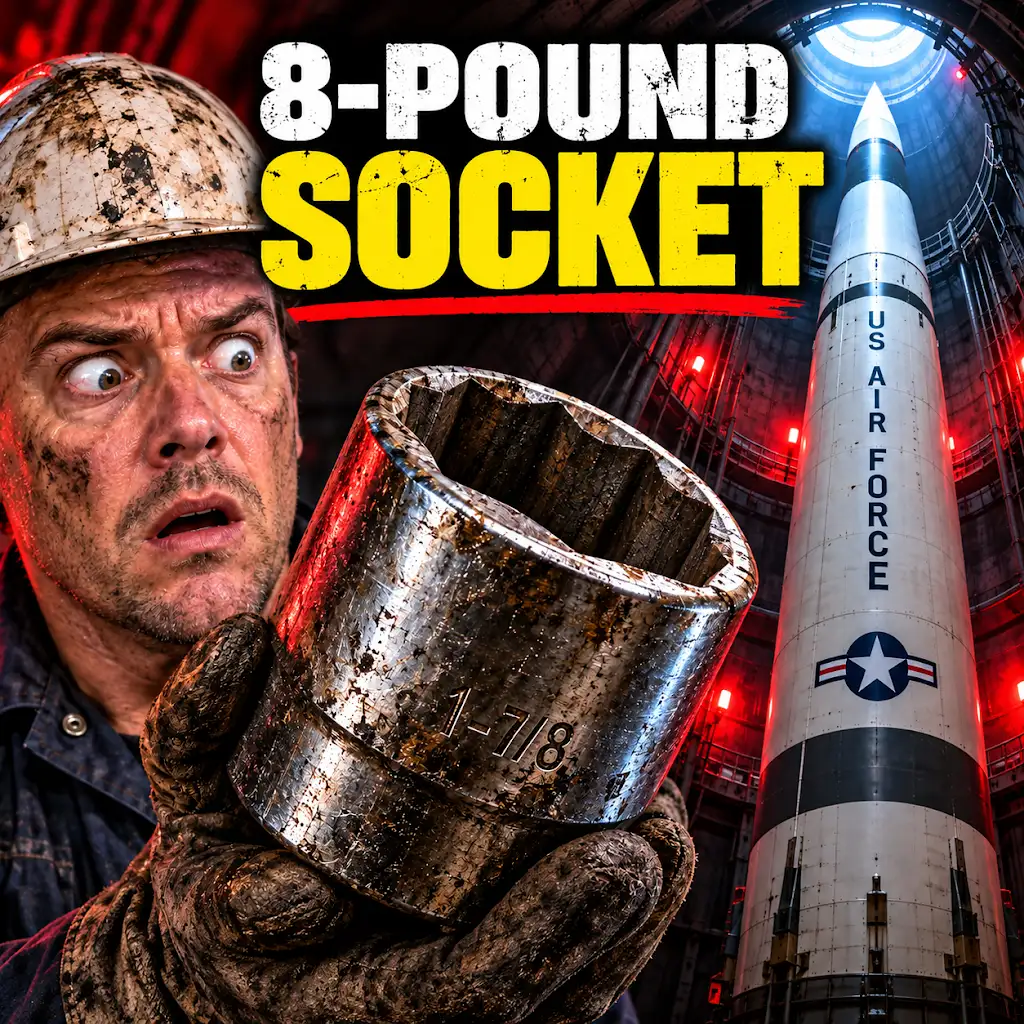
How a Dropped Socket Destroyed a Titan II Missile
FAQs
What is a Damascus Titan II warhead?
A Damascus Titan II warhead is a type of nuclear warhead designed to be used with the Titan II intercontinental ballistic missile (ICBM) system.
What is the purpose of a Damascus Titan II warhead?
The primary purpose of a Damascus Titan II warhead is to deliver a nuclear payload to a designated target with precision and destructive force.
How was the survival of the Damascus Titan II warhead tested?
The survival of the Damascus Titan II warhead was tested through a series of rigorous simulations and experiments to ensure its ability to withstand various environmental conditions and potential threats.
What are some key features of the Damascus Titan II warhead that contribute to its survival capabilities?
Some key features of the Damascus Titan II warhead that contribute to its survival capabilities include robust construction, advanced shielding, and redundant safety mechanisms.
Why is the survival of the Damascus Titan II warhead important?
The survival of the Damascus Titan II warhead is crucial to ensure the effectiveness and reliability of the Titan II ICBM system in deterring potential adversaries and maintaining national security.