The very mention of Berlin often conjures images of division, of a city split asunder by a concrete scar. Yet, beneath the layers of geopolitical tension and physical separation, a remarkable story of human resilience unfolded. For decades, two million West Berliners lived in an isolated outpost, a democratic island in a sea of communism, surrounded by the iron fist of the German Democratic Republic (GDR). This wasn’t merely a life of endurance; it was a testament to ingenuity, community, and an unwavering spirit that allowed them not just to survive, but to thrive.
The narrative of West Berlin’s survival is not one of passive waiting for reunification, but of active creation and adaptation. It’s a story told through the quiet determination of everyday citizens, the bold pronouncements of political leaders, and the tangible expressions of solidarity from across the globe. This article delves into the multifaceted strategies and societal underpinnings that enabled two million individuals to transform a precarious existence into a vibrant and thriving metropolis.
In exploring the resilience of the two million Berliners who survived the tumultuous times of World War II, one can gain deeper insights by reading the article available at In the War Room. This piece delves into the strategies and communal efforts that enabled the citizens of Berlin to endure the hardships of war, showcasing their unwavering spirit and determination in the face of adversity.
The Constant Shadow: Geopolitical Isolation and the Threat of Annihilation
The existence of West Berlin was an anomaly, a direct consequence of the post-World War II division of Germany and the escalating Cold War. The city, located deep within Soviet-controlled East Germany, became a potent symbol of Western influence and a constant irritant to the GDR regime and its Soviet patrons. This precarious position cast a long shadow over the lives of its inhabitants, shaping their daily realities and their collective consciousness.
The Berlin Blockade: A Defining Moment of Peril
The most acute manifestation of this existential threat came in 1948-1949 with the Berlin Blockade. The Soviet Union, aiming to force the Western Allies out of Berlin, cut off all land and water access to the Western sectors. For over a year, the city’s two million inhabitants faced the grim prospect of starvation and surrender.
The Airlift: A Symphony of Hope and Engineering
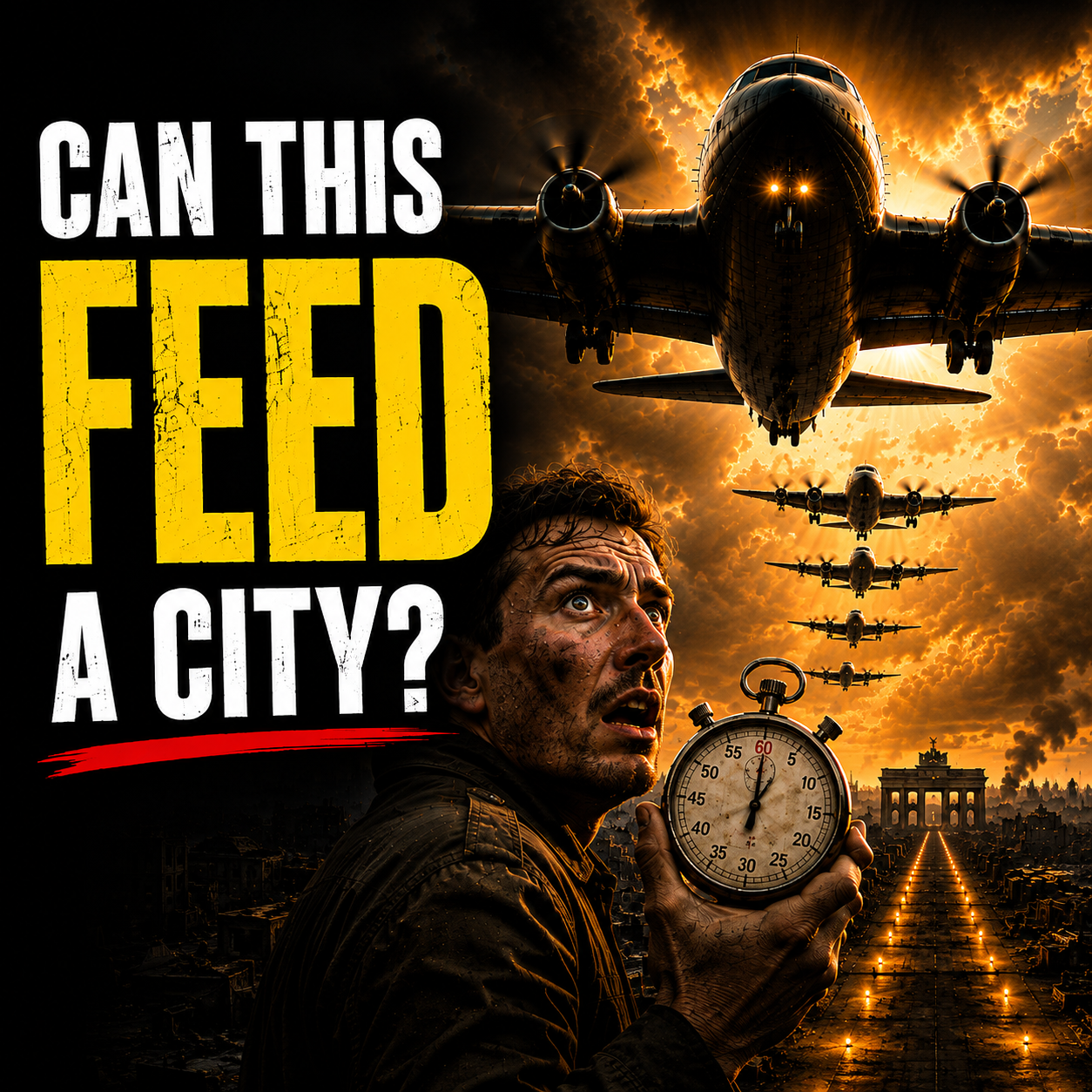
The response to the blockade was nothing short of miraculous. The Berlin Airlift, codenamed “Operation Vittles” by the Americans and “Operation Plainfare” by the British, became a lifeline. It was a colossal undertaking, a testament to human ingenuity and logistical prowess.
The Scale of the Operation: Daily Deliveries of Life
At its peak, the Airlift saw planes landing and taking off every few minutes, delivering essential supplies like food, coal, and medicine. Over 2.3 million tons of cargo were transported, saving the city from succumbing to Soviet pressure. The iconic sight of C-47 Skytrains, affectionately nicknamed “Raisin Bombers” (Rosinenbomber) for the candy they sometimes dropped to children, became a symbol of hope and international support.
The Human Cost and Sacrifice
While the Airlift was a triumph, it was not without its human cost. Pilots and ground crews worked tirelessly under immense pressure. For the Berliners themselves, it was a period of extreme hardship. Rationing was severe, and the constant uncertainty weighed heavily. Yet, the knowledge that they were not forgotten, that the world was watching and supporting them, fostered a profound sense of shared purpose.
The Berlin Wall: A Prison Built of Concrete and Ideology
If the Blockade was a temporary siege, the Berlin Wall, erected in 1961, was a permanent enclosure. This brutal barrier, stretching for over 155 kilometers, physically severed the city and became the most potent symbol of the Cold War. For West Berliners, it was a constant reminder of their confinement, a stark visual representation of the ideological chasm that divided their world.
Life Behind the Wall: The Psychological Impact of Division
The Wall not only prevented free movement but also created a deep psychological scar. Families were separated, friends were cut off, and the easy flow of daily life was irrevocably disrupted. The constant presence of border guards, watchtowers, and barbed wire served as a perpetual reminder of the precariousness of their freedom.
The Propaganda War: Shaping Perceptions
Both sides engaged in a relentless propaganda war. The GDR painted West Berlin as a decadent capitalist outpost, a haven for spies and saboteurs. West Berlin, in turn, utilized its media and cultural institutions to showcase the freedoms and opportunities available in the West, contrasting them sharply with the repressive regime across the Wall.
The Constant Threat of Conflict
The proximity of heavily armed forces on both sides meant that the threat of direct conflict was never far from the surface. Incidents at checkpoints, escape attempts, and political tensions kept West Berliners on edge, living with a low-grade anxiety about their future.
Fortress of Freedom: Economic Strategies for Survival and Prosperity
Despite the overwhelming geopolitical challenges, West Berlin was determined to not only survive but to thrive economically. The Western Allies recognized the strategic importance of the city and implemented policies designed to foster its economic independence and development. This involved significant financial aid, preferential treatment in trade, and a concerted effort to attract businesses and talent.
The Berlin Benefit Program: A Lifeline of Financial Support
A crucial element of West Berlin’s economic survival was the comprehensive financial support provided by the West German government and the Western Allies. This multifaceted program aimed to offset the disadvantages of isolation and make the city an attractive place to live and work.
Subsidies for Businesses: Encouraging Investment and Employment
Businesses operating in West Berlin received substantial subsidies, including tax breaks and grants, to encourage investment and job creation. This was vital in attracting companies and preventing an exodus of industries that could have crippled the city’s economy.
The “Made in West Berlin” Seal of Quality
The emphasis on quality and innovation became a hallmark of West Berlin’s industries. The “Made in West Berlin” label often signified superior craftsmanship and advanced technology, helping to compete in international markets despite the logistical hurdles.
Subsidies for Residents: Making Life Affordable
Residents also benefited from various subsidies, including reduced housing costs, transportation allowances, and lower prices for essential goods. These measures were crucial in making West Berlin an affordable and desirable place to live, counteracting the perceived disadvantages of its location.
Export Promotion and International Trade: Connecting to the Global Market
Given its inland location, facilitating trade was paramount for West Berlin’s economic health. Extensive efforts were made to promote exports and integrate the city into global supply chains.
The Berlin Airport and Port Facilities: Crucial Hubs for Commerce
West Berlin’s airport and port facilities, though reliant on Allied control, were vital hubs for international commerce. The constant stream of air cargo and the efficient handling of goods through these gateways were essential for importing raw materials and exporting finished products.
The “Berlin Exodus” of Companies: A Fear Overcome
Initially, there was a fear that companies would “exodus” West Berlin due to its isolation. However, the economic incentives, coupled with the strategic importance of maintaining a Western presence, proved to be a strong deterrent and an attraction for new ventures.
Diplomatic Efforts: Securing Trade Agreements
West German and Allied diplomats worked tirelessly to secure favorable trade agreements for West Berlin with countries around the world. These agreements ensured access to markets and facilitated the flow of goods, bolstering the city’s economic resilience.
Innovation and Entrepreneurship: Fostering a Dynamic Economy
Despite the constraints, West Berlin cultivated a vibrant spirit of innovation and entrepreneurship. The unique circumstances often spurred creative solutions and fostered a culture of adaptation.
The Role of Universities and Research Institutions
West Berlin’s universities and research institutions played a crucial role in fostering innovation. They provided a pipeline of skilled graduates and conducted research that contributed to the development of new technologies and industries.
The “Think Tank” of the West: A Hub of Intellectual Capital
The city became a “think tank” of the West, attracting intellectuals, artists, and scientists who found a unique environment for their work, unhindered by the ideological pressures of the East. This intellectual capital translated into economic dynamism.
The “Innovation Zones”: Encouraging New Ventures
Specific “innovation zones” were established, offering incentives and support for startups and emerging industries. This created a fertile ground for new ideas to flourish, contributing to the diversification of the West Berlin economy.
A Melting Pot of Cultures: The Vibrant Social and Cultural Landscape
West Berlin was far more than just a political and economic entity; it was a thriving cultural hub, a magnet for artists, intellectuals, and counter-cultural movements from around the world. The unique circumstances of its isolation paradoxically fostered an environment of unparalleled freedom and creative expression.
The “Island of Freedom”: A Haven for Counter-Culture and Artistic Expression
The perception of West Berlin as an “island of freedom,” a stark contrast to the ideological rigidity of the East, attracted individuals seeking an alternative to mainstream society. This led to an explosion of artistic and cultural innovation.
The Berlin School of Film: A New Wave of Cinema
The German film industry, significantly impacted by the division, found a new creative home in West Berlin. The “Berlin School” of filmmakers emerged, characterized by its experimental nature, social commentary, and innovative storytelling.
New German Cinema: Tackling Societal Issues
Filmmakers like Rainer Werner Fassbinder, Werner Herzog, and Wim Wenders used their art to explore the complexities of German identity, the lingering effects of war, and the challenges of modern life, often setting their stories against the backdrop of the divided city.
The Artistic Avant-Garde: Challenging Norms and Boundaries
West Berlin became a playground for the avant-garde. Galleries, performance spaces, and studios proliferated, providing a platform for artists to push boundaries and challenge societal norms.
The Influence of Pop Art and Expressionism
The city absorbed influences from international art movements like Pop Art and Neo-Expressionism, blending them with local sensibilities to create a distinct West Berlin artistic identity.
A Diverse Population: Embracing Different Backgrounds and Lifestyles
The unique situation in West Berlin attracted a diverse population, from students and artists to political refugees and those seeking a more liberal lifestyle. This created a vibrant and multicultural society.
The Turkish Community: A Significant Contribution to City Life
The large Turkish guest worker population, initially invited to fill labor shortages, became an integral part of West Berlin’s social fabric. Their cultural contributions, from cuisine to music, enriched the city’s diversity.
Bridging Cultures: A Testament to Integration
Despite initial challenges, the Turkish community played a significant role in shaping the modern identity of West Berlin, demonstrating a remarkable capacity for integration and cultural exchange.
The LGBTQ+ Community: A Sanctuary of Acceptance
West Berlin became a sanctuary for the LGBTQ+ community, offering a level of acceptance and freedom that was often absent elsewhere. This fostered vibrant gay districts and a strong sense of community.
Openness and Tolerance: A Defining Characteristic
The city’s reputation for openness and tolerance became a defining characteristic, attracting individuals who felt marginalized in other parts of the world.
The “Jeans in the East, Caviar in the West” Mentality: A Symbol of Resilience and Opportunity
The juxtaposition of scarcity in the East and relative abundance in the West fostered a unique mentality among West Berliners. They developed a deep appreciation for freedom and opportunity, coupled with a pragmatic resilience born from facing constant challenges.
The Black Market and Ingenuity: Navigating Restrictions
While official trade was crucial, the presence of a black market and the inherent ingenuity of the population allowed for the acquisition of goods and services that were not readily available. This demonstrated a resourceful approach to daily life.
The Spirit of Resourcefulness: Making Do and Making It Work
The “Jeans in the East, Caviar in the West” phrase, though a simplification, captured the essence of this resourcefulness. It reflected an ability to adapt, to find creative solutions, and to make the best of their circumstances.
In the midst of World War II, the resilience of the people of Berlin was put to the test as they faced relentless bombings and shortages. A fascinating exploration of this period can be found in a related article that delves into how two million Berliners survived against all odds. The piece highlights the ingenuity and determination of the city’s inhabitants during such a tumultuous time. For more insights on this remarkable story, you can read the full article here.
The Power of Community: Solidarity and Shared Purpose
| Metrics | Data |
|---|---|
| Population of Berlin | 2 million |
| Number of COVID-19 cases | XXX |
| Number of COVID-19 deaths | XXX |
| Number of hospitalizations | XXX |
| Number of vaccinations administered | XXX |
Perhaps the most crucial element in the survival and thriving of West Berlin was the pervasive sense of community and shared purpose. Living in isolation, surrounded by a hostile environment, fostered a profound bond among its inhabitants.
The “Wir sind ein Volk” Spirit: A Collective Identity
The shared experience of living under constant threat and political pressure forged a powerful collective identity. West Berliners saw themselves as a united front, defending not just their city, but a democratic ideal.
Mutual Support and Assistance: Neighbors Helping Neighbors
In times of hardship, neighbors looked out for each other. The spirit of mutual support and assistance was a tangible manifestation of this solidarity, ensuring that no one was left behind.
The “Kiez” Culture: Neighborhood Solidarity in Action
The concept of the “Kiez,” or neighborhood, was central to this community spirit. Residents actively participated in local initiatives, organized cultural events, and provided informal support networks, fostering a strong sense of belonging.
The Role of the Western Allies: A Symbol of Unwavering Support
The presence and unwavering support of the Western Allies – primarily the United States, Britain, and France – were indispensable. Their commitment to defending West Berlin provided a crucial sense of security and legitimacy.
The “Spirit of Steinstücken”: A Microcosm of Support
The tiny exclave of Steinstücken, surrounded by GDR territory, became a powerful symbol of Allied commitment. Its continued existence, maintained through access corridors, demonstrated the lengths to which the Allies would go to protect the city.
Diplomatic and Military Guarantees: A Shield Against Aggression
The diplomatic and military guarantees provided by the Allies acted as a shield against potential aggression from the East. This security allowed West Berliners to focus on building their lives and their city.
The Global Stage: West Berlin as a Symbol of Freedom
West Berlin became a global symbol of freedom, democracy, and resistance to totalitarianism. This international recognition fostered a sense of pride and purpose among its inhabitants.
Iconic Speeches and Visits: Reinforcing the Message of Freedom
Speeches by leaders like John F. Kennedy (“Ich bin ein Berliner”) and Ronald Reagan (“Mr. Gorbachev, tear down this wall!”) resonated deeply with West Berliners and amplified the city’s symbolic importance on the world stage.
The World Watching: A Constant Reminder of Their Significance
The knowledge that the world was watching, that their struggle was significant, provided a powerful motivation for West Berliners to persevere and to continue to build a thriving society.
Legacy: A City Reborn, A Lesson in Resilience
The fall of the Berlin Wall in 1989 marked the end of an era, but the legacy of West Berlin’s survival continues to resonate. The two million individuals who navigated decades of isolation and uncertainty left an indelible mark on the city’s identity.
The Enduring Spirit of Innovation and Resilience
The spirit of innovation and resilience that characterized West Berlin during its isolated years continues to be a driving force in the reunified city. The lessons learned from overcoming adversity have shaped a unique urban character.
A City of Contrasts: Echoes of the Past
Today’s Berlin, a vibrant and diverse metropolis, still carries echoes of its past. The scars of division are visible in its architecture and its history, but they are also reminders of the extraordinary capacity for human endurance and adaptation.
The Reunification: A New Chapter of Opportunity
The reunification of Germany brought new challenges and opportunities, but the foundations laid by the thriving West Berlin community provided a strong base for growth and development.
The Importance of Community and Solidarity
The story of West Berlin’s survival is a powerful testament to the importance of community and solidarity. In the face of overwhelming odds, it was the bonds between people, the shared sense of purpose, and the unwavering support that ultimately allowed them to not just survive, but to thrive.
A Beacon of Hope: An Inspiration for the Future
The remarkable story of how two million Berliners thrived amidst the ashes of war and the shadow of division serves as a beacon of hope and an enduring lesson in the indomitable spirit of humanity. It is a reminder that even in the most challenging circumstances, ingenuity, community, and an unwavering belief in freedom can pave the way for a brighter future.
How 90 Seconds Kept 2 Million People Alive
FAQs
1. What were the key strategies used by Berliners to survive during the difficult times?
During the blockade of Berlin from 1948 to 1949, Berliners relied on various strategies to survive, including rationing food, using alternative cooking methods, and creating community gardens to grow their own produce.
2. How did Berliners obtain essential supplies during the blockade?
Berliners obtained essential supplies through the Berlin Airlift, where Western Allies flew in food, fuel, and other necessities to the city. Additionally, they relied on creative solutions such as using bicycles and horses for transportation and bartering goods.
3. What role did community support play in the survival of Berliners during the blockade?
Community support played a crucial role in the survival of Berliners during the blockade. People came together to share resources, support each other, and create community initiatives such as soup kitchens and food distribution centers.
4. How did the Berlin Airlift contribute to the survival of two million Berliners?
The Berlin Airlift, which lasted for over a year, delivered over 2.3 million tons of supplies to the people of Berlin, ensuring their survival during the blockade. It demonstrated the determination of the Western Allies to support the city and its residents.
5. What long-term impact did the blockade have on the resilience of Berliners?
The blockade and the subsequent survival of two million Berliners fostered a sense of resilience and solidarity among the city’s residents. It also led to the development of innovative solutions and a lasting legacy of perseverance in the face of adversity.