The Silent World and the Trained Ear
The ocean’s depths, a realm of crushing pressure and perpetual twilight, hold secrets that human eyes can rarely penetrate. Yet, within this vast, often silent expanse, a constant symphony of sounds, both natural and man-made, unfolds. For the submarine sonar operator, this auditory world is not merely background noise; it is a landscape of information, a strategic battlefield, and a lifeline. Their role, often cloaked in secrecy and requiring an extraordinary blend of technical expertise and acute listening skills, is paramount to underwater detection. This article delves into the intricate world of submarine sonar operations, exploring the techniques, the technology, and the sheer human acuity that allows these individuals to “see” with sound.
The very essence of submarine warfare, and indeed much of underwater exploration, hinges on the ability to detect and identify objects without visual confirmation. Sonar, an acronym for SOund Navigation And Ranging, is the cornerstone of this capability. It works on the principle of emitting sound pulses and analyzing the echoes that return after bouncing off objects. The time it takes for the echo to return, its frequency shift, and its intensity all provide vital clues about the target’s distance, speed, bearing, and even its type. This is not a passive endeavor; it is an active process of probing the unseen.
Submarine sonar operators play a crucial role in underwater navigation and surveillance, utilizing advanced technology to detect and analyze sounds in the ocean depths. For a deeper understanding of the intricacies involved in sonar operations and the challenges faced by these skilled professionals, you can read a related article that explores the various techniques and technologies used in submarine warfare. To learn more, visit this article.
Foundations of Underwater Acoustics
Before delving into the operator’s specific skills, it is crucial to understand the fundamental physics and acoustic principles that govern underwater sound propagation. The ocean is a complex medium, and sound behaves differently within it than it does in air. Factors such as temperature, salinity, and pressure create layers and gradients that can bend, refract, and even absorb sound waves, influencing how far and how effectively a sonar system can detect a target.
The Nature of Sound in Water
Water is a far denser medium than air, meaning sound travels significantly faster and with less attenuation over distance. This is a fundamental advantage for sonar. Sound waves in water can be broadly categorized into two types for sonar purposes: active and passive. Active sonar involves the submarine emitting its own sound pulses, effectively pinging the environment. The returning echoes are then analyzed. Passive sonar, on the other hand, relies solely on listening for sounds already present in the water, whether they originate from other submarines, surface vessels, marine life, or natural phenomena.
Acoustic Phenomena Affecting Propagation
Several acoustic phenomena play a critical role in how sonar signals travel and are received. The thermocline, a layer where water temperature changes rapidly, can act as a lens, bending sound waves. The SOFAR (Sound Fixing and Ranging) channel, a layer of the ocean where sound travels with minimal loss over vast distances, is a critical factor for long-range detection. Conversely, the surface and the seabed can reflect and scatter sound, creating complex echo patterns and potentially masking targets. Understanding these variations allows operators to optimize sonar performance and interpret the data accurately. The sound speed profile, which describes how sound speed changes with depth, is a constant variable that operators must account for. Minor variations can significantly impact the accuracy of range and bearing estimations.
The Sonar Operator’s Toolkit: Technology and Techniques
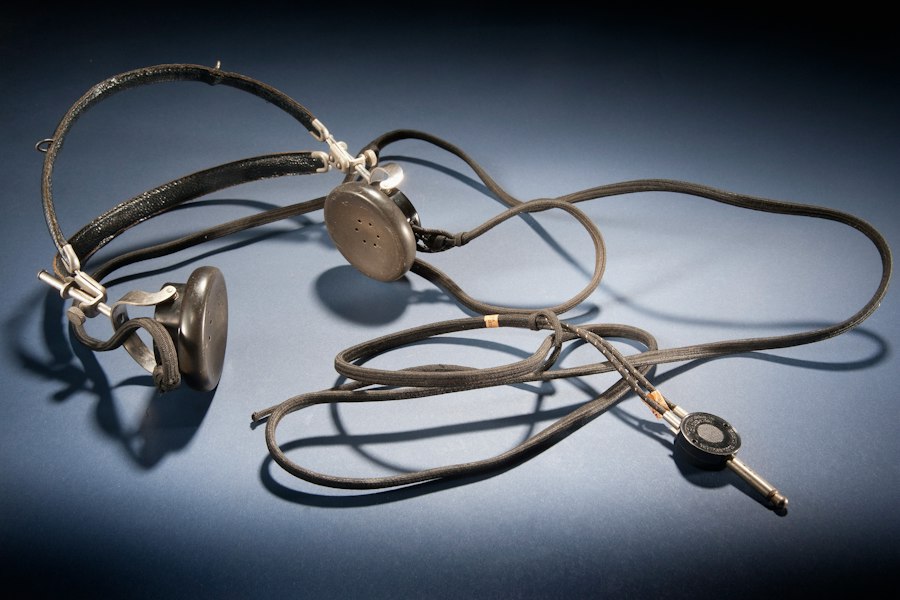
The human ear is a remarkable instrument, but in the demanding environment of submarine sonar, it is amplified and augmented by sophisticated technology. The sonar operator works with a console that displays a visual representation of the acoustic environment, but their ability to interpret this data is deeply rooted in their understanding of acoustics and their training to discern subtle nuances in sound.
Active Sonar Systems: Probing the Darkness
Active sonar systems are the submarine’s “eyes” in the dark. They emit a sound pulse, often referred to as a “ping,” and then listen for the returning echoes. The characteristics of the ping – its frequency, duration, and power – are carefully chosen based on the operational scenario. Lower frequencies are generally used for long-range detection, as they travel further with less attenuation, while higher frequencies provide better resolution for identifying closer targets.
The Echo Landscape: Interpreting Returns
When an echo returns, the sonar system processes it, converting the sound wave into a visual display. This display can take various forms, but a common one is a “waterfall” display, where incoming sounds are depicted as lines moving down the screen, with different colors or intensities representing different acoustic signatures. The operator must learn to distinguish between echoes from the seabed, the surface, schools of fish, and, most importantly, potential enemy vessels. The Doppler effect, the change in frequency of a sound wave in relation to an observer, is a crucial element in distinguishing moving targets from stationary ones and in determining their speed and direction.
Passive Sonar Systems: The Art of Listening
Passive sonar is arguably where the sonar operator’s true skill lies. Instead of emitting sound, the operator simply listens. This requires an incredible ability to filter out unwanted noise and identify the faint acoustic signatures of distant submarines, surface ships, or even marine life. The ocean is a noisy place, filled with the sounds of waves, marine animals, and the submarine’s own machinery. The operator’s task is to isolate the specific sounds that are of interest.
Distinguishing Signatures: A Symphony of Clues
Each type of vessel or object produces a unique acoustic signature. A diesel submarine will sound different from a nuclear-powered one. A large surface warship will have a distinct sound from a cargo vessel. Even the specific type of propeller, the engine noise, and the operational state of a vessel contribute to its sonic fingerprint. Sonar operators undergo extensive training to recognize these signatures. They learn to identify the characteristic hum of a specific class of submarine, the thrum of a particular engine type, or the distinctive sounds of cavitation from a rotating propeller. This knowledge is built upon years of study, simulated exercises, and real-world experience. The operator listens for changes in frequency, the presence of harmonics, and the overall character of the sound.
Sonar Arrays and Beamforming: Focusing the Listening Cone
Submarines are equipped with sophisticated sonar arrays, which are a collection of hydrophones (underwater microphones) strategically placed on the hull. These arrays are designed to capture sound from all directions. Beamforming is a critical technique that uses these multiple hydrophones to electronically “steer” the sonar’s listening focus in a particular direction, much like a spotlight. This allows the operator to concentrate on a specific bearing and filter out noise from other directions.
Enhancing Detection Capabilities
By combining data from multiple hydrophones and applying complex algorithms, beamforming can significantly improve the signal-to-noise ratio, making it easier to detect faint sounds from distant targets. The operator can “shape” the listening beam, narrowing it for precise tracking or widening it for a broader search. This dynamic adjustment is essential for adapting to changing tactical situations and the complex acoustic environment of the ocean.
The Human Element: Skill, Training, and Intuition
While technology provides the tools, it is the sonar operator’s mind that truly unlocks the ocean’s acoustic secrets. This is a discipline that demands not only technical proficiency but also a profound level of concentration, patience, and a well-honed intuition. The ability to process vast amounts of auditory information and make critical decisions under pressure is what sets exceptional sonar operators apart.
The Rigorous Training Pipeline
Becoming a submarine sonar operator is a demanding journey that begins with intense theoretical study and progresses through increasingly complex simulated and practical training. Trainees learn the principles of acoustics, sonar technology, signal processing, and the identification of various acoustic signatures. They spend countless hours in simulators, listening to a vast library of sounds, learning to differentiate between a whale song and a distant submarine, or a benign current and the tell-tale cavitation of a torpedo.
Mastering the Acoustic Spectrum
This training is not just about recognizing sounds; it’s about understanding their context. An operator must be able to interpret the nuances of a sound, its Doppler shift, its bearing, and how it changes over time. They learn to associate specific sounds with particular types of vessels and their operational patterns. This deep knowledge base allows them to make rapid and accurate assessments of potential threats or valuable contacts. The human mind is adept at pattern recognition, and in the world of sonar, these patterns are auditory.
The Importance of Concentration and Patience
Submarine patrols can be long and arduous, with periods of intense activity punctuated by hours of monotonous listening. The sonar operator must maintain unwavering concentration throughout, as a moment of inattention can have dire consequences. They must be able to sift through a sea of noise, patiently waiting for the faint whisper of a distant target. This requires a mental fortitude that goes beyond that of many other professions.
Maintaining Vigilance in the Deep
The psychological demands of the job are significant. Operators often work in confined spaces, with limited external stimuli, and the responsibility they carry is immense. Their ability to remain vigilant, even during long watches, is a testament to their discipline and dedication. The constant hum of the submarine’s own systems can create a challenging sonic environment, requiring operators to develop an almost superhuman ability to filter out internal noise and focus on external sounds.
Developing Intuition and Judgment
Beyond the technical knowledge and training, exceptional sonar operators develop a keen intuition. This is not a mystical ability but rather a subconscious synthesis of experience, pattern recognition, and a deep understanding of acoustic behavior. They can sometimes “feel” a contact before it is definitively identified, based on subtle changes in the soundscape or anomalies in the expected acoustic patterns. This intuitive leap, combined with the data from the sonar systems, allows them to make critical tactical decisions.
The Art of the “Gut Feeling”
This intuition is honed through thousands of hours of listening and analysis. It’s the ability to recognize that something is “not quite right,” even if the specific parameters don’t immediately flag a threat. This often involves understanding the typical behavior of certain vessels and recognizing deviations from those norms. A submarine that is usually quiet might suddenly become noisy, or a sound that is typically consistent might begin to fluctuate in an unusual way. These subtle cues, often picked up by an experienced operator’s intuition, can be the first indication of a developing situation.
Submarine sonar operators play a crucial role in underwater warfare, utilizing advanced technology to detect and analyze sounds in the ocean depths. Their ability to interpret sonar data can mean the difference between success and failure in naval operations. For those interested in learning more about the intricacies of submarine warfare and the vital functions of sonar operators, a fascinating article can be found at In The War Room, which delves into the challenges and techniques involved in this high-stakes environment.
Beyond Detection: Target Classification and Tracking
| Metric | Description | Typical Range/Value | Unit |
|---|---|---|---|
| Frequency Range | Range of sound frequencies detected by sonar operators | 1 – 30 | kHz |
| Detection Range | Maximum distance at which a target can be detected | 5 – 50 | nautical miles |
| Signal-to-Noise Ratio (SNR) | Ratio of target signal strength to background noise | 10 – 30 | dB |
| Listening Duration | Typical continuous listening time per shift | 4 – 6 | hours |
| Operator Reaction Time | Time taken to identify and classify a sonar contact | 5 – 15 | seconds |
| Sonar Ping Rate | Frequency of active sonar pings emitted | 1 – 5 | pings per minute |
| Ambient Noise Level | Background noise in the ocean environment | 40 – 70 | dB re 1 µPa |
| Accuracy of Target Classification | Percentage of correctly identified sonar contacts | 85 – 95 | % |
Detecting a sound is only the first step. The true value of sonar lies in its ability to classify the source of that sound and then track its movements with precision. This requires a multi-faceted approach that integrates acoustic data with other sensor information and tactical knowledge.
Classifying Targets: More Than Just a Sound
Once a contact is detected, the sonar operator’s next crucial task is to classify it. This involves determining what kind of vessel or object is creating the sound. This is achieved by analyzing the acoustic signature against a comprehensive database of known signatures. Factors such as the dominant frequencies, the presence of specific harmonics, the Doppler shift, and the overall tonal quality are all considered.
Differentiating Friend from Foe (or Neutral)
Classification is vital for tactical decision-making. Is it a friendly submarine, an enemy warship, a civilian vessel, or a school of whales? Misclassification can lead to disastrous consequences. The operator must be able to distinguish between the subtle acoustic differences that define each category. This process often involves cross-referencing with other available intelligence and potentially utilizing other onboard sensors, such as periscopes or electronic intelligence systems, when feasible.
Tracking Submarines: The Elusive Dance
Tracking submarines is one of the most challenging aspects of sonar operations. Submarines are designed to be stealthy, operating in a three-dimensional environment where sound can be distorted and masked by natural oceanographic conditions. The sonar operator must continuously monitor the target’s bearing, range, and speed, updating the tactical picture and predicting its future movements.
Navigating the Acoustic Maze
Tracking a stealthy submarine requires a sustained and precise application of sonar techniques. The operator must maintain a lock on the target, even when the signal is weak or intermittent. This may involve using different sonar modes, adjusting beamforming parameters, and employing sophisticated algorithms to compensate for noise and environmental factors. The goal is to maintain a continuous understanding of the target’s position and trajectory, providing crucial information for the submarine’s command.
Integrating Data for a Complete Picture
Modern submarines are equipped with a suite of sensors, and the sonar operator does not work in isolation. Acoustic data is often integrated with information from other systems, such as radar (when at periscope depth), periscopes, electronic support measures (ESM), and even intelligence reports. This multi-sensor fusion provides a more comprehensive and accurate understanding of the underwater environment.
Building a Tactical Understanding
The sonar operator is a critical node in this information network. They must be able to interpret their acoustic data in the context of the broader tactical picture, providing insights that inform command decisions regarding evasion, engagement, or other operational maneuvers. Their ability to provide timely and accurate information about potential threats or opportunities is essential for the submarine’s mission success and the safety of its crew.
The Future of Underwater Detection: Evolution and Innovation
The field of submarine sonar is not static. It is a constantly evolving domain, driven by technological advancements and the ongoing challenge of maintaining a technological edge in a world where stealth and detection are in a perpetual arms race. The skills of the sonar operator remain central, but the tools and techniques they employ are continually being refined and enhanced.
Advances in Signal Processing and AI
Future sonar systems will likely benefit from increasingly sophisticated signal processing algorithms and the integration of artificial intelligence (AI). AI can be trained to recognize complex acoustic patterns more quickly and accurately than human operators, potentially identifying subtle anomalies that might otherwise be missed. Machine learning algorithms can continuously adapt and improve their detection capabilities based on new data.
Augmenting the Human Operator
The goal is not to replace the sonar operator but to augment their capabilities. AI can handle the tedious task of sifting through vast amounts of acoustic data, flagging potential contacts for human review. This frees up the operator to focus on the more complex aspects of classification, tracking, and tactical decision-making, leveraging their experience and intuition. The synergy between advanced AI and human expertise promises to revolutionize underwater detection.
New Sensor Technologies and Integration
Beyond traditional sonar, researchers are exploring new sensor technologies that could enhance underwater detection. These might include advanced optical sensors that can penetrate deeper into the ocean, or novel acoustic technologies that utilize different principles of sound generation and reception. The integration of these new sensors with existing sonar systems will create a more robust and multi-layered detection capability.
The Multi-Spectral Approach
The future of underwater detection is likely to be a multi-spectral approach, where information from a variety of sensors is combined to provide an unparalleled understanding of the underwater environment. This could include passive acoustics, active sonar, optical sensors, magnetic anomaly detectors, and even advanced underwater communication systems. The sonar operator will remain at the heart of this integrated system, interpreting the combined data to maintain situational awareness.
The Enduring Importance of the Human Listener
Despite the rapid pace of technological advancement, the fundamental role of the human sonar operator is unlikely to diminish. The ocean remains a complex and unpredictable environment. The subtle nuances of sound, the unexpected behavior of marine life, and the ingenious tactics employed by adversaries all require the critical judgment, adaptability, and intuition of a trained human ear. The future of submarine sonar will undoubtedly be shaped by innovation, but the silent world will continue to rely on the sharp mind and keen hearing of the individuals who listen to its deepest secrets. Their dedication and skill are the unseen guardians of the silent service, ensuring that what lies beneath the waves is not entirely unknown.

The Soviet Submarine Britain Lost—Then Found Again
FAQs
What is the role of a submarine sonar operator?
A submarine sonar operator is responsible for listening to and analyzing underwater sounds using sonar equipment to detect and track other vessels, objects, or marine life.
What skills are required to become a submarine sonar operator?
To become a submarine sonar operator, one needs to have strong listening skills, attention to detail, the ability to work under pressure, good communication skills, and a solid understanding of sonar technology.
How does sonar technology work in submarines?
Sonar technology in submarines works by emitting sound waves into the water, which then bounce off objects and return as echoes. The sonar operator listens to these echoes to determine the distance, direction, and characteristics of the objects in the water.
What are the challenges faced by submarine sonar operators?
Submarine sonar operators face challenges such as distinguishing between different types of underwater sounds, dealing with background noise, interpreting complex data, and maintaining focus during long periods of monitoring.
What is the importance of submarine sonar operators in naval operations?
Submarine sonar operators play a crucial role in naval operations by providing valuable information about the underwater environment, detecting potential threats, ensuring the safety of the submarine, and contributing to the overall situational awareness of the crew.