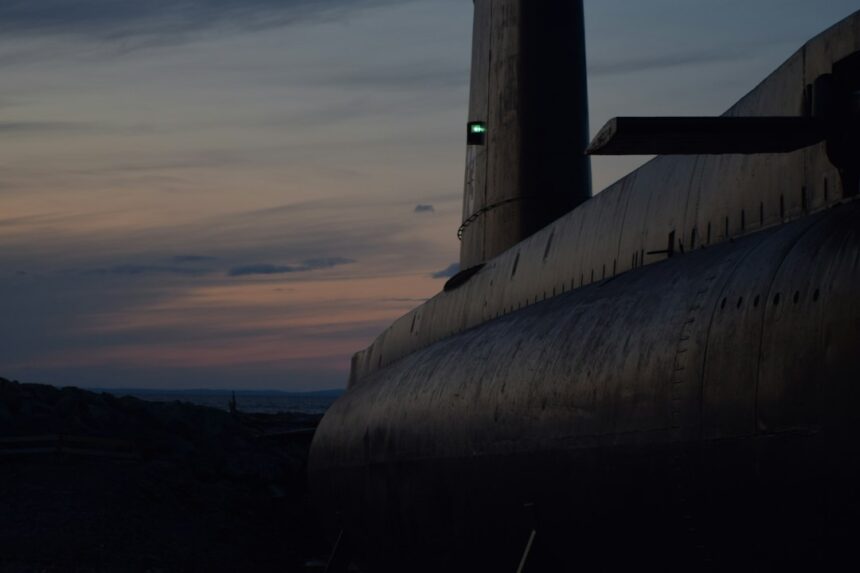
The silent hunter, a leviathan of the deep, has once again emerged from its prolonged submersion, its extended patrol at sea a testament to the remarkable advancements in naval endurance. This recent deployment, shrouded in the necessary secrecy befitting its nature, has provided a tangible demonstration of the capabilities that allow modern submarines to operate for unprecedented durations, far from the familiar shores and logistical support of their home ports. It is a narrative of human ingenuity and technological prowess, a quiet ballet of engineering and seamanship performed beneath the waves.
Unveiling the Depths of Endurance
The very concept of a submarine patrol conjures images of sustained underwater operations, a delicate balance of life support, power generation, and mission execution. For decades, the limitations of diesel-electric technology dictated shorter submerged periods, punctuated by frequent surfacing for air. However, the evolution of naval power has seen a dramatic shift, with modern submarines capable of remaining submerged for weeks, even months, at a time. This extended patrol signifies more than just a duration of absence; it represents a fundamental increase in strategic flexibility and operational effectiveness. The ability to remain hidden, to project power and gather intelligence without betraying one’s presence, is a cornerstone of modern naval strategy, and extended patrols are the very embodiment of this principle. The psychological impact of knowing an adversary can be lurking, unseen and unheard, for such a prolonged period, is a significant deterrent in itself. This recent exercise, by its very nature, allows for a more nuanced understanding of the operational envelope of these underwater platforms, pushing the boundaries of what was once considered possible.
The Pillars of Sustained Submergence
The extended patrol is not a single technological miracle but rather a complex integration of several critical systems. At its core lies the power source. Modern nuclear-powered submarines, with their compact and highly efficient reactors, provide an almost limitless supply of energy, allowing for continuous operation without the need for frequent resurfacing. This is a stark contrast to older diesel-electric vessels, which relied on atmospheric oxygen for their engines and were thus confined to shorter underwater deployments. Beyond power, the sophisticated life support systems are paramount. These systems meticulously manage air quality, recycling oxygen and scrubbing carbon dioxide, ensuring a safe and habitable environment for the crew through prolonged periods of confinement. Water purification and waste management technologies also play a vital role, minimizing the reliance on stored supplies and contributing to the overall self-sufficiency of the vessel. The psychological well-being of the crew is also a critical factor, with modern submarines incorporating amenities and routines designed to mitigate the effects of long-term isolation.
Strategic Implications of Unseen Vigilance
The implications of a submarine capable of extended patrols are profound for global naval strategy. It grants navies the ability to maintain a persistent, covert presence in critical maritime regions, offering unparalleled intelligence-gathering capabilities. This persistent presence can deter potential aggressors, as the uncertainty of an adversary’s location and intentions can force them to operate with a heightened degree of caution. Furthermore, submarines on extended patrols can provide rapid response capabilities, able to reach distant operational areas quickly and without the need for extensive logistical build-up. The ability to deploy and operate for such durations also allows for more complex and sustained training exercises, honing the skills of the crew and testing the limits of the vessel’s systems in a realistic operational environment. This exercise served as a valuable proving ground for these capabilities.
The strategic importance of submarine extended patrols at sea has been a topic of considerable discussion in recent military analyses. For those interested in exploring this subject further, an insightful article can be found at this link, which delves into the implications of prolonged underwater missions and their impact on naval warfare dynamics.
Engineering a New Era of Maritime Autonomy
The success of such an extended patrol is intrinsically linked to the cutting-edge engineering that underpins modern submarine design and operation. These vessels are not merely submerged platforms; they are highly integrated, self-sustaining ecosystems designed for maximum efficiency and resilience in the harsh environment of the ocean. The technological leaps in propulsion, life support, and sensor technology have collectively revolutionized what is achievable beneath the waves. This patrol represents a culmination of decades of research, development, and iterative refinement, pushing the boundaries of what was once the realm of science fiction into tangible operational reality. The dedication of the engineers and technicians who design, build, and maintain these complex machines is as crucial as the operational prowess of the crews who man them.
Propulsion Systems: The Heartbeat of the Deep
The power plants of modern submarines are the silent engines driving their extended operational capabilities. For nuclear-powered submarines, the advanced Small Modular Reactors (SMRs) have proven to be game-changers. These reactors are not only compact and highly efficient but also designed for unparalleled safety and longevity. They provide a virtually inexhaustible source of power, allowing the submarine to operate at high speeds for extended periods and to maintain a continuous submerged state without the need for refueling. This contrasts sharply with the limitations of conventional diesel-electric submarines, which are dependent on atmospheric oxygen for their engines and require frequent snorkeling or surfacing to recharge their batteries. The ongoing development of even more advanced propulsion systems, including fuel cell technology for non-nuclear submarines, promises to further extend submerged endurance for a wider range of naval assets. This patrol provided a robust testbed for these integrated propulsion solutions.
Life Support: A Closed-Loop Ecosystem for Survival
Maintaining a breathable atmosphere and a habitable environment for a crew for weeks or months on end is a monumental feat of engineering. The sophisticated life support systems aboard modern submarines are essentially self-contained ecosystems. Advanced air regeneration systems continuously remove carbon dioxide and replenish oxygen, utilizing a combination of chemical processes and electrolysis. Water purification and desalination plants ensure a constant supply of potable water, while waste management systems are designed to be as efficient and contained as possible. These systems are not only crucial for survival but also for the psychological well-being of the crew, as they create a stable and predictable environment within the confines of the submarine. The redundancy built into these critical systems is a testament to the paramount importance placed on crew safety during extended deployments. This patrol subjected these systems to rigorous real-world conditions.
Advanced Materials and Hull Integrity
The ability to withstand the immense pressures of the deep ocean for extended periods is a testament to the advanced materials science and hull design employed in modern submarines. High-strength steels and composite materials are utilized to construct robust hulls capable of resisting crushing forces. The structural integrity of the submarine is constantly monitored through sophisticated sensor arrays, providing early warning of any potential stresses or weaknesses. Furthermore, advancements in coatings and anti-corrosion technologies ensure the longevity of the hull and its components, even in the corrosive environment of seawater. This extended patrol allowed for a thorough assessment of the long-term performance of these materials under sustained operational stress.
The Silent Watch: Intelligence and Deterrence
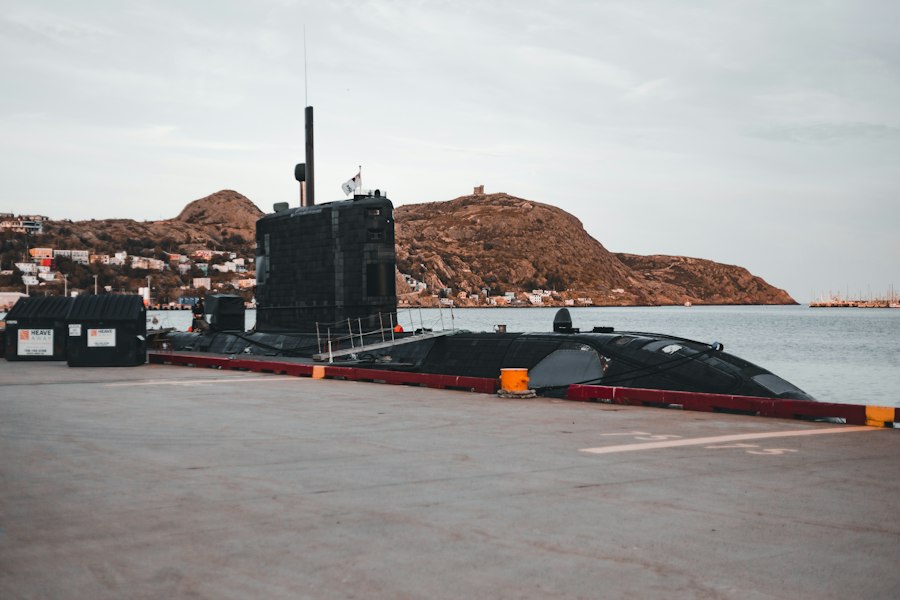
The primary strategic advantage of a submarine on extended patrol lies in its capacity for persistent, covert intelligence gathering and its inherent deterrent effect. The ability to operate unseen and unheard allows for unparalleled observation of adversary activities, from naval movements to subterranean infrastructure, without tipping one’s hand. This “eyes and ears” capability beneath the waves is invaluable for maintaining situational awareness and responding to emerging threats. Moreover, the mere knowledge that a submarine could be operating in a particular area, at any given time, acts as a powerful deterrent, influencing the decision-making of potential adversaries and compelling them to act with greater circumspection. This extended patrol serves as a tangible demonstration of this strategic posture.
Persistent Surveillance and Reconnaissance
Submarines are inherently stealthy platforms, designed to blend seamlessly with the oceanic environment. On extended patrols, they can maintain a constant vigil over critical maritime choke points, naval bases, and areas of strategic interest. Their sophisticated sonar systems, along with other advanced sensor suites, can detect and track a wide range of underwater and surface activity. This provides invaluable intelligence on enemy naval deployments, weapon systems, and operational patterns, allowing for real-time threat assessment and strategic planning. The ability to remain submerged for long durations means that this surveillance can be conducted without interruption, providing a continuous flow of information that would be impossible to achieve with surface vessels or aircraft alone. This patrol exemplified this persistent watch.
The Deterrent Shadow: Projecting Unseen Power
The psychological impact of an unseen adversary is a potent form of deterrence. The knowledge that a submarine capable of launching devastating attacks could be lurking just beyond the horizon, or even within striking distance, forces potential aggressors to consider the risks and consequences of their actions far more carefully. This “shadow presence” compels a more cautious approach to maritime operations, as the uncertainty of the submarine’s location and intentions creates a constant element of risk. This extended patrol, by its very nature, reinforces this deterrent effect, reminding all naval actors of the pervasive reach of submarine power. It is a silent, but undeniable, projection of strength.
Information Dominance Through Stealth
In the modern information-driven battlefield, intelligence is a critical currency. Submarines on extended patrols contribute significantly to achieving information dominance by providing a secure and covert channel for intelligence gathering. They can operate in environments where other intelligence-gathering assets might be too vulnerable or detectable. This allows for the collection of crucial data that can shape strategic decisions, inform tactical maneuvers, and ultimately, contribute to mission success. The data gathered during such prolonged deployments is invaluable for building comprehensive threat assessments and understanding the complex dynamics of the global maritime environment.
Crew Resilience and Operational Readiness
While technology provides the platform, it is the human element – the highly trained and dedicated crew – that truly makes extended patrols a success. The psychological and physical demands of prolonged confinement and constant operational readiness are immense. Modern navies invest heavily in selecting, training, and supporting their submariners, ensuring they possess the resilience, discipline, and technical expertise required to operate effectively under such challenging conditions. This patrol is as much a testament to the endurance and professionalism of the crew as it is to the capabilities of the submarine itself. The mental fortitude required to maintain peak performance in such an isolated and demanding environment cannot be overstated.
The Psychological Crucible of Extended Patrols
The isolation of an extended submarine patrol is a significant psychological challenge. Weeks, even months, spent in the confined spaces of a submarine, with limited contact with the outside world, can take a toll on even the most seasoned individuals. However, modern submarine crews are meticulously trained to cope with these pressures. Rigorous psychological screening, comprehensive team-building exercises, and well-established routines for recreation and personal time all contribute to maintaining crew morale and mental well-being. The shared experience of such a demanding deployment fosters a strong sense of camaraderie and mutual reliance, which are vital for success. This patrol provided a real-world test of these psychological coping mechanisms.
Maintaining Peak Operational Effectiveness
Beyond psychological resilience, maintaining a high level of operational readiness is paramount. Submariners undergo extensive and continuous training to ensure they are proficient in all aspects of submarine operations, from navigation and weapon systems to damage control and emergency procedures. The ability to respond swiftly and effectively to any contingency, no matter how unlikely, is a hallmark of a well-trained submarine crew. Extended patrols offer a unique opportunity to hone these skills in a realistic operational setting, pushing crews to their limits and ensuring they are prepared for any scenario. The success of this patrol is a direct reflection of the dedication and skill of its crew.
The Importance of a Skilled and Cohesive Unit
A submarine is a complex, interconnected system, and its effectiveness hinges on the seamless coordination and collaboration of its crew. Each member plays a critical role, and their ability to work together harmoniously is essential for mission success. Extensive training in teamwork, communication, and conflict resolution is an integral part of submariner development. The shared challenges and triumphs of an extended patrol forge strong bonds within the crew, creating a cohesive unit that can operate with exceptional efficiency and precision. This patrol served as a powerful example of such a cohesive unit in action.
The strategic importance of submarine extended patrols at sea has been highlighted in various military analyses, emphasizing their role in modern naval warfare. For a deeper understanding of the implications and operational strategies involved, you can explore a related article that discusses the evolving capabilities of submarines and their impact on global security. This insightful piece can be found here, providing valuable context to the ongoing discussions about underwater warfare and deterrence.
Future Prospects and Technological Evolution
| Metric | Value | Unit | Notes |
|---|---|---|---|
| Maximum Patrol Duration | 90 | Days | Typical extended patrol length for nuclear submarines |
| Average Daily Distance Covered | 100 | Nautical Miles | Varies based on mission and speed |
| Maximum Submerged Endurance | 75 | Days | Limited by food and crew endurance, nuclear power allows long submerged periods |
| Crew Size | 120 | Personnel | Typical for ballistic missile submarines on extended patrols |
| Food Supply Capacity | 90 | Days | Supports crew for entire patrol duration |
| Average Daily Energy Consumption | 500 | kWh | Includes life support, propulsion, and onboard systems |
| Communication Windows | 2-3 | Per Day | Scheduled satellite or radio communication periods |
| Maximum Operating Depth | 300 | Meters | Typical for modern attack submarines |
The success of this extended patrol is not an endpoint but a stepping stone, a clear indicator of the ongoing evolution of submarine warfare and naval capabilities. The lessons learned and the performance data gathered from such deployments will undoubtedly inform future designs, operational doctrines, and technological advancements. The continuous drive for greater endurance, enhanced stealth, and improved operational effectiveness ensures that the silent hunter will continue to play a pivotal role in global maritime security for decades to come. The future of submarine operations is one of increasing sophistication and capability, a horizon shaped by innovation and the unwavering commitment to naval excellence.
The Drive for Even Greater Endurance
The quest for extended endurance is a perpetual endeavor in submarine design. Future submarines will likely feature even more advanced propulsion systems, potentially incorporating next-generation nuclear reactor designs or revolutionary concepts like fusion power. Enhanced energy storage solutions and more efficient power management will further reduce reliance on external resources. Furthermore, breakthroughs in materials science could lead to lighter, stronger hull structures, enabling deeper diving capabilities and thus greater strategic flexibility. The development of autonomous systems and artificial intelligence will also play a role, potentially reducing crew workload and enabling more complex missions.
Enhanced Stealth and Sensor Technology
Stealth remains the submarine’s most formidable weapon, and advancements in acoustic and non-acoustic signature reduction are constantly being pursued. This includes developing quieter machinery, more effective hull coatings, and improved countermeasures against enemy detection systems. Simultaneously, sensor technology continues to evolve at a rapid pace. Advanced sonar arrays, infrared detection systems, and the integration of data from other intelligence platforms will provide submarines with an unprecedented awareness of their surroundings, even in the most challenging environments. This patrol provided valuable data points for further refining these sensor suites.
The Evolving Role of Unmanned Underwater Vehicles (UUVs)
The integration of Unmanned Underwater Vehicles (UUVs) with manned submarines represents a significant paradigm shift in underwater operations. UUVs can extend the reach and capabilities of the submarine, performing tasks such as reconnaissance, mine countermeasures, and even offensive operations in areas too dangerous for manned vessels. The ability to launch and recover UUVs from a submerged platform enhances the overall operational flexibility and effectiveness of the submarine. Future extended patrols may see an even greater reliance on these autonomous partners, working in concert with their manned counterparts to achieve complex mission objectives. This patrol laid the groundwork for future collaborative operations.
The Soviet Submarine Britain Lost—Then Found Again
FAQs
What is an extended patrol at sea for a submarine?
An extended patrol at sea for a submarine refers to a prolonged period of time during which a submarine remains submerged and operates in a specific area or multiple areas without returning to port.
How long can a submarine stay submerged during an extended patrol at sea?
Modern submarines are designed to stay submerged for extended periods, ranging from several weeks to several months, depending on factors such as the type of submarine, its propulsion system, and the availability of supplies on board.
What are the main objectives of a submarine extended patrol at sea?
The main objectives of a submarine extended patrol at sea include gathering intelligence, conducting surveillance, monitoring maritime traffic, supporting military operations, and demonstrating presence in a specific region.
How do submarines receive supplies and support during extended patrols at sea?
Submarines can receive supplies and support through resupply ships, aircraft, or by rendezvousing with other submarines or surface vessels specially equipped for replenishment at sea. This allows submarines to remain operational for extended periods without returning to port.
What are some of the challenges faced by submarines during extended patrols at sea?
Challenges faced by submarines during extended patrols at sea include limited space for crew members, psychological stress from prolonged isolation, maintenance of equipment, communication limitations, and the need to operate stealthily to avoid detection.