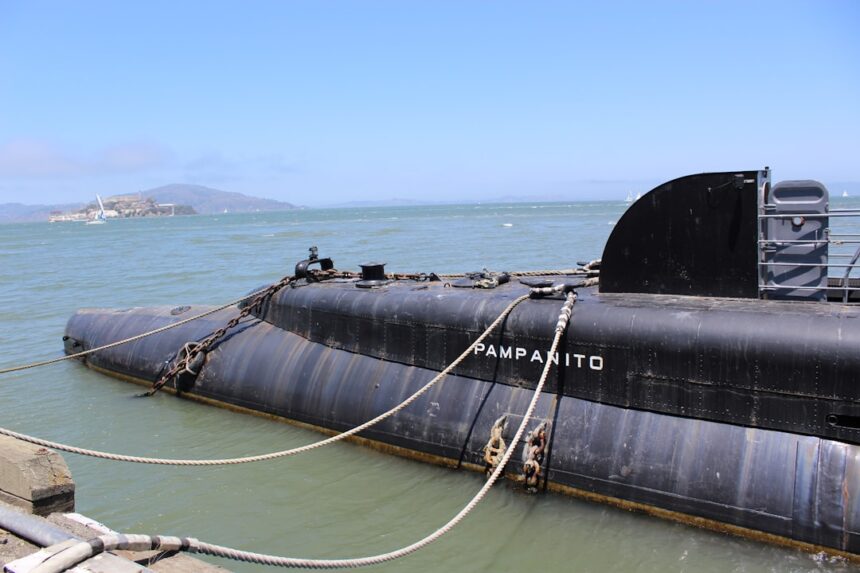
The frigid, iron-grey waters of the Barents Sea have long been the operational theater for one of the world’s most formidable naval forces: Russia’s Northern Fleet. At its core lies a silent, submerged power, a constellation of nuclear-powered submarines that stand as a cornerstone of Russia’s strategic deterrence. These vessels, a testament to decades of Soviet and Russian shipbuilding prowess, are not merely ships; they are mobile fortresses, armed with the ultimate weapon and capable of projecting power across vast distances. For Russia, the Northern Fleet’s nuclear submarine component is more than a military asset; it is a symbol of sovereignty, a guarantor of security, and a crucial element in the intricate geopolitical ballet of the 21st century.
The very existence and operational readiness of Russia’s Northern Fleet, particularly its nuclear submarine arm, are rooted in deeply ingrained strategic imperatives that have shaped Russian military doctrine for generations. The Arctic region, with its burgeoning resource potential and increasingly contested maritime routes, has elevated the strategic importance of this northern bastion. For Russia, control and influence in this domain are paramount, and the nuclear submarine fleet is the ultimate tool for projecting that influence and defending its interests.
Historical Context and the Cold War Legacy
The genesis of Russia’s formidable submarine force can be traced back to the intense naval arms race of the Cold War. The Soviet Union, facing a technologically superior NATO, recognized the strategic advantage of submarines. Their ability to operate undetected, deliver devastating payloads, and pose a significant threat to surface fleets and land targets made them an indispensable component of Soviet military strategy. The development of nuclear propulsion allowed these submarines to remain submerged for extended periods, vastly increasing their operational range and stealth.
- The Dawn of Nuclear Submarines: The Soviet Union was an early adopter of nuclear propulsion for submarines, launching its first nuclear-powered ballistic missile submarine (SSBN), the K-141, in the late 1950s. This marked a significant technological leap, enabling longer patrols and greater operational flexibility.
- The Strategic Deterrent Role: During the Cold War, Soviet SSBNs, armed with intercontinental ballistic missiles (ICBMs), formed the backbone of their nuclear deterrent. They were designed to survive a first strike and retaliate, thereby dissuading an adversary from launching a pre-emptive attack.
- The Northern Fleet’s Arctic Focus: The strategic location of the Northern Fleet’s bases in Murmansk and Severodvinsk, nestled within the Arctic Circle, dictated its primary operational area. This focus on the Arctic and the North Atlantic remains a defining characteristic of the fleet today.
Modern Geopolitical Considerations
In the post-Cold War era, the strategic landscape has shifted dramatically, yet the Northern Fleet’s significance has only amplified. The resurgence of great power competition, the opening of Arctic sea lanes due to climate change, and the modernization of Russia’s military all contribute to the continued relevance of its nuclear submarine force.
- Deterrence in a Multipolar World: Russia views its nuclear submarines as a crucial element of its deterrence strategy in a world where traditional alliances are fluid and new threats are emerging. The ability to hold adversaries at risk, even from the silent depths of the ocean, remains a powerful geopolitical tool.
- Arctic Sovereignty and Resource Protection: As Arctic ice recedes, opening up new shipping routes and access to vast mineral and hydrocarbon reserves, Russia is keen to assert its sovereignty and protect its economic interests. The Northern Fleet, with its submarine component, is the primary means of projecting this control and deterring potential incursions.
- Power Projection and Global Reach: While its primary focus remains on its immediate strategic environment, Russia’s nuclear submarines are capable of projecting power far beyond the Arctic. Their ability to operate globally allows Russia to demonstrate its military capabilities and influence on a wider stage.
Recent developments concerning Russia’s Northern Fleet nuclear submarines have raised significant concerns among military analysts and global security experts. For a deeper understanding of the strategic implications of these submarines and their role in Russia’s naval capabilities, you can read a related article that delves into the intricacies of this topic. For more information, visit this article.
The Submarine Classes: Pillars of Power
The effectiveness and strategic reach of Russia’s Northern Fleet are directly attributable to the diverse and advanced submarine classes that comprise its underwater arsenal. From the colossal Borei-class ballistic missile submarines designed for strategic deterrence to the sophisticated Yasen-class attack submarines capable of hunting enemy vessels, each class plays a distinct yet vital role in maintaining the fleet’s operational superiority.
The Borei-class: The New Face of Strategic Deterrence
The Borei-class submarines represent the modern face of Russia’s strategic nuclear deterrent. These state-of-the-art vessels are designed to carry the latest generation of intercontinental ballistic missiles, making them a formidable and survivable component of Russia’s nuclear triad. Their advanced stealth technology and extended patrol capabilities ensure they remain a potent threat, capable of delivering a devastating retaliatory strike.
- **SS

Russia’s Nuclear Submarines Depend on This Arctic Lifeline
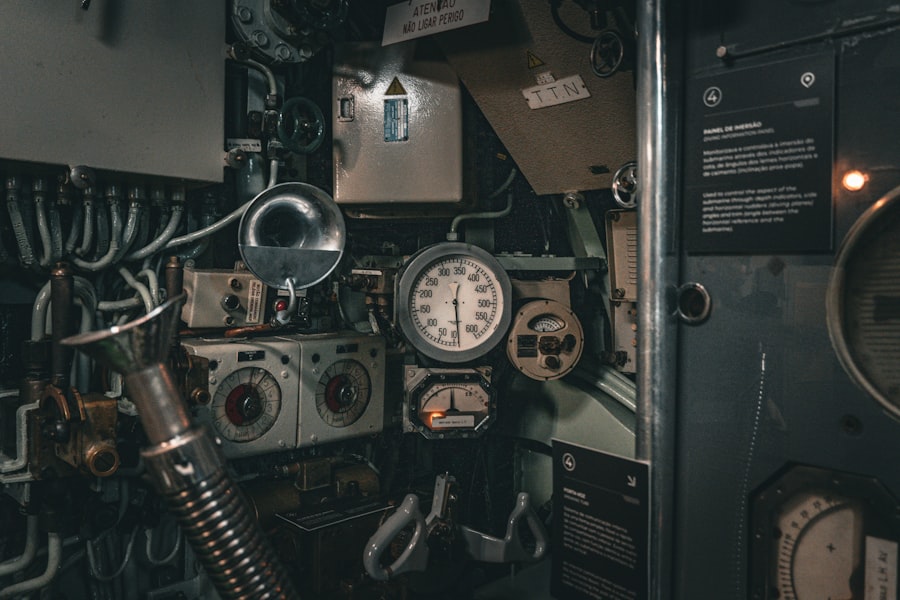
FAQs

What is the Russia Northern Fleet?
The Russia Northern Fleet is one of the four fleets of the Russian Navy. It is based in the Arctic and Northern regions of Russia and is responsible for protecting Russian interests in the Arctic Ocean.
How many nuclear submarines does the Russia Northern Fleet have?
The Russia Northern Fleet is known to have a significant number of nuclear-powered submarines, including both ballistic missile submarines (SSBNs) and attack submarines (SSNs). The exact number of submarines in the fleet is classified, but it is estimated to be around 40 submarines.
What is the role of nuclear submarines in the Russia Northern Fleet?
Nuclear submarines in the Russia Northern Fleet play a crucial role in maintaining Russia’s strategic deterrence capabilities. Ballistic missile submarines (SSBNs) are equipped with intercontinental ballistic missiles (ICBMs) and are responsible for carrying out nuclear deterrence patrols. Attack submarines (SSNs) are used for a variety of missions, including anti-submarine warfare, intelligence gathering, and special operations.
What are the challenges of operating nuclear submarines in the Arctic region?
Operating nuclear submarines in the Arctic region presents several challenges, including harsh environmental conditions, such as extreme cold, ice cover, and limited access to support facilities. Additionally, the Arctic environment poses navigation and communication challenges for submarines.
What are the implications of the Russia Northern Fleet’s nuclear submarines for international security?
The presence of nuclear submarines in the Russia Northern Fleet has significant implications for international security, particularly in the context of strategic stability and arms control. The fleet’s submarines contribute to Russia’s nuclear deterrence posture and have the potential to influence geopolitical dynamics in the Arctic region.