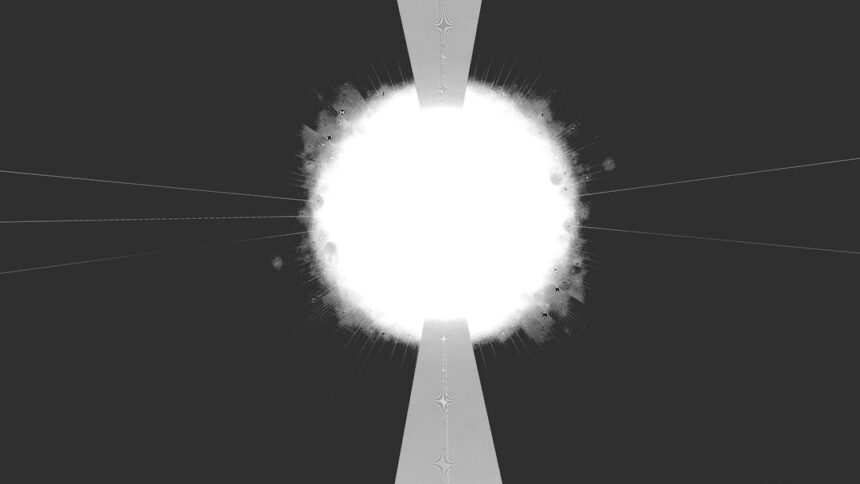
The chilling specter of nuclear war, a conflict that could ignite the most destructive of human capabilities, carries with it a cascade of dire consequences. Among these, the stratospheric nuclear explosion and its subsequent fallout represent a particularly insidious and far-reaching threat. Unlike ground bursts or lower-altitude detonations, a stratospheric event, occurring at altitudes of 30 kilometers or higher, unleashes radioactive particles into the very layers of the atmosphere that cradle our planet. This unique dispersion mechanism leads to a distinct and perilous pattern of fallout, posing significant risks to human health and the environment that could persist for generations. Understanding the intricate processes involved and the potential ramifications is crucial for comprehending the full horror of such a scenario.
The Physics of Stratospheric Fallout
The behavior of radioactive debris following a nuclear detonation is heavily influenced by the altitude of the explosion. A stratospheric nuclear explosion, by definition, places the immense energy release and the resulting radioactive cloud well above the troposphere, the layer where weather occurs and precipitation effectively scrubs fallout from the air. This elevated position allows for a fundamentally different dispersal pattern.
The Initial Fireball and Plume Formation
Upon detonation, a nuclear weapon generates an intense fireball, vaporizing surrounding materials and creating a massive thermal updraft. In the stratosphere, this updraft is not immediately dampened by atmospheric resistance or precipitation. Instead, it propels a significant portion of the radioactive fission products and neutron-activated materials high into the stratosphere. The initial plume, a towering column of superheated gases and vaporized debris, can reach hundreds of kilometers into the atmosphere, with the most dangerous radioactive isotopes injected into altitudes where they are shielded from immediate gravitational settling.
Global Dispersal and Residence Time
Once in the stratosphere, radioactive particles are subject to high-altitude winds and global atmospheric circulation patterns. Unlike tropospheric fallout, which tends to be deposited locally and regionally within days or weeks, stratospheric fallout can remain suspended in the upper atmosphere for years, even decades. These particles are gradually transported around the globe by prevailing winds, slowly descending through atmospheric layers. This prolonged residence time means that radioactive isotopes, including long-lived ones like Cesium-137 and Strontium-90, can be distributed far from the detonation site, potentially contaminating ecosystems and populations on a global scale. The specific isotopes produced, their particle size, and the stratospheric wind patterns at the time of detonation all contribute to the complex trajectory and distribution of this fallout.
Stratospheric nuclear explosion fallout poses significant risks to both the environment and human health, as detailed in a related article on the topic. For a deeper understanding of the implications and potential consequences of such events, you can read more in the article available at In the War Room. This resource provides valuable insights into the mechanisms of fallout dispersion and its long-term effects on ecosystems and populations.
Health Risks Associated with Stratospheric Fallout
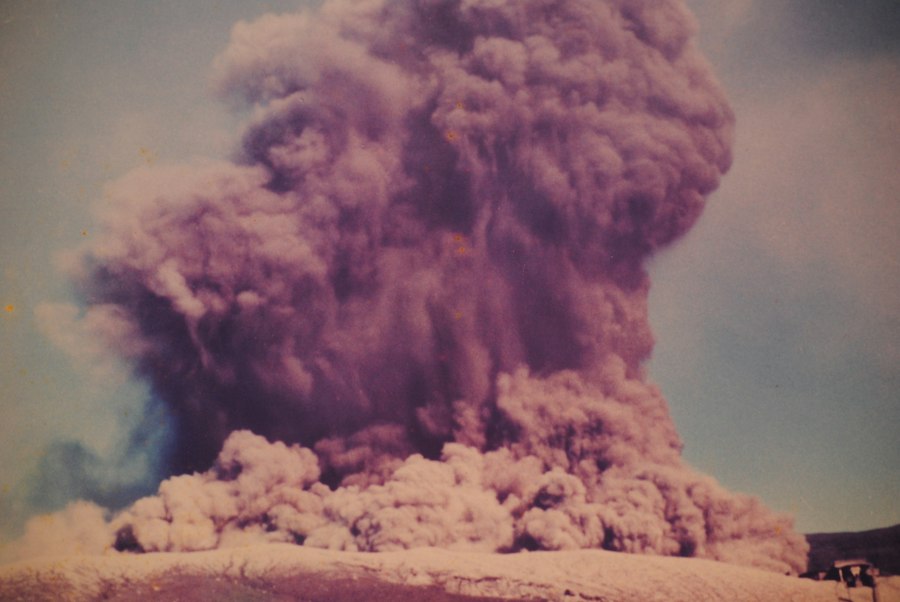
The radioactive isotopes carried by stratospheric fallout pose a multifaceted threat to human health. Exposure can occur through various pathways, leading to a spectrum of acute and chronic health problems, with latent effects that can manifest years or even decades after the initial event. The insidious nature of stratospheric fallout lies in its widespread and persistent contamination.
Internal and External Radiation Exposure
Upon deposition, radioactive particles can lead to both external and internal radiation exposure. External exposure occurs when individuals are in close proximity to contaminated surfaces or airborne particles. However, the more significant and persistent threat often comes from internal exposure. Inhaling contaminated dust or ingesting food and water that has been contaminated by fallout are primary routes of internal exposure. Once inside the body, radioactive isotopes can lodge in specific organs, where their emitted radiation damages cells and DNA, increasing the risk of cancer.
Carcinogenesis and Genetic Mutations
The primary long-term health concern from radioactive fallout is the increased risk of developing various forms of cancer. Isotopes like Cesium-137 and Strontium-90 are particularly problematic because they mimic naturally occurring elements and are readily incorporated into biological systems. Cesium-137, for instance, can be incorporated into muscle tissue, while Strontium-90 can accumulate in bones, leading to prolonged internal irradiation of sensitive tissues. Beyond cancer, the DNA-damaging effects of ionizing radiation can also lead to genetic mutations, increasing the risk of inherited diseases in future generations. These effects can be subtle and may not become apparent for many years, making monitoring and long-term health surveillance of affected populations essential.
Acute Radiation Syndrome and Other Immediate Effects
While the long-term consequences of chronic low-level exposure are a major concern, high levels of acute exposure to stratospheric fallout, particularly in the immediate aftermath of a detonation and during initial deposition, can lead to Acute Radiation Syndrome (ARS). ARS is a severe illness characterized by a range of symptoms including nausea, vomiting, diarrhea, hair loss, and damage to the immune system, central nervous system, and cardiovascular system. The severity of ARS depends on the dose of radiation received. Even if not immediately fatal, ARS can lead to significant long-term health complications and increased susceptibility to infections.
Environmental Impacts of Stratospheric Fallout

The consequences of a stratospheric nuclear explosion extend far beyond immediate human health concerns, deeply impacting the delicate balance of Earth’s ecosystems. The persistent nature of stratospheric fallout means that its environmental repercussions can be prolonged and widespread, affecting agriculture, water resources, and wildlife for extended periods.
Contamination of Food Chains and Agricultural Lands
Once radioactive particles settle on land and in water bodies, they inevitably enter food chains. Plants absorb radioactive isotopes from the soil and water, and these contaminants are then passed up the food chain as herbivores consume contaminated vegetation, and carnivores consume herbivores. This biomagnification process can lead to a significant accumulation of radioactive isotopes in higher trophic levels, including animals and ultimately humans who consume contaminated agricultural products or animal products. Agricultural lands, particularly those downwind from detonation sites or in areas of widespread deposition, could become unusable for food production for decades due to persistent radioactive contamination.
Impact on Water Resources and Aquatic Ecosystems
Water bodies are also susceptible to contamination from stratospheric fallout. Rainwater and snowmelt can wash radioactive particles into rivers, lakes, and oceans. These isotopes can then be absorbed by aquatic organisms, impacting their health and survival. The long residence time of certain isotopes, such as Cesium-137, in aquatic environments can lead to chronic exposure for fish and other aquatic life, with potential implications for fisheries and human consumption of seafood. Furthermore, the contamination of groundwater sources can render them unsafe for drinking and irrigation for extended periods.
Long-Term Ecological Disruption and Biodiversity Loss
The cumulative effects of radioactive contamination can lead to profound and long-lasting ecological disruption. Persistent radiation levels can alter plant communities, suppress insect populations, and impact the reproductive success of various animal species. This can lead to a decline in biodiversity and a shift in ecosystem structure. For instance, sensitive plant species may be unable to tolerate the increased radiation, while animals with higher metabolic rates or longer lifespans may accumulate greater doses of radiation over time, leading to increased rates of mutation and disease. The recovery of damaged ecosystems could take centuries, and some ecological niches might never fully recover their original state.
Mitigation and Preparedness Strategies
Given the catastrophic potential of stratospheric nuclear explosions, preparedness and mitigation strategies are paramount, though the effectiveness of such measures against such a pervasive threat is inherently limited. The focus must be on prevention, but understanding potential responses is crucial.
Global Monitoring and Early Warning Systems
The development and maintenance of robust global monitoring networks are essential for detecting and characterizing nuclear detonations and their fallout. These systems, utilizing atmospheric sampling, radiation sensors, and satellite imagery, can provide critical early warning and tracking of radioactive plumes. This information is vital for informing public health advisories, implementing protective measures, and assessing the extent of contamination. International cooperation and data sharing are indispensable for an effective global response.
Public Health Interventions and Long-Term Health Surveillance
In the event of a stratospheric nuclear explosion, public health interventions would be critical. This would include advising populations on sheltering, decontamination procedures, and evacuation if necessary. Measures to prevent internal contamination, such as the distribution of potassium iodide to block thyroid uptake of radioactive iodine (though less effective against stratospheric fallout’s long-lived isotopes), would be considered. Crucially, long-term health surveillance programs would be required to monitor populations for the delayed effects of radiation exposure, such as an increased incidence of cancer and genetic disorders, allowing for early diagnosis and treatment.
Environmental Remediation and Restoration Efforts
Addressing the long-term environmental consequences of stratospheric fallout would involve extensive and challenging remediation efforts. This could include the decontamination of agricultural lands and water sources, the management of radioactive waste, and the long-term monitoring of ecosystems. However, the sheer scale and persistence of stratospheric fallout present formidable obstacles to complete environmental restoration. In many cases, the focus might shift from complete remediation to long-term management and adaptation to a more radioactive environment.
The implications of stratospheric nuclear explosion fallout are profound and far-reaching, affecting not only the immediate environment but also global climate patterns. For a deeper understanding of this issue, you can explore a related article that discusses the long-term effects of such explosions on both human health and ecological systems. This insightful piece can be found at this link, where you will find a comprehensive analysis of the potential consequences of nuclear detonations in the stratosphere.
The Unthinkable Scenario: Implications for Civilization
| Parameter | Value/Range | Unit | Notes |
|---|---|---|---|
| Explosion Altitude | 30 – 50 | km | Typical altitude range for stratospheric nuclear detonations |
| Initial Fireball Radius | 1 – 3 | km | Depends on yield of the device |
| Fallout Particle Size | 0.1 – 10 | micrometers | Smaller particles remain suspended longer |
| Fallout Arrival Time | Days to weeks | Time | Depends on altitude and atmospheric conditions |
| Radioactive Isotopes | Strontium-90, Cesium-137, Iodine-131 | N/A | Common isotopes found in fallout |
| Half-life of Cs-137 | 30.17 | Years | Long-term contamination risk |
| Fallout Deposition Area | Thousands to tens of thousands | km² | Depends on wind patterns and explosion yield |
| Radiation Dose Rate (initial) | 1000 – 10,000 | mSv/hr | Near ground zero shortly after fallout arrival |
| Stratospheric Residence Time | Months to years | Time | Particles can remain suspended in stratosphere before settling |
The possibility of a stratospheric nuclear explosion, whether intentional or accidental, represents one of the most profound existential threats to human civilization. The cascading effects of widespread radioactive contamination, coupled with the potential for widespread societal collapse and long-term ecological damage, paint a grim picture of a post-nuclear world.
Nuclear Winter and Global Climate Disruption
While direct stratospheric fallout is a significant concern, large-scale nuclear exchanges, which could lead to stratospheric detonations, also carry the risk of a “nuclear winter.” The immense fires ignited by nuclear blasts would inject vast amounts of soot and smoke into the stratosphere, obscuring the sun and causing a rapid and severe drop in global temperatures. This dramatic climate disruption could lead to widespread crop failure, famine, and a collapse of ecosystems. The radioactive fallout would exacerbate these challenges, making recovery even more difficult.
Societal Collapse and Long-Term Human Survival
The widespread contamination of food and water resources, coupled with the long-term health consequences of radiation exposure, could lead to the breakdown of social structures and governance. Famine, disease, and the sheer difficulty of surviving in a radioactive environment would challenge the very fabric of human society. The long-term survival of humanity, let alone the restoration of civilization as we know it, would be a monumental and uncertain undertaking in the aftermath of such a catastrophe. The genetic legacy of radiation exposure could also have lasting impacts on human populations for millennia.

The 1958 Space Nukes Meant to Destroy Soviet Missiles
FAQs
What is a stratospheric nuclear explosion?
A stratospheric nuclear explosion is a detonation of a nuclear weapon high in the Earth’s stratosphere, typically at altitudes above 30 kilometers.
How does a stratospheric nuclear explosion affect the atmosphere?
A stratospheric nuclear explosion can have significant impacts on the atmosphere, including the creation of a large fireball, electromagnetic pulse (EMP) effects, and the injection of radioactive particles into the stratosphere.
What is fallout from a stratospheric nuclear explosion?
Fallout from a stratospheric nuclear explosion refers to the radioactive particles and debris that are dispersed in the atmosphere and can be carried by winds over long distances, potentially affecting areas far from the detonation site.
How does stratospheric nuclear explosion fallout impact human health?
Exposure to stratospheric nuclear explosion fallout can result in various health risks, including radiation sickness, increased risk of cancer, and genetic mutations in future generations.
Can stratospheric nuclear explosion fallout affect the environment?
Yes, stratospheric nuclear explosion fallout can have long-lasting environmental impacts, such as contamination of soil, water, and vegetation, disruption of ecosystems, and potential harm to wildlife populations.