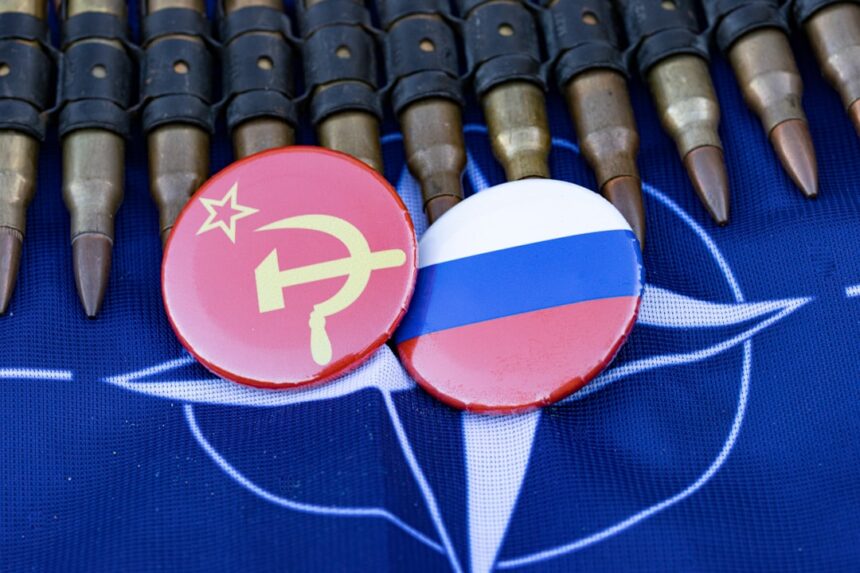
Russia’s High North, a vast and resource-rich region bordering the Arctic Ocean, has long been a cornerstone of its strategic thinking. In recent years, this strategic focus has intensified, driven by a confluence of factors including resource extraction, geopolitical competition, and the evolving climate. Russia’s High North strategy is a multifaceted approach aimed at solidifying its sovereignty, enhancing its economic prosperity, and projecting its military power in this crucial geopolitical arena.
Economic Drivers of Russia’s Arctic Ambitions
Russia’s interest in the High North is deeply rooted in its immense economic potential. The region is believed to hold vast reserves of oil, natural gas, and minerals, making it a key area for future energy security and economic growth.
Unlocking Arctic Hydrocarbon Resources
The Arctic is estimated to contain a significant portion of the world’s undiscovered hydrocarbons. Russia has been aggressively pursuing the exploration and extraction of these resources, viewing them as vital for its national economy. State-owned companies like Rosneft and Gazprom have been at the forefront of these efforts, investing heavily in offshore drilling and liquefaction projects. The Northern Sea Route, when fully navigable, also offers a potentially shorter and more efficient transit for these resources to global markets, particularly in Asia.
Development of the Northern Sea Route
The Northern Sea Route (NSR) is a critical component of Russia’s High North strategy. As climate change leads to receding sea ice, the NSR is becoming increasingly accessible for longer periods, offering a commercially viable alternative to existing shipping lanes like the Suez Canal. Russia views the NSR not only as a pathway for exporting its own resources but also as a crucial international shipping lane that it seeks to control and profit from. Significant investments have been made in icebreaker fleets, port infrastructure, and navigation systems to support year-round transit.
Mineral Extraction and Resource Diversification
Beyond hydrocarbons, the Arctic is rich in other valuable minerals, including nickel, copper, platinum, and diamonds. Russia aims to diversify its economy by exploiting these resources, reducing its reliance on oil and gas revenues. New mining projects are underway, and further exploration is planned across the vast Arctic territory. This pursuit of mineral wealth is intertwined with the development of infrastructure and transportation networks necessary to access and export these raw materials.
Geopolitical Considerations
Russia’s ambitions in the High North are not solely economic; they are also driven by significant geopolitical considerations. The region’s strategic location, bordering NATO members and holding vital Arctic shipping lanes, makes it a focal point for international relations and potential conflict.
Asserting Sovereignty and Border Security
Russia views the Arctic as an integral part of its territory and is determined to assert its sovereignty over its vast Arctic coastline and exclusive economic zone. This involves increased military presence, border patrols, and the development of Arctic-specific military capabilities. The assertion of sovereignty is aimed at deterring any challenges to its territorial claims and ensuring its unfettered access to Arctic resources and shipping lanes.
The Arctic as a Strategic Buffer Zone
Historically, Russia has utilized its northern territories as a strategic buffer. In the current geopolitical climate, this function is being re-emphasized. A strong military presence in the High North serves to deter potential adversaries and project Russian power, extending its influence further north and west. This includes the modernization of Soviet-era military bases and the establishment of new ones.
Competition for Arctic Influence
While Russia is the dominant Arctic power by landmass and coastline, other nations, including the United States, Canada, Norway, and Denmark (through Greenland), also have significant Arctic interests. Russia perceives a growing international interest in the region and seeks to maintain its preeminence by proactively developing its Arctic capabilities and asserting its rights. This competition for influence is a key driver of Russia’s strategic decisions.
Military Modernization in the High North
Russia’s military modernization efforts have a pronounced focus on the High North, with significant investments in new technologies and infrastructure designed to operate in harsh Arctic conditions and project power across the region.
Reopening and Modernizing Soviet-Era Bases
Following the collapse of the Soviet Union, many northern military bases were decommissioned. Russia has been systematically reopening and modernizing these facilities, equipping them with advanced radar systems, air defense capabilities, and logistical support. This re-establishment of a physical military footprint is crucial for projecting power and ensuring rapid response to any perceived threats.
Development of Arctic Warfare Capabilities
Operating effectively in the Arctic presents unique challenges. Russia is developing specialized military equipment and training programs to address these challenges, including ice-strengthened naval vessels, Arctic-adapted aircraft, and specialized ground forces trained for extreme cold-weather operations. The goal is to ensure that its military can operate effectively in this demanding environment.
Increased Naval Presence and Icebreaker Fleet Expansion
The Russian Navy has a significant presence in the Arctic, with a focus on its Northern Fleet. This includes deploying advanced submarines, surface combatants, and an expanding fleet of nuclear-powered icebreakers. These icebreakers are essential for escorting vessels, conducting scientific research, and asserting Russian presence in ice-covered waters. The expansion of the icebreaker fleet is a clear indicator of Russia’s commitment to dominating Arctic maritime routes.
The evolving dynamics of the High North strategy in relation to Russia and NATO have been a focal point for security analysts. A related article that delves deeper into this topic can be found at this link, where it explores the implications of military posturing and geopolitical tensions in the Arctic region. Understanding these developments is crucial for comprehending the broader context of international relations and security strategies in the High North.
NATO’s Response to Russia’s High North Strategy
NATO, a defensive alliance, views Russia’s assertive posture in the High North with concern. The alliance’s response is multifaceted, focusing on deterrence, reassurance of its members, and increased situational awareness in the region.
Strengthening NATO’s Arctic Presence
NATO’s response is characterized by a gradual but determined effort to bolster its presence and capabilities in the High North, aiming to deter potential Russian aggression and reassure its Arctic member states.
Increased Surveillance and Intelligence Gathering
A key element of NATO’s response is enhancing its ability to monitor Russian military activities in the High North. This involves increased aerial reconnaissance, maritime patrols, and the deployment of advanced sensor systems to detect and track Russian movements. Improved intelligence gathering is crucial for understanding Russia’s intentions and capabilities.
Enhanced Joint Military Exercises
NATO has been conducting more frequent and complex military exercises in the High North, often involving multiple member states. These exercises are designed to test interoperability, improve coordination, and demonstrate the alliance’s readiness to defend its northern territories. They serve as a clear signal of NATO’s commitment to collective defense in the region.
Reassurance of Arctic Allies
For NATO members with Arctic territories, such as Norway, Denmark (via Greenland), and increasingly Sweden and Finland (who have recently joined the alliance), Russia’s growing assertiveness is a direct concern. NATO’s strategy emphasizes reassuring these allies of the alliance’s commitment to their security through increased military presence, joint exercises, and political support.
The evolving dynamics of the High North have significant implications for global security, particularly in relation to Russia’s strategic posture and NATO’s response. A recent article discusses how the Arctic region is becoming a focal point for military activities and geopolitical tensions, highlighting the need for a coordinated approach among NATO allies. For more insights on this critical issue, you can read the article here: In the War Room.
Adapting Military Capabilities for the Arctic
NATO is actively working to adapt its military capabilities to operate effectively in the challenging Arctic environment, mirroring some of Russia’s efforts in this regard.
Developing Arctic-Specific Training and Equipment
While NATO does not have a dedicated “Arctic command” in the same way Russia does, individual member states are increasingly focusing on Arctic training and equipment. NATO as an alliance facilitates the sharing of best practices and encourages the development of capabilities for cold-weather warfare, navigation in icy waters, and operating in low-visibility conditions.
Strengthening Naval and Air Power in the North
NATO member states are enhancing their naval and air power projection capabilities in the High North. This includes investing in modern frigates, patrol vessels, and maritime patrol aircraft, as well as upgrading air bases and air defense systems in northern regions. The aim is to ensure that NATO can effectively contest air and sea space in the Arctic if necessary.
Collaboration on Arctic Infrastructure and Logistics
Recognizing the importance of logistics and infrastructure in the Arctic, NATO is fostering greater collaboration among its members on these issues. This includes sharing information on port access, search and rescue capabilities, and the development of resilient communication networks that can function in extreme conditions.
Political and Diplomatic Engagement
Beyond military measures, NATO is also engaged in political and diplomatic efforts to manage tensions and promote stability in the Arctic.
Maintaining Open Communication Channels
Despite increased military activity, NATO emphasizes the importance of maintaining open communication channels with Russia. This is crucial for de-escalating potential misunderstandings and preventing unintended military incidents. Diplomatic engagement aims to foster predictability and reduce the risk of miscalculation.
Upholding International Law and Arctic Governance
NATO strongly advocates for the adherence to international law, including the UN Convention on the Law of the Sea (UNCLOS), as the framework for managing Arctic affairs. The alliance supports the existing Arctic governance structures and promotes cooperation through forums like the Arctic Council, while also being prepared to defend its members’ rights and interests should those frameworks be challenged.
Promoting Arctic as a Zone of Peace and Cooperation
While acknowledging the security challenges, NATO also reiterates its vision of the Arctic as a region of peace, stability, and cooperation. The alliance supports sustainable development and scientific research in the Arctic, provided it is conducted within the framework of international law and respects the environment. This diplomatic outreach aims to foster a more cooperative atmosphere while remaining vigilant to security threats.
The Evolving Arctic Security Landscape

The interplay between Russia’s assertive High North strategy and NATO’s responsive measures is fundamentally reshaping the security landscape of the Arctic. This region, once considered a remote and relatively benign frontier, is increasingly becoming a theater of geopolitical competition.
Increased Militarization and Potential for Conflict
The build-up of military assets by both Russia and NATO member states in the High North has undeniably increased the region’s militarization. The modernization of bases, the deployment of advanced weaponry, and the increased frequency of military exercises all contribute to a heightened sense of tension. While no one desires conflict, the increased military presence and the potential for miscalculation raise concerns about the possibility of unintended escalation. The Arctic’s vastness and harsh conditions can also make it challenging to de-escalate incidents once they occur.
The Impact of Climate Change on Arctic Security
Climate change is a significant driver of both Russia’s strategy and NATO’s response. The melting of sea ice is opening up new shipping routes, increasing access to previously inaccessible resources, and altering strategic considerations. This environmental transformation is at the heart of the geopolitical shifts occurring in the region. Russia’s ability to leverage the Northern Sea Route, for example, is directly linked to climate change. Similarly, NATO’s need to monitor increased maritime traffic and potential resource competition is also a consequence of a warming Arctic.
The Role of Non-Arctic States and Emerging Powers
While Russia and NATO are the primary actors shaping Arctic security, the region’s growing importance is attracting attention from non-Arctic states, particularly China. China’s “Polar Silk Road” initiative and its increasing investment in Arctic research and infrastructure signal its growing interest. This evolving dynamic adds another layer of complexity to the Arctic security equation, as emerging powers seek to secure their own interests in the region, potentially creating new areas of cooperation or competition. The established Arctic powers, including NATO members, are closely watching these developments and their implications for regional stability.
Future Outlook and Challenges
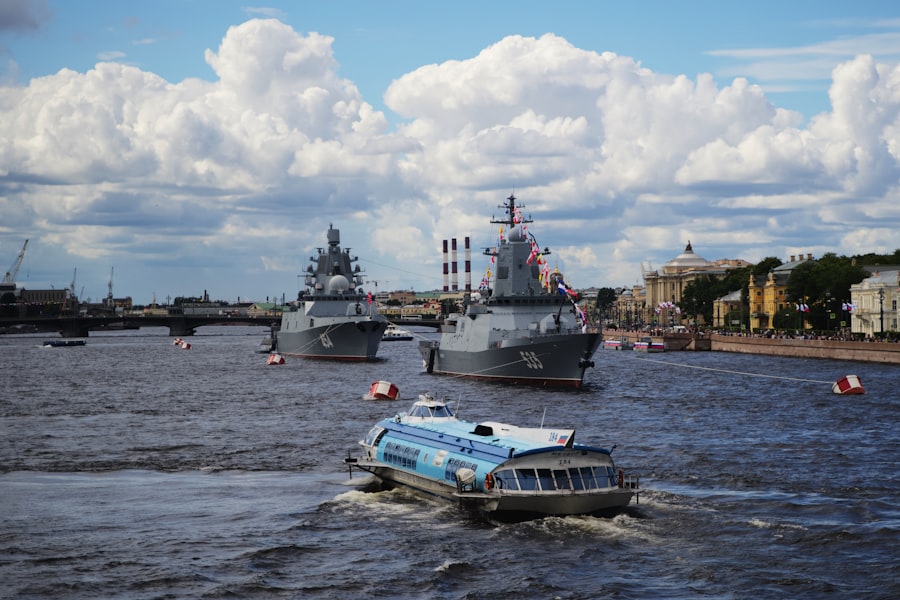
The future of Arctic security will be shaped by the ongoing interplay between Russia’s strategic ambitions and NATO’s defensive posture, as well as the overarching influence of climate change and the growing interest of non-Arctic states. Navigating this complex environment will require a delicate balance of deterrence, dialogue, and cooperation.
Maintaining Deterrence While Avoiding Escalation
A primary challenge for NATO will be to maintain a credible deterrent against any potential Russian aggression in the High North without inadvertently escalating tensions. This requires clear communication of red lines, consistent demonstrations of capability, and a robust intelligence apparatus. Simultaneously, diplomatic channels must remain open to de-escalate potential incidents and foster a sense of predictability.
The Importance of Arctic Governance and International Law
The continued adherence to international law and the strengthening of existing Arctic governance structures will be crucial for managing future challenges. Forums like the Arctic Council, despite facing challenges in the current geopolitical climate, remain vital for dialogue and cooperation on issues of shared concern. Upholding UNCLOS is paramount for resolving territorial disputes and ensuring the peaceful management of maritime spaces.
The Balancing Act of Resource Development and Environmental Protection
As the Arctic’s economic potential becomes more accessible, balancing resource development with environmental protection will be an increasingly significant challenge. Russia’s pursuit of hydrocarbon and mineral resources raises concerns about potential environmental damage. NATO members, while also interested in resource potential, often emphasize sustainable development. Finding common ground on environmental stewardship will be essential for the long-term health of the Arctic ecosystem and the well-being of its inhabitants. The potential for environmental accidents in such a fragile environment necessitates robust international cooperation on spill response and disaster preparedness.
The Long-Term Strategic Implications for the Arctic
The strategic competition in the High North is not a temporary phenomenon; it is likely to be a defining feature of the Arctic for decades to come. The region’s growing importance as a transit route, a source of resources, and a geostrategic area will continue to drive competition and cooperation among global powers. The decisions made today regarding military posture, diplomatic engagement, and adherence to international norms will have profound and lasting implications for the future of the Arctic as a region of peace, stability, and sustainable development.

Russia’s Nuclear Submarines Depend on This Arctic Lifeline
FAQs
What is the Russia NATO High North strategy?
The Russia NATO High North strategy refers to the military and geopolitical activities and interests of both Russia and NATO in the High North region, which includes the Arctic and the surrounding areas.
What are the key components of the Russia NATO High North strategy?
The key components of the Russia NATO High North strategy include military presence and exercises, resource exploitation, environmental protection, and geopolitical positioning in the Arctic region.
What are the main concerns and challenges related to the Russia NATO High North strategy?
Some of the main concerns and challenges related to the Russia NATO High North strategy include potential military tensions and conflicts, competition for natural resources, environmental impact of increased human activity, and the potential for destabilizing the region.
How does the Russia NATO High North strategy impact international relations?
The Russia NATO High North strategy impacts international relations by contributing to the overall geopolitical competition and tensions between Russia and NATO, as well as influencing the relationships between Arctic nations and other global powers.
What are the potential implications of the Russia NATO High North strategy for the future?
The potential implications of the Russia NATO High North strategy for the future include increased military presence and activity in the Arctic, heightened competition for resources, potential environmental challenges, and the need for diplomatic efforts to manage tensions and conflicts in the region.