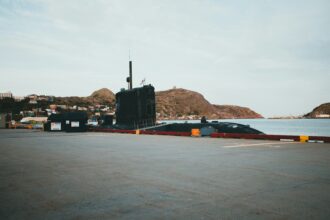
The Polar Regions, encompassing the Arctic and Antarctic, represent some of the most extreme and least understood environments on Earth. These regions are characterized by their frigid temperatures, vast ice sheets, and unique ecosystems that have adapted to survive in harsh conditions. The Arctic, located at the northernmost part of the globe, is primarily an ocean surrounded by land, while the Antarctic is a continent covered by a thick ice sheet, isolated from the rest of the world.
Both regions are not only vital to global climate regulation but also serve as critical indicators of environmental change. As the world grapples with the consequences of climate change, the Polar Regions have become focal points for scientific research and international interest. The melting ice caps and shifting ecosystems are revealing new opportunities and challenges that have far-reaching implications for global politics, economics, and environmental health.
Understanding these regions is essential for comprehending the broader dynamics of our planet, as they play a crucial role in regulating weather patterns and sea levels worldwide.
Key Takeaways
- The Polar Regions hold critical geopolitical and economic importance due to their strategic location and natural resources.
- Environmental changes in the Polar Regions have significant global impacts, highlighting the urgency of climate action.
- Military and defense activities are increasing in the Polar Regions, reflecting their growing strategic value.
- Scientific research in these areas is vital for understanding climate change and preserving fragile ecosystems.
- International cooperation and respect for indigenous peoples are essential for sustainable governance and development in the Polar Regions.
Geopolitical Significance of the Polar Regions
The geopolitical landscape of the Polar Regions is increasingly complex, driven by a combination of territorial claims, resource competition, and strategic military interests. As nations seek to assert their influence over these remote areas, the Arctic has emerged as a battleground for sovereignty disputes. Countries such as Russia, Canada, and the United States have laid claim to vast swathes of territory, often based on continental shelf extensions that could yield significant natural resources.
This competition has heightened tensions and necessitated diplomatic negotiations to avoid conflict. Moreover, the melting ice in the Arctic is opening up new shipping routes that could drastically reduce travel time between major global markets. The Northern Sea Route and the Northwest Passage are becoming more navigable due to climate change, prompting nations to consider their economic and strategic implications.
Control over these routes not only enhances trade efficiency but also raises concerns about security and environmental protection, as increased maritime traffic poses risks to fragile ecosystems.
Economic Importance of the Polar Regions
The economic potential of the Polar Regions is vast and varied, encompassing fisheries, oil and gas reserves, and mineral deposits. The Arctic is believed to hold approximately 13% of the world’s undiscovered oil reserves and 30% of its undiscovered natural gas reserves. As traditional energy sources become scarcer and more expensive, interest in these untapped resources has surged.
However, extracting these resources poses significant technical challenges and environmental risks that must be carefully managed. In addition to fossil fuels, the Polar Regions are rich in marine resources. The Arctic Ocean’s fisheries are among the most productive in the world, providing sustenance for local communities and contributing to global food security.
As fish stocks shift due to changing ocean temperatures, there is a growing need for sustainable management practices that balance economic interests with ecological preservation. The economic importance of these regions extends beyond resource extraction; tourism is also on the rise as travelers seek to experience the unique landscapes and wildlife of the Polar Regions.
Environmental Impact of the Polar Regions
The environmental significance of the Polar Regions cannot be overstated. They serve as critical indicators of climate change, with rising temperatures leading to accelerated ice melt and altered ecosystems. The loss of sea ice not only affects local wildlife, such as polar bears and seals, but also has global repercussions.
Furthermore, changes in the Arctic environment can disrupt weather patterns far beyond its borders, influencing climate systems across the globe. The unique ecosystems of the Polar Regions are also under threat from human activities.
Oil spills, shipping traffic, and resource extraction can have devastating effects on local flora and fauna. The introduction of invasive species due to warmer temperatures poses additional challenges to native species that have evolved in isolation for millennia. Protecting these fragile environments requires a concerted effort from governments, scientists, and local communities to implement sustainable practices that mitigate human impact while preserving biodiversity.
Strategic Military and Defense Considerations in the Polar Regions
| Aspect | Details | Strategic Importance |
|---|---|---|
| Natural Resources | Rich deposits of oil, natural gas, minerals, and freshwater ice | Energy security and resource extraction potential |
| Shipping Routes | Emerging Arctic sea routes like the Northern Sea Route and Northwest Passage | Reduced shipping times and costs, new global trade pathways |
| Military Presence | Increased military installations and patrols by Arctic nations | Control over strategic waterways and territorial claims |
| Environmental Monitoring | Climate change impact studies and ecosystem monitoring | Global climate regulation and scientific research importance |
| Indigenous Communities | Local populations with unique cultural and economic ties to the region | Human rights and sustainable development considerations |
| Geopolitical Influence | Territorial claims by Arctic and non-Arctic states | International diplomacy and conflict prevention |
The strategic military importance of the Polar Regions has grown significantly in recent years as nations recognize their potential for both defense and offense. The Arctic’s vast expanse offers opportunities for military exercises and operations that can enhance national security. Countries like Russia have increased their military presence in the region, establishing bases and conducting maneuvers to assert their sovereignty over disputed territories.
This militarization raises concerns about potential conflicts and necessitates dialogue among Arctic nations to ensure stability. Additionally, the changing geopolitical landscape has prompted nations to invest in advanced technologies for surveillance and reconnaissance in these remote areas. The ability to monitor activities in the Arctic is crucial for national defense strategies as well as for protecting vital shipping routes from potential threats.
As military interests expand in the region, there is a pressing need for international cooperation to establish norms and agreements that promote peace and security while addressing shared challenges.
Scientific Research and Exploration in the Polar Regions
Scientific research in the Polar Regions is essential for understanding climate change and its impacts on global systems. Researchers from around the world flock to these areas to study everything from glaciology to marine biology. The data collected from ice cores, ocean samples, and atmospheric measurements provide invaluable insights into past climate conditions and help predict future changes.
This research is critical not only for academic purposes but also for informing policy decisions related to climate action. Exploration in these regions has also led to significant discoveries about biodiversity and ecosystem dynamics. The unique adaptations of organisms living in extreme conditions offer clues about resilience in the face of environmental change.
International Cooperation and Governance in the Polar Regions
The governance of the Polar Regions presents unique challenges due to their remote locations and overlapping territorial claims. International cooperation is essential for addressing issues such as resource management, environmental protection, and security concerns. Treaties like the United Nations Convention on the Law of the Sea (UNCLOS) provide frameworks for resolving disputes over maritime boundaries and resource rights.
However, enforcement remains a challenge in these vast areas where jurisdiction can be ambiguous. Organizations such as the Arctic Council play a crucial role in fostering collaboration among Arctic states and indigenous communities. By promoting dialogue and sharing best practices, these entities work towards sustainable development while respecting cultural heritage.
As geopolitical tensions rise, maintaining open lines of communication will be vital for ensuring that cooperation prevails over conflict in this strategically important region.
Indigenous Peoples and Cultural Significance of the Polar Regions
The Indigenous peoples of the Polar Regions possess rich cultural traditions that are deeply intertwined with their environments. For thousands of years, groups such as the Inuit, Sámi, and Chukchi have adapted their lifestyles to thrive in some of the harshest climates on Earth. Their knowledge of local ecosystems is invaluable for understanding sustainable practices that can inform modern resource management strategies.
However, Indigenous communities face numerous challenges due to climate change and industrial development. Melting ice alters traditional hunting grounds and threatens food security, while resource extraction projects often encroach on ancestral lands. Recognizing Indigenous rights and incorporating their perspectives into decision-making processes is essential for achieving equitable outcomes that honor their cultural heritage while addressing contemporary challenges.
Climate Change and the Future of the Polar Regions
Climate change poses an existential threat to the Polar Regions, with profound implications for both local communities and global systems. As temperatures rise at an alarming rate, ice sheets are melting faster than ever before, leading to rising sea levels that threaten coastal cities worldwide. The loss of ice also disrupts ecosystems that rely on stable conditions for survival, resulting in shifts in species distribution and biodiversity loss.
Looking ahead, it is crucial for policymakers to prioritize climate action that addresses both mitigation and adaptation strategies in these vulnerable regions. Investing in renewable energy sources, promoting sustainable practices, and enhancing resilience among local communities will be essential for safeguarding both human livelihoods and ecological integrity in an era of rapid change.
Resource Extraction and Development in the Polar Regions
Resource extraction in the Polar Regions presents a double-edged sword; while it offers economic opportunities, it also poses significant environmental risks. The allure of untapped oil reserves and mineral deposits has led many nations to pursue aggressive exploration strategies. However, these activities can have devastating consequences for local ecosystems and Indigenous communities who depend on them for their livelihoods.
Balancing economic development with environmental stewardship requires innovative approaches that prioritize sustainability. Implementing stringent regulations on resource extraction activities can help mitigate negative impacts while ensuring that benefits are shared equitably among stakeholders. Engaging local communities in decision-making processes is vital for fostering trust and ensuring that development aligns with cultural values.
The Growing Strategic Importance of the Polar Regions
As global dynamics continue to evolve, the strategic importance of the Polar Regions will only increase. Their unique geopolitical significance, coupled with vast economic potential and pressing environmental challenges, makes them critical areas for international attention. Navigating this complex landscape requires collaboration among nations, respect for Indigenous rights, and a commitment to sustainable practices that protect both people and ecosystems.
The future of the Polar Regions hinges on collective action that prioritizes long-term resilience over short-term gains. By fostering dialogue among stakeholders—governments, scientists, Indigenous communities, and industry leaders—there is an opportunity to create a framework for responsible stewardship that honors both cultural heritage and ecological integrity. In doing so, humanity can ensure that these vital regions continue to thrive amidst a rapidly changing world.
The strategic importance of the polar regions has become increasingly evident in recent years, as nations vie for control over valuable resources and shipping routes. For a deeper understanding of this geopolitical landscape, you can read the article on the topic at this link. The article discusses the implications of climate change on accessibility and the potential for conflict in these remote areas.
WATCH THIS! 🎬 America’s Nuclear City Was a Lie: The Russian Base That Made Iceworm Obsolete
FAQs
What are the polar regions?
The polar regions refer to the areas surrounding the Earth’s North Pole and South Pole, commonly known as the Arctic and Antarctic regions, respectively. These areas are characterized by extreme cold, ice-covered landscapes, and unique ecosystems.
Why are the polar regions strategically important?
The polar regions hold strategic importance due to their vast natural resources, including oil, gas, and minerals, as well as their potential shipping routes that can significantly reduce travel time between major global markets. Additionally, their geopolitical significance is increasing as countries seek to assert sovereignty and influence in these areas.
What natural resources are found in the polar regions?
The polar regions are rich in natural resources such as crude oil, natural gas, minerals like nickel and copper, and freshwater reserves. The Arctic, in particular, is believed to contain significant untapped hydrocarbon reserves beneath its seabed.
How do melting ice caps affect the strategic importance of the polar regions?
Melting ice caps due to climate change are opening new navigable sea routes, such as the Northwest Passage and the Northern Sea Route, which can shorten shipping distances between continents. This increases the economic and strategic value of the polar regions for global trade and military presence.
Which countries have territorial claims in the polar regions?
In the Arctic, countries with territorial claims include the United States, Canada, Russia, Norway, and Denmark (via Greenland). In Antarctica, territorial claims are regulated by the Antarctic Treaty System, which suspends sovereignty claims and promotes scientific cooperation.
What role does the polar region play in global security?
The polar regions are increasingly important in global security due to their strategic location for military operations, surveillance, and missile defense systems. Control over these areas can provide significant advantages in terms of early warning systems and power projection.
How does international law govern the polar regions?
The polar regions are governed by various international agreements. The Arctic is primarily regulated under the United Nations Convention on the Law of the Sea (UNCLOS), which defines maritime boundaries and resource rights. Antarctica is governed by the Antarctic Treaty System, which prohibits military activity and promotes scientific research.
What environmental concerns are associated with the strategic development of the polar regions?
Strategic development in the polar regions raises environmental concerns such as habitat disruption, pollution, and the impact on indigenous communities. Increased shipping and resource extraction can threaten fragile ecosystems and accelerate climate change effects.
How do indigenous peoples factor into the strategic importance of the polar regions?
Indigenous peoples in the Arctic have unique cultural, economic, and social ties to the land and sea. Their knowledge and rights are increasingly recognized in discussions about resource development, environmental protection, and governance in the polar regions.
What future trends are expected regarding the strategic importance of the polar regions?
Future trends include increased competition for resources, expanded shipping routes, enhanced military presence, and greater international cooperation or conflict over governance. Climate change will continue to shape the accessibility and geopolitical dynamics of the polar regions.