The silent depths of the ocean have long been the proving ground for naval supremacy, a realm where technological prowess and strategic cunning combine to create a potent, unseen force. Among the most formidable instruments of this underwater warfare are the diesel-electric and nuclear-powered submarines, each with its distinct advantages and operational philosophies. This article delves into a hypothetical “Stealth Showdown” between two iconic submarine classes: Russia’s Akula-class and the United States’ Los Angeles-class. While direct head-to-head engagements are exceedingly rare and often classified, examining their design, capabilities, and operational doctrines provides a valuable framework for understanding their potential interactions and the unique challenges they present to one another.
Submarine warfare is characterized by its inherent secrecy and the psychological advantage conferred by the ability to strike without immediate detection. Unlike surface naval engagements, where visual and radar signatures are primary concerns, submarine operations are dominated by acoustic detection, sonar interpretation, and the art of evasion. The primary objectives of a submarine are typically reconnaissance, intelligence gathering, disabling enemy shipping, and projecting power in contested waters. The ultimate goal is to remain undetected while achieving its mission objectives, and to detect and, if necessary, engage the enemy while remaining hidden.
The Strategic Importance of Submarines
Submarines have evolved from simple WWI raiding platforms to sophisticated, multi-role weapons systems. Their ability to operate submerged for extended periods, combined with their offensive capabilities, makes them indispensable assets for any major naval power. They can operate with relative impunity in denied waters, gather vital intelligence on enemy movements and capabilities, and pose a significant threat to both naval and merchant vessels. Their presence acts as a deterrent, forcing potential adversaries to allocate considerable resources to submarine detection and counter-submarine operations.
The Evolution of Stealth Technology
Stealth, in the context of submarines, primarily refers to reducing its acoustic signature. This involves a multi-faceted approach, encompassing hull design, propulsion systems, machinery isolation, and the use of anechoic coatings. The development of quieter engines, advanced propeller designs, and sophisticated vibration dampening techniques has been crucial in minimizing the sound radiated into the ocean. The effectiveness of stealth is directly related to the sophistication of the opponent’s sonar systems and their ability to differentiate between a genuine submarine signature and the ambient noise of the ocean.
The Akula-class submarine, known for its advanced stealth capabilities, presents a compelling contrast to the Los Angeles-class submarines, which, while effective, have different design philosophies and operational roles. For a deeper understanding of the stealth technologies and tactical advantages of these submarines, you can explore the article on submarine warfare strategies at In The War Room. This resource provides valuable insights into the ongoing evolution of submarine design and the implications for naval operations.
The Akula-Class: Russia’s Silent Apex Predator
The Akula-class submarines represent a significant advancement in Soviet and later Russian submarine design. Developed during the Cold War and continuing into modern iterations, these vessels are renowned for their advanced acoustic quieting measures and potent armament. Their design philosophy often emphasized a balance between stealth, speed, and offensive capability, making them a formidable threat in the under-ice environment of the Arctic and in deeper oceanic waters.
Design Philosophy and Stealth Features
The Akula-class was engineered with a strong emphasis on acoustic quieting, a critical factor given the operational environment it was designed to operate within. Unlike some earlier Soviet designs that prioritized raw speed and firepower, the Akula incorporates hull shaping and internal baffling designed to minimize the transmission of machinery noise. The use of advanced turbine and gearbox designs, coupled with carefully engineered mounts for critical components, contribute to a reduced acoustic footprint. Furthermore, the class has undergone modernization, incorporating updated materials and technologies to further enhance its stealth characteristics.
Propulsion and Acoustic Signature
The Akula-class typically utilizes a single, powerful steam turbine for propulsion, often in conjunction with diesel-electric backup. While nuclear-powered submarines generally boast longer endurance and higher sustained speeds underwater, modern diesel-electric technology, when combined with advanced battery systems and improved hull designs, can achieve remarkably low acoustic signatures, particularly at lower speeds. The Akula’s design incorporates features to manage the noise generated by its propulsion system, making it a difficult target to track acoustically. The effectiveness of these measures is a key component of its operational advantage.
Armament and Operational Roles
The Akula-class is a versatile platform, equipped to engage a variety of targets. It can carry a significant complement of torpedoes, including both wire-guided and acoustic homing variants, as well as anti-ship missiles. Some variants are also equipped with vertical launch systems for cruise missiles, allowing for land-attack capabilities. This broad spectrum of weaponry makes the Akula a threat to submarines, surface ships, and shore installations, defining its role as a multi-mission submarine capable of both offensive and defensive operations.
The Los Angeles-Class: The Backbone of the US Submarine Fleet
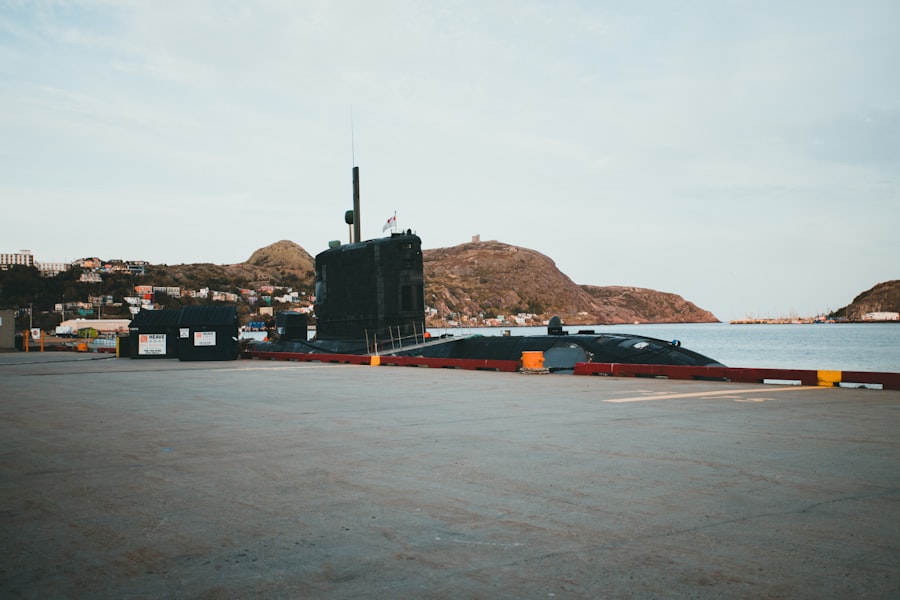
The Los Angeles-class submarines have served as the workhorse of the United States Navy’s attack submarine fleet for decades. These nuclear-powered vessels are known for their speed, endurance, and sophisticated sensor suites, making them highly capable in a wide range of operational scenarios. Their design prioritizes advanced sonar capabilities and the ability to operate in contested environments for extended periods.
Design Philosophy and Operational Versatility
The Los Angeles-class was conceived as a high-speed, deep-diving attack submarine capable of sustained operations. Its nuclear propulsion provides virtually unlimited underwater endurance, allowing for extended patrols and rapid repositioning across vast oceanic distances. This inherent advantage in operational tempo sets it apart from diesel-electric submarines. The class has been continuously upgraded throughout its service life, with later units incorporating improvements in quieting, weapons systems, and sonar technology.
Nuclear Propulsion and Acoustic Management
The nuclear propulsion of the Los Angeles-class provides significant advantages in terms of speed and endurance. However, nuclear reactors can also generate a distinct acoustic signature. The U.S. Navy has invested heavily in managing this signature through advanced reactor designs, sound-dampening materials, and the isolation of machinery. While not entirely silent, the Los Angeles-class has benefited from continuous improvements aimed at minimizing its detectability, particularly concerning the noise generated by its reactor and pumping systems. This ongoing effort is critical to maintaining its tactical advantage.
Advanced Sonar and Sensor Suites
A hallmark of the Los Angeles-class is its sophisticated sonar array. These submarines are equipped with advanced passive and active sonar systems, including hull-mounted arrays, flank arrays, and towed sonar arrays. This comprehensive sensor suite allows them to detect and classify a wide range of acoustic signatures at significant distances. The ability to process and interpret complex sonar data rapidly is crucial for identifying potential threats and maintaining situational awareness in a stealth-oriented engagement.
The Hypothetical Stealth Showdown: Factors in Play
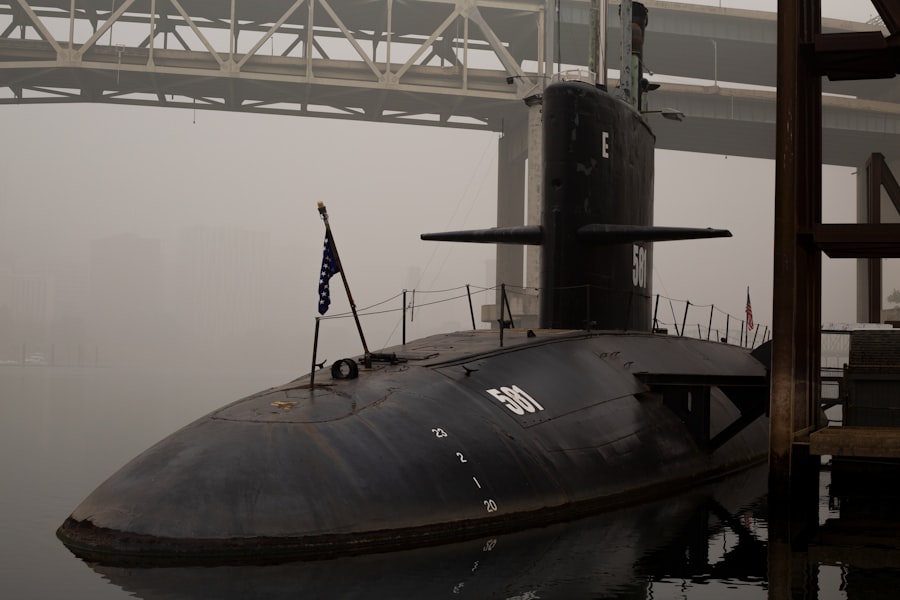
In a hypothetical scenario pitting an Akula-class against a Los Angeles-class submarine, several critical factors would determine the outcome. The interaction would likely not be a direct, overt confrontation but rather a protracted game of cat and mouse, where detection and evasion are paramount. The vastness of the ocean offers ample cover, but the advantages of modern sonar and acoustic treatment on both platforms make such engagements incredibly nuanced.
Acoustic Superiority: Who is Quieter?
The central tenet of a stealth showdown revolves around acoustic quieting. The Akula-class, particularly later variants, is designed with a strong emphasis on minimizing its acoustic signature, making it a challenging target. Its diesel-electric propulsion, when operating on batteries at lower speeds, can be exceptionally quiet, potentially offering a distinct advantage in certain situations. However, the Los Angeles-class, despite its nuclear power, has also seen continuous improvements in noise reduction. The effectiveness of these measures is often debated and highly dependent on specific operational conditions, the speed of both submarines, and the prevailing oceanic environment. The sophistication of each nation’s acoustic treatment and machinery isolation would be a deciding factor.
Sensor Capabilities: The Eyes and Ears of the Deep
The ability to detect the adversary before being detected is a critical advantage. Both classes are equipped with advanced sonar systems, but the U.S. Navy’s Los Angeles-class has conventionally been at the forefront of sonar technology and signal processing. The Los Angeles-class’s sophisticated passive sonar arrays, coupled with advanced towed sonar arrays, can potentially detect submarines at greater ranges and with finer detail. However, the Akula-class is not technologically deficient in this regard and often employs specialized techniques for operating in challenging acoustic environments. The performance of these sensor suites, particularly in varying sea states and oceanographic conditions, would play a crucial role.
Speed and Maneuverability: The Art of Evasion
Speed and maneuverability are vital for both offensive and defensive actions. The nuclear-powered Los Angeles-class enjoys a significant advantage in sustained underwater speed, allowing it to quickly reposition, escape threats, or close the distance for an attack. The Akula-class, while generally slower in sustained sprints compared to its nuclear counterpart, can still achieve respectable speeds and exhibits excellent maneuverability, particularly in shallow or confined waters. The ability of each submarine to change depth and bearing rapidly, and to do so with minimal acoustic disturbance, would be a critical element in evading detection or pressing an advantage.
The ongoing debate about the stealth capabilities of the Akula-class submarine compared to the Los Angeles-class has garnered significant attention among naval enthusiasts and military analysts. A related article explores the technological advancements and design features that contribute to the stealthiness of these submarines, shedding light on their operational effectiveness in modern warfare. For a deeper understanding of this topic, you can read more in the article found here.
Strategic Implications and Operational Doctrines
| Metrics | Akula Class Submarine | Los Angeles Class Submarine |
|---|---|---|
| Maximum Speed | 35 knots | 25 knots |
| Maximum Depth | 600 meters | 450 meters |
| Stealth | Highly stealthy due to advanced design and quiet propulsion | Relatively stealthy but not as advanced as Akula class |
| Armament | Can carry torpedoes, cruise missiles, and anti-ship missiles | Can carry torpedoes, Tomahawk missiles, and mines |
| Crew | About 73-78 crew members | About 129 crew members |
The operational doctrines guiding the deployment and use of the Akula and Los Angeles classes reflect their design philosophies and national strategic objectives. Understanding these doctrines provides insight into how such a hypothetical encounter might unfold.
The U.S. Navy’s Hunter-Killer Doctrine
The U.S. Navy generally employs its attack submarines, including the Los Angeles-class, in a “hunter-killer” role. These submarines are tasked with locating, tracking, and destroying enemy submarines and surface ships. Their mission profiles often involve extensive patrols in potential adversary operating areas, gathering intelligence, and engaging threats. The emphasis is on offensive operations, projecting power, and maintaining sea lanes. The vast range and endurance of the Los Angeles-class allow for protracted engagements and deep penetration into contested waters.
Russia’s Patrol and Anti-Access Strategies
Russian submarine doctrine, particularly concerning the Akula-class, has historically emphasized different strategic objectives. These submarines are often deployed to patrol strategic areas, conduct reconnaissance, and act as part of an anti-access or area denial strategy. Their role can involve deterring enemy naval forces from operating in specific regions, such as the Arctic or near Russian coastlines. The ability of the Akula-class to operate submerged for extended periods and to deploy a mix of torpedoes and anti-ship missiles makes it an effective tool for exerting influence and posing a significant threat to any naval presence.
Conclusion: A Shadowy Dance in the Deep
The “Stealth Showdown” between an Akula-class and a Los Angeles-class submarine is not a scenario of explosive surface battles, but a silent, calculated exchange waged in the inky blackness of the ocean. The outcome would be determined by a complex interplay of technological sophistication, operational skill, and environmental factors. Neither platform is definitively “superior” in all aspects.
The Akula’s strength lies in its optimized acoustic quieting, potentially allowing it to be exceptionally difficult to detect, especially when operating on batteries at lower speeds. Its design is intrinsically linked to operating in environments where stealth is paramount. Conversely, the Los Angeles-class boasts superior speed, endurance, and arguably, more advanced sonar and processing capabilities, enabling it to detect and track adversaries with greater precision and at greater distances. Its nuclear power allows for a tempo of operations that diesel-electric submarines cannot match.
The hypothetical encounter would likely involve protracted periods of passive listening, subtle maneuvers to avoid detection, and a constant assessment of the acoustic environment. The submarine that can maintain its stealth longer, detect the other first, or exploit a momentary lapse in the adversary’s awareness would gain a decisive advantage. The sophistication of the sonar operators, the tactical decisions of the commanding officers, and even the prevailing oceanographic conditions would all contribute to the eventual, and likely unseen, resolution of such a contest. Ultimately, both the Akula and Los Angeles classes represent the pinnacle of underwater warfare technology, and their hypothetical duel underscores the enduring importance of the submarine as a silent guardian and a potent instrument of national power.
FAQs
What is the Akula class submarine?
The Akula class submarine is a nuclear-powered attack submarine developed by the Soviet Union and later Russia. It is known for its advanced technology and stealth capabilities.
What is the Los Angeles class submarine?
The Los Angeles class submarine is a nuclear-powered attack submarine used by the United States Navy. It is designed for anti-submarine warfare, intelligence gathering, and other missions.
How does the Akula class submarine’s stealth compare to the Los Angeles class?
The Akula class submarine is considered to have superior stealth capabilities compared to the Los Angeles class. It is designed to operate quietly and evade detection, making it a formidable opponent in underwater warfare.
What are some key features of the Akula class submarine’s stealth technology?
The Akula class submarine’s stealth technology includes advanced sound-dampening materials, a streamlined hull design, and quiet propulsion systems. These features help reduce its acoustic signature and make it harder to detect.
How do the Akula class and Los Angeles class submarines compare in terms of overall capabilities?
While both submarines are highly capable in their own right, the Akula class is generally considered to have superior stealth and may have an advantage in certain underwater warfare scenarios. However, the Los Angeles class also has its own strengths and is a key asset in the US Navy’s submarine fleet.