The hum of jet engines has long been the soundtrack to modern aviation, but for certain demanding missions, the roar of rocket boosters can transform a reliable workhorse into an extraordinary performer. The C-130 Hercules, a legendary military transport aircraft, is a prime example of how strategic integration of auxiliary propulsion can dramatically enhance operational capabilities. Specifically, the implementation of “stadium landing rocket” systems, often referred to by various military designations, represents a significant advancement in enabling the C-130 to operate from shorter, unprepared airstrips and to achieve much steeper descent profiles, effectively shrinking the operational footprint required for its deployment. This technology, while perhaps not as widely recognized as the aircraft’s iconic four turboprop engines, plays a crucial role in scenarios where traditional landing and takeoff constraints are a major impediment.
The C-130 Hercules: A Foundation of Versatility
The Lockheed C-130 Hercules is a testament to enduring design and adaptability. First flown in 1954, its robust airframe, four turboprop engines, and inherent STOL (Short Takeoff and Landing) capabilities have made it an indispensable asset for military forces worldwide. It has served in countless roles, from troop and cargo transport to close air support, aerial refueling, and reconnaissance. Its ability to operate from austere locations, often dirt or gravel runways, is a hallmark of its design, allowing it to reach remote areas inaccessible to larger, more sophisticated aircraft. However, even with its inherent STOL performance, there are operational contexts where further enhancement is not just beneficial, but essential.
Defining STOL and Its Limitations
Short Takeoff and Landing (STOL) refers to an aircraft’s ability to take off and land in a short distance. This is typically achieved through a combination of high lift devices (like large flaps and slats), powerful engines, and often a high thrust-to-weight ratio. The C-130 is well-regarded for its STOL performance, capable of operating from runways as short as 1,000 feet under optimal conditions. This capability is vital for delivering supplies and personnel into forward operating bases, disaster relief zones, and other remote locations. However, “short” is a relative term. In many high-threat environments or rapidly developing crisis situations, even 1,000 feet of runway might be unavailable or too risky to utilize. Furthermore, STOL performance often comes with higher approach speeds and a shallower glide slope, which can be challenging in terrain-limited areas or when precise ingress is required.
The Need for Enhanced Performance
The evolving landscape of modern warfare and humanitarian operations continuously presents new challenges. Forward operating bases may be established on hastily prepared strips, sometimes measured in mere hundreds of feet. Emergency response scenarios can necessitate rapid deployment to areas with minimal or no pre-existing infrastructure. In these situations, the standard performance envelope of even a highly capable aircraft like the C-130 can be a limiting factor. The desire to reduce the time spent on the ground, minimize exposure to threats, and operate from increasingly constrained environments drove the development of supplementary propulsion systems. This is where the concept of “stadium landing rockets” emerged as a pragmatic solution.
The recent advancements in military technology have sparked interest in various aircraft, including the C-130 Hercules, which is known for its versatility in transport and tactical missions. A related article that delves into the capabilities and innovations surrounding this aircraft can be found at In the War Room. This resource provides insights into how the C-130 is being utilized in modern warfare and the implications of its design on future military operations.
Stadium Landing Rockets: A Powerful Augmentation
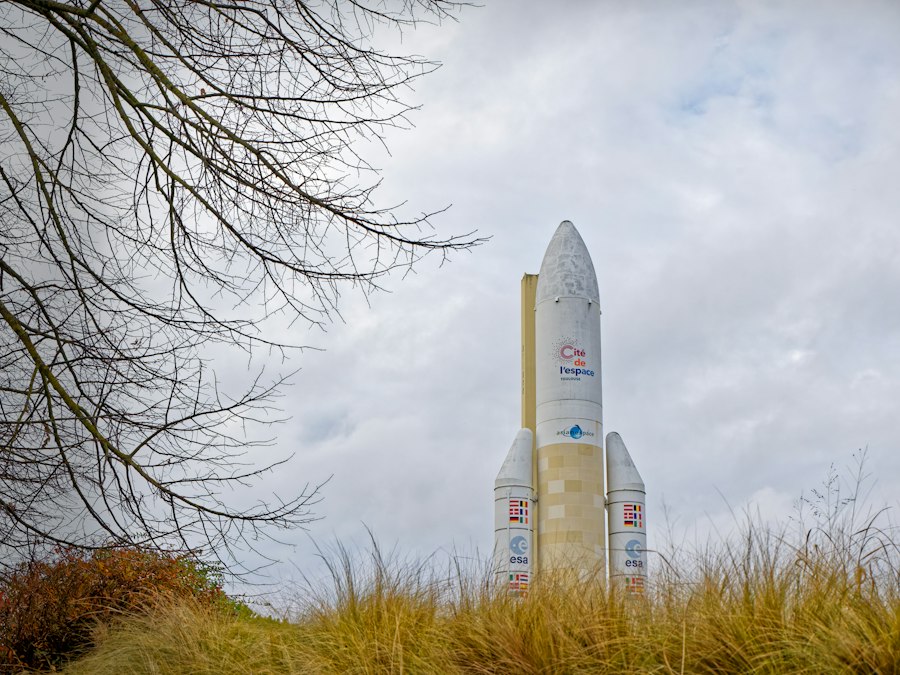
The term “stadium landing rockets” is a somewhat informal descriptor, often used to allude to the powerful, albeit temporary, thrust augmentation these systems provide. More formally, these are auxiliary rocket motors designed to be externally mounted and jettisoned after use. Their primary purpose is to significantly increase the aircraft’s thrust for short durations, primarily during the critical takeoff and landing phases. This surge of power allows for steeper approaches, shorter landing distances, and the ability to clear obstacles with greater margin.
Operational Principle and Design Considerations
The fundamental principle behind these rocket systems is the addition of substantial, controllable thrust at specific points in the flight profile. For a C-130, this often involves mounting multiple rocket motors, typically to the fuselage or wings, in a configuration that allows for controlled ignition and safe separation. The rockets themselves are solid-propellant motors, similar in concept to those used in spacecraft launch systems or military ejection seats, but scaled for aircraft augmentation.
- Thrust Generation: The solid propellant burns rapidly, expelling hot gases at high velocity, thus generating significant forward thrust. The amount of thrust and its duration are determined by the propellant formulation and the motor’s design.
- Mounting and Integration: The rockets are usually attached to hardpoints on the aircraft’s exterior. This requires robust structural integration to withstand the forces generated during firing and the aerodynamic stresses. The system must also be designed for easy installation and removal, as these are typically mission-specific additions.
- Control and Safety: Ignition is typically controlled by the aircrew, often with multiple stages or individual motor activation for fine-tuning. Safety features are paramount, including mechanisms for safe jettisoning of spent casings and ensuring no interference with the aircraft’s primary flight controls or aerodynamic surfaces. The term “stadium” may allude to the dramatic, visible plume of exhaust during operation, reminiscent of fireworks or stadium illumination, but more importantly, it highlights the focused, powerful burst of energy.
Types of Rocket Systems and Their Applications
While the C-130 has seen various forms of rocket augmentation throughout its history, the “stadium landing rocket” concept typically refers to systems designed for enhanced landing and takeoff performance. This can include:
- JATO (Jet Assisted Take Off) Systems: While historically JATO often used liquid-fueled engines, modern interpretations and adaptations have utilized solid rocket boosters that function similarly. These are primarily for takeoff, enabling operation from very short runways.
- Rocket Assisted Landing Systems: These are specifically designed to aid in landing. They can be used to achieve a steeper approach angle by providing thrust to counter the aircraft’s weight and descent rate, allowing it to land in a much shorter distance. They can also be used to arrest ground speed upon touchdown, though this is less common for fixed-wing aircraft and more associated with carrier landings or specialized applications.
- Combined Systems: Some advanced configurations might offer capabilities for both takeoff and landing augmentation, providing a versatile solution for extremely challenging operational environments.
The application of these systems on the C-130 is driven by the need to overcome specific limitations. For instance, a mission requiring insertion into a dense jungle environment with a small, unimproved landing zone would benefit immensely from the ability to descend steeply and land quickly. Conversely, extracting personnel or cargo from a similarly constrained site would be facilitated by a powerful takeoff boost.
Strategic Deployment Scenarios Enabled by Rocket Boosters
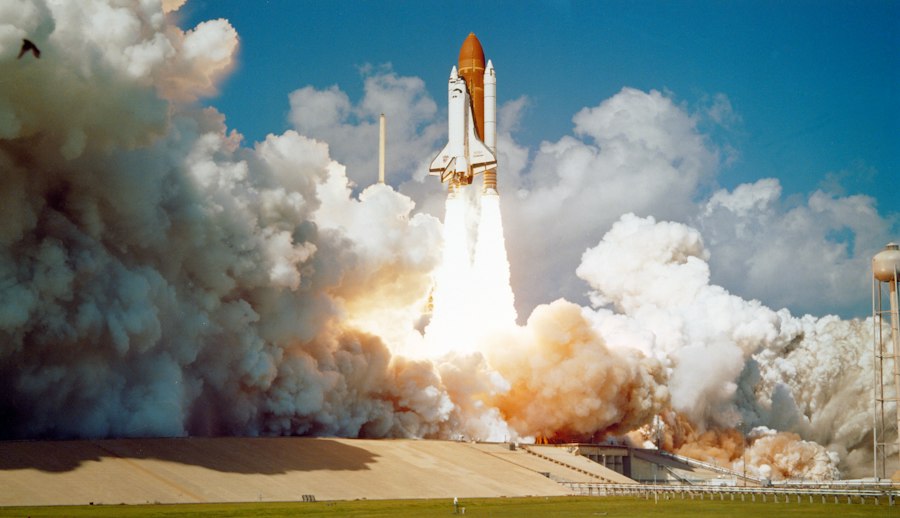
The true value of stadium landing rockets lies not in the technology itself, but in the operational scenarios they unlock. For the C-130, these systems transform its already impressive versatility into a capability that can overcome previously insurmountable logistical and tactical hurdles.
Operating in Terrain-Constrained Environments
Mountainous regions, dense jungles, and areas with significant topographical features often present extremely limited landing options. Traditional aircraft require substantial flat areas for takeoff and landing, with adequate clearance for approach and departure paths. The C-130, augmented with rocket boosters, can manage much steeper glide slopes, effectively “dropping” into landing zones that would be inaccessible to conventional aircraft. This is critical for delivering humanitarian aid after natural disasters that have destroyed infrastructure, or for inserting special operations forces into deep enemy territory where a conventional landing would be too risky or impossible.
- Steeper Approach Angles: The additional thrust allows the aircraft to maintain a higher airspeed during a steeper descent, providing better control and reducing the required horizontal distance to reach the runway. This is crucial when landing in valleys or areas surrounded by high terrain.
- Obstacle Clearance: The surge of power can be used to increase altitude rapidly after takeoff or to clear obstacles on approach, further expanding the usable landing zones.
- Reduced Runway Requirements: The ability to land in a significantly shorter distance means that less prep work is needed for the landing strip. A few hundred feet of relatively cleared ground can become a viable landing site, drastically reducing the logistical tail for establishing forward operating bases.
Rapid Deployment and Emergency Response
In high-stakes situations, speed is often paramount. Whether it’s a medical evacuation from a remote casualty collection point or the urgent delivery of critical supplies to a besieged enclave, the ability to land quickly and depart efficiently is vital. Stadium landing rockets can reduce the time spent on the ground to a minimum, decreasing exposure to potential threats.
- Accelerated Ingress and Egress: The rocket boosters can facilitate very rapid takeoffs from short strips, allowing the aircraft to get airborne quickly. Similarly, they can enable steep approaches and short landings, minimizing the time the aircraft spends vulnerable on the ground.
- Access to Unprepared Sites: This capability is invaluable for emergency response. For example, in a post-earthquake scenario where primary airports are damaged, a C-130 equipped with rocket boosters could land on a secondary road or a hastily cleared field to deliver emergency personnel and equipment.
- Overcoming Battlefield Constraints: In a contested environment, landing zones might be small, under threat, or quickly rendered unusable. Rocket-assisted landings allow for more flexibility in selecting landing sites and a faster operational tempo.
Enabling Access to Austere and Forward Operating Bases
The C-130’s reputation is built on its ability to operate from austere bases. Stadium landing rockets elevate this capability to an extreme level. They effectively create new operational possibilities by allowing the C-130 to access locations that were previously considered too dangerous or logistically impossible.
- Reduced Infrastructure Dependence: The reliance on long, paved runways is significantly diminished. This allows military units and aid organizations to establish forward operating bases with minimal ground preparation, accelerating deployment timelines.
- Increased Operational Radius: By enabling operations from smaller, less developed sites, the C-130 can reach further into the operational area, supporting units that are operating beyond the reach of traditional airfields.
- Strategic Flexibility: The ability to operate from a wider range of locations provides commanders with greater strategic flexibility, allowing for more dynamic force projection and support.
Technical Challenges and Integration Aspects
The integration of such powerful auxiliary systems onto an existing airframe like the C-130 is not without its complexities. Significant engineering effort is required to ensure safety, reliability, and effective performance.
Structural Modifications and Aerodynamic Considerations
Mounting powerful rocket motors to the C-130’s airframe necessitates careful consideration of structural integrity. The forces generated by the rockets during ignition and firing are substantial and must be safely transferred to the aircraft’s structure.
- Reinforced Attachment Points: Special hardpoints and reinforced structural members are designed and integrated to withstand the immense thrust and vibration. These points must be robust enough for repeated use.
- Aerodynamic Interference: The external placement of the rockets can affect the aircraft’s aerodynamics. Engineers must analyze and mitigate any negative impacts on lift, drag, and control surfaces. This may involve fairings or careful positioning of the rockets to minimize disruption.
- Weight and Balance: The addition of the rocket motors and their associated plumbing and control systems adds weight to the aircraft. This must be accounted for in the weight and balance calculations to maintain safe flight characteristics.
Fire Control, Jettisoning, and Safety Protocols
The operation of rocket boosters is inherently a high-risk activity, and stringent safety protocols are essential. The ability to control the firing sequence and safely jettison spent casings is paramount.
- Ignition Systems: Sophisticated ignition systems are required to ensure reliable firing of the rockets. This often involves redundant systems to prevent misfires or premature ignition.
- Jettison Mechanisms: Spent rocket casings must be safely jettisoned from the aircraft. The design of the jettison mechanism must ensure that the casings fall clear of the aircraft without causing damage or posing a hazard to the ground. This requires careful calculation of trajectory and wind effects.
- Crew Training and Procedures: Extensive training for flight crews is essential. They must understand the operation of the system, its limitations, and the emergency procedures associated with its use. Standard operating procedures are developed to integrate rocket-assisted operations into the C-130’s mission planning and execution.
Performance Gains and Operational Trade-offs
While the performance gains are significant, there are trade-offs to consider. The use of rocket boosters is a mission-specific enhancement, and each deployment comes with its own set of considerations.
- Fuel Consumption and Range: The rockets provide a burst of thrust but do not replace the primary engines. Their use can impact the overall fuel efficiency of a mission, potentially reducing range if not carefully managed.
- Cost and Logistics: The rocket motors are expendable and represent a recurring cost. Their procurement, storage, and integration add to the logistical complexity of deploying the C-130 with this capability.
- Mission Planning Complexity: Incorporating rocket-assisted operations into mission planning requires specialized expertise and careful consideration of environmental factors, threat assessments, and aircraft performance envelopes.
The recent advancements in aerospace technology have sparked interest in various military applications, including the innovative stadium landing techniques for the C-130 aircraft. This method not only enhances the versatility of the aircraft but also showcases the potential for urban operations. For a deeper understanding of these developments, you can explore a related article that discusses the implications and future of military aviation at this link.
The Future of Rocket-Augmented Cargo Operations
| Metric | Value | Unit | Description |
|---|---|---|---|
| Aircraft Model | C-130 Hercules | – | Military transport aircraft used for various missions |
| Landing Site | Stadium | – | Unconventional landing location, typically a sports stadium |
| Rocket Assistance | Yes | – | Use of rocket boosters to assist in landing or short takeoff |
| Landing Distance Required | Approx. 1,200 | meters | Typical minimum runway length for C-130 landing without assistance |
| Rocket Boosted Landing Distance | Approx. 600 | meters | Estimated reduced landing distance with rocket assistance |
| Maximum Landing Weight | 70,300 | kg | Maximum weight allowed for landing |
| Landing Speed | 115-130 | knots | Typical approach speed for landing |
| Rocket Thrust | Up to 20,000 | pounds-force | Estimated thrust provided by rocket boosters for landing assistance |
| Use Case | Short field landing | – | Enables landing in confined spaces like stadiums |
The concept of augmenting aircraft performance with rocket propulsion is not new, but its continued evolution and adaptation to platforms like the C-130 suggest a lasting role for such technologies, especially in specialized military and humanitarian contexts. As operational demands continue to push the boundaries of existing capabilities, innovative solutions for enhanced performance will remain critical.
Advancements in Rocket Technology
Future developments in rocket propulsion could lead to more efficient, safer, and cost-effective systems. This might include:
- Improved Propellant Formulations: New propellants could offer higher thrust-to-weight ratios, longer burn times, or cleaner exhaust, reducing environmental impact.
- Advanced Control Systems: More sophisticated control systems could allow for finer tuning of thrust and duration, optimizing performance for specific mission requirements.
- Reusable or Hybrid Systems: While currently largely expendable, future research might explore reusable rocket boosters or hybrid systems that combine rocket thrust with other forms of augmentation, such as advanced aerodynamic devices.
Integration with Next-Generation Aircraft
The lessons learned from augmenting platforms like the C-130 will undoubtedly inform the design of future cargo and transport aircraft. Designers may incorporate integrated rocket or other high-thrust systems from the outset, rather than as add-ons. This could lead to aircraft specifically optimized for operating from extremely short or unprepared surfaces, further enhancing global reach and operational flexibility.
Evolving Operational Concepts
The ability to operate from highly constrained environments will continue to shape operational concepts. This could enable more dispersed basing strategies, faster response times to crises, and the projection of power into areas previously considered inaccessible. The C-130, with or without rocket augmentation, remains a cornerstone of global logistics, but technologies like stadium landing rockets ensure its continued relevance and capacity to meet the most demanding challenges of the 21st century. The roar of its engines, sometimes joined by the powerful thrum of rockets, will continue to be a symbol of reliable delivery, no matter how challenging the destination.
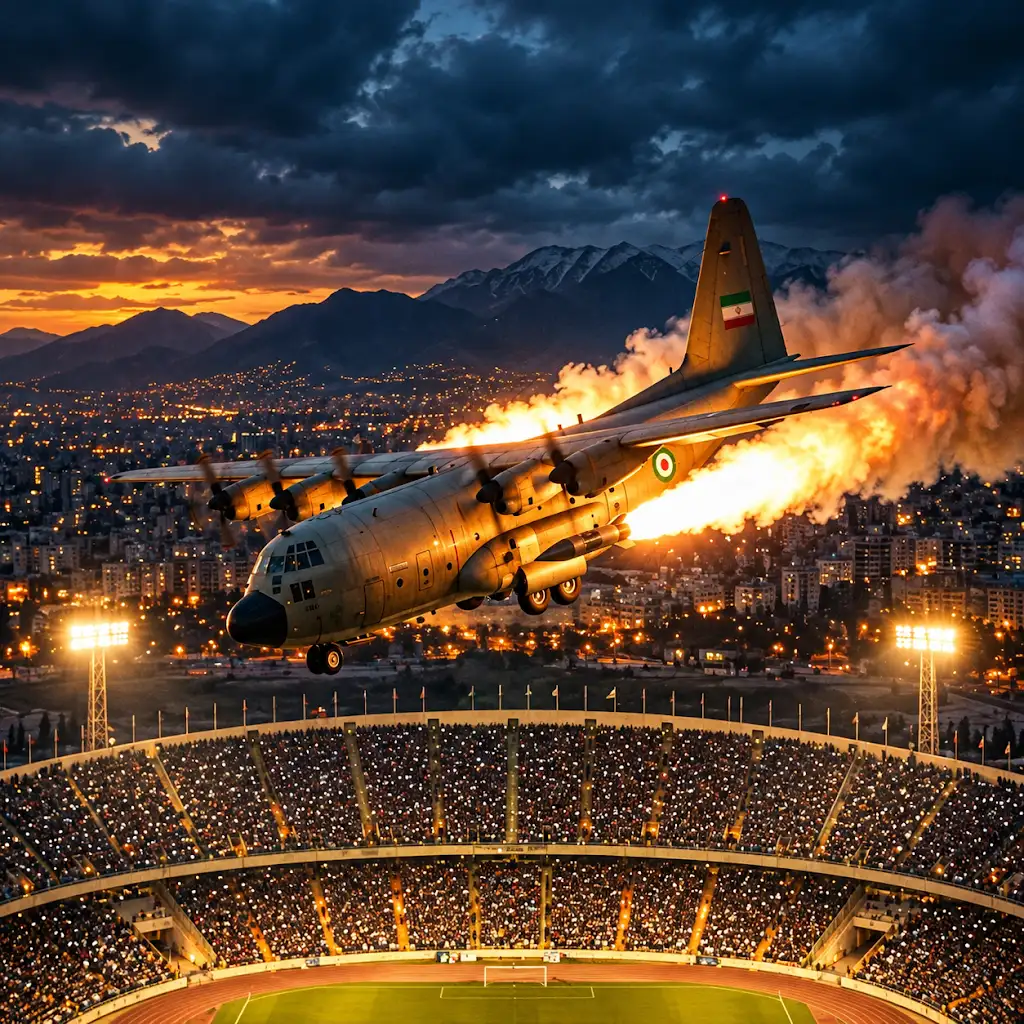
The Secret Plane Built to Land Inside a Stadium
FAQs
What is a stadium landing rocket C-130?
A stadium landing rocket C-130 is a modified C-130 aircraft that has been equipped with the capability to land vertically like a rocket in a stadium or other confined area.
How does a stadium landing rocket C-130 differ from a traditional C-130 aircraft?
A stadium landing rocket C-130 has additional rocket engines and landing gear that allow it to perform vertical takeoffs and landings, unlike a traditional C-130 which requires a runway for takeoff and landing.
What are the advantages of using a stadium landing rocket C-130?
Using a stadium landing rocket C-130 provides the flexibility to operate in areas where traditional runways are not available, making it ideal for military operations, disaster relief efforts, and other missions that require landing in confined spaces.
Can a stadium landing rocket C-130 carry the same amount of cargo as a traditional C-130?
While a stadium landing rocket C-130 may have modifications that affect its cargo capacity, efforts are made to ensure that it can still carry a comparable amount of cargo as a traditional C-130 to maintain its utility for various missions.
Are there any limitations to where a stadium landing rocket C-130 can operate?
Stadium landing rocket C-130s may have restrictions on the types of terrain they can land on due to the need for a stable and flat surface for vertical landings. Additionally, factors such as weather conditions and altitude may also impact their operational capabilities.