The Soviet Union’s naval strategy during the Cold War was a complex and evolving doctrine shaped by its geopolitical ambitions, technological advancements, and the overarching ideological struggle with the West. From its inception, the Soviet Navy was tasked with a dual mandate: defending the vast Soviet coastline and projecting power beyond its borders, thereby challenging the global maritime dominance of the United States and its allies. This strategy was not static; it transformed significantly over the decades, adapting to new threats, strategic opportunities, and the shifting balance of power.
The Genesis of Soviet Naval Ambition
The roots of Soviet naval power lie in a history marked by both naval triumphs and profound weaknesses. Tsarist Russia, despite periods of naval prowess, often found itself outmatched by Western maritime powers. The Bolshevik Revolution and the subsequent establishment of the Soviet Union presented a fresh opportunity to redefine its naval role. Initially, the focus was on coastal defense and riverine warfare, reflecting the immediate needs of the new regime. However, as the Soviet Union emerged as a global superpower after World War II, its aspirations grew, and the navy was seen as a crucial instrument for achieving parity with the United States.
The Legacy of Tsarist Naval Thought
While the Soviet Union forged its own path, it did not entirely disregard its imperial past. Early Soviet naval thinkers, even while embracing Marxist-Leninist ideology, sometimes drew inspiration from the strategic principles of figures like Admiral Makarovich Grigorovich, who had championed a modern, blue-water navy for Russia before the revolution. This included an understanding of the importance of naval bases, fleet coordination, and the potential for long-range power projection. However, the devastating losses suffered by the Imperial Russian Navy in the Russo-Japanese War and World War I served as potent cautionary tales, emphasizing the vulnerability of surface fleets in prolonged engagements against superior naval powers.
The Post-War Reorientation
The end of World War II marked a pivotal moment. The Soviet Union, having borne the brunt of the land war in Europe, recognized the strategic limitations imposed by its primarily land-centric military doctrine. The United States’ newfound atomic monopoly and its ability to project power globally via its formidable navy, particularly its aircraft carrier task forces, underscored the need for a Soviet naval response. Under leaders like Admiral Sergei Gorshkov, who would go on to lead the Soviet Navy for nearly three decades, a comprehensive rebuilding and reorientation of naval strategy began. The emphasis shifted from a purely defensive posture to one that could credibly challenge Western naval supremacy and support Soviet foreign policy objectives.
The naval strategy of the Soviet Union during the Cold War was a critical component of its military doctrine, emphasizing the importance of a strong maritime presence to project power and counter Western naval forces. For a deeper understanding of this topic, you can explore the article on Soviet naval strategy available at In the War Room, which delves into the historical context, key developments, and the strategic implications of Soviet maritime operations.
Balancing the Red Fleet: Deterrence and Projection
Soviet naval strategy during the Cold War was characterized by a delicate balancing act between deterring a nuclear attack and projecting conventional power globally. This dual approach was essential for maintaining its status as a superpower and for safeguarding its strategic interests. The navy was envisioned as a vital component of the Soviet strategic nuclear triad, a counterweight to American naval power, and a tool for supporting its allies and adversaries in various global hotspots.
The Strategic Nuclear Deterrent
A cornerstone of Soviet naval strategy was its submarine-launched ballistic missile (SLBM) program. The development of nuclear-powered ballistic missile submarines (SSBNs) provided the Soviet Union with a survivable second-strike capability, a crucial element in its nuclear deterrence posture. These submarines, often operating from concealed bases or prowling the deep oceans, were designed to evade Western detection and deliver a devastating retaliatory strike should the Soviet homeland come under nuclear attack. This capability was vital in deterring a pre-emptive strike by the United States and in maintaining a strategic nuclear balance.
The Evolution of SSBN Technology
The Soviet Union poured immense resources into advancing its SSBN technology. From the early diesel-electric “Golf” and “Zulu” class submarines armed with ballistic missiles to the formidable nuclear-powered “Yankee,” “Delta,” and “Typhoon” classes, each generation represented a leap in range, stealth, and missile capacity. The SSBNs were not just platforms for delivering nuclear weapons; they were designed to be elusive, operating in environments where Western ASW (anti-submarine warfare) efforts would be challenged. Their deployment patterns, often in bastions within protected waters or in the vastness of the open ocean, were meticulously planned to maximize survivability and offensive potential.
Conventional Power Projection and Global Reach
Beyond its nuclear role, the Soviet Navy also aimed to project conventional power and exert influence on a global scale. This involved the development of a diverse surface fleet, including cruisers, destroyers, frigates, and aircraft carriers, though the latter were always a point of contention and never reached the scale of their American counterparts. The goal was to counter Western naval presence, disrupt sea lanes of communication (SLOCs), and support Soviet operations in regions far from its home shores.
The “Blue Water” Navy Ambitions
The Gorshkov era saw a conscious effort to transform the Soviet Navy from a predominantly coastal defense force into a “blue-water” navy capable of operating far from Soviet territory. This required extensive shipbuilding programs, the establishment of overseas naval bases and access points (such as in Cuba, Vietnam, and parts of Africa), and the development of robust underway replenishment capabilities. The aim was not necessarily to win fleet-on-fleet engagements against the US Navy, which was unlikely, but to demonstrate presence, deter conflict through displays of strength, and provide the capability to intervene in regional conflicts.
Tactical Paradigms: From Coastal Defense to ASW Supremacy
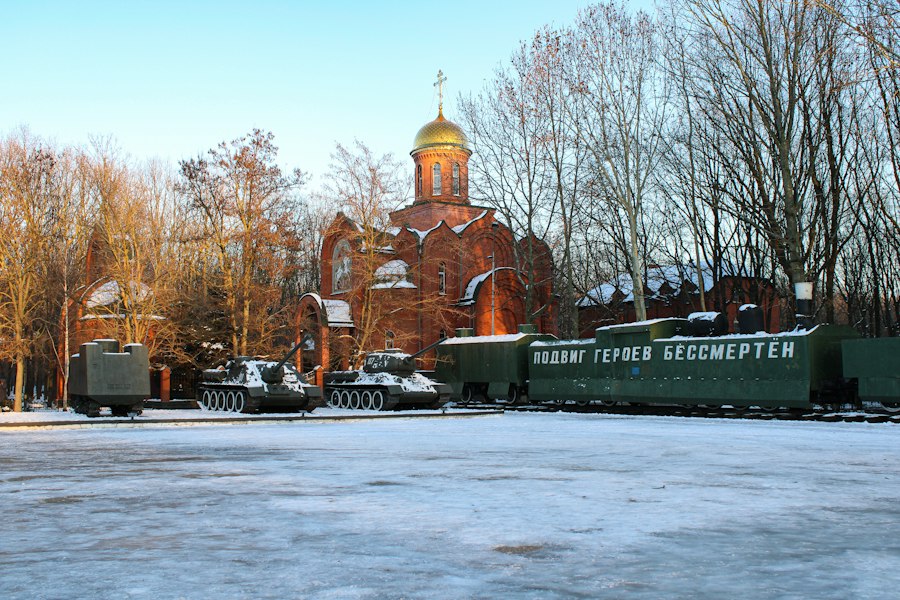
Soviet naval tactics evolved significantly throughout the Cold War, reflecting the changing nature of naval warfare and the persistent threat posed by Western naval forces, particularly the US Navy’s carrier battle groups. The initial focus on coastal defense gradually gave way to a more offensive and sophisticated approach, with a particular emphasis on anti-access/area denial (A2/AD) capabilities and the sophisticated challenge of anti-submarine warfare.
The Evolution of Coastal Defense
In the early years of the Cold War, the Soviet Navy’s primary concern was defending its extensive coastline against potential amphibious assaults and naval incursions. This led to the development of a substantial fleet of fast attack craft, submarines, minesweepers, and coastal artillery. The Baltic, Black Sea, and Arctic regions were heavily fortified, with intricate networks of shore-based radar, missile batteries, and air defense systems designed to deny enemy access. The emphasis was on creating an impenetrable defense, making any seaborne invasion prohibitively costly.
The Role of Submarines in Coastal Warfare
Submarines played a crucial role in this coastal defense strategy. They were used for reconnaissance, mine-laying, and the interdiction of enemy shipping. The sheer numbers of Soviet submarines, particularly the diesel-electric variants, were a constant concern for NATO navies. These submarines, while slower and with shorter operational ranges than their nuclear-powered counterparts, were often very quiet and effective in shallower, more confined waters near Soviet shores.
The Challenge of Anti-Submarine Warfare (ASW)
As the Soviet Union developed its blue-water capabilities, so too did the threat posed by its submarines to Western naval operations. This led to a massive investment by NATO, particularly the United States, in ASW. The Soviet Navy, in turn, had to develop tactics and technologies to counter these ASW efforts and to effectively hunt Western submarines. This became a perpetual cat-and-mouse game, driving innovation on both sides.
Countering NATO’s ASW Dominance
Soviet ASW efforts were multifaceted. They involved developing specialized ASW escorts, patrol aircraft, and helicopters equipped with sonar and torpedoes. Furthermore, Soviet submarines themselves were designed to operate in ways that would make them difficult to detect. This included employing advanced sonar countermeasures, operating in complex acoustic environments, and utilizing stealthy maneuvering techniques. The objective was not only to survive NATO ASW but also to turn the tables and effectively track and neutralize enemy submarines, thus protecting their own SSBNs and surface fleets.
Missile Warfare and Naval Aviation Integration
A defining feature of Soviet naval tactics was its emphasis on missile warfare, both for anti-ship engagements and for land-attack roles. The Soviet Union was a pioneer in developing effective anti-ship missiles (AShMs), equipping everything from fast attack craft to cruisers and submarines with these potent weapons. This doctrine aimed to neutralize or cripple larger, more expensive Western warships, particularly aircraft carriers, from a distance. Naval aviation also played an increasingly integrated role, providing reconnaissance, targeting, and direct strike capabilities.
The “Carrier Killer” Doctrine
The development of powerful anti-ship missiles led to the concept of the “carrier killer.” Soviet naval planners understood that a direct confrontation with a US carrier battle group would be suicidal for their surface fleet. Instead, they envisioned using coordinated attacks from multiple platforms – submarines, surface ships, and naval aircraft – armed with supersonic missiles to overwhelm the carrier’s defenses and sink or cripple the high-value target. This doctrine significantly influenced naval design on both sides, prompting the development of more robust defensive systems on Western carriers.
The Geopolitical Chessboard: Bases, Allies, and Influence
The Soviet Union’s naval strategy was inextricably linked to its broader geopolitical ambitions. The navy was not just a tool for military confrontation but also a vital instrument for projecting political influence, supporting allies, and undermining adversaries. This involved establishing a global network of bases, cultivating strategic partnerships, and participating in proxy conflicts.
Strategic Naval Bases and Access
Control of or access to strategic naval bases was paramount for projecting Soviet power across the globe. While the Soviet Union never achieved the global network of bases comparable to the United States, it actively sought and secured crucial locations. These included permanent or extended deployments in ports in countries like Cuba (Mariel), Vietnam (Cam Ranh Bay), Yemen (Socotra), and Ethiopia. These bases served as vital staging points for deployments into the Atlantic, Indian, and Pacific Oceans, allowing Soviet naval assets to operate further from home and to respond more rapidly to regional crises.
The Importance of Forward Deployment
Forward deployment of naval assets was a key component of Soviet strategy. By maintaining a continuous presence in key oceanic regions, the Soviet Navy could demonstrate its commitment to its allies, deter potential aggression, and gather intelligence on Western naval activities. This presence also served as a psychological deterrent and a visible symbol of Soviet power, influencing regional politics and challenging the perception of unchallenged Western naval supremacy.
Supporting Soviet Bloc and Third World Allies
The Soviet Navy played a crucial role in supporting the military and political objectives of the Soviet Union’s allies within the Warsaw Pact and in the developing world. This involved providing naval training, supplying naval equipment, and conducting joint naval exercises. Furthermore, Soviet naval deployments were often used to deter potential Western intervention in conflicts where Soviet-aligned regimes were threatened. The presence of Soviet warships in contested waters could serve as a powerful signal of Soviet commitment and a deterrent to external interference.
The Mediterranean and Indian Ocean Presence
The Mediterranean Sea and the Indian Ocean were particularly important theaters for Soviet naval activity. These regions offered access to vital shipping lanes and strategically important regions. Soviet naval forces maintained a significant presence in these areas, conducting patrols, performing intelligence gathering, and demonstrating their ability to operate far from Soviet territory. This presence was often framed as a counter to perceived Western naval encirclement and as a show of support for newly independent nations seeking to assert their sovereignty.
The naval strategy of the Soviet Union during the Cold War was characterized by its emphasis on submarine warfare and the projection of power across global waters. This approach aimed to counterbalance the naval dominance of the United States and its allies. For a deeper understanding of the intricacies of Soviet naval tactics and their evolution over time, you can explore a related article that delves into these themes in detail. Check out the insightful piece on this topic here.
The Shadow of Deterrence: Soviet Naval Operations and Encounters
| Aspect | Details |
|---|---|
| Time Period | 1945 – 1991 |
| Primary Objective | Defend Soviet maritime borders, project power, and counter NATO naval forces |
| Key Naval Components | Submarines (ballistic missile and attack), surface combatants, naval aviation, coastal defense |
| Submarine Fleet Size (1980s) | Approximately 300 submarines |
| Ballistic Missile Submarines (SSBNs) | About 60 active SSBNs equipped with nuclear missiles |
| Surface Combatants | Cruisers, destroyers, frigates, and missile boats focused on anti-ship and anti-submarine warfare |
| Naval Aviation | Long-range bombers, maritime patrol aircraft, and helicopters for reconnaissance and ASW |
| Strategic Focus | Sea denial, nuclear deterrence, and protecting Soviet ballistic missile submarine bastions |
| Geographical Focus | Arctic Ocean, North Atlantic, Pacific Ocean, and Black Sea |
| Doctrine | Emphasis on layered defense, use of missile technology, and asymmetric naval warfare |
Throughout the Cold War, the Soviet Navy engaged in a constant, often clandestine, competition with its NATO counterparts. This competition manifested in a variety of ways, from routine patrols and intelligence gathering to tense standoffs and near-confrontations. The overarching goal was to maintain a credible deterrent, demonstrate capability, and gather vital intelligence, all while avoiding a direct, escalatory conflict.
Intelligence Gathering and Reconnaissance
A significant operational task for the Soviet Navy was intelligence gathering. Ships and submarines, often designated as reconnaissance vessels, were tasked with monitoring Western naval movements, particularly those of carrier battle groups and SSBN patrols. These vessels would shadow Western fleets, conducting electronic surveillance, photographic reconnaissance, and acoustic monitoring. The information gathered was vital for planning Soviet naval operations, understanding Western capabilities, and maintaining a strategic advantage.
The “Active Measures” of Naval Intelligence
Beyond passive intelligence gathering, Soviet naval operations also involved what could be termed “active measures.” This included the use of specialized intelligence-gathering submarines and surface ships designed to penetrate Western defenses and gather critical data. The constant presence of Soviet naval assets near NATO exercises and patrol areas served as a perpetual reminder of the ongoing intelligence struggle and the difficulty Western navies faced in maintaining operational secrecy.
The Constant Shadow: Shadowing Western Fleets
Shadowing Western fleets was a common and essential practice for the Soviet Navy. Soviet submarines and surface ships would often trail NATO carrier battle groups and other significant formations, observing their tactics, formations, and operational procedures. This constant “shadowing” was not only for intelligence purposes but also served as a form of intimidation and a demonstration of the Soviet Navy’s reach and capability. It was a delicate dance, as both sides sought to maintain their tactical advantage without provoking a direct engagement that could have catastrophic consequences.
The Risk of Escalation
The close proximity and constant interaction between Soviet and Western naval forces created inherent risks of escalation. Accidents, miscalculations, or deliberate provocations could easily lead to a dangerous confrontation. Several incidents throughout the Cold War, such as collisions between Soviet and US warships or aircraft, highlighted this danger. The emphasis for both sides was on maintaining professional conduct and de-escalating tensions when they arose, a testament to the shared understanding of the potentially devastating consequences of war.
Training, Exercises, and Readiness
To maintain its operational effectiveness, the Soviet Navy conducted extensive training and exercises. These exercises, often on a massive scale, simulated various operational scenarios, from large-scale fleet engagements to amphibious assaults and anti-submarine warfare operations. These exercises were crucial for testing new tactics and equipment, improving coordination between different naval branches, and maintaining a high level of combat readiness. They also served as a public demonstration of Soviet naval power, intended to impress allies and deter adversaries.
The “Okean” Exercises
Perhaps the most significant of these exercises were the “Okean” series, conducted in 1968 and 1970, and subsequent, albeit less globally coordinated, exercises. These large-scale operations involved the deployment of a substantial portion of the Soviet Navy across multiple ocean theaters simultaneously. They were designed to demonstrate the Soviet Navy’s ability to conduct global operations, test its logistical capabilities, and project its power on an unprecedented scale, effectively challenging the perceived monopoly of the US Navy in global maritime power projection.
The legacy of Soviet naval strategy during the Cold War is one of ambition, adaptation, and a constant struggle for parity. The Soviet Navy emerged from the ashes of World War II to become a formidable global force, a critical component of Soviet power projection, and a vital element of its nuclear deterrent. While it never fully eclipsed the United States Navy in terms of sheer global reach and operational experience, its persistent challenge forced significant adjustments in Western naval thinking and technology, leaving an indelible mark on the history of maritime warfare.

The Soviet Warship That Learned to Fly
FAQs
What was the primary focus of the Soviet Union naval strategy during the Cold War?
The primary focus of the Soviet Union naval strategy during the Cold War was to challenge the dominance of the United States Navy and protect the Soviet coastline and maritime interests.
How did the Soviet Union build up its naval forces to support its strategic goals?
The Soviet Union built up its naval forces by investing heavily in submarines, surface ships, and naval aviation. They also established naval bases in strategic locations around the world.
What role did the Soviet Navy play in supporting Soviet foreign policy objectives?
The Soviet Navy played a crucial role in supporting Soviet foreign policy objectives by projecting power, conducting naval diplomacy, and providing assistance to allied countries.
How did the Soviet Union use its naval forces to counter NATO’s naval presence in the Atlantic Ocean?
The Soviet Union used its naval forces to counter NATO’s naval presence in the Atlantic Ocean by deploying submarines armed with nuclear missiles, conducting naval exercises near NATO waters, and maintaining a strong presence in the Baltic and Black Seas.
What were some key weaknesses in the Soviet Union naval strategy that contributed to its eventual decline?
Some key weaknesses in the Soviet Union naval strategy included a lack of modernization, inefficiencies in command structure, and difficulties in maintaining a global naval presence. These weaknesses, along with economic challenges, contributed to the eventual decline of the Soviet Navy.