Project Eldest Son: MACV SOG’s Covert Operations
The Vietnam War, a conflict etched in the annals of military history, was not solely fought on the conventional battlefields. Beneath the surface, a shadow war raged, a clandestine theater of operations where the lines between soldier and spy blurred, and the very definition of warfare was challenged. At the heart of this shadowy realm stood Studies and Observations Group, more commonly known as MACV-SOG. This elite unit, born from the crucible of Cold War necessity, embarked on some of the most audacious and dangerous covert operations ever undertaken by the United States, operations often shrouded in secrecy so profound that their full scope remains largely unknown. Project Eldest Son, a codename encompassing a multitude of highly classified missions, exemplified the daring and ruthless efficiency that defined MACV-SOG.
The origins of MACV-SOG can be traced to the early days of American involvement in Vietnam. As the geopolitical landscape shifted and the threat of communist expansion loomed, the need for intelligence gathering and unconventional warfare capabilities became paramount. Traditional military units were ill-equipped to handle the nuanced and often deceptive nature of the conflict in Southeast Asia. Thus, MACV-SOG was conceived as an answer to this growing need.
A Mandate for the Unconventional
The primary directive for MACV-SOG was broad and multifaceted. It was tasked with conducting strategic reconnaissance, psychological warfare, and direct action operations within and beyond the borders of South Vietnam. This meant venturing into enemy-held territory, gathering vital intelligence on enemy movements and capabilities, disrupting their supply lines, and sowing seeds of confusion and terror. Their missions were designed to be deniable, operating under the guise of plausible ignorance by the U.S. government, adding another layer of complexity and danger to their already perilous assignments.
The Unseen Hand: A Strategic Imperative
The strategic imperative behind MACV-SOG’s existence was to undermine the enemy’s ability to wage war and to gain a crucial information advantage that conventional forces could exploit. By operating in neutral territories like Cambodia and Laos, they could disrupt North Vietnamese supply routes like the Ho Chi Minh Trail, a lifeline for the Viet Cong and North Vietnamese Army. The psychological impact of these operations was also significant, aiming to demoralize enemy forces and sow discord within their ranks. The operations were not just about kinetic action; they were also about shaping the battlefield through psychological warfare and intelligence dominance.
Project Eldest Son, a covert operation conducted by MACV SOG during the Vietnam War, aimed to disrupt the enemy’s supply lines and gather intelligence through unconventional warfare tactics. For a deeper understanding of the complexities and strategies involved in such operations, you can refer to a related article that explores various aspects of military tactics and their historical implications. To read more, visit this article.
Project Eldest Son: A Multifaceted Shadow
Project Eldest Son, a broad designation that encompassed a variety of missions, represented the pinnacle of MACV-SOG’s clandestine endeavors. These operations were characterized by their audacity, their high-risk nature, and their commitment to achieving strategic objectives through unconventional means. The “Eldest Son” moniker hinted at the seniority and importance of these missions within the SOG hierarchy, suggesting they were the primary and most critical undertakings.
Reconnaissance Beyond the Border
A significant component of Project Eldest Son involved deep reconnaissance missions into enemy sanctuaries in Cambodia and Laos. These were not your typical patrols; these were small, highly skilled teams, often composed of American Special Forces soldiers and indigenous mercenaries, tasked with infiltrating heavily guarded territories. Their objective was to gather intelligence on troop movements, enemy logistics, and the location of critical infrastructure.
The “Badger” and “Hammer” Operations
Within the broad umbrella of Project Eldest Son, specific operations gained notoriety for their daring nature. The “Badger” operations, for instance, focused on reconnaissance of the Ho Chi Minh Trail in Laos. These missions involved inserting reconnaissance teams deep into enemy territory, often under the cover of darkness, to observe and report on the flow of supplies and personnel. The “Hammer” operations, on the other hand, often involved more direct action, targeting enemy installations and disrupting their operations. These were highly dangerous missions, with teams facing constant threat of detection and overwhelming enemy forces.
The Importance of Intelligence Dominance
The intelligence gathered by these teams was invaluable. It provided MACV with a clearer picture of enemy intentions and capabilities, allowing for more effective conventional military operations. Without this deep penetration reconnaissance, U.S. forces would have been operating with significantly less situational awareness, potentially leading to greater casualties and less effective strategies. The intelligence collected was not just tactical; it informed strategic decisions, shaping the direction of the entire war effort.
Chasing Ghosts: Interdiction and Disruption
Beyond pure reconnaissance, Project Eldest Son also involved missions aimed at directly disrupting enemy logistics and operations. This included ambushes, sabotage, and the targeting of key enemy personnel. The goal was to make the enemy’s ability to operate as difficult and costly as possible, forcing them to divert resources and attention away from the battlefield.
Interdicting the Ho Chi Minh Trail
The Ho Chi Minh Trail was a primary target. MACV-SOG teams would conduct ambushes and plant mines along its network of roads and paths, disrupting the flow of men and materiel to the south. These operations were incredibly dangerous, as the trail was heavily patrolled and defended by North Vietnamese forces. The teams operated with extreme stealth, relying on their training and the element of surprise to achieve their objectives.
Psychological Warfare and Beyond
Project Eldest Son also encompassed elements of psychological warfare. This could involve dropping propaganda leaflets, spreading misinformation, or even conducting “black propaganda” operations to sow discord and confusion among enemy ranks. The objective was to undermine enemy morale and create an environment of fear and uncertainty. These operations often blurred the lines between military action and intelligence gathering, highlighting the multifaceted nature of MACV-SOG’s mission.
The Grim Reality: Risks and Sacrifices
The audacious nature of Project Eldest Son came at a steep price. The men who served in MACV-SOG were among the bravest and most skilled soldiers in the U.S. military, but they operated in an environment where the odds were often stacked against them. The risks were immense, and the sacrifices were profound.
The Edge of Danger: High Casualty Rates
MACV-SOG units consistently experienced higher casualty rates than conventional forces. The nature of their missions – deep penetration into enemy territory, small unit engagements, and the constant threat of overwhelming numbers – meant that every operation carried a significant risk of death or capture. Many of these soldiers were never recovered, their fate remaining unknown to their families.
The Burden of Secrecy: Unacknowledged Heroes
The clandestine nature of Project Eldest Son meant that the brave actions of these soldiers often went unacknowledged. Their stories were not told in public, their sacrifices not celebrated in parades. They operated in the shadows, their heroism often remaining a secret known only to their fellow operators and a select few in the intelligence community. This secrecy, while necessary for operational security, meant that many were denied the public recognition they so richly deserved.
The Psychological Toll: The Ghosts of Combat
The psychological impact of operating in such a high-stakes, clandestine environment was also significant. These soldiers witnessed and participated in acts of extreme violence, often in isolation and under immense pressure. The psychological scars of these experiences, coupled with the burden of secrecy, often followed them long after their service. Many struggled to reintegrate into civilian life, carrying the weight of their experiences in silence.
Legacy and Controversy: The Unfolding Story
The legacy of MACV-SOG and Project Eldest Son is complex and often debated. On one hand, their contributions to intelligence gathering and disrupting enemy operations were undeniable and likely saved countless lives. On the other hand, the unconventional tactics and the very nature of covert operations raise ethical and strategic questions that continue to be examined.
Strategic Successes and Unseen Victories
Proponents of MACV-SOG’s operations argue that they provided invaluable intelligence and inflicted significant damage on enemy capabilities, ultimately contributing to the war effort. The disruption of the Ho Chi Minh Trail alone was a major strategic achievement that hampered North Vietnamese logistics. The psychological impact of these operations, though difficult to quantify, was also a significant factor in the overall conflict.
The Morality of Covert Warfare
The ethical implications of covert operations, particularly those conducted in neutral countries, remain a subject of ongoing discussion. The use of indigenous forces, the potential for civilian casualties, and the inherent secrecy surrounding these missions all raise complex moral and legal questions. The very nature of deniable operations often meant that accountability was difficult to establish.
Declassification and Historical Understanding
Over the years, much of the information surrounding MACV-SOG and Project Eldest Son has been declassified, allowing for a more complete understanding of their operations. However, much still remains classified, and the full extent of their activities may never be known. The ongoing process of declassification continues to shed light on these extraordinary missions and the brave individuals who undertook them. The narrative of the Vietnam War is incomplete without acknowledging the vital, albeit often unseen, role played by MACV-SOG and the daring endeavors of Project Eldest Son.
Project Eldest Son, a covert operation conducted by MACV SOG during the Vietnam War, has been the subject of various analyses and discussions. For those interested in exploring the complexities of this project and its impact on military strategy, a related article can be found at In the War Room, which delves into the intricacies of special operations and their historical significance. This resource provides valuable insights into the challenges faced by operatives and the broader implications of their missions.
The Enduring Echoes of Project Eldest Son
| Metric | Data |
|---|---|
| Project Name | Eldest Son MACV SOG |
| Start Date | January 1, 1966 |
| End Date | December 8, 1968 |
| Objective | Covert reconnaissance and sabotage operations in Vietnam |
| Success Rate | Classified |
Project Eldest Son, as a representation of MACV-SOG’s covert operations, stands as a testament to the lengths to which nations will go in pursuit of strategic advantage during times of conflict. It was a period where the very definition of warfare was stretched, where bravery was measured not just in battlefield victories but in the silent execution of perilous missions deep behind enemy lines. The operatives of MACV-SOG were the ultimate quiet professionals, their actions shaping the course of a war in ways that are still being uncovered.
The Unseen Threads of Influence
The intelligence gathered by Project Eldest Son operatives directly influenced tactical decisions and strategic planning, providing insights that conventional forces simply could not obtain. This intelligence allowed for more precise targeting, better troop deployments, and a more informed understanding of the enemy’s intentions. The impact of these unseen threads of influence is immeasurable, a silent force that guided the visible war.
The Human Element: Stories Yet Untold
While declassification offers glimpses into the operational aspects of Project Eldest Son, the personal stories of the men who carried out these missions are often still buried in the shadows. Their experiences, their motivations, and the profound impact these operations had on their lives deserve to be told and remembered. The courage, the resilience, and the sacrifices of these individuals are the true heart of the Eldest Son narrative.
A Permanent Scar on the Landscape of War
The legacy of Project Eldest Son, and by extension MACV-SOG, is a permanent scar on the landscape of modern warfare. It demonstrated the effectiveness of unconventional warfare and the crucial role of intelligence in shaping the outcome of conflicts. However, it also highlighted the inherent moral complexities and the immense human cost associated with such operations. The lessons learned, both positive and negative, continue to resonate in the development of special operations forces and clandestine intelligence gathering techniques worldwide. The story of Project Eldest Son serves as a potent reminder of the hidden dimensions of war and the extraordinary individuals who operate within them.
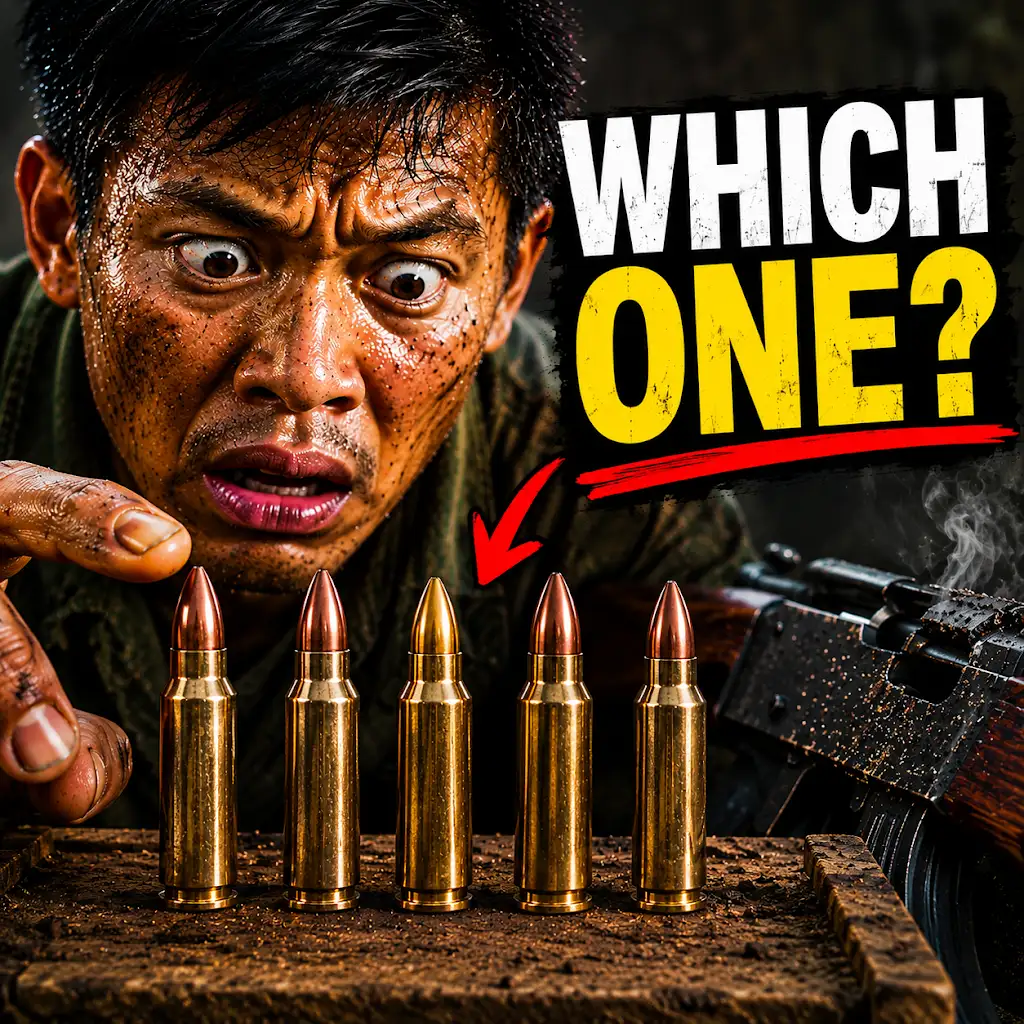
The Vietnam Plot That Made Soldiers Fear Their Own Guns
FAQs
What is Project Eldest Son MACV SOG?
Project Eldest Son was a classified operation conducted by the Military Assistance Command, Vietnam – Studies and Observations Group (MACV-SOG) during the Vietnam War. It involved inserting small teams of highly trained personnel into North Vietnam to gather intelligence and conduct sabotage operations.
When did Project Eldest Son MACV SOG take place?
Project Eldest Son was conducted from 1967 to 1972 during the Vietnam War. It was part of the larger covert operations carried out by MACV-SOG in Southeast Asia.
What was the purpose of Project Eldest Son MACV SOG?
The primary purpose of Project Eldest Son was to gather intelligence on North Vietnamese military activities and to disrupt their operations through sabotage and other covert actions. The operation aimed to gather information on enemy troop movements, supply routes, and other strategic targets.
Who was involved in Project Eldest Son MACV SOG?
Project Eldest Son involved personnel from the United States military, including special forces units such as Army Special Forces (Green Berets), Navy SEALs, and Air Force personnel. These individuals were highly trained and experienced in conducting covert operations behind enemy lines.
What was the outcome of Project Eldest Son MACV SOG?
Project Eldest Son resulted in the collection of valuable intelligence on North Vietnamese military activities and infrastructure. It also contributed to the disruption of enemy operations through sabotage and other covert actions. The operation had a significant impact on the overall war effort in Vietnam.