The Soviet Union, a nation forged in revolution and locked in an ideological struggle with the West, approached naval innovation with a blend of pragmatic necessity and ambitious vision. During the Cold War, the Soviet Navy, or VMF, was not merely a defensive force; it was a potent instrument of global power projection, a symbol of Soviet might, and a breeding ground for radical design concepts. While often overshadowed by the sheer scale of the United States Navy, the VMF’s pursuit of cutting-edge technology and unconventional warship designs produced a remarkable array of prototypes that pushed the boundaries of naval engineering and significantly influenced the trajectory of naval warfare. These prototypes, often born from a desire to counter perceived American advantages or to exploit unique Soviet strengths, were more than just experiments; they were a testament to the Soviet Union’s unwavering commitment to naval supremacy and its relentless drive for technological superiority in the shadow of the Iron Curtain.
Genesis of Soviet Naval Ambition
The origins of the Soviet Union’s ambitious naval programs can be traced back to the aftermath of World War II. Having suffered immense losses and recognizing the strategic limitations of its existing fleet, Soviet leadership, particularly under Josef Stalin, initiated a massive shipbuilding program. The initial focus was on rebuilding and modernizing existing vessel types, but a more forward-thinking approach soon took hold, fueled by the growing tensions of the Cold War. The VMF’s strategic doctrine evolved from a primarily coastal defense role to one encompassing blue-water operations, global power projection, and the critical mission of countering NATO’s maritime dominance, particularly its carrier battle groups and submarine forces. This strategic shift necessitated a departure from conventional design philosophies and spurred the development of innovative concepts that sought to address specific operational requirements and technological challenges. The Soviet Union’s vast coastline, its extensive Arctic territories, and its reliance on a geographically dispersed empire all contributed to a unique set of naval requirements that demanded unconventional solutions. Furthermore, the ideological imperative of proving Soviet technological prowess in the face of Western advancements played a significant role in driving the VMF’s pursuit of novel and often audacious designs. The Soviet Union’s vast industrial capacity, though often strained, was marshaled to support these ambitious naval endeavors, demonstrating a national will to compete and, if possible, to outmaneuver its adversaries.
The Shadow of American Naval Power
The United States Navy, with its unparalleled carrier fleet and global reach, presented a formidable challenge to the Soviet Union. Soviet strategists viewed these carrier groups as a direct threat, capable of projecting air power far inland and controlling vital sea lanes. The VMF’s primary objective became the development of effective countermeasures, leading to a focus on anti-ship missile technology, submarine warfare, and specialized surface combatants designed to hunt and neutralize these American assets. This constant need to catch up and, ideally, to surpass American capabilities became a driving force behind many Soviet naval innovations. The perceived invincibility of American carrier strike groups spurred a Soviet doctrine of asymmetric warfare, where technological breakthroughs in specific niches were prioritized over broad-spectrum naval parity. The emphasis was on creating platforms and weapons that could neutralize an opponent’s most potent assets with a single, decisive blow.
Strategic Imperatives and Design Philosophy
The Soviet Union’s vast geographical expanse and its long, often ice-bound, coastlines dictated specific naval design requirements. The need for operations in Arctic waters, with their unique environmental challenges, led to the development of ice-capable vessels and specialized propulsion systems. The vastness of the Pacific and Atlantic oceans demanded vessels with greater endurance and seaworthiness. Moreover, the Soviet Union’s strategic doctrine emphasized the importance of a powerful submarine force, capable of interdicting enemy supply lines and delivering nuclear strikes. This focus on submarines, in turn, influenced the design of surface escorts and anti-submarine warfare (ASW) capabilities. The Soviet design philosophy often leaned towards robustness, survivability, and overwhelming firepower, sometimes at the expense of crew comfort or sophisticated electronic warfare suites compared to their Western counterparts. There was a strong emphasis on simplicity of operation and maintenance, reflecting the realities of Soviet industrial capabilities and the training of its naval personnel.
The development of naval prototypes during the Soviet Union era played a crucial role in shaping maritime strategies and technologies. For a deeper understanding of this topic, you can explore the article on Soviet naval innovations and their impact on global naval power dynamics. This article provides valuable insights into the prototypes that were developed and tested during that time. To read more, visit this link.
Bold Ventures in Surface Combatant Design
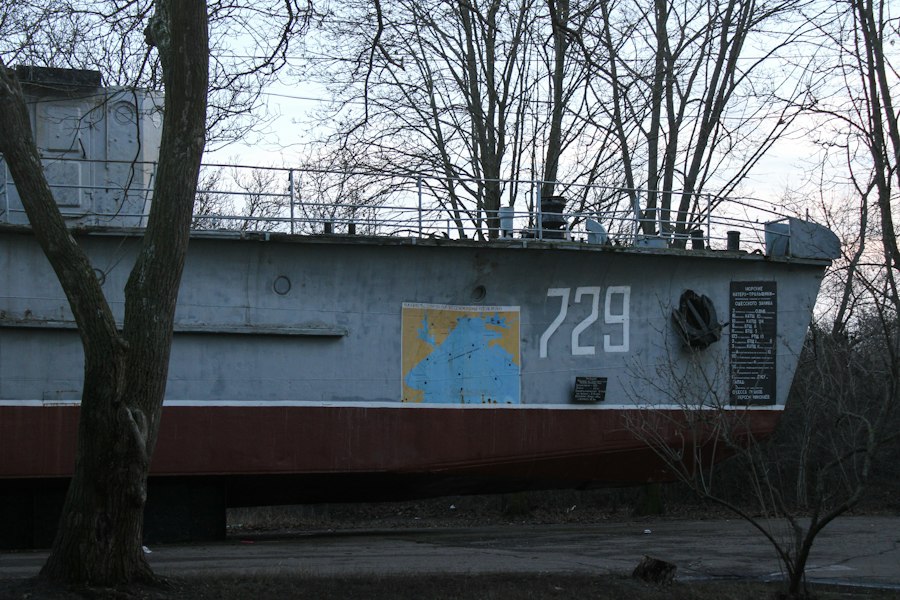
The Soviet Union’s pursuit of innovation was particularly evident in its surface combatants. Facing the formidable threat of NATO carrier air wings, the VMF invested heavily in developing ships that could operate effectively in a high-threat environment. This led to the creation of unique classes of vessels, some of which blurred the lines between traditional destroyer and cruiser roles, and others that introduced entirely new concepts to naval architecture. The emphasis was on speed, missile armament, and survivability, often incorporating features that were unconventional by Western standards but served specific Soviet strategic objectives.
The Moskva-Class: “Aircraft Carrier Killers”
Perhaps the most iconic and illustrative example of Soviet innovation in surface combatants is the Moskva-class of helicopter carriers, also known as “project 1123” or “Condor” in NATO reporting. While officially designated as helicopter carriers, their primary role was anti-submarine warfare (ASW) and as command ships for ASW task forces, rather than projecting offensive air power like their American counterparts. These vessels were designed to carry and operate ASW helicopters, such as the Kamov Ka-25 “Hormone,” equipped with dipping sonar and torpedoes, enabling them to hunt Soviet and American submarines operating in the open ocean. Their formidable armament included surface-to-surface missiles (SSMs) like the P-35 “Volcano” (NATO reporting name SS-N-14 Silex) and surface-to-air missiles (SAMs) such as the M-1 “Z Dolu” (NATO reporting name SA-N-3 Goblet), making them powerful offensive platforms in their own right. The Moskva class represented a significant departure from traditional warship design, integrating helicopter operations with substantial missile armament in a single hull. This concept was a direct response to the perceived threat of nuclear submarines and the need to project ASW capabilities far from Soviet shores. The presence of a large helicopter hangar and flight deck on a vessel also armed with potent anti-ship and anti-air missiles made the Moskva a versatile and potentially devastating warship in the Soviet arsenal. Their construction demonstrated a Soviet willingness to experiment with hybrid designs that could fulfill multiple roles, a characteristic that would define much of their naval innovation.
The Kara-Class: Missile Cruisers Redefined
The Kara-class cruisers (Project 1134B Berkut B) exemplify the Soviet Union’s commitment to heavily armed surface combatants. These large, missile-heavy cruisers were designed to operate as flagships for missile cruiser formations and to provide air defense and anti-ship strike capabilities. What set them apart was their sophisticated integration of advanced weapon systems. They were armed with a formidable array of missiles, including the SS-N-12 Sandbox (P-500 Bazalt), a massive anti-ship missile designed to engage large warships like aircraft carriers. For air defense, they carried the SA-N-6 Grumble (S-300F Fort), a highly capable long-range SAM system, and the SA-N-4 Gecko (9K33 Osa) for close-in defense. The Kara-class also incorporated advanced sonar and ASW capabilities, including ASROC-like anti-submarine missiles. Their design reflected a Soviet emphasis on offensive punch, with a significant portion of the hull dedicated to missile launchers. The large radar arrays and weapon systems indicated a design philosophy focused on projecting power and engaging multiple targets simultaneously. These cruisers were a clear statement of intent, demonstrating the Soviet Union’s capability to build warships that could challenge the most powerful navies in the world. Their imposing silhouette and overwhelming armament were designed to instill fear and uncertainty in their adversaries.
The Kirov-Class: The “Battlecruiser” Redefined
The Kirov-class battlecruisers (Project 1144 Orlan) were arguably the most audacious and imposing surface combatants ever built by the Soviet Union, and indeed, the world. These nuclear-powered behemoths were unlike anything seen before, blurring the lines between cruisers and battleships. They were designed to counter the American carrier battle group, carrying an astonishing array of weaponry. Their primary offensive punch came from the SS-N-19 Shipwreck (P-500 Bazalt and later P-1000 Vulkan) anti-ship missiles, capable of engaging multiple targets at extreme ranges. For air defense, they were equipped with the SA-N-9 Gauntlet (9M330 Tor) and the formidable SA-N-6 Grumble (S-300F Fort) missile systems, providing layered defense against air and missile threats. The Kirov-class also boasted significant naval gun armament, ASW capabilities, and even carried a helicopter. The sheer scale and offensive power of these vessels were a testament to Soviet ambition and their commitment to challenging American naval dominance on an unprecedented scale. The nuclear propulsion provided them with virtually unlimited range and endurance, allowing them to operate independently for extended periods. The design of the Kirov-class reflected a philosophy of overwhelming force, aiming to project power and dominate any naval engagement. Their imposing size and array of weaponry made them a significant psychological and strategic asset for the Soviet Union, and a grave concern for NATO navies.
Submarine Innovations and the Silent Warfare
The Soviet Union placed an enormous emphasis on its submarine force, recognizing its crucial role in strategic deterrence, power projection, and countering Western naval assets. This led to a continuous stream of innovative submarine designs, pushing the boundaries of stealth, speed, armament, and operational capabilities. From the silent hunter to the missile carrier, Soviet submarine development was a relentless pursuit of technological superiority in the silent service.
The Alfa-Class: The Quest for Speed and Depth
The Alfa-class submarines (Project 705 Lira) were a testament to the Soviet Union’s relentless pursuit of technological advantage, particularly in the realm of speed and depth. These small, titanium-hulled submarines were designed for high-speed intercepts and deep diving, making them incredibly difficult for NATO ASW forces to detect and track. Their unique titanium alloy hull allowed them to withstand the immense pressures of deep water, enabling them to operate at depths far greater than their Western counterparts. This, combined with their powerful reactor and advanced hydrodynamics, gave them unparalleled speed and maneuverability. The Alfa class was armed with torpedoes and, in some versions, cruise missiles, designed for rapid strikes. However, their advanced design and unique materials came at a significant cost, both financially and in terms of operational reliability. Despite their challenges, the Alfa-class represented a significant leap in submarine technology and posed a serious challenge to NATO’s ASW capabilities, forcing them to constantly re-evaluate their detection and tracking methods. The sheer engineering feat of constructing a submarine hull from titanium capable of withstanding such extreme pressures was a remarkable achievement.
The Typhoon-Class: The Pinnacle of Ballistic Missile Carriers
The Typhoon-class submarines (Project 941 Akula) are the largest submarines ever constructed, dwarfing all other submarines, including their American contemporaries. These colossal vessels were designed to serve as mobile strategic missile platforms, carrying a devastating payload of twenty R-39 ballistic missiles, each with multiple nuclear warheads. Their immense size allowed for a substantial crew and the ability to operate in harsh Arctic conditions for extended periods, surfacing through ice. The Typhoon class represented a significant component of the Soviet Union’s nuclear deterrent, providing a survivable and highly potent second-strike capability. Their design prioritized survivability with a double-hulled construction and advanced noise reduction measures, though they were not as stealthy as some smaller Western submarines. The sheer scale of the Typhoon class was a statement of Soviet industrial power and their commitment to maintaining a robust nuclear triad. Their presence in the oceans was a constant reminder of the potential for global catastrophe during the Cold War.
The Akula-Class: Stealth and Versatility
The Akula-class submarines (Project 971 Shchuka-B) represented a significant advancement in Soviet submarine design, focusing on a blend of stealth, speed, and versatility. These nuclear-powered attack submarines were designed to counter Western SSNs and SSBNs, as well as to conduct reconnaissance and special operations. They incorporated advanced noise reduction techniques, making them considerably quieter than earlier Soviet submarine classes, a critical factor in modern submarine warfare. The Akula-class was armed with a variety of torpedoes and cruise missiles, including the SS-N-21 Sampson (RK-55 Granat), allowing them to engage both surface and subsurface targets. They were also equipped with advanced sonar systems, enhancing their ability to detect and track enemy submarines. The Akula-class was a significant step forward for the Soviet Navy, bridging the gap in stealth technology with Western designs and providing a highly capable platform for a wide range of missions. Their production continued well after the collapse of the Soviet Union, testament to their successful design.
Unconventional Craft and Future Visions
Beyond the major classes of warships and submarines, the Soviet Union also explored highly unconventional designs that pushed the boundaries of naval technology and hinted at future naval warfare concepts. These experimental vessels, often developed with a specific niche role in mind or as a response to perceived technological gaps, showcase the breadth of Soviet naval ambition and their willingness to explore radical ideas.
The Kasatka-Class: Air-Cushion Assault Craft
The Kasatka-class (Project 1205) represented a unique Soviet exploration into the potential of air-cushion vehicles for amphibious assault operations. These large hovercraft were designed to carry troops and equipment across shallow waters and onto beaches at high speeds, bypassing traditional landing craft limitations. Their ability to traverse a wide range of terrain, from open water to sand and mud, offered a significant tactical advantage. While not strictly warships in the traditional sense, these assault craft were a vital component of Soviet amphibious warfare strategy and a direct reflection of their ambition to project power in coastal areas. The Kasatka class demonstrated a foresight into the advantages of over-the-horizon amphibious operations and the potential of air-cushion technology for military applications. Their development highlighted a Soviet interest in rapid deployment and the ability to bypass conventional defensive fortifications.
Experimental Hydrofoils and High-Speed Craft
The Soviet Union, with its vast network of rivers and extensive coastlines, showed a keen interest in high-speed watercraft. This led to the development of several experimental hydrofoil designs, such as the Project 1240 Uragan class, which were intended for fast attack and patrol roles. These vessels utilized underwater foils to lift the hull out of the water at speed, significantly reducing drag and allowing for exceptional velocity. The Uragan-class was armed with anti-ship missiles and a naval gun, making it a potent, albeit limited in scope, surface combatant. These hydrofoils represented a vision of naval warfare where speed and maneuverability could be decisive advantages, allowing for rapid strikes and quick disengagement. While the operational deployment of such specialized craft was limited, the underlying research and development contributed to the broader understanding of high-speed naval platforms. The Soviet Union’s embrace of hydrofoil technology underscored their desire to explore alternative means of achieving naval superiority, often through unconventional platforms.
The Zubr-Class LCAC: The World’s Largest Hovercraft
The Zubr-class Landing Craft Air Cushion (LCAC) is another remarkable testament to Soviet innovation in specialized naval craft. As the world’s largest operational hovercraft, the Zubr class was designed for large-scale amphibious assaults, capable of carrying main battle tanks, other heavy armored vehicles, and significant numbers of troops. Its immense size, speed, and ability to traverse various terrains made it a formidable tool for power projection, allowing for the rapid delivery of combat forces deep inland. The Zubr class was a direct evolution of earlier Soviet hovercraft designs and showcased a continued commitment to developing innovative solutions for amphibious warfare. Its sheer capacity and operational flexibility made it a unique asset, capable of overwhelming defenses and rapidly establishing a beachhead. The legacy of the Zubr class continues today, with these impressive craft still in service with various navies.
The development of naval prototypes during the Soviet Union era played a crucial role in shaping maritime strategies and technologies. These prototypes not only showcased the innovative engineering capabilities of the time but also reflected the geopolitical tensions of the Cold War. For a deeper understanding of this topic, you can explore a related article that delves into the intricacies of Soviet naval advancements and their implications on global naval power dynamics. To read more, visit this article.
Legacy and Impact on Global Naval Design
| Prototype Name | Type | Displacement (tons) | Length (meters) | Year Built | Main Armament | Propulsion | Purpose |
|---|---|---|---|---|---|---|---|
| K-222 (Project 661 Anchar) | Submarine | 7,600 (surfaced) | 107.2 | 1969 | 6 x 533mm torpedo tubes | 2 x Nuclear reactors | High-speed attack submarine prototype |
| Project 1144 Orlan (Kirov-class prototype) | Battlecruiser | 24,300 | 252 | 1974 (prototype laid down) | 20 x P-700 Granit missiles | 4 x Steam turbines | Surface combatant prototype |
| Project 705 Lira (Alfa-class) | Submarine | 3,100 (surfaced) | 72.6 | 1969 | 4 x 533mm torpedo tubes | 1 x Liquid metal cooled reactor | High-speed attack submarine prototype |
| Project 1231 Skat | Hovercraft missile ship | 300 | 30 | 1970s (concept) | 4 x P-15 Termit missiles | Gas turbine engines | Fast attack missile craft prototype |
The Soviet Union’s pursuit of naval innovation during the Cold War, though often driven by the imperative of confronting American naval power, had a profound and lasting impact on global naval design and strategy. The unconventional designs, the relentless focus on missile technology, and the advancements in submarine warfare pushed the boundaries of what was considered possible, forcing other navies to adapt and innovate in response.
The Missile Revolution in Naval Warfare
The Soviet Union was a pioneer in the development and integration of anti-ship missiles onto naval platforms. The widespread adoption of powerful and long-range SSMs, such as the SS-N-3 Shaddock, SS-N-12 Sandbox, and SS-N-19 Shipwreck, fundamentally changed naval warfare. These missiles, capable of overwhelming defenses and sinking even the largest warships, rendered traditional naval dominance based on gunnery and carrier air power less decisive. NATO navies were forced to invest heavily in missile defense systems, electronic warfare, and increasingly stealthy submarine designs to counter this new threat. The Soviet emphasis on missile technology forced a global re-evaluation of naval strategy, shifting the focus from ship-to-ship combat to missile duels and the complex interplay of offensive and defensive missile systems.
Submarine Stealth and ASW Advancements
The Soviet Union’s relentless pursuit of quieter and deeper-diving submarines, epitomized by the Alfa and Akula classes, spurred significant advancements in NATO’s anti-submarine warfare (ASW) capabilities. The need to detect and track these increasingly stealthy underwater threats led to the development of more sophisticated sonar systems, airborne ASW platforms, and improved submarine detection techniques. Conversely, Soviet innovations in submarine design, particularly their emphasis on speed and diving depth, also influenced the development of Western submarine technology, driving a continuous cycle of technological competition. The “silent service” became an even more critical battleground, with both sides constantly striving to gain an advantage in the cat-and-mouse game of submarine detection and evasion.
The Inspiration for Asymmetric Naval Strategies
The Soviet Union’s naval prototypes often represented an approach to asymmetric warfare, seeking to counter perceived Western advantages through technological breakthroughs in specific areas. The development of powerful anti-ship missiles, for instance, was a direct attempt to negate the dominance of American carrier battle groups without needing to match their sheer numbers. This philosophy of finding “weak points” and exploiting them with targeted technological superiority influenced naval thinking worldwide, encouraging other nations to develop specialized capabilities rather than attempting to achieve broad-spectrum naval parity. The Soviet approach demonstrated that innovation and focused development could offer effective countermeasures to more powerful, conventional forces. The legacy of these Soviet prototypes continues to inspire strategic thinking in naval circles, reminding planners that technological innovation can be a powerful equalizer in the complex landscape of global maritime power.

The Soviet Warship That Learned to Fly
FAQs
What was the Soviet Union naval prototype?
The Soviet Union naval prototype was a top-secret project developed during the Cold War era to create advanced naval technology for military purposes.
What was the purpose of the Soviet Union naval prototype?
The main purpose of the Soviet Union naval prototype was to enhance the country’s naval capabilities and gain a strategic advantage over its rivals, particularly the United States.
Was the Soviet Union naval prototype successful?
While details about the success of the Soviet Union naval prototype remain classified, it is believed that the project made significant advancements in naval technology and contributed to the country’s military strength.
What kind of technology was used in the Soviet Union naval prototype?
The Soviet Union naval prototype likely incorporated cutting-edge technologies such as advanced radar systems, stealth capabilities, and powerful weaponry to outmatch potential adversaries in naval warfare.
What happened to the Soviet Union naval prototype?
Following the collapse of the Soviet Union in 1991, the fate of the naval prototype remains unknown. It is speculated that the project was either dismantled, continued under a different regime, or its technology was integrated into other naval programs.