The Soviet Union, a colossus that loomed large over the 20th century, wielded significant naval power. Its maritime history is a fascinating tapestry woven with threads of ambition, ideological struggle, technological innovation, and ultimately, a potent, albeit complex, legacy. From its nascent beginnings in the shadows of tsarist Russia to its emergence as a global naval superpower, the Soviet Navy’s journey was shaped by a unique set of geopolitical realities and strategic imperatives. Understanding this history is crucial to grasping the dynamics of Cold War naval competition and its enduring impact on global maritime affairs.
The Genesis of a Red Fleet: From Tsarist Echoes to Bolshevik Dreams
The foundations of Soviet naval power were laid upon the remnants of the Imperial Russian Navy. Following the Bolshevik Revolution of 1917, the nascent Soviet state inherited a battered fleet, its ships scattered, its crews disaffected, and its infrastructure in disrepair. The immediate post-revolutionary years were characterized by a struggle for survival, both for the regime and its maritime forces. The Red Navy, as it was officially known, was initially a low priority, overshadowed by the land war and the immense task of consolidating Bolshevik power. However, the ideological fervor and the strategic vision of leaders like Leon Trotsky recognized the potential of naval power, not just for defense, but as a symbol of revolutionary might and a tool for projecting Soviet influence.
Rebuilding and Reorganizing: The Early Years
The 1920s and early 1930s saw a slow and arduous process of rebuilding. The focus was on repairing existing vessels, retraining crews, and establishing a more centralized command structure. The prevailing doctrine was largely defensive, emphasizing coastal protection and the denial of sea lanes to potential adversaries. However, the seeds of a more offensive doctrine were being sown. The influence of naval theorists like Alfred Thayer Mahan, though an American, began to permeate Soviet naval thought, highlighting the importance of sea control and power projection. Early shipbuilding programs were modest, primarily concentrating on submarines and smaller surface combatants, reflecting both resource constraints and a pragmatic approach to immediate threats. The emphasis was on quantity and the ability to overwhelm potential attackers in localized engagements, rather than sophisticated fleet-on-fleet actions.
The Crucible of War: Lessons from World War II
World War II proved to be a brutal baptism of fire for the Soviet Navy. While its primary role was largely confined to supporting land operations, particularly in the Baltic and Black Seas, the experience provided invaluable lessons. The navy suffered significant losses, especially during the initial German invasion. However, its submarine force demonstrated considerable effectiveness, harassing enemy shipping and playing a crucial role in defending Soviet coastlines. The war underscored the vulnerability of exposed naval bases and the need for robust anti-submarine warfare capabilities. It also highlighted the limitations of a fleet built primarily for coastal defense when faced with a modern, technologically advanced enemy. The experience of fighting alongside Allied naval powers also offered exposure to different doctrines and technologies, influencing future Soviet naval development.
For those interested in the intricate naval history of the Soviet Union, a compelling article can be found at In the War Room. This piece delves into the evolution of the Soviet Navy during the Cold War, highlighting key naval strategies, significant battles, and the technological advancements that shaped its maritime power. By exploring the complexities of Soviet naval operations, the article provides valuable insights into how these developments influenced global naval dynamics and the broader geopolitical landscape of the time.
The Rise of the Blue-Water Navy: Khrushchev, Brezhnev, and the Global Reach
The post-World War II era marked a dramatic transformation for the Soviet Navy. Under the leadership of Nikita Khrushchev and later Leonid Brezhnev, the Soviet Union embarked on an ambitious program to transform its navy from a regional defensive force into a global blue-water power. This shift was driven by a confluence of factors: the ideological imperative to challenge American global dominance, the need to protect Soviet economic interests abroad, and the growing realization that a credible nuclear deterrent required a robust, survivable submarine-based component.
The Nuclear Imperative: Submarines as Deterrent and Dagger
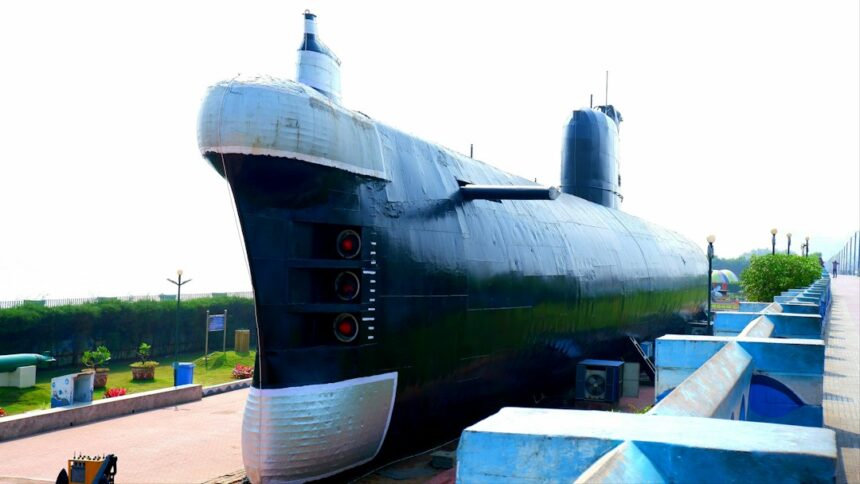
The development of nuclear weapons and intercontinental ballistic missiles (ICBMs) fundamentally reshaped Soviet military strategy. Recognizing the vulnerability of land-based missile silos to a first strike, Soviet strategists turned to the sea. The development of ballistic missile submarines (SSBNs) became a top priority. These nuclear-powered submarines, armed with Polaris-type missiles, provided a secure second-strike capability, a crucial element of Mutually Assured Destruction (MAD). The construction of a vast SSBN fleet, including the massive Typhoon-class submarines, became a defining feature of Soviet naval power. Beyond strategic deterrence, Soviet attack submarines (SSNs and SSGNs) were designed to neutralize Western carrier battle groups, disrupt transatlantic supply lines, and project power into distant oceans. This focus on submarines reflected a deep-seated strategic preference for stealth, deniability, and the ability to inflict significant damage without necessarily engaging in large-scale fleet battles.
Surface Fleets and Power Projection: The Carrier Debate and Cruiser Dominance
While submarines formed the core of the Soviet deterrent, the development of surface fleets was also a significant undertaking. The Soviet Union grappled with the concept of aircraft carriers, ultimately eschewing the large, conventionally powered flattop designs favored by the West. Instead, they developed heavily armed “heavy aircraft-carrying cruisers” like the Kiev and Admiral Kuznetsov classes. These vessels combined aircraft-carrying capabilities with substantial armament, including anti-ship missiles, making them formidable multi-role warships, though their air wings were limited compared to their Western counterparts. The Soviet Navy also excelled in the development of powerful missile cruisers, such as the Kirov-class battlecruisers, which were essentially floating missile platforms designed to engage and destroy enemy surface ships and submarines. These vessels, along with destroyers and frigates, formed the backbone of the Soviet surface fleet, designed for both power projection and the defense of Soviet sea lanes.
The naval history of the Soviet Union is a fascinating topic that reveals much about the country’s military strategies and geopolitical ambitions during the Cold War. For those interested in exploring this subject further, a related article can be found at this link, which delves into the evolution of the Soviet navy and its impact on global maritime dynamics. Understanding these historical developments provides valuable insights into the broader context of naval power and international relations during a pivotal era.
Global Reach: Operating Beyond Soviet Waters
The Soviet Union’s ambition extended far beyond its territorial waters. The development of a blue-water navy enabled Soviet fleets to operate in the Atlantic, Pacific, and Indian Oceans. Naval bases were established or expanded in strategic locations such as Cam Ranh Bay in Vietnam, Aden in Yemen, and Cuba. Soviet naval vessels routinely shadowed NATO fleets, conducted exercises in distant waters, and provided logistical and military support to allied nations. This global presence served as a constant reminder of Soviet power and a counterweight to American naval dominance. The regular deployment of task forces in contested regions underscored the Soviet Union’s willingness to assert its influence on the world stage.
Strategic Doctrine and Operational Philosophy: Denying the Seas and Disrupting the Enemy

Soviet naval strategy was not simply about building ships; it was about how those ships were intended to be used. The prevailing doctrine evolved over time, but consistently emphasized denial of the seas to the enemy and disruption of their logistical and operational capabilities. This differed significantly from the Western emphasis on sea control, which aimed to establish dominance over key maritime areas.
Sea Denial and the Anti-Access/Area Denial (A2/AD) Concept
The core of Soviet naval strategy was “sea denial.” This meant preventing the enemy from using the seas effectively, rather than necessarily controlling them outright. For submarines, this translated to sinking enemy shipping and submarines. For surface fleets, it meant using anti-ship missiles to destroy enemy warships and projecting power to deter aggression. This concept laid the groundwork for what is now known as Anti-Access/Area Denial (A2/AD) strategies. The Soviet Navy sought to create fortified zones around its coastlines and key strategic areas, making it prohibitively risky for enemy forces to operate within them. This was achieved through a combination of submarines, naval aviation, coastal defense missiles, and increasingly, advanced electronic warfare capabilities.
The “Tied to the Land” Debate: The Limits of Doctrine
Despite the ambition to become a global naval power, a persistent tension existed within Soviet military thinking. Some strategists and political leaders viewed the navy
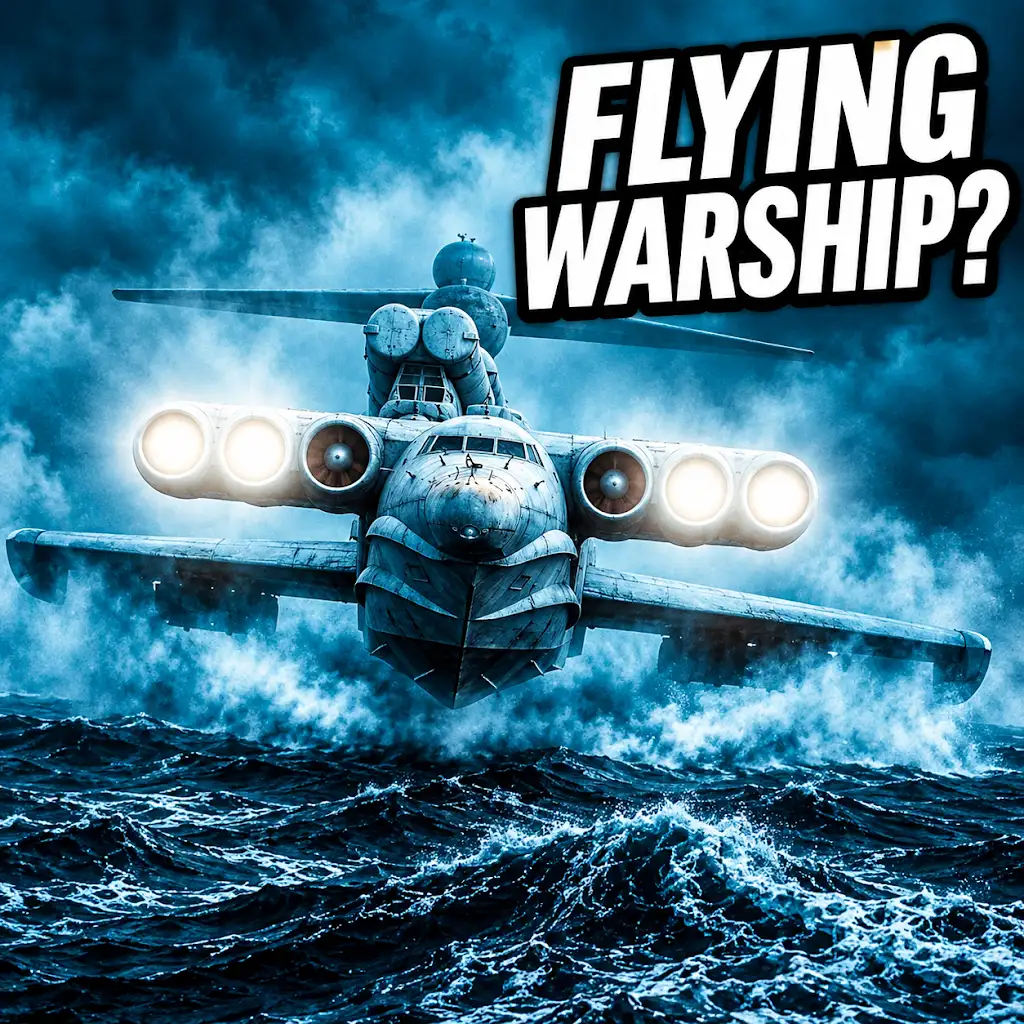
The Soviet Warship That Learned to Fly
FAQs
1. What was the size of the Soviet Union’s naval fleet during the Cold War?
During the Cold War, the Soviet Union had one of the largest naval fleets in the world, with over 600 warships and submarines at its peak.
2. What were some key naval engagements involving the Soviet Union during World War II?
Key naval engagements involving the Soviet Union during World War II include the defense of Leningrad, the Battle of the Black Sea, and the Arctic Convoys.
3. How did the Soviet Union’s naval strategy differ from that of Western powers during the Cold War?
The Soviet Union focused on building a strong submarine fleet for strategic deterrence, while Western powers emphasized aircraft carriers and surface ships for power projection.
4. What role did the Soviet Navy play in the Cuban Missile Crisis?
During the Cuban Missile Crisis, the Soviet Navy deployed submarines armed with nuclear missiles, leading to a tense standoff with the United States Navy in the waters near Cuba.
5. How did the collapse of the Soviet Union impact its naval forces?
After the collapse of the Soviet Union in 1991, its naval forces faced significant challenges, including budget cuts, maintenance issues, and the division of the fleet among the newly independent states.