The Genesis of a Cold War Warrior: K-22’s Early Life and Construction
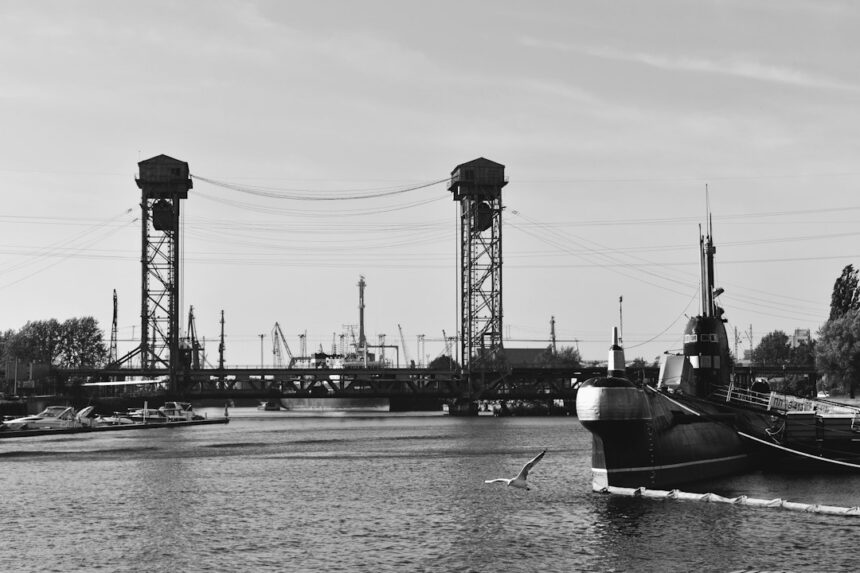
The Soviet Navy, a formidable force during the Cold War, relied heavily on its submarine fleet for strategic projection and deterrence. Among these silent hunters, the K-22, a Project 641 (NATO reporting name: Foxtrot-class) submarine, carved out its own significant, albeit often unpublicized, history. Commissioned in the late 1950s, the K-22 was a product of Soviet naval doctrine, designed to counter the growing submarine capabilities of the West, particularly the United States. The Foxtrot class was an evolution of earlier Soviet designs, incorporating lessons learned from wartime experiences and technological advancements. These submarines were robust, diesel-electric vessels, characterized by their large size, long endurance, and significant armament.
The construction of K-22, like all Soviet military hardware of the era, was a testament to the nation’s industrial capacity and its unwavering commitment to military superiority. The submarine was built at the Sudomekh Shipyard in Leningrad (now Saint Petersburg), a major hub for Soviet shipbuilding. The process involved skilled laborers and engineers working under often demanding conditions, aiming to produce a vessel capable of challenging the most advanced submarines of its time. The Foxtrot class submarines were known for their powerful diesel engines, which allowed for high speeds on the surface and in snorkel mode, crucial for rapid redeployment and evasion. Their electric batteries, however, limited their submerged endurance compared to contemporary nuclear-powered submarines. Nevertheless, the K-22, and its sisters, were designed with an emphasis on stealth and the ability to operate in various maritime environments, from the frigid Arctic to the warmer waters of the Atlantic and Indian Oceans.
Laying the Keel and Outfitting a Silent Hunter
The initial stages of K-22’s construction involved laying its massive steel keel, a symbolic beginning for a vessel destined for the depths. This was followed by the meticulous assembly of its hull sections, a complex undertaking requiring precision engineering. The Foxtrot class submarines featured a double hull design, which provided structural integrity and improved hydrodynamic performance. The outer hull housed ballast tanks, while the inner hull contained the operational spaces, machinery, and weapon systems. The outfitting process was equally critical, involving the installation of the sophisticated machinery that would power K-22. This included its powerful diesel engines, electric motors, batteries, sonar systems, and the formidable array of torpedo tubes. The Soviet Union poured significant resources into developing its sonar capabilities, aiming to create submarines that could both detect enemy vessels and evade detection themselves. The K-22, upon its completion, was a testament to this endeavor, representing a substantial investment in the Soviet Union’s naval power.
Initial Sea Trials and Shakedown Cruises
Following its construction, K-22 embarked on a rigorous schedule of sea trials and shakedown cruises. These exercises were essential to test the submarine’s operational readiness, identify any design flaws, and train its crew. During these trials, the K-22 pushed the boundaries of its capabilities, performing complex maneuvers, testing its weapons systems, and assessing its endurance under various operational scenarios. The Soviet Navy placed a high premium on the performance of its submarines, and these initial voyages were crucial in ensuring that K-22 was ready to fulfill its strategic mission. The crew, comprised of highly trained and disciplined sailors, learned to operate the complex systems of the submarine with proficiency, becoming adept at navigating the silent world of underwater warfare. The successful completion of these trials marked K-22’s official entry into active service, ready to patrol the world’s oceans.
The history of the Soviet submarine K-22 is a fascinating chapter in naval warfare, showcasing the advancements in submarine technology during the Cold War. For a deeper understanding of the strategic implications and operational history of K-22, you can explore a related article that delves into its missions and significance in the context of Soviet naval power. To read more, visit this article.
Operational Deployment and Strategic Significance
Once commissioned and declared operational, K-22, like many of its Foxtrot-class counterparts, was assigned to strategic patrol duties. Its deployment was often dictated by the geopolitical tensions of the Cold War. The Soviet Navy’s primary objective was to deter NATO aggression and to maintain a credible nuclear second-strike capability. Submarines played a vital role in this strategy, capable of lurking undetected in the vast oceans, ready to retaliate if a nuclear attack occurred. K-22, with its significant range and armament, was well-suited for these long-duration patrols, often operating far from Soviet shores. Its presence in key maritime areas served as a constant reminder of Soviet naval power and its willingness to defend its interests.
The Foxtrot class submarines were designed for a variety of missions, including anti-ship warfare, intelligence gathering, and shadowing enemy naval forces. K-22’s operational history likely encompassed a blend of these roles, contributing to the Soviet Union’s overall strategic posture. The emphasis on diesel-electric technology, while limiting submerged endurance compared to nuclear submarines, offered advantages in terms of lower operational costs, reduced acoustic signature when running on batteries, and greater ease of maintenance and deployment in shallower waters. This made them versatile assets, capable of operating in a wider range of environments.
Patrolling the High Seas: Surveillance and Deterrence
K-22’s primary role was undoubtedly that of a deterrent and surveillance asset. Its patrols were designed to track the movements of NATO naval fleets, particularly aircraft carrier battle groups, which were potent instruments of power projection for the West. By maintaining a close watch on these formidable formations, K-22 and its crew provided invaluable intelligence to Soviet command. This intelligence allowed for the monitoring of NATO’s military exercises, the identification of its operational capabilities, and the assessment of potential threat levels. The mere knowledge that a Soviet submarine like K-22 was operating in the vicinity could force NATO forces to alter their maneuvers, increasing their operational caution and potentially limiting their freedom of action. This silent cat-and-mouse game was a defining characteristic of the Cold War, and K-22 was a key player in this strategic chess match.
The Silent Threat: Anti-Submarine Warfare and Interception Missions
Beyond surveillance, K-22 was equipped to engage enemy submarines and surface vessels. Its torpedo armament, typically consisting of both acoustic and wire-guided torpedoes, provided a potent offensive capability. While direct engagements were rare due to the inherent risks and the desire to maintain stealth, K-22 was certainly capable of undertaking interception missions. These could involve disrupting enemy supply lines, engaging individual warships, or even attempting to neutralize hostile submarines operating in Soviet waters or areas of strategic interest. The Soviet Navy heavily invested in anti-submarine warfare (ASW) technology, both offensive and defensive. K-22’s operational directives would have included protocols for engaging enemy submarines, emphasizing surprise and a swift, decisive attack to minimize the risk of being detected and counter-attacked.
Key Missions and Notable Engagements
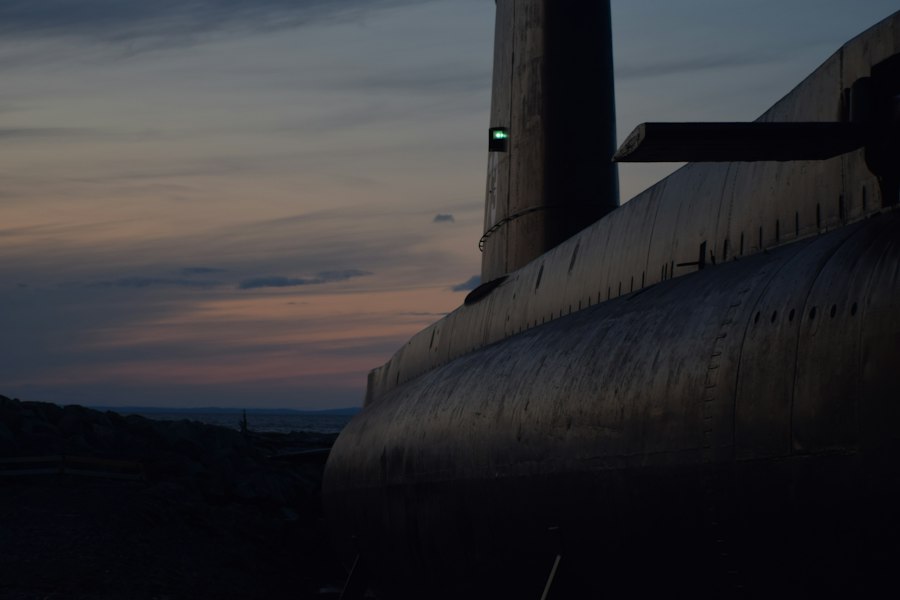
While specific operational details of Soviet submarines are often shrouded in secrecy, historical accounts and declassified documents offer glimpses into the types of missions undertaken by vessels like K-22. These missions were critical to the Soviet Union’s strategic objectives and contributed to the complex dynamics of the Cold War. The Foxtrot class, known for its endurance and operational versatility, was frequently deployed to sensitive areas, often operating in close proximity to NATO naval exercises and installations. The information gathered from these deployments was invaluable to Soviet intelligence agencies.
The K-22 likely participated in a range of deployments, from routine patrols in the Atlantic and Arctic Oceans to more specialized missions requiring discretion and technical expertise. The success of these missions was measured not only by overt actions but also by the intelligence gathered and the deterrent effect achieved. The psychological impact of a constantly patrolling Soviet submarine could be as significant as any direct engagement.
The history of the Soviet submarine K-22 is a fascinating chapter in naval warfare, showcasing the advancements in submarine technology during the Cold War era. For those interested in exploring more about the strategic significance of submarines like K-22, a related article can provide deeper insights into their operational roles and missions. You can read more about it in this informative piece on naval history at In The War Room.
Intelligence Gathering in Sensitive Waters
One of the most crucial roles of submarines like K-22 was intelligence gathering. During the Cold War, this often involved operating in proximity to NATO naval bases, monitoring communications, and observing the deployment of new weapon systems. K-22 might have been tasked with shadowing specific NATO vessels, documenting their capabilities, and identifying their operational patterns. The information obtained from these clandestine operations provided Soviet planners with a clearer understanding of the West’s military strength and intentions. These missions were inherently risky, requiring the submarine to operate at extreme depths and employ sophisticated electronic countermeasures to avoid detection by advanced NATO sonar systems. The crew’s expertise in silent running and evasion techniques was paramount to the success of such intelligence-gathering operations.
Shadowing Enemy Fleets: A Constant Vigil
The Foxtrot class submarines were renowned for their ability to shadow enemy fleets for extended periods. K-22 would have been deployed to track the movements of NATO carrier battle groups, observing their exercises, and assessing their operational readiness. This constant vigil provided the Soviet Union with crucial early warning capabilities, allowing them to react to any potential threats or shifts in NATO’s naval posture. The challenge of shadowing was immense, requiring the submarine to maintain a safe distance while remaining within sonar range, often in treacherous weather conditions and in the presence of dedicated NATO ASW forces. The psychological pressure on the crew to remain undetected, while maintaining a constant watch on a heavily defended enemy formation, was immense. The success of these shadowing missions was often measured by the duration of the observation and the quality of the intelligence gathered without the submarine being detected and forced to break contact.
The Arctic Frontier: Operations in Icy Depths
The Arctic Ocean was a strategically vital region during the Cold War, a potential theater of operations for both the Soviet Union and NATO. Submarines like K-22 were extensively used in this challenging environment, navigating through ice floes and operating in extremely low temperatures. The K-22’s robust construction and its
A Soviet Submarine Hit a U.S. Frigate. Was It the Wrong Ship?
FAQs
1. What was the purpose of Soviet submarine K-22?
The Soviet submarine K-22, also known as the November-class submarine, was designed for anti-submarine warfare and reconnaissance missions during the Cold War.
2. When was Soviet submarine K-22 commissioned?
Soviet submarine K-22 was commissioned in 1963 as part of the Soviet Navy’s fleet.
3. What significant events is Soviet submarine K-22 known for?
Soviet submarine K-22 is known for its involvement in various Cold War operations, including surveillance missions near NATO waters and participation in naval exercises.
4. How long was Soviet submarine K-22 in service?
Soviet submarine K-22 remained in service for several decades, finally being decommissioned in the early 1990s following the collapse of the Soviet Union.
5. Where is Soviet submarine K-22 located now?
After being decommissioned, Soviet submarine K-22 was eventually scrapped, with some parts potentially being preserved for historical purposes in museums or naval facilities.