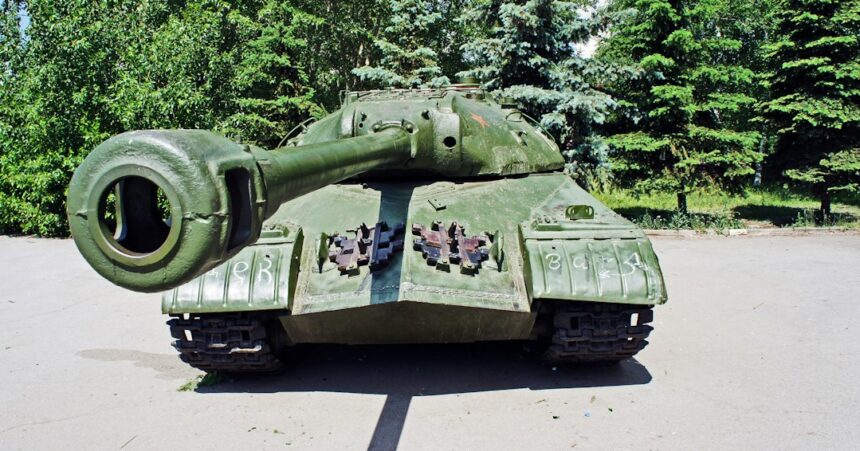
The Cold War was a period defined by geopolitical tension and a relentless arms race between the United States and the Soviet Union. While much of the focus has historically been on conventional military might and the nuclear standoff, the Soviet Union also cultivated a formidable and often shadowy arsenal of unconventional weapons. These were not always the headline-grabbing ICBMs or stealth bombers, but rather a diverse array of technologies, strategies, and even biological agents designed to gain a strategic advantage, sow discord, or incapacitate an adversary without resorting to full-scale nuclear war. Uncovering the secrets of this often-overlooked aspect of the Soviet military-industrial complex reveals a chilling ingenuity and a willingness to explore the boundaries of warfare.
The Shadowy Realm of Soviet Biological and Chemical Warfare
The Soviet Union maintained a vast and clandestine program dedicated to the research, development, and production of biological and chemical weapons. Unlike the more overt nuclear programs, these efforts were shrouded in secrecy, often masked by legitimate research institutions or disguised as agricultural or industrial projects. The sheer scale and ambition of these programs were, and remain, a source of deep concern for international security.
Project Khimiya: A Legacy of Chemical Weaponry
Soviet involvement in chemical warfare dates back to the early 20th century, but it escalated dramatically during the Cold War. The Soviet Union possessed an extensive stockpile of chemical agents, including nerve agents like VX, Sarin, and Novichok, as well as blister agents such as sulfur mustard and Lewisite. These weapons were designed for battlefield use, capable of incapacitating or killing enemy soldiers en masse.
Development and Deployment of Novel Agents
A particularly alarming aspect of the Soviet chemical weapons program was its continuous pursuit of new and more potent agents. Project “Khimiya” (Chemistry) aimed to develop substances that were difficult to detect, resistant to existing countermeasures, and highly lethal. The Novichok series of nerve agents, revealed to the world through attempted assassinations in recent decades, exemplifies this relentless innovation. These agents were designed to be binary chemical weapons, meaning their highly toxic components were mixed only at the point of deployment, making them more stable and safer to transport. The program’s success in creating such potent and insidious agents underscores the Soviet Union’s commitment to maintaining a qualitative edge in chemical warfare capabilities.
The Burden of Stockpiles and Disposal
The vast stockpiles of chemical weapons amassed by the Soviet Union presented a significant challenge even after the end of the Cold War. The international community, through treaties like the Chemical Weapons Convention, has pushed for the verifiable destruction of these weapons. However, the sheer volume, the complex nature of the agents, and the secrecy surrounding their production and storage have made this process a monumental and costly undertaking, with lingering concerns about unaccounted-for material.
Biopreparat: A Double-Edged Sword of Biological Warfare
The Soviet biological weapons program, often referred to by its alleged cover organization “Biopreparat,” was arguably even more secretive and potentially devastating. The program aimed to weaponize a wide range of pathogens, including bacteria, viruses, and toxins, with the goal of creating incapacitating or lethal biological agents that could be delivered via various means.
Research into Novel Pathogens and Delivery Systems
Soviet scientists reportedly conducted research into pathogens that caused diseases like anthrax, plague, smallpox, and tularemia. The ambition was to engineer these agents to be more virulent, more easily transmissible, and more resistant to antibiotics or vaccines. Furthermore, significant effort was dedicated to developing effective delivery systems, ranging from aerosolized dispersal mechanisms to contaminated objects and even genetically engineered insects. The potential for a biological attack to cause widespread panic, cripple infrastructure, and result in mass casualties made this a particularly terrifying prospect.
The Sverdlovsk Incident: A Glimpse Behind the Curtain
The 1979 Sverdlovsk incident, where an accidental release of anthrax spores from a military facility led to an outbreak of inhalation anthrax among the local population, provided the world with a chilling glimpse into the reality of the Soviet biological weapons program. While officially attributed to contaminated meat, overwhelming evidence suggests the outbreak was a direct result of a breach in biosecurity at a facility involved in offensive biological weapons research. This incident highlighted the inherent risks associated with such programs and the potential for accidental dissemination, even when stringent security measures were purportedly in place.
Soviet unconventional weapons have long been a topic of intrigue and concern, particularly during the Cold War era when the arms race reached its peak. For a deeper understanding of the strategies and technologies employed by the Soviet Union in this domain, you can explore the insightful article available at In the War Room. This resource delves into the various unconventional tactics and weaponry that shaped military engagements and geopolitical dynamics during that tumultuous period.
The Enigmatic World of Soviet Psyops and Information Warfare

Beyond the tangible threat of weapons, the Soviet Union also excelled in the realm of psychological operations (psyops) and information warfare. These efforts were designed to undermine enemy morale, sow discord within adversarial societies, and manipulate public opinion to serve Soviet geopolitical objectives. The “disinformation” campaigns of the Cold War were sophisticated and pervasive, utilizing various channels to spread propaganda and influence narratives.
The Power of Propaganda and Disinformation
The Soviet Union understood the immense power of controlling information. State-controlled media, international broadcasters like Radio Moscow, and covert operations were all employed to disseminate narratives that favored Soviet ideology and demonized the West. This included portraying capitalist societies as decadent and corrupt, while presenting the Soviet Union as a beacon of progress and equality.
Forged Documents and False Narratives
A common tactic involved the creation and dissemination of forged documents and fabricated news stories designed to discredit Western governments and leaders. These “active measures,” as they were known, aimed to create confusion, foster distrust, and exacerbate existing social and political tensions within enemy nations. The goal was to weaken adversaries from within, making them more susceptible to Soviet influence.
Exploiting Media and Technology
As technology advanced, so did the sophistication of Soviet psyops. The utilization of mass media, the exploitation of nascent communication technologies, and the establishment of front organizations allowed for the dissemination of propaganda on an unprecedented scale. The goal was not always to convince people of the truth of Soviet ideology, but rather to create enough doubt and confusion to paralyze decision-making and erode public confidence.
Unconventional Delivery Systems and Sabotage Tactics
The Soviets also explored a range of unconventional delivery systems and sabotage tactics designed to bypass traditional defenses and achieve strategic objectives with a lower risk of escalation. These often involved specialized units and ingeniously engineered tools.
Submarine Warfare and Maritime Infiltration
Soviet submarines were not just instruments of nuclear deterrence; they also played a role in more unconventional operations. The ability of submarines to operate undetected beneath the waves offered opportunities for covert surveillance, mine-laying in strategic waterways, and even the potential deployment of specialized forces for sabotage or intelligence gathering along enemy coastlines.
Silent Service and Deep-Sea Operations
The Soviet “silent service” was a formidable force, and its submarines were constantly pushing the boundaries of underwater technology. The development of advanced sonar countermeasures and quieter propulsion systems allowed them to operate in close proximity to enemy naval bases and shipping lanes with a high degree of stealth. This stealth was crucial for covert operations that aimed to disrupt enemy logistics or gather critical intelligence without provoking a direct confrontation.
Specialized Sabotage Units and Covert Operations
Beyond maritime capabilities, the Soviet Union maintained specialized units trained in sabotage and covert operations. These units were equipped with specialized tools and knowledge to disrupt critical infrastructure, disable military assets, or carry out assassinations with a high degree of deniability.
Ingenious Tools and Techniques
The ingenuity of these units was often reflected in their equipment. This could range from miniaturized explosives designed to disable sensitive electronic equipment to tools that allowed for the discreet infiltration of secure facilities. The emphasis was on achieving the objective with minimal detection and leaving little to no trace of Soviet involvement, thus avoiding direct attribution and potential retaliation.
The Legacy of Soviet Unconventional Warfare Programs
The impact of Soviet unconventional weapons programs extends far beyond the Cold War itself. The technologies developed, the doctrines formulated, and the historical precedents set continue to influence global security dynamics and pose ongoing challenges.
Technological Spinoffs and Proliferation Concerns
Many of the technologies initially developed for military purposes, including those in the realm of chemical and biological warfare, have potential civilian applications. However, the dual-use nature of much of this research raises concerns about proliferation. The knowledge and materials that were once part of a state-controlled, albeit terrifying, arsenal can, through various means, fall into the hands of non-state actors or less scrupulous regimes.
The Ethical Minefield of Dual-Use Technology
The pursuit of biological and chemical agents, even for defensive purposes, inherently creates a minefield of ethical considerations. The ability to create highly contagious and lethal pathogens, even if intended for retaliatory deterrence, carries an immense risk of accidental release or deliberate misuse. The historical development within the Soviet Union serves as a stark reminder of how quickly research can cross the line from defense to offense.
The Enduring Challenge of Verification and Disarmament
The legacy of Soviet unconventional weapons programs places an ongoing burden on international disarmament efforts. Verifying the complete elimination of chemical and biological stockpiles, ensuring compliance with treaties, and preventing the resurgence of these programs remain significant challenges. The secrecy that characterized their development makes complete accounting and reliable verification even more difficult.
The Long Road to a World Free from These Threats
The path towards a world truly free from the threat of chemical and biological weapons is a long and arduous one. The historical actions of the Soviet Union, characterized by a relentless pursuit of advantage through clandestine means, underscore the importance of robust international monitoring, transparency, and unwavering commitment to disarmament treaties. The secrets revealed from the Cold War arsenal serve not only as historical artifacts but as potent warnings for the future.
The exploration of Soviet unconventional weapons reveals a fascinating aspect of Cold War military strategy, particularly in how these innovations influenced global power dynamics. For a deeper understanding of this topic, you can read more about the implications of these weapons in the article available at this link. The development and deployment of such technologies not only showcased the Soviet Union’s scientific capabilities but also raised significant ethical questions regarding warfare and international relations.
The Psychological Impact and Enduring Fear
| Weapon Type | Description | Development Period | Known Capabilities | Operational Status |
|---|---|---|---|---|
| Biological Weapons | Pathogens and toxins developed for warfare, including anthrax and smallpox strains. | 1950s – 1980s | Mass infection potential, aerosol dispersal methods. | Decommissioned post-1990s under international treaties |
| Chemical Weapons | Includes nerve agents like Novichok series and other toxic chemicals. | 1960s – 1980s | High lethality, persistent agents, delivery via missiles and bombs. | Officially dismantled, some stockpiles destroyed |
| Radiological Weapons | Devices designed to disperse radioactive materials to contaminate areas. | 1970s – 1980s | Area denial, long-term contamination. | Limited deployment, mostly experimental |
| Psychotronic Weapons | Alleged devices intended to influence or disrupt human mental states. | Reported research in 1970s – 1980s | Unconfirmed effectiveness, theoretical mind control applications. | Unverified, likely experimental or propaganda |
| EMP Weapons | Electromagnetic pulse devices designed to disable electronic equipment. | 1980s | Disruption of communications and electronics over wide areas. | Developed, but limited deployment |
Beyond the physical threat, Soviet unconventional weapons programs also had a profound psychological impact. The sheer existence of these hidden arsenals, the potential for undetectable attacks, and the perceived ruthlessness of their development fostered a pervasive sense of fear and uncertainty during the Cold War.
The Unseen Threat and Public Anxiety
The lack of public knowledge about the full extent of Soviet chemical and biological weapons programs meant that the threat remained largely unseen, but acutely felt. Whispers of secret labs, clandestine deployments, and the potential for devastating attacks contributed to a background level of anxiety. This was particularly true in times of heightened international tension, when the possibility of such weapons being used seemed more real.
The Role of Espionage and Intelligence Gathering
Much of what is known about Soviet unconventional weapons programs has been pieced together through diligent espionage and intelligence gathering. The efforts of Western intelligence agencies to infiltrate these programs, decipher their activities, and assess their capabilities played a crucial role in shaping policy and diplomatic efforts. The constant vigilance required to monitor these hidden threats was an exhausting and resource-intensive endeavor.
Shaping International Treaties and Security Architectures
The revelation of the Soviet Union’s unconventional capabilities, even in piecemeal fashion, played a significant role in shaping international treaties and global security architectures. The fear of what might be developed and deployed spurred international cooperation aimed at regulating and eventually banning such weapons. The Chemical Weapons Convention and the Biological Weapons Convention, though imperfect, are direct consequences of the perceived threat posed by programs like those in the Soviet Union.
The Ongoing Struggle for Global Security
The lessons learned from the Soviet unconventional weapons era are crucial for contemporary global security. The ongoing challenges of proliferation, the emergence of new threats, and the constant need for vigilance remind us that the struggle for a world free from these weapons is a continuous one. Understanding the historical context and the nature of these programs is essential for formulating effective strategies to prevent their future development and use. The secrets of the Cold War arsenal, when unveiled, offer not just a historical accounting but a vital roadmap for safeguarding future generations.

The Soviet Warship That Learned to Fly
FAQs
What are Soviet unconventional weapons?
Soviet unconventional weapons refer to a variety of military tools and tactics used by the Soviet Union that deviate from traditional or conventional warfare methods. These may include chemical, biological, radiological, and nuclear (CBRN) weapons, as well as cyber warfare capabilities.
Did the Soviet Union possess chemical weapons?
Yes, the Soviet Union had a significant stockpile of chemical weapons during the Cold War. These weapons included nerve agents, blister agents, and choking agents, among others. The Soviet Union signed the Chemical Weapons Convention in 1993 and committed to destroying its chemical weapons arsenal.
What is the Dead Hand system in relation to Soviet unconventional weapons?
The Dead Hand system, also known as Perimeter, was a Soviet nuclear control system designed to automatically launch a retaliatory nuclear strike if a nuclear attack was detected and key personnel were incapacitated. It was a part of the Soviet Union’s deterrence strategy during the Cold War.
Were there any instances of the Soviet Union using biological weapons?
There are allegations that the Soviet Union conducted research and development on biological weapons during the Cold War. The Soviet biological weapons program reportedly included the production of various pathogens for military purposes, although the extent of their use remains a subject of debate and investigation.
How did the Soviet Union approach cyber warfare as an unconventional weapon?
The Soviet Union was known to have developed cyber warfare capabilities as part of its unconventional weapons arsenal. These capabilities included hacking, electronic warfare, and information manipulation to disrupt enemy communications, infrastructure, and operations. The legacy of Soviet cyber warfare tactics continues to influence modern cyber warfare strategies.