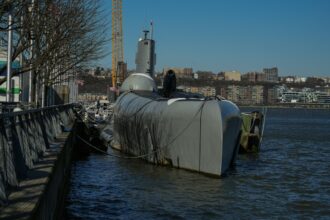
The chilling expanse of the Barents Sea, a theater of Cold War anxieties, played host to a terrifying near-disaster on February 11, 1996. The Soviet Project 941 Akula-class ballistic missile submarine K-22 Voge (originally named Arkhangelsk) was engaged in a routine exercise when it collided with the U.S. Navy Los Angeles-class submarine USS Baton Rouge. This incident, shrouded in secrecy for years, offered a stark reminder of the inherent dangers of operating nuclear-powered submarines in close proximity, especially during a period of heightened military tension. The collision, though ultimately not resulting in catastrophic loss of life or nuclear contamination, had significant implications for naval procedures, international relations, and the very understanding of submarine warfare.
The Silent Predators: Submarine Operations in the Cold War Arctic
The Arctic Ocean, particularly the Barents Sea, was a critical strategic region during the Cold War. Its icy waters served as a vital transit route for Soviet submarines and a hunting ground for NATO forces seeking to track and counter them. Both sides invested heavily in advanced submarine technology, creating fleets of silent, deadly vessels designed to project power and deter aggression. The Akula-class submarines, also known as Typhoon-class by NATO, were the largest submarines ever built, designed to carry a devastating payload of nuclear ballistic missiles. Their sheer size and technological sophistication made them formidable assets for the Soviet Union.
The Strategic Importance of the Barents Sea
The Barents Sea’s strategic importance stemmed from its proximity to Soviet naval bases, particularly those on the Kola Peninsula, which housed a significant portion of the Soviet Northern Fleet. From these bases, submarines could quickly reach the open Atlantic, posing a direct threat to North American and European naval forces. For NATO, maintaining a constant surveillance of these submarine movements was paramount to ensuring the security of the alliance. This led to a perpetual cat-and-mouse game, with submarines from both sides operating in close proximity, often in challenging environmental conditions, to gather intelligence and maintain a tactical advantage.
The Dance of Shadows: Submarine Evasion and Detection
Submarine operations are inherently clandestine. The “silent service,” as submarines are often called, relies on advanced sonar systems, sophisticated electronic warfare capabilities, and rigorous training to operate undetected. Submarines would employ a variety of tactics to evade detection, including operating at extreme depths, utilizing natural oceanographic features to mask their signatures, and employing decoys. Conversely, the opposing force would dedicate substantial resources to developing and deploying anti-submarine warfare (ASW) capabilities, including sonar arrays, maritime patrol aircraft, and other submarines tasked with hunting their counterparts. The Barents Sea, with its complex underwater topography and often noisy surface conditions, provided a challenging but crucial environment for this ongoing battle of wits and technology.
The collision of the Soviet submarine K-22 with the Voge is a significant event in naval history, highlighting the complexities and dangers of underwater operations during the Cold War. For a deeper understanding of this incident and its implications, you can read a related article that explores the broader context of submarine warfare during that era. This insightful piece can be found at this link.
The Incident Unfolds: A Night of Miscalculation
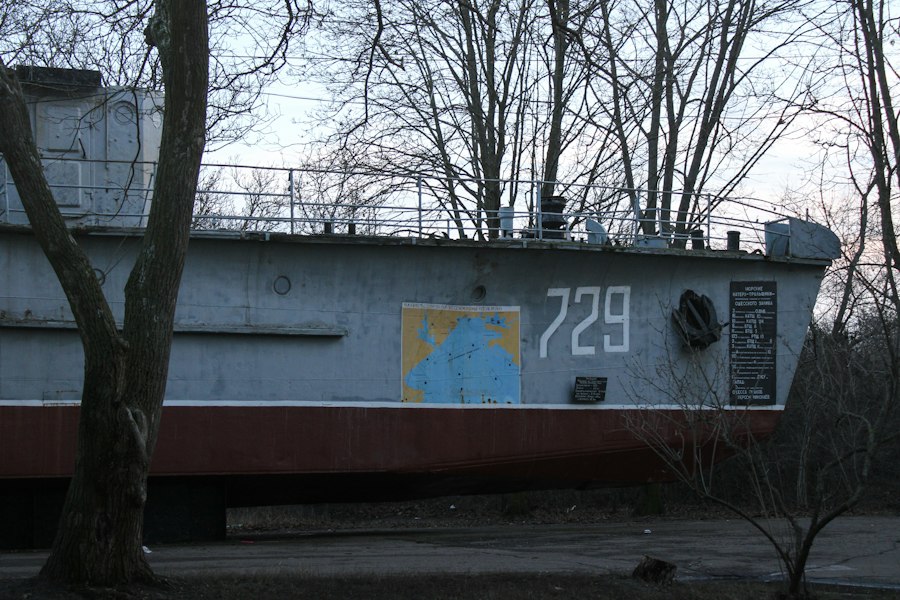
On the night of February 11, 1996, the K-22 Voge, under the command of Captain First Rank Igor Ivanovich Bezler, was conducting training exercises in international waters of the Barents Sea. Simultaneously, the USS Baton Rouge, a Los Angeles-class attack submarine commanded by Captain John M. Scott, was also operating in the area, likely engaged in intelligence gathering or routine patrol. The precise details of how the two submarines came into such close proximity remain a subject of some speculation, but the convergence of their operational areas in challenging visibility conditions proved to be a critical factor.
Navigational Challenges and Environmental Factors
The Barents Sea in February presents a formidable operational environment. Days are short, and visibility can be severely limited by fog, snow, and rough seas. The underwater environment itself adds complexity, with variations in water temperature and salinity creating “thermoclines” and other layers that can distort sonar signals, making detection and ranging more difficult. Submarine crews rely heavily on sonar for navigation and awareness of their surroundings. However, even the most advanced sonar systems have limitations, particularly in cluttered acoustic environments or when operating against submarines employing sophisticated noise reduction techniques. The combination of darkness, limited visibility, and potentially confusing sonar returns likely contributed to the misjudgment that led to the collision.
The Moment of Impact
The collision itself was reportedly a glancing blow, a testament to the robust construction of both submarines. The K-22 Voge reportedly suffered damage to its stern, while the USS Baton Rouge sustained damage to its sail. Accounts from both sides indicate that the impact was significant enough to be immediately apparent to the crews. The sudden jolt and the sounds of scraping metal would have sent shockwaves through the vessels, instantly raising concerns about the integrity of the hulls and the safety of the crews. The immediate aftermath would have been a tense period of damage assessment and ensuring the safety of the submarines.
Immediate Aftermath and Covert Response
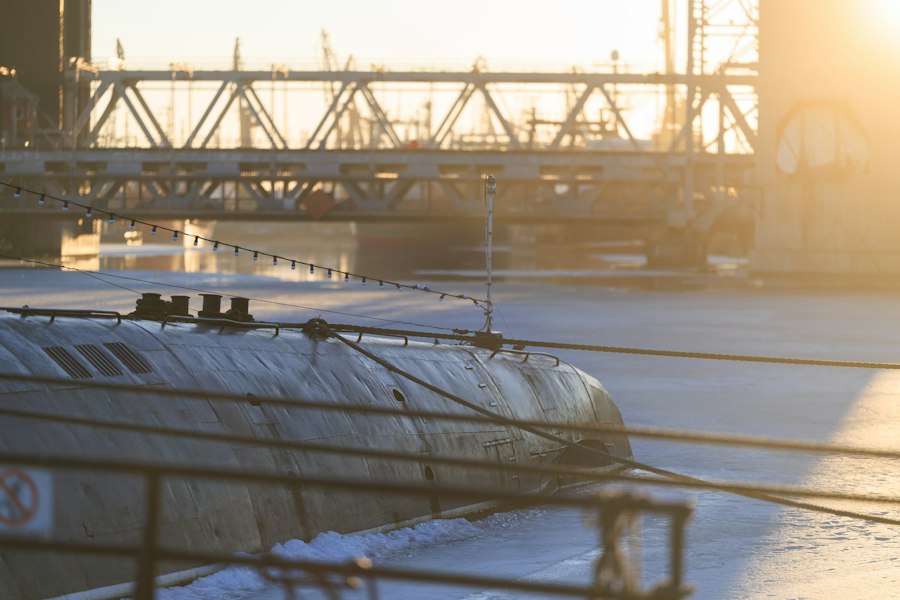
In the immediate aftermath of the collision, both submarines were faced with a critical situation. The priority was to assess the damage, ensure the safety of the crew, and prevent any escalation of the incident. Given the Cold War context, secrecy was paramount for both navies. Any public acknowledgment of such an event could have been politically explosive, potentially leading to accusations of aggression or negligence. Therefore, both vessels operated under strict protocols to manage the situation discreetly.
Damage Assessment and Safety Protocols
Following the collision, crews on both the K-22 Voge and USS Baton Rouge would have initiated emergency procedures. This would have involved a thorough inspection of the affected areas to determine the extent of the damage. For submarines, hull integrity is paramount, and any breach could have catastrophic consequences, especially at depth. Damage control teams would have been mobilized to address any leaks or structural weaknesses. The presence of nuclear reactors on both vessels would have added another layer of urgency, with strict protocols in place to ensure the safety of the reactor systems and prevent any radiation leaks.
The Silence of Diplomacy: Initial Information Control
The information surrounding the collision was, and for a considerable time remained, highly classified. Both the Soviet and U.S. navies understood the geopolitical implications of such an incident. Any public disclosure could have been interpreted as an act of aggression or, at the very least, a major operational failure. Therefore, immediate steps were taken to control the flow of information. Communications would have been limited to essential personnel, and any external inquiries would have been met with silence or carefully crafted evasive responses. The lack of immediate public information fueled speculation and debate for years.
The Unveiling of Truth: Post-Incident Revelations and Analysis
For years, the incident remained largely in the realm of speculation and rumor. It was not until the late 1990s and early 2000s, with the thawing of Cold War tensions and the declassification of some archival material, that more details began to emerge. Investigations conducted by both navies, along with anecdotal accounts from individuals involved, gradually pieced together the narrative of the collision. The analysis of the incident provided valuable insights into the challenges of submarine operations and the importance of clear communication and robust protocols.
Navigational Errors and Human Factors
Subsequent analysis of the incident pointed towards a confluence of factors that led to the collision. While technological advancements in sonar and navigation were significant, human error and misjudgment played a crucial role. The complex and often unpredictable acoustic environment of the Barents Sea, coupled with the inherent pressures of operating in a high-stakes military environment, likely contributed to the navigational errors. The pressure to maintain a tactical advantage or to remain undetected could have led to decision-making that, in hindsight, proved to be risky. Understanding these human factors became a critical lesson for future submarine operations.
Lessons Learned and Evolving Naval Doctrines
The collision of the K-22 Voge and USS Baton Rouge served as a stark reminder of the inherent dangers of submarine warfare. The incident prompted both navies to review and refine their operational procedures and safety protocols. This included enhanced training for submarine crews, improvements in communication systems, and a greater emphasis on risk assessment in challenging environments. The concept of “deconfliction” – the process of coordinating submarine operations in shared areas to prevent accidental encounters – gained greater importance. The lessons learned from this near-disaster contributed to a gradual evolution of naval doctrines aimed at enhancing safety and minimizing the risk of such incidents in the future.
The collision of the Soviet submarine K-22 with the Voge highlights the complexities and dangers of naval operations during the Cold War era. This incident not only underscores the challenges faced by submarines in crowded waters but also reflects the broader geopolitical tensions of the time. For a deeper understanding of the implications of such naval encounters, you can explore a related article that discusses the strategic significance of submarine warfare during this period. To read more, visit this insightful article.
The Lasting Impact: Geopolitical Repercussions and Operational Scrutiny
| Metric | Details |
|---|---|
| Submarine Name | K-22 |
| Submarine Class | November-class (Project 627) |
| Incident Type | Collision |
| Date of Collision | 1962 |
| Collision Partner | USS Voge (DE-1047) |
| Location | North Atlantic Ocean |
| Damage to K-22 | Minor hull damage, no casualties |
| Damage to USS Voge | Minor damage to sonar dome |
| Casualties | None reported |
| Outcome | Both vessels returned to port for inspection and repairs |
The collision, though not leading to the catastrophic outcomes that could have occurred, had a tangible impact on the geopolitical landscape and subjected submarine operations to intense scrutiny. The incident underscored the fragility of peace during the Cold War and highlighted the potential for unintended escalation even in the absence of direct hostile intent. The very existence of such a close call served as a sobering reminder for both superpowers.
A Symbol of Cold War Tensions and Near Misses
The K-22 Voge and USS Baton Rouge collision became a symbol of the many near misses that occurred during the Cold War. While often unacknowledged publicly, numerous incidents of close encounters between opposing naval forces took place, fueled by the constant surveillance and strategic posturing. This particular collision, with its involvement of two of the most advanced submarines of the era, resonated deeply within naval circles and offered a tangible example of the risks inherent in the constant, silent standoff. It served as a wake-up call, reminding military strategists and policymakers of the ever-present danger of miscalculation.
International Cooperation and Transparency in Naval Operations
In the years following the collapse of the Soviet Union, there has been a gradual increase in transparency and cooperation between former adversaries in
A Soviet Submarine Hit a U.S. Frigate. Was It the Wrong Ship?
FAQs
What was the Soviet submarine K-22 Voge?
The Soviet submarine K-22 Voge was a Project 651 (NATO reporting name: Juliett-class) submarine of the Soviet Navy. It was a nuclear-powered cruise missile submarine.
When did the collision involving the Soviet submarine K-22 Voge occur?
The collision involving the Soviet submarine K-22 Voge occurred on February 20, 1974.
What was the submarine K-22 Voge’s mission at the time of the collision?
At the time of the collision, the submarine K-22 Voge was on a training exercise in the Barents Sea.
What was the other vessel involved in the collision with the Soviet submarine K-22 Voge?
The other vessel involved in the collision with the Soviet submarine K-22 Voge was the USS Enterprise, a United States Navy aircraft carrier.
What were the consequences of the collision for the Soviet submarine K-22 Voge?
As a result of the collision, the Soviet submarine K-22 Voge suffered damage to its bow, but there were no casualties reported on board the submarine. The submarine was able to return to its base for repairs.