The Silent Duel Beneath the Waves
The Cold War was a period of intense geopolitical rivalry between the United States and the Soviet Union, a conflict fought not only through proxy wars and ideological struggles but also in the shadowy depths of the world’s oceans. Submarine warfare was a critical component of this struggle, with each superpower constantly probing the other’s defenses and testing the limits of international law and naval protocol. While often characterized by close calls and near-misses, there were moments when the tension escalated to direct, albeit often unacknowledged, confrontation. One such incident, shrouded in the secrecy inherent to naval operations during that era, involved a Soviet submarine damaging a US warship, a stark reminder of the ever-present danger of escalation lurking beneath the waves. This event, occurring in the late 1970s, serves as a potent case study of the strategic posturing, the technological cat-and-mouse game, and the profound risks that defined the Cold War naval landscape.
In a fascinating exploration of naval history, an article discusses the incident involving a Soviet submarine that damaged a US warship during the Cold War, highlighting the tense military dynamics of the era. For more insights into this intriguing event and its implications on international relations, you can read the full article here: Soviet Submarine and US Warship Incident.
The Strategic Arena: The Northern Atlantic
The Northern Atlantic Ocean served as a crucial theater of operations for both the United States and the Soviet Union throughout the Cold War. Its strategic importance stemmed from several factors, primarily the vital sea lanes that connected North America to Europe, a lifeline for the North Atlantic Treaty Organization (NATO). For the Soviet Union, particularly its Northern Fleet based in Murmansk, control or disruption of these lanes was a key objective in any potential conflict. Conversely, the US Navy was tasked with ensuring the freedom of navigation and the rapid deployment of forces to Europe. This made the Northern Atlantic a constant arena for naval exercises, intelligence gathering, and, inevitably, encounters between opposing naval assets.
The Unseen Patrols
Both superpowers maintained a constant, often clandestine, presence of submarines in the Northern Atlantic. These patrols were multifaceted, serving purposes ranging from strategic deterrence, where ballistic missile submarines remained on constant alert, to intelligence gathering on enemy fleet movements, technological capabilities, and operational patterns. The Soviet Union’s increasing submarine capabilities, particularly their growing fleet of nuclear-powered attack submarines, posed a significant threat to US naval dominance and the security of its allies. American submarines, in turn, were tasked with tracking and, if necessary, neutralizing these Soviet threats.
The Silent Hunter’s Mission
The specific mission of the Soviet submarine involved in this incident, like many of its counterparts, was likely one of intelligence gathering and surveillance. Soviet submarines were adept at operating close to NATO naval groups, attempting to gather tactical data on sonar signatures, weapon systems, and operational procedures. These “Barents Sea dashes” and patrols in the Norwegian Sea were designed to keep the Soviets informed about the state of readiness and the disposition of Western naval forces. The proximity and stealth required for such missions inherently created a high-risk environment.
The Encounter: A Close Call Becomes a Collision
The precise details of the incident remain classified, a common characteristic
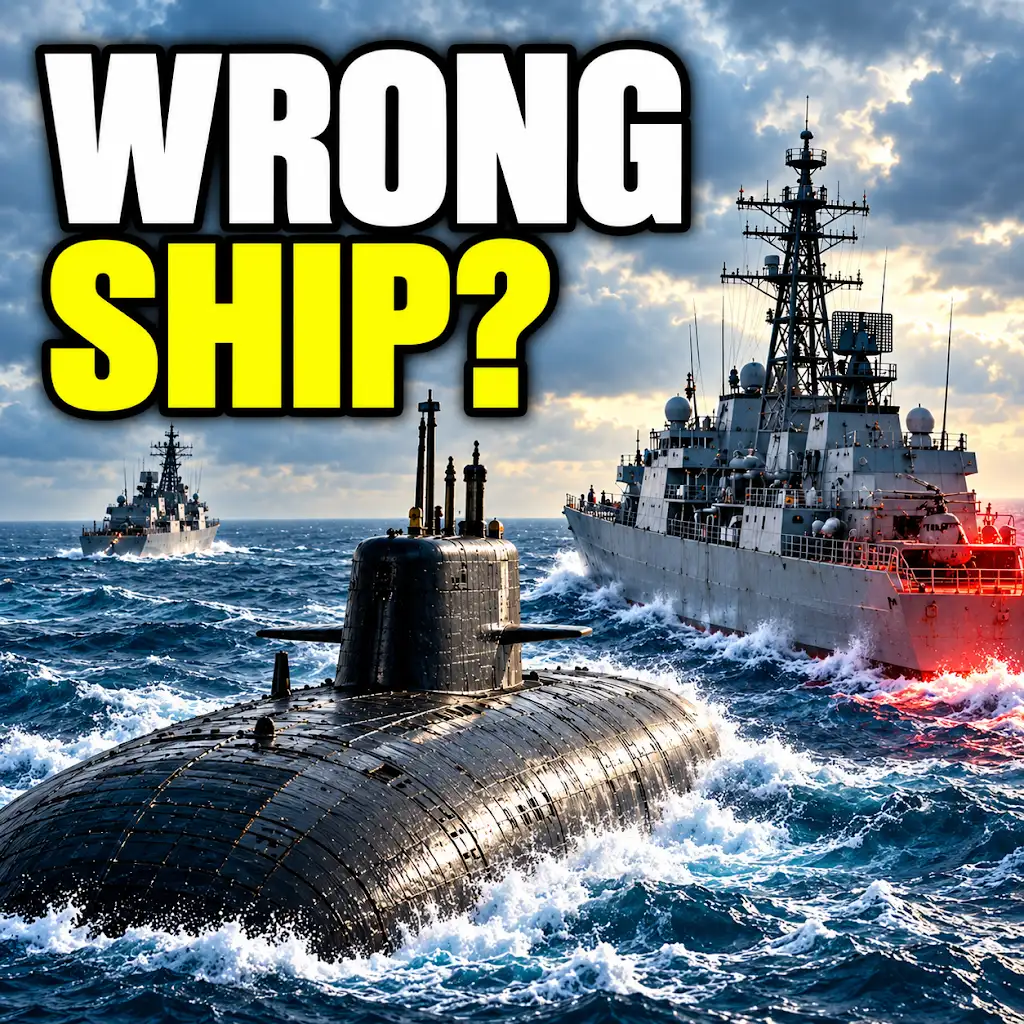
A Soviet Submarine Hit a U.S. Frigate. Was It the Wrong Ship?
FAQs
1. How did the Soviet submarine damage the US warship?
The Soviet submarine collided with the US warship, causing significant damage to both vessels. The incident occurred during a routine military exercise in international waters.
2. Were there any casualties as a result of the collision?
Fortunately, there were no casualties reported from the collision between the Soviet submarine and the US warship. However, both vessels sustained damage that required repairs.
3. What was the response from the US government following the incident?
The US government expressed concern over the incident and demanded an explanation from the Soviet authorities. Diplomatic discussions were held to address the situation and prevent similar incidents in the future.
4. Did the collision impact diplomatic relations between the US and the Soviet Union?
While the collision caused tensions between the US and the Soviet Union, diplomatic efforts were made to de-escalate the situation. Both countries worked towards resolving the issue through communication and cooperation.
5. Has there been any follow-up investigation into the incident?
Following the collision, both the US and the Soviet Union conducted separate investigations to determine the cause of the incident and prevent similar accidents in the future. The findings of these investigations were shared between the two countries.