

The Perilous Depths: Unpacking the Soviet Submarine Collision
The Cold War, a period of simmering tension and clandestine maneuvers, frequently played out in the silent, unforgiving depths of the world’s oceans. Submarines, the stealthy instruments of naval power, engaged in a perpetual game of cat and mouse, pushing the boundaries of technology and human endurance. Within this high-stakes environment, collisions, though rare, were a terrifying reality, a stark reminder of the immense risks involved. One such incident, shrouded in the typical secrecy of the era, involved Soviet submarines, a testament to the unforgiving nature of underwater warfare and the potential for catastrophic error. Unveiling the causes and consequences of these collisions offers a critical glimpse into the operational realities, technological limitations, and the sheer human drama that unfolded beneath the waves.
The mysterious collision of Soviet submarines during the Cold War has been a topic of intrigue and speculation for decades. For a deeper understanding of the geopolitical tensions and the technological aspects surrounding these underwater encounters, you can read a related article that delves into the intricacies of submarine warfare and its historical implications. To explore this fascinating subject further, visit this article.
Echoes of Incident: Tracing the Circumstances

The intricacies of Soviet military operations, particularly those involving their submarine fleet, were meticulously guarded secrets during the Cold War. Consequently, specific details surrounding any given collision often remain elusive, pieced together from fragmented intelligence, declassified documents, and sometimes, accounts from individuals involved. However, a general understanding of the operational context and common factors can illuminate the pathways to such unfortunate events.
The Shadowy Dance of Patrols
Soviet submarines operated on various missions, from strategic deterrence and intelligence gathering to reconnaissance and anti-ship operations. These patrols were often conducted in contested waters, close to NATO naval forces, or in areas of strategic importance. This proximity, while necessary for fulfilling their objectives, inherently increased the risk of encounters. The constant presence of both Soviet and Western submarines in the same operational areas, sometimes unaware of each other’s precise location, created a volatile environment where near misses were frequent. The pursuit of stealth meant that submarines often operated with minimal active sonar usage, relying heavily on passive sonar and careful monitoring of ambient noise. This reliance, while crucial for remaining undetected, also meant that a sudden or unexpected maneuver by another vessel could lead to a perilous situation.
Navigational Challenges and Environmental Factors
The underwater environment itself presented a formidable array of challenges. Sonar systems, while advanced for their time, were not infallible. Factors such as thermoclines (layers of water with different temperatures that can refract sonar signals, creating “dead zones”), underwater mountains, and the sheer density of the ocean could all interfere with detection. Moreover, during prolonged patrols, submarines would navigate vast stretches of ocean, often in darkness or limited visibility. Reliance on accurate charts, inertial navigation systems, and celestial navigation (when surfaced) was paramount. Any degradation in the accuracy of these systems, or unexpected geological formations not present on charts, could lead to deviations from planned courses. Adverse weather conditions on the surface could also impact operations, making surfacing for navigational fixes more dangerous and potentially forcing submarines to operate in less-than-ideal conditions.
Human Error and Operational Pressures
The human element was, and remains, a critical factor in any complex operation. Submarine crews operated under immense pressure, often for extended periods, in confined spaces, and with limited communication with the outside world. Fatigue, stress, and the inherent psychological toll of constant vigilance could contribute to errors in judgment or situational awareness. The Soviet military culture, with its emphasis on strict discipline and adherence to orders, might have also played a role. While designed to ensure operational effectiveness, it could, in some instances, stifle independent initiative or lead to reluctance in reporting potential issues, especially if perceived as minor. The “top-down” command structure, while efficient in certain aspects, could also mean that critical information might not always flow seamlessly between different levels of command or departments within the submarine.
Critical Moments: The Mechanics of Collision
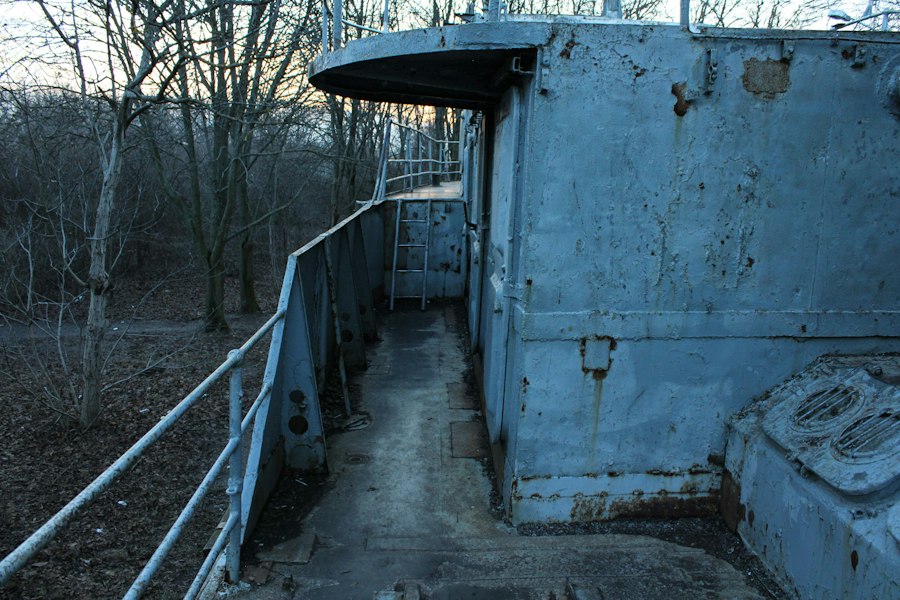
When two submerged vessels, each a behemoth of steel and complex machinery, collide, the forces involved are immense and the consequences dire. The precise mechanics of a submarine collision are a study in physics and engineering under extreme duress.
The Unseen Approach: Sonar Limitations and Acoustic Signatures
The primary means of detecting other submarines underwater is through sonar. Active sonar emits sound pulses and analyzes the returning echoes, providing information on range, bearing, and relative speed. However, its use can reveal the user’s own position, making passive sonar, which simply listens for sounds generated by other vessels, the preferred method for stealth operations. Passive sonar provides acoustic signatures – the characteristic sounds produced by a submarine’s machinery, propeller, and hull. These signatures can be incredibly subtle and difficult to interpret, especially in noisy ocean environments or when dealing with advanced Soviet submarines designed for low noise emissions. Even the most skilled sonar operators could be misled by false positives, misinterpretations of ambient noise, or by the very nature of how sound travels and distorts underwater. The “doppler shift” – the change in frequency of a sound wave as the source and observer move relative to each other – is a key indicator of relative motion, but its accurate assessment requires sophisticated processing and often, a clear signal.
The mysterious circumstances surrounding the Soviet submarine collision have intrigued historians and military enthusiasts alike. For those looking to delve deeper into the complexities of naval warfare during the Cold War, a related article offers valuable insights into the strategic implications of such incidents. You can explore this further by reading the article on naval strategies that shaped the era. Understanding these events helps to paint a clearer picture of the tensions that defined international relations during that time.
The Peril of Maneuvering: Reactive vs. Proactive Navigation
Collisions typically occur when one or both submarines are maneuvering. This could be an evasive maneuver to avoid detection or a planned change in course to intercept a target or proceed to a new patrol area. The latency in sonar detection and communication within the submarine itself meant that by the time a potential threat was identified, the time available to react might be exceedingly short. In such scenarios, reactive maneuvers are often employed. The instinct is to turn away, but if the other vessel is also turning, or if the reaction is not precise enough, the vessels can converge. Proactive navigation, where submarines maintain a clear separation based on predicted movements, is the ideal, but this relies on accurate tracking and prediction, which, as discussed, can be compromised. The sheer size of modern submarines also means that they have a significant turning radius, making sharp, immediate avoidance maneuvers challenging.
The Impact and Immediate Aftermath: A Symphony of Destruction
The impact of a submarine collision is catastrophic. The immense kinetic energy involved, coupled with the brittle nature of hardened steel under such stress, leads to severe structural damage. The outer hull, designed to withstand immense pressure, can be breached, leading to rapid flooding. The inner pressure hull, crucial for maintaining habitability, can be compromised, leading to a swift and inescapable loss of life. The sounds of such an impact would be deafening, a terrifying cacophony of grinding metal, tearing hull plates, and the sudden ingress of water. The immediate aftermath would be a struggle for survival against overwhelming forces. Flood control systems, if not overwhelmed, would be engaged, but the scale of the damage often renders such efforts futile. The loss of power and communications would further isolate the crippled vessel, leaving it at the mercy of the sea.
Unraveling the Causes: A Multifaceted Analysis
While specific incidents might remain officially undisclosed, broader analysis of Soviet submarine operations and general maritime accident factors points to a confluence of issues that contributed to such catastrophic events.
Technological Deficiencies and Operational Doctrine
Despite the impressive capabilities of the Soviet submarine fleet, there were inherent limitations. Early sonar systems, while undergoing continuous development, could lag behind those of their Western counterparts in certain areas, particularly in signal processing and noise reduction. The emphasis on mass production and fleet size may have, at times, superseded the refinement of individual technological components. Furthermore, Soviet operational doctrine often prioritized aggressive tactics and maintaining operational tempo. While this fostered a potent deterrent, it could also lead to crews being pushed to take calculated risks, increasing the probability of close encounters. The training regimens, while rigorous, might have also placed a strong emphasis on rote procedures rather than adaptive, real-time problem-solving in unexpected scenarios.
Intelligence Gaps and the Fog of War
The nature of Cold War intelligence gathering meant that neither side possessed perfect situational awareness of the other’s movements. Soviet submarines operated in areas where NATO forces were also active, leading to a complex and often unpredictable environment. Misinformation, intelligence failures, or simply the inability to track every vessel in a vast ocean could create blind spots. The “fog of war,” the inherent uncertainty and confusion in combat or high-tension operational environments, plays a significant role. Decisions are made with incomplete information, and the consequences of misjudgment can be severe. The sheer number of submarines operating in proximity during exercises or patrol periods amplified this uncertainty.
Environmental Anomalies and Unforeseen Circumstances
As mentioned earlier, the ocean is a dynamic and often deceptive environment. Uncharted seamounts, sudden shifts in thermoclines, or unusual underwater currents could all contribute to navigational errors or sonar misinterpretations. A submarine might deviate from its intended course due to such an anomaly, unexpectedly entering the path of another vessel. In some cases, the presence of ice floes or other surface obstructions could force submarines to operate at shallower depths or alter their planned routes, further increasing the potential for surface or near-surface encounters
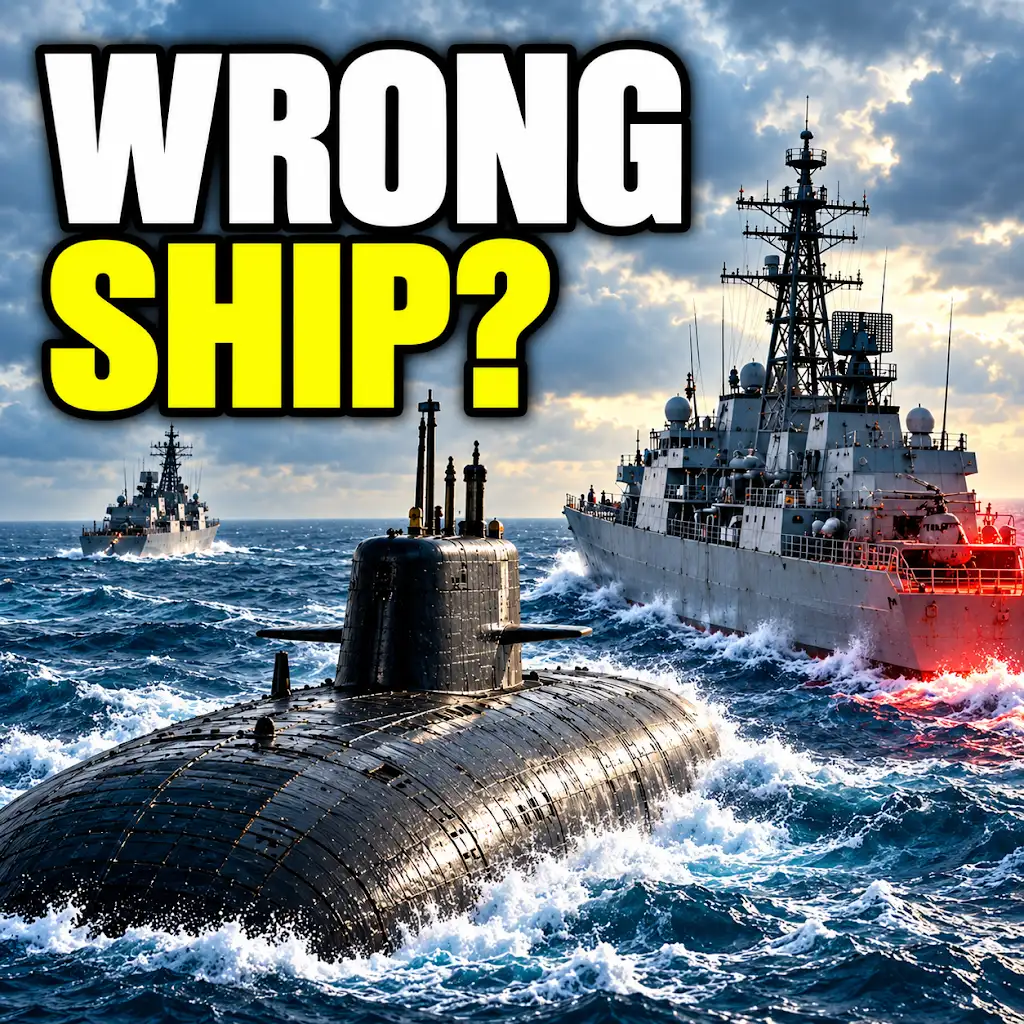
A Soviet Submarine Hit a U.S. Frigate. Was It the Wrong Ship?
FAQs
What caused the Soviet submarine collision?
The collision was caused by a combination of factors, including poor communication between the submarines, lack of proper navigation equipment, and human error.
How many submarines were involved in the collision?
Two Soviet submarines were involved in the collision: the K-219 and the USS Augusta.
Were there any casualties as a result of the submarine collision?
Fortunately, there were no casualties as a result of the submarine collision. However, both submarines sustained significant damage.
What were the consequences of the Soviet submarine collision?
The collision led to a diplomatic incident between the United States and the Soviet Union, as well as heightened tensions during the Cold War era.
How did the Soviet Union respond to the submarine collision?
The Soviet Union initially denied that the collision had occurred, but later acknowledged the incident and conducted an investigation to determine the causes and prevent future accidents.


