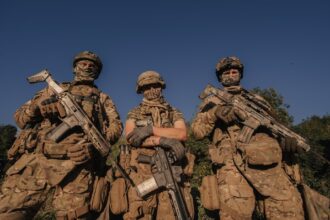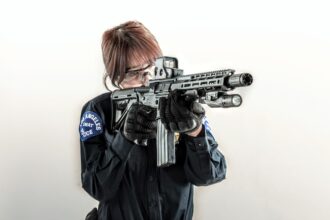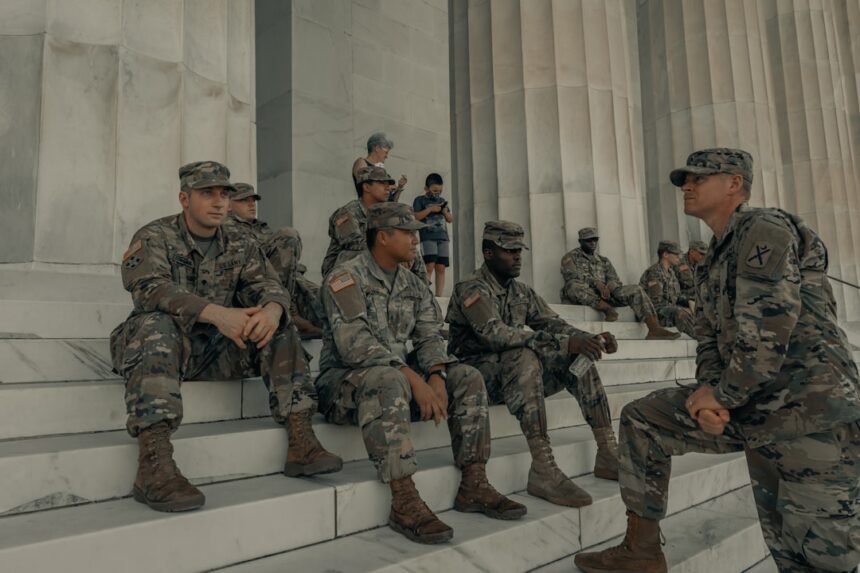
The intricate tapestry of modern conflict and security operations is increasingly woven with the threads of private military contractors (PMCs). Far from the shadowy mercenaries of fiction, these organizations operate in a complex, often contentious, yet undeniably vital role, providing specialized military services to governments and private companies worldwide. Their work spans the spectrum from ensuring the safety of personnel and assets in volatile regions to imparting critical skills to nascent security forces and managing the intricate logistics that underpin military endeavors. Understanding the multifaceted role of PMCs requires a deep dive into their historical evolution, the diverse range of services they offer, the legal and ethical considerations surrounding their deployment, and their impact on both conventional military structures and global security landscapes.
The concept of private military actors is not new. Historically, mercenary forces have been a constant feature of warfare, from ancient city-states employing foreign fighters to the condottieri of Renaissance Italy. However, the modern iteration of PMCs emerged in the latter half of the 20th century, gaining significant traction in the post-Cold War era. The decline of superpower rivalries and the proliferation of regional conflicts created a demand for specialized security services that national militaries, often stretched thin or undergoing restructuring, struggled to meet.
Early Precursors and the Rise of Modern PMCs
The roots of modern PMCs can be traced to the dismemberment of former colonial armies and the subsequent demand for security in newly independent nations. Companies began to offer training and advisory services, often to police forces or national guards. The late 20th century saw a more formalized emergence of these entities, driven by factors such as the increasing complexity of warfare, the outsourcing of non-core military functions by national governments, and the growing availability of experienced military personnel seeking post-service employment.
The Impact of the Cold War’s End
The dissolution of the Soviet Union and the subsequent reduction in standing armies across many Western nations led to a significant pool of highly skilled and experienced military professionals. This demographic shift, coupled with a growing reluctance in some Western nations to commit their own troops to prolonged or high-risk deployments, created fertile ground for the expansion of the private military industry. Governments began to recognize the cost-effectiveness and flexibility that PMCs could offer in certain scenarios.
The Gulf Wars and the Public Debut of PMCs
The Persian Gulf Wars, particularly the 1990-1991 conflict, marked a turning point in the public perception and utilization of PMCs. While their presence was notable, the scale and scope of their involvement in subsequent conflicts, such as the interventions in Afghanistan and Iraq, brought them to the forefront of international attention. These deployments showcased the diverse capabilities of PMCs, ranging from providing basic security for logistical convoys to conducting high-risk protective services for diplomats and government officials.
Diversification and Specialization in the 21st Century
As the PMC industry matured, it witnessed a significant diversification and specialization of its services. Initially focused primarily on security, companies began to offer a broader array of capabilities, mirroring the complex demands of modern military operations. This evolution has transformed PMCs from mere security providers into integral components of the broader security apparatus for both state and non-state actors.
The Spectrum of Services Offered
The range of services offered by PMCs is remarkably broad and continues to expand. These services can be broadly categorized, though significant overlap exists. At their core, PMCs provide highly specialized military services, tailored to the specific needs of their clients.
Security Operations: Beyond Basic Guard Duty
While often perceived as simply providing armed guards, PMC security operations are far more sophisticated. This includes:
- Force Protection: Protecting military bases, civilian infrastructure, and high-value personnel from attack, sabotage, and terrorism. This often involves establishing perimeters, conducting patrols, intelligence gathering, and rapid response capabilities.
- Convoy Security: Ensuring the safe passage of supply convoys and personnel through dangerous territories. This requires skilled drivers, tactical awareness, and the ability to react to ambushes and improvised explosive devices (IEDs).
- Personal Security Details (PSDs): Providing close protection for VIPs, diplomats, aid workers, and corporate executives operating in high-risk environments. PSD operators are highly trained in defensive tactics, threat assessment, and evasion techniques.
- Facility Security: Securing government facilities, embassies, and critical infrastructure, often involving access control, surveillance, and emergency response planning.
Training and Capacity Building: Empowering Local Forces
A significant and increasingly important role of PMCs is in training and capacity building. This involves transferring skills and knowledge to local security forces, enabling them to eventually take over their own security responsibilities.
- Military and Police Training: Providing instruction in areas such as small arms proficiency, tactical maneuvering, intelligence gathering, counter-insurgency tactics, and rule of law. This is crucial for building effective and accountable national security forces.
- Specialized Skill Development: Offering training in niche areas like cybersecurity, explosive ordnance disposal (EOD), aviation security, and maritime security.
- Curriculum Development: Designing and implementing training programs tailored to the specific needs and operating environments of client nations.
Logistics and Support: The Unsung Heroes of Operations
The logistical backbone of any military operation is crucial for its success. PMCs play a vital role in ensuring that supplies, equipment, and personnel reach their destinations efficiently and effectively.
- Supply Chain Management: Managing the procurement, transportation, and delivery of essential goods, from food and fuel to ammunition and spare parts. This involves complex coordination across vast distances and often in challenging conditions.
- Maintenance and Repair: Providing technical expertise for the maintenance and repair of military vehicles, aircraft, and other equipment, ensuring operational readiness.
- Base Operations Support: Managing day-to-day operations on military bases, including catering, waste management, fuel supply, and general infrastructure maintenance.
- Transportation Services: Providing specialized transportation solutions, including air, land, and sea, for personnel and equipment, often in high-threat environments.
Intelligence and Advisory Services: Strategic Support
Beyond the tangible, PMCs also offer critical intelligence and advisory services, providing valuable insights and strategic guidance to their clients.
- Intelligence Gathering and Analysis: Collecting and analyzing information from various sources to provide actionable intelligence on threats, operational environments, and adversary capabilities.
- Operational Planning and Support: Assisting in the planning and execution of military operations, offering strategic advice and operational expertise.
- Risk Assessment and Mitigation: Evaluating potential risks associated with specific operations or deployments and developing strategies to mitigate them.
Private military contractors (PMCs) play a significant role in modern warfare, often providing specialized services that range from security to logistics and training. Their operations can be complex and controversial, raising questions about accountability and the ethical implications of outsourcing military functions. For a deeper understanding of how PMCs operate and their impact on global conflicts, you can read a related article at In the War Room, which explores the dynamics and challenges faced by these contractors in various operational theaters.
The Regulatory and Legal Landscape: Navigating a Complex Terrain
The operations of PMCs are inherently complex, existing in a legal and regulatory vacuum that has been slow to catch up with the industry’s rapid growth. This lack of comprehensive oversight has led to significant challenges in accountability, transparency, and the consistent application of international humanitarian law.
The Absence of a Universal Legal Framework
Unlike national militaries, PMCs do not operate under a single, globally recognized legal framework. This absence creates a patchwork of national laws, international agreements, and contractual obligations, often leading to ambiguity and differing standards of conduct.
National Legislation and Regulation
Many countries have enacted legislation to govern the activities of PMCs operating within their borders or by their nationals. However, the scope and effectiveness of these regulations vary widely. Some nations have robust licensing and oversight mechanisms, while others have minimal or no specific legal provisions.
International Law and its Application
The applicability of international humanitarian law (IHL), also known as the laws of armed conflict, to PMCs is a subject of ongoing debate. While combatants in an armed conflict are generally bound by IHL, the legal status of PMC personnel – whether they are considered combatants, civilians performing a direct part in hostilities, or some other category – can be contentious.
The Geneva Conventions and Additional Protocols
The Geneva Conventions of 1949 and their Additional Protocols are central to IHL. While they primarily address state armed forces and certain categories of persons, their principles of humanitarian treatment and the prohibition of certain acts apply broadly during armed conflict. The challenge lies in determining how these principles are enforced when private actors are involved.
The Montreux Document
The Montreux Document, adopted in 2008, represents an effort by states to clarify the obligations and responsibilities of states and private military and security companies in armed conflict. While not a legally binding treaty, it provides a set of best practices and principles for the regulation of PMCs, aiming to enhance accountability and promote adherence to IHL.
Accountability and Oversight Challenges
One of the most significant criticisms leveled against PMCs concerns accountability for alleged misconduct. The complex contractual relationships and the multi-jurisdictional nature of their operations can make it difficult to identify responsible parties and ensure due process.
Jurisdictional Issues and Prosecuting Misconduct
Determining which jurisdiction has the authority to investigate and prosecute alleged crimes committed by PMC personnel can be a formidable challenge. If an incident occurs in a country with weak legal institutions or if the individuals involved are citizens of multiple nations, achieving justice can be an arduous and often unsuccessful endeavor.
Contractual vs. Criminal Liability
PMCs are primarily governed by their contracts with clients. While contracts can stipulate penalties for breaches of conduct, these are typically contractual liabilities, not criminal ones. This can create a situation where individuals who commit serious offenses are subject to company disciplinary action rather than criminal prosecution.
The Role of the United Nations and Non-Governmental Organizations
The United Nations and various non-governmental organizations (NGOs) have played an increasingly active role in advocating for greater transparency and accountability in the PMC industry. They conduct research, publish reports, and engage with governments and industry stakeholders to promote responsible practices and the adherence to international standards.
Ethical Considerations and Controversies Surrounding PMCs

The involvement of PMCs in conflict zones is often accompanied by intense ethical debate and significant controversy. Concerns range from the potential for a “privatization of war” to the impact on the civilian population and the erosion of state monopoly on the legitimate use of force.
Private military contractors play a significant role in modern conflict zones, often providing essential services ranging from security to logistics. Their operations can sometimes blur the lines between military and civilian roles, raising questions about accountability and oversight. For a deeper understanding of how these contractors function and the implications of their involvement in warfare, you can read a related article that explores these dynamics in detail. This insightful piece can be found here.
The “Privatization of War” Debate
A recurring concern is the extent to which the reliance on PMCs contributes to the “privatization of war,” where essential security functions are delegated to non-state actors driven by profit motives. Critics argue that this can undermine democratic oversight and accountability for military actions.
Profit Motives vs. National Interest
The inherent profit-driven nature of PMC operations raises questions about whether their decisions are always aligned with the national interests of the states they serve. There is a potential for conflicts of interest, where companies might prioritize lucrative contracts over strategic objectives or ethical considerations.
The Erosion of State Monopoly on Violence
Historically, the state has held a near-monopoly on the legitimate use of force. The widespread deployment of armed private actors can be seen as a challenge to this fundamental principle, raising questions about sovereignty and the ultimate authority in conflict zones.
Impact on Civilian Populations and Human Rights
The actions of PMCs can have profound implications for civilian populations, particularly in post-conflict or unstable environments. Allegations of human rights abuses and excessive force have plagued the industry.
Allegations of Misconduct and Abuse
Numerous reports and investigations have documented instances of alleged misconduct by PMC personnel, including excessive force, indiscriminate firing, and even participation in torture and extrajudicial killings. The infamous Nisour Square massacre in Baghdad, where contractors from Blackwater USA opened fire on unarmed civilians, remains a stark example.
The Challenge of Maintaining Standards of Conduct
Ensuring that PMC personnel adhere to the same strict standards of conduct and discipline as national soldiers is a significant challenge. The selection, training, and oversight processes can vary greatly between companies, leading to inconsistencies in behavior and a higher risk of violations of human rights.
Impact on Local Communities and Trust
The presence of armed PMCs can also have a detrimental effect on local communities, fostering mistrust and resentment, particularly if they are perceived as foreign occupiers or if their actions are seen as illegitimate. This can hinder efforts at reconciliation and nation-building.
The Dilemma of Accountability and Justice
As previously discussed, the difficulty in holding PMCs and their personnel accountable for misconduct is a major ethical and legal challenge. This lack of accountability can create a sense of impunity and undermine the rule of law.
The “Contractual Loophole”
The reliance on contracts can sometimes create a “contractual loophole” where accountability is primarily contractual rather than criminal. This can shield individuals from prosecution for acts that would be considered war crimes or serious human rights violations if committed by state military personnel.
The Need for Independent Oversight and Enforcement
Many advocate for the establishment of independent oversight mechanisms and robust enforcement mechanisms to ensure that PMCs operate within legal and ethical boundaries. This could include international tribunals, specialized investigative bodies, and stricter national regulations with clear penalties for violations.
The Strategic Significance and Future of Private Military Contractors

Despite the controversies, PMCs have become an indispensable element of modern security operations for many governments and organizations. Their strategic significance lies in their ability to provide specialized capabilities, flexibility, and cost-effectiveness in a complex and often volatile global landscape. The future of PMCs will likely be shaped by evolving geopolitical dynamics, technological advancements, and the ongoing efforts to establish clearer regulatory and ethical frameworks.
Filling Gaps in National Military Capabilities
National militaries are often constrained by budgets, political considerations, and public opinion. PMCs can fill critical gaps in capabilities, allowing governments to achieve strategic objectives without deploying their own troops or investing in long-term specialized training.
Flexibility and Responsiveness
PMCs offer a level of flexibility and responsiveness that can be difficult for national militaries to match. They can be rapidly deployed to remote or high-risk areas, and their operations can be scaled up or down as needed, providing agility in response to changing security environments.
Cost-Effectiveness and Efficiency
In certain scenarios, employing PMCs can be more cost-effective than maintaining standing units with specialized skills or undertaking lengthy and complex training programs. This economic argument is a significant driver behind the increased reliance on private sector solutions for security needs.
Access to Specialized Expertise
PMCs provide access to a pool of highly specialized expertise that may not be readily available within national militaries. This includes individuals with extensive experience in areas such as intelligence, cyber warfare, advanced logistics, and unconventional warfare tactics.
The Evolving Role in Modern Warfare and Security
The nature of conflict is constantly evolving, and PMCs are adapting to meet these new challenges. Their role is expanding beyond traditional security and logistics to encompass emerging areas of warfare and security.
The Rise of Cyber Warfare and Information Operations
As cyber threats become increasingly sophisticated, PMCs are developing capabilities in cyber defense, offensive cyber operations, and information warfare. This includes providing services such as cybersecurity consulting, network defense, and the analysis of disinformation campaigns.
The Integration of Technology and AI
The integration of advanced technologies, including artificial intelligence (AI), drones, and autonomous systems, is transforming military operations. PMCs are at the forefront of developing and deploying these technologies, offering innovative solutions for surveillance, reconnaissance, and even autonomous combat systems.
Humanitarian Assistance and Disaster Relief
Beyond military operations, PMCs are increasingly being employed in humanitarian assistance and disaster relief efforts. Their logistical expertise, security capabilities, and ability to operate in challenging environments make them valuable assets in responding to natural disasters, providing humanitarian aid, and supporting post-conflict reconstruction.
The Future of Regulation and Accountability
The ongoing debates surrounding the ethics and legality of PMC operations are driving efforts to establish more robust regulatory frameworks and accountability mechanisms. The future will likely see a greater emphasis on international cooperation and the development of standardized operating procedures.
Towards a More Regulated Industry
There is a growing international consensus on the need for greater regulation of the PMC industry. This will likely involve the development of binding international treaties, more comprehensive national legislation, and stricter oversight mechanisms to ensure compliance with IHL and human rights standards.
Enhancing Transparency and Oversight
Future developments will likely focus on increasing transparency in PMC operations, including the disclosure of contracts, the establishment of independent oversight bodies, and the implementation of robust reporting mechanisms. This will help to build public trust and ensure greater accountability.
The Role of Industry Self-Regulation
While external regulation is crucial, industry self-regulation will also play a significant role. Responsible PMC companies are increasingly adopting voluntary codes of conduct, implementing internal oversight mechanisms, and investing in training and ethical development to differentiate themselves from less reputable actors.
In conclusion, private military contractors occupy a complex and often controversial space within the global security landscape. While their role can be subject to intense scrutiny, their specialized services, flexibility, and access to expertise have made them a significant factor in contemporary military and security operations. As the world continues to face evolving threats and geopolitical complexities, the debate surrounding the role, regulation, and ethical implications of PMCs will undoubtedly persist, shaping the future of warfare and security for years to come.
Blackwater Disappeared. America’s Private Army Didn’t.
FAQs
What are private military contractors (PMCs)?
Private military contractors are companies that provide military and security services to governments, corporations, and other organizations. These services can include combat operations, training, logistics, and security.
How do private military contractors differ from regular military forces?
Private military contractors are not part of a country’s official military forces. They are hired by governments or other entities to provide specific military or security services. PMCs operate independently from regular military forces and are subject to different regulations and oversight.
What kind of services do private military contractors provide?
Private military contractors can provide a wide range of services, including security for high-risk areas, training for military and law enforcement personnel, logistical support, intelligence gathering, and combat operations. They can also provide technical expertise in areas such as cybersecurity and drone operations.
How are private military contractors regulated?
The regulation of private military contractors varies by country and by the specific contracts they are operating under. Some countries have laws and regulations governing the activities of PMCs, while others rely on international agreements and industry standards. Additionally, many PMCs are subject to oversight by the clients who hire them.
What are some controversies surrounding private military contractors?
Private military contractors have been involved in controversies related to human rights abuses, lack of accountability, and conflicts of interest. Critics argue that the use of PMCs can undermine the rule of law and lead to a lack of transparency and accountability in military operations. Additionally, there have been concerns about the potential for PMCs to operate outside of legal and ethical boundaries.