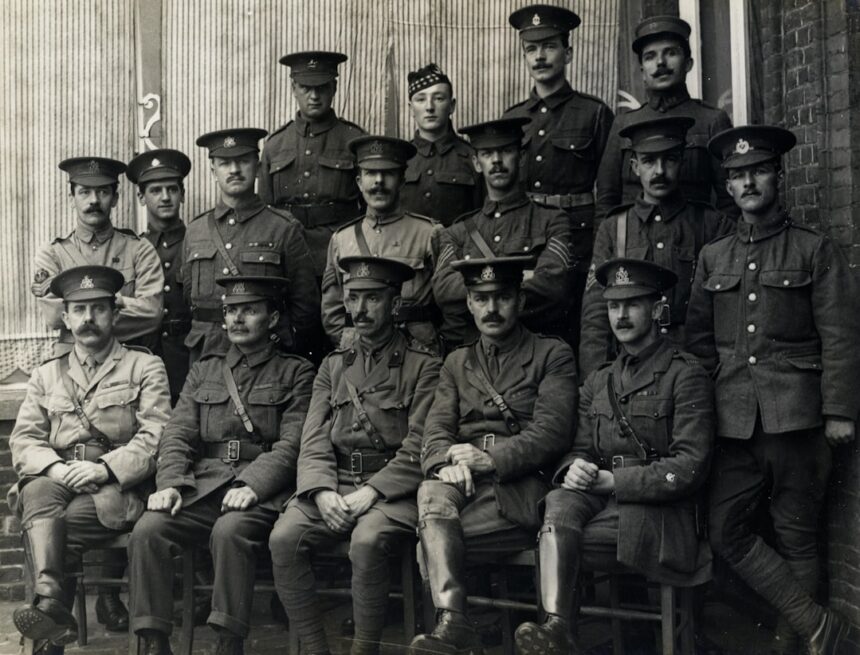
The Prussian military, a formidable force that reshaped the European landscape, owed a significant portion of its enduring success to the exceptional caliber of its generals. These were not simply men of war; they were architects of strategy, masters of logistics, and inspirational leaders who forged an army renowned for its discipline, efficiency, and battlefield prowess. The effectiveness of Prussian generals was a multifaceted phenomenon, built upon a rigorous intellectual foundation, a deep understanding of military science, and an unwavering commitment to service.
The roots of Prussian military effectiveness can be traced back to a deeply ingrained martial culture and a systematic approach to military education that permeated all ranks, particularly the officer corps. This was not an ad hoc system but a carefully constructed edifice designed to cultivate strategic thinking and tactical innovation.
The Prussian General Staff: An Intellectual Powerhouse
The development of the Great General Staff was arguably the single most crucial innovation that set Prussian generals apart. Established in the aftermath of the Napoleonic Wars, this institution was a revolutionary concept, elevating military planning from the purview of individual commanders to a collective, intellectual endeavor.
Recruitment and Training: Cultivating the Minds of Future Leaders
The General Staff was not merely a bureaucratic appendage; it was a crucible for intellectual development. Generals and their key staff officers were recruited from the most promising graduates of the War Academy (Kriegsakademie), a rigorous institution that went far beyond mere tactical instruction. Students were exposed to history, geography, political science, and advanced mathematics, fostering a holistic understanding of the factors that influenced warfare. The emphasis was on critical thinking, problem-solving, and the ability to analyze complex situations. This rigorous training instilled a deep appreciation for operational art, the science of moving armies and sustaining them in the field, and the intricate dance of strategy.
The Art of Planning: War as a Science and an Art Form
The General Staff’s primary function was the meticulous planning of campaigns and wars. This involved extensive war-gaming, simulations, and historical analysis. They studied past conflicts, dissecting victories and defeats to extract timeless principles of warfare. This empirical approach, combined with theoretical study, allowed them to anticipate potential enemy actions and develop contingency plans. The General Staff didn’t just plan for the expected; they actively sought to understand and prepare for the unexpected, a hallmark of their strategic foresight. Their planners understood that war was both a science, with predictable laws and principles, and an art, requiring creativity and adaptability in execution.
The Role of the “First Cartographer”: Beyond the Battlefield
The Prussian General Staff also recognized the importance of logistical and geographical considerations. Officers were trained in cartography, surveying, and the assessment of terrain. They understood that an army marched on its stomach and that understanding the land was as critical as understanding the enemy. This meticulous attention to detail in planning, extending beyond mere battlefield maneuvers, ensured that Prussian armies could operate effectively in diverse environments and sustain themselves over long campaigns.
The Prussian Military Academy: A Cradle of Leadership
Complementing the General Staff, the Prussian Military Academy (Kriegsakademie) played a pivotal role in shaping the intellectual and leadership qualities of aspiring officers. It was more than just a training ground; it was a philosophical institution that instilled a particular ethos.
Developing Strategic Acumen: Beyond Tactics
The curriculum at the Kriegsakademie emphasized strategic thinking, encouraging cadets to look beyond immediate tactical objectives and consider the broader political and operational implications of military actions. Students were taught to analyze the strengths and weaknesses of both their own forces and the enemy’s, to understand the political aims of war, and to develop plans that served those aims. This was a crucial departure from armies that focused solely on battlefield tactics, preparing Prussian officers for the complexities of modern warfare.
Fostering Command Presence: The Qualities of a Leader
Beyond intellectual development, the academy also focused on cultivating the personal qualities of leadership. Cadets were drilled in discipline, responsibility, and the art of command. They learned to inspire loyalty, to make difficult decisions under pressure, and to embody the Prussian ideals of duty and sacrifice. This holistic approach ensured that Prussian generals were not only brilliant strategists but also effective and respected leaders who could motivate their troops.
The Legacy of Clausewitz: Theory Meets Practice
The influence of Carl von Clausewitz, a Prussian general and military theorist, cannot be overstated. His seminal work, “On War,” though published posthumously, became a cornerstone of Prussian military thought and profoundly influenced generations of generals. Clausewitz’s emphasis on war as a continuation of politics by other means, his exploration of the friction of war, and his concept of the “culminating point” provided a theoretical framework that guided practical application. Prussian generals, imbued with the principles of Clausewitz, understood that military success was inextricably linked to political objectives and that the fog of war required constant adaptation.
The effectiveness of Prussian generals during the 19th century can be attributed to their innovative strategies and rigorous training methods, which set them apart from their contemporaries. A related article that delves deeper into this topic is available at this link. It explores how the Prussian military reforms and the emphasis on flexibility and rapid maneuvering contributed to their success in various conflicts, ultimately shaping modern military tactics.
Strategic Innovation and Tactical Mastery
Prussian generals were not content with merely adhering to established doctrines. They were innovators, constantly seeking to adapt their strategies and tactics to evolving battlefield conditions and technological advancements. This willingness to experiment and learn from experience was a key driver of their success.
The Schlieffen Plan: A Masterpiece of Strategic Anticipation
The Schlieffen Plan, developed by Alfred von Schlieffen and later refined by Helmuth von Moltke the Elder, stands as a testament to the strategic foresight and meticulous planning of the Prussian General Staff. While its ultimate execution in World War I proved problematic, its initial conception showcased a profound understanding of operational warfare.
Encirclement and Annihilation: The Operational Art in Action
The core of the Schlieffen Plan was a sophisticated plan for a two-front war against France and Russia. It envisioned a rapid knockout blow against France through a massive flanking maneuver that would sweep through neutral Belgium. The objective was to encircle and destroy the French army before Russia could fully mobilize its forces. This was a classic example of the Prussian emphasis on operational art, aiming for decisive battles of annihilation rather than attrition. The sheer audacity and complexity of the plan, requiring precise timing and coordination of vast forces, highlighted the capabilities of the General Staff.
The Importance of Speed and Mobility: Outmaneuvering the Enemy
A key element of the Schlieffen Plan was its reliance on speed and mobility. The plan assumed that the German army could outmarch and outmaneuver its opponents, catching them off guard. This emphasis on rapid movement was a recurring theme in Prussian military doctrine, recognizing that achieving surprise and maintaining the initiative were crucial for success. The extensive use of railways for troop deployment was a significant logistical innovation that enabled this speed.
Logistics as a Force Multiplier: Sustaining the Offensive
The success of any ambitious plan, especially one involving rapid movement, hinges on logistics. The Prussian General Staff recognized this implicitly, ensuring that their plans were underpinned by robust logistical support. The Schlieffen Plan, despite its eventual strategic failure, was a testament to the intricate logistical preparations required to move and supply such a massive force, demonstrating a sophisticated understanding of war as a holistic endeavor.
Moltke the Elder: The Architect of Prussian Victory
Helmuth von Moltke the Elder, often referred to as “the Great Moltke,” was the epitome of the Prussian general. His leadership and strategic vision were instrumental in Prussia’s decisive victories in the Danish War, the Austro-Prussian War, and the Franco-Prussian War.
Centralized Command and Decentralized Execution: The Art of Delegation
Moltke’s genius lay in his ability to combine centralized strategic planning with decentralized operational execution. He would formulate overarching strategic objectives and then empower his subordinate commanders with the freedom to achieve them. This “mission command” approach allowed for flexibility and initiative on the battlefield, preventing a rigid adherence to pre-ordained plans that could be rendered obsolete by unforeseen circumstances. He trusted his generals to make the right decisions in the heat of battle, fostering a sense of responsibility and competence.
The Importance of Intelligence: Knowing the Enemy and the Terrain
Moltke placed a premium on intelligence gathering and analysis. He understood that accurate information about the enemy’s dispositions, strengths, and intentions was vital for formulating effective plans. His staff meticulously gathered and processed intelligence, allowing him to make informed decisions and exploit enemy weaknesses. This proactive approach to intelligence, coupled with a deep understanding of geography, gave him a significant advantage.
The Art of the Offensive: Speed, Surprise, and Concentration of Force
Moltke’s strategic doctrine emphasized the importance of the offensive, characterized by speed, surprise, and the concentration of overwhelming force at decisive points. He advocated for bold maneuvers and decisive battles aimed at shattering the enemy’s will to fight. This aggressive approach, coupled with meticulous planning and effective execution, led to a string of stunning victories for Prussia.
The effectiveness of Prussian generals during the 19th century can be attributed to their innovative strategies and rigorous training, which allowed them to adapt quickly to changing battlefield conditions. Their emphasis on mobility and communication set a standard that many military leaders would later emulate. For a deeper understanding of the factors that contributed to their success, you can explore a related article that delves into the strategic principles employed by these commanders. This insightful piece can be found here.
The Franco-Prussian War: A Paradigm Shift in Warfare
The Franco-Prussian War (1870-1871) was a watershed moment, demonstrating the superiority of Prussian military organization, strategy, and leadership. The swift and decisive Prussian victory shocked Europe and solidified Prussia’s position as a dominant military power.
Superior Staff Work and Mobilization: A Seamless Machine
The Prussian General Staff’s meticulous planning and efficient mobilization system proved to be a decisive advantage. While France struggled with disorganization and delays, Prussia was able to deploy its forces rapidly and effectively. This showcased the effectiveness of their centralized planning and their ability to leverage the railway network for rapid troop movement. The seamless coordination between the political leadership, the General Staff, and the army itself was a testament to their integrated approach.
Tactical Innovations: breech-loading rifles and Artillery dominance
While strategy and leadership were paramount, Prussian generals also recognized the importance of leveraging technological advancements. The widespread adoption of breech-loading rifles and superior artillery, such as the Krupp guns, gave Prussian forces a significant tactical edge. Generals understood how to integrate these new technologies into their battle plans, maximizing their impact and contributing to their battlefield successes. The synergy between innovative weaponry and brilliant generalship was a potent combination.
The Siege of Paris: A Demonstration of Endurance and Strategy
The siege of Paris, while a costly and protracted affair, demonstrated the Prussian army’s ability to sustain a long campaign and achieve its objectives through a combination of military might and strategic pressure. The blockade effectively crippled the French war effort and ultimately led to their surrender. This phase of the war highlighted the Prussian capacity for both offensive warfare and the patient application of strategic pressure.
Leadership in the Crucible of War
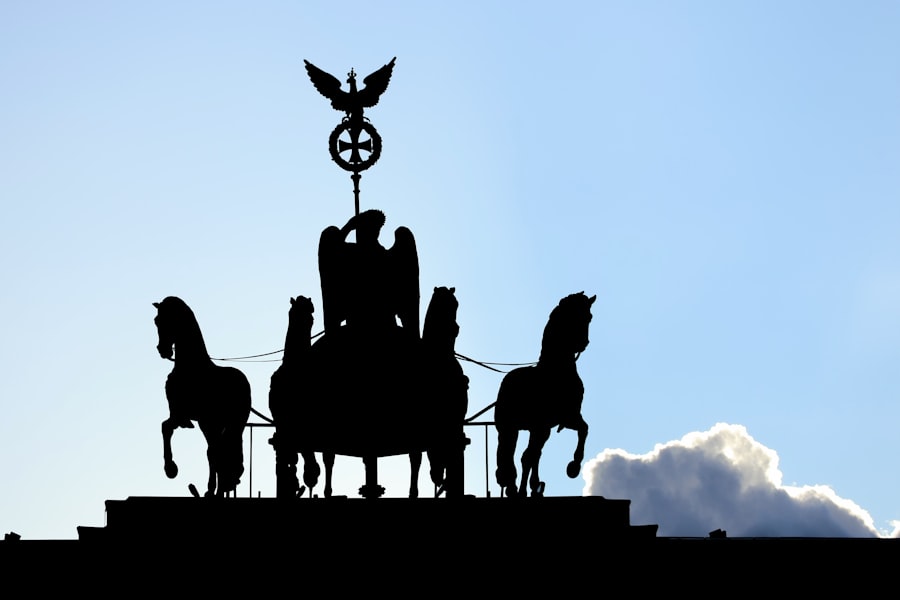
Beyond strategic brilliance, Prussian generals were distinguished by their leadership qualities. They inspired loyalty, instilled discipline, and led from the front, earning the respect and admiration of their troops. This personal connection between leader and led was a crucial element of their effectiveness.
The Prussian Ethos: Duty, Honor, and Sacrifice
The Prussian military was built upon a strong ethos of duty, honor, and sacrifice. Generals embodied these values, setting an example for their soldiers. They understood that true leadership involved not just giving orders but also sharing in the hardships and dangers of war. This commitment to shared experience fostered a deep sense of camaraderie and loyalty.
The Importance of Discipline: The Backbone of the Army
Discipline was a cornerstone of the Prussian military. Generals understood that a disciplined army was an effective army, capable of executing complex maneuvers and enduring the rigmarole of war. This discipline was not merely about blind obedience but about fostering a sense of self-control, responsibility, and collective purpose. Generals instilled this discipline through rigorous training and a clear understanding of the consequences of failure.
Leading by Example: The General as a Symbol of Resolve
Prussian generals were expected to lead by example. They were visible on the battlefield, sharing the risks with their soldiers. This personal courage and visible leadership inspired confidence and motivated troops to perform at their best. The image of a general, calm and resolute amidst the chaos of battle, was a powerful symbol of unwavering determination.
The Cultivation of Courage: Inspiring Bravery in the Ranks
Generals played a vital role in cultivating courage among their soldiers. They understood that fear was a natural human emotion and that true courage lay in overcoming it. Through inspirational speeches, a strong sense of purpose, and a belief in the righteousness of their cause, generals emboldened their troops to face overwhelming odds and perform acts of extraordinary bravery.
The Role of the Monarch: A Symbol of Unity and Authority
In the Prussian system, the monarch played a crucial symbolic and often practical role in the military hierarchy. As the supreme commander, the monarch embodied the nation’s will to fight and provided a unifying figurehead. While the day-to-day operational command often rested with the General Staff and its leading generals, the monarch’s endorsement and patronage were essential for the military’s prestige and authority.
The King as Commander-in-Chief: A Symbol of National Resolve
The Prussian monarch, as the King of Prussia and later the German Emperor, held the ultimate command. This provided a clear chain of authority and ensured that military actions were aligned with national policy. The presence of the monarch on the battlefield, or their active involvement in strategic discussions, could imbue the army with a heightened sense of purpose and national pride.
The Interplay of Civil and Military Authority: A Harmonious Relationship
The Prussian system fostered a relatively harmonious relationship between civil and military authority. While the military enjoyed significant autonomy, it remained ultimately subordinate to the crown and the broader political objectives. This ensured that military power was not wielded in isolation but was integrated into the overall governance of the state.
Patronage and Promotion: Rewarding Merit and Loyalty
The monarch’s role in patronage and promotion was also significant. While merit was a primary factor, loyalty and service to the crown were also important considerations. This system, while susceptible to cronyism in other contexts, in Prussia often served to reward competent and loyal officers, further strengthening the military’s effectiveness and cohesion.
The Legacy of Prussian Generalship: Enduring Principles
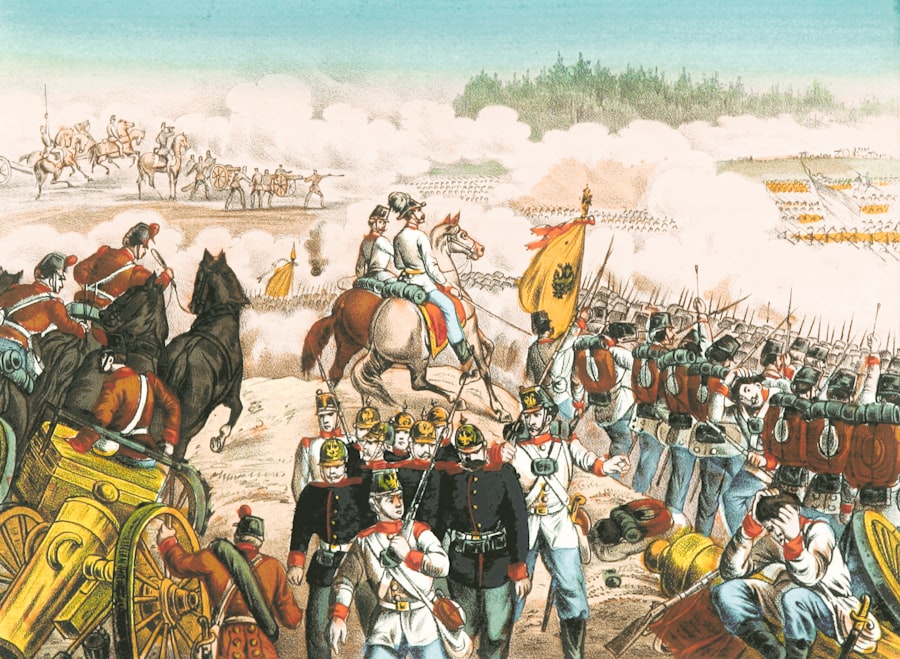
The effectiveness of Prussian generals extended far beyond their military victories. Their systematic approach to strategy, their emphasis on intellectual development, and their commitment to principled leadership left an indelible mark on military thought and practice worldwide.
The Influence on Global Military Doctrine: A Lasting Impact
The principles of Prussian generalship, particularly those espoused by Moltke the Elder and Clausewitz, profoundly influenced military doctrines across the globe. Nations studied the Prussian model, adopting elements of their General Staff system, their emphasis on staff planning, and their strategic concepts. The art of war, as understood and practiced by the Prussians, became a benchmark for military professionalism.
The Development of Modern General Staffs: A Global Trend
The Prussian General Staff served as a blueprint for the development of general staffs in other nations. The concept of a dedicated body of highly trained officers responsible for strategic planning, intelligence analysis, and operational coordination became a standard feature of modern militaries. This institutionalization of strategic thought was a revolutionary development.
The Evolution of Operational Art: From Tactics to Strategy
Prussian generals elevated the concept of operational art, demonstrating how battlefield tactics could be integrated into a larger strategic framework. Their focus on maneuver, speed, and decisive engagement paved the way for a more sophisticated understanding of how to conduct large-scale campaigns. This shift from purely tactical considerations to a broader operational perspective was a significant evolution.
The Emphasis on Education and Professionalism: A Continuing Tradition
The Prussian emphasis on rigorous military education and professional development became a model for other armies. The belief that military leadership required intellectual depth, strategic acumen, and continuous learning has remained a core tenet of military professionalism. The commitment to lifelong learning and adaptation continues to be a hallmark of effective military leadership.
The Question of Adaptability: Facing New Challenges
While the Prussian model was highly effective for its time, the nature of warfare is constantly evolving. The effectiveness of Prussian generals must also be viewed through the lens of their ability to adapt to new technologies, political landscapes, and strategic challenges.
The Industrialization of War: A New Paradigm
The advent of industrial-scale warfare, with its increased firepower and mass mobilization, presented new challenges that tested the limits of traditional Prussian doctrines. While Prussian generals were adept at leveraging technology, the sheer scale of conflict in the 20th century demanded further innovation and adaptation.
The Fog of War in the 20th Century: Increased Complexity
The “fog of war” – the inherent uncertainty and confusion of combat – became even more pronounced with the advent of new communication technologies and faster-paced warfare. While Prussian generals prided themselves on managing this fog, the sheer scale and speed of 20th-century conflicts presented unprecedented challenges.
The Enduring Principles: Strategy, Leadership, and Adaptability
Despite the evolution of warfare, the core principles that underpinned the effectiveness of Prussian generals remain relevant. Their emphasis on rigorous strategic planning, the cultivation of exceptional leadership, and a commitment to continuous learning and adaptation are timeless qualities that continue to define successful military endeavors. The legacy of Prussian generals serves as a powerful reminder that true military effectiveness is a synthesis of intellectual rigor, strategic foresight, and inspired leadership.

The Military Machine That Didn’t Need a Napoleon
FAQs
1. What made Prussian generals effective?
Prussian generals were effective due to their emphasis on discipline, training, and strategic planning. They also prioritized the welfare of their soldiers and focused on developing a professional military culture.
2. How did Prussian generals approach leadership and command?
Prussian generals were known for their strong leadership and command skills. They led by example, instilled discipline in their troops, and emphasized the importance of clear communication and decisive decision-making.
3. What role did training and education play in the effectiveness of Prussian generals?
Training and education were crucial components of the effectiveness of Prussian generals. They placed a strong emphasis on military education, ensuring that their officers and soldiers were well-prepared and knowledgeable in military tactics and strategy.
4. What were some key characteristics of Prussian generals that contributed to their effectiveness?
Some key characteristics of Prussian generals included their strategic thinking, adaptability, and ability to inspire and motivate their troops. They were also known for their attention to detail and meticulous planning.
5. How did the effectiveness of Prussian generals impact military history?
The effectiveness of Prussian generals had a significant impact on military history, particularly during the 18th and 19th centuries. Their tactics and leadership style influenced military strategies in Europe and beyond, and their legacy continues to be studied and admired by military historians and leaders.