
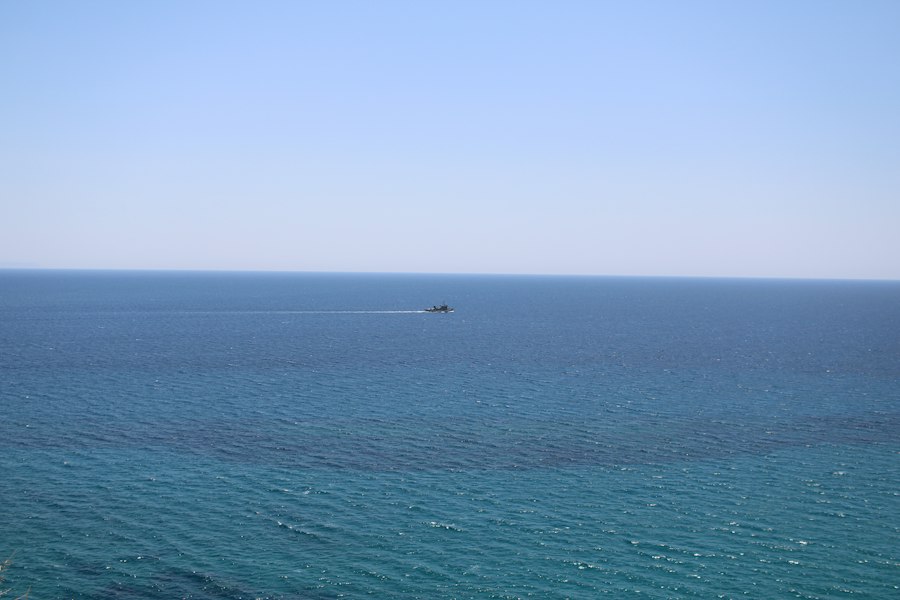
The turquoise waters of the Mediterranean Sea have long been a stage for international intrigue and naval maneuvering. Beneath this shimmering surface, however, lies a silent history of loss, a testament to the unforgiving nature of the deep. In the early days of the Cold War, the Soviet Union, a burgeoning superpower, engaged in a relentless naval buildup, pushing its cutting-edge technology and brave sailors into increasingly challenging operational theaters. One such era saw the Soviet Navy extend its reach into the Mediterranean, a crucial strategic waterway, where its submarines, formidable hunters of the deep, conducted vital missions. It was during one of these deployments, shrouded in the secrecy that characterized Soviet military operations, that a tragedy unfolded, a chilling incident that would remain buried for years, a silent testament to the inherent dangers of the underwater world and the immense sacrifices made by those who served. This article seeks to shed light on a particular Soviet submarine accident in the Mediterranean, piecing together the scarce details and examining the profound implications of this forgotten disaster.
The Silent Sentinels of the Mediterranean
The Soviet Union’s presence in the Mediterranean during the Cold War was a calculated chess move. Following the establishment of the U.S. Sixth Fleet in the region in the 1950s, the Soviets recognized the imperative to counter this potent American force. The Mediterranean provided a direct avenue to project Soviet power closer to the heart of Western Europe and the Middle East, making it a vital arena for espionage, intelligence gathering, and the potential disruption of Western supply lines. Soviet submarines, particularly those of the K-class (conventional) and later the nuclear-powered Echo and Charlie classes, were the vanguard of this naval strategy. These vessels, equipped with sophisticated sonar and missile systems, operated in a cat-and-mouse game with their NATO counterparts, a constant, unseen ballet of technological prowess and human endurance.
Operational Imperatives and Strategic Presence
The primary objective of Soviet submarines in the Mediterranean was deterrence and surveillance. They were tasked with tracking NATO naval movements, particularly the aircraft carrier battle groups of the Sixth Fleet, and gathering intelligence on their capabilities and deployments. The presence of these silent sentinels was a constant pressure on NATO, forcing them to remain vigilant and diverting resources to counter the perceived threat. Beyond intelligence gathering, these submarines were also designed for offensive operations, capable of launching anti-ship missiles that could threaten major naval assets. The Mediterranean, with its relatively confined waters compared to the vastness of the Atlantic, presented unique challenges and opportunities for submarine warfare, demanding constant adaptation and skill from the crews.
Technological Advancements and Operational Risks
The Soviet submarine program was characterized by rapid technological development, often driven by a desire to achieve parity with, and eventually surpass, Western naval capabilities. While these advancements brought impressive capabilities, they also came with inherent risks. Early submarine designs, while innovative, sometimes suffered from reliability issues. The relentless operational tempo, the unforgiving environment of the deep sea, and the constant pressure of clandestine operations all contributed to a heightened risk of accidents. Crews were expected to operate their vessels under extreme conditions, often for extended periods, with limited contact with the outside world. This isolation, coupled with the inherent dangers of operating complex machinery in a hostile environment, created a potent cocktail for disaster.
In recent discussions about naval history, the tragic Soviet submarine accident in the Mediterranean has drawn significant attention, highlighting the complexities and dangers of underwater operations during the Cold War. For a deeper understanding of this incident and its implications, you can read a related article that explores the broader context of submarine warfare and its impact on international relations. For more information, visit this article.
Whispers from the Deep: The Unfolding Tragedy

The specific incident under examination, while not publicly detailed by Soviet authorities at the time, is believed to have involved a K-class submarine operating in the Mediterranean. Details are scarce, a common characteristic of Soviet military mishaps, often suppressed to maintain an image of invincibility and prevent the disclosure of operational vulnerabilities. However, through a combination of declassified documents, accounts from former Soviet naval personnel, and investigative journalism, a picture, albeit hazy, begins to emerge of a catastrophic event that claimed the lives of all aboard. The lack of definitive public information only adds to the somber mystique surrounding such incidents, turning them into ghost stories of the Cold War, haunting the depths and the memories of those who understood the stakes.
The Initial Distress Signals and the Silence
The narrative of the accident often begins with the abrupt cessation of communication. A submarine, especially one on a patrol mission, would maintain a schedule of regular communication checks with its command. When these checks failed to occur, and subsequent attempts to establish contact were met with silence, a grim understanding would begin to dawn within the naval hierarchy. The initial response would likely involve a period of intense, but often covert, searching. NATO forces, observing unusual Soviet naval activity or picking up faint, unexplained signals, might also become aware that something was amiss, adding another layer of silent tension to the situation. The vastness of the Mediterranean, however, made locating a submerged submarine, particularly in the absence of distress beacons or active signals, an immensely difficult task.
The Nature of the Catastrophe: Speculation and Evidence
The exact cause of the submarine’s demise remains a subject of speculation. Potential scenarios include collisions with other vessels (both Soviet and NATO), internal system failures leading to fire or flooding, or even a catastrophic structural failure due to deep diving. Given that it was a K-class submarine, likely a diesel-electric vessel, issues related to battery failure, ventilation system malfunctions, or an uncontrolled dive are plausible. The operational environment of the Mediterranean, with its fluctuating depths and busy shipping lanes, presented a constant risk of collision. Some accounts suggest a possible entanglement with a fishing net or a collision with a surface vessel, though definitive proof is elusive. The limited information available points to a rapid and overwhelming event, one that left no survivors to recount the final moments. The silence that followed was not just the absence of communication but the absence of any possibility of rescue for those trapped below.
The Cover-Up and the Lingering Questions
In the secretive world of the Soviet Union, the loss of a military asset, especially one carrying a full complement of personnel, was a matter to be handled with extreme discretion. Public acknowledgment of such an accident would have been seen as a sign of weakness, potentially emboldening adversaries and undermining the carefully crafted image of Soviet military might. Therefore, a systematic effort was likely undertaken to conceal the incident from the international community and, to some extent, even from the broader Soviet public. This culture of secrecy, while understandable from a strategic perspective, left families of the lost sailors in agonizing uncertainty and deprived historians of crucial details.
In recent discussions about naval history, the tragic Soviet submarine accident in the Mediterranean has drawn significant attention, highlighting the complexities and dangers of underwater operations during the Cold War. For those interested in exploring this topic further, a related article provides an in-depth analysis of the incident and its implications on international relations. You can read more about it in this insightful piece here. Understanding these events helps shed light on the broader context of military strategies and the risks involved in submarine warfare.
Maintaining the Veil of Secrecy
The Soviet approach to military accidents was to minimize public exposure and often to attribute any disappearances to “classified operational missions.” In cases of confirmed loss, the families of the deceased would typically be informed privately and offered condolences, with strict instructions to maintain silence. The vessels themselves, if discovered, were often retrieved covertly or left undisturbed, their location becoming another classified secret. The international community, particularly NATO, would have been aware of such a loss through intelligence channels, but the lack of official confirmation meant that precise details and the true scale of the tragedy remained beyond public knowledge. This created a chilling silence around these events, where the absence of information became as significant as the information itself.
The Long Shadow of Uncertainty for Families
For the families of the sailors aboard the lost submarine, the lack of definitive information created a prolonged and agonizing period of uncertainty. They would have been told their loved ones were on a mission, and then the mission would simply continue without them. The absence of any news, coupled with the inherent dangers of submarine service, would have instilled a gnawing fear. The official silence would have offered no closure, leaving them to imagine the worst or to cling to faint hopes of survival that were, in reality, nonexistent. This prolonged emotional trauma, a direct consequence of the Soviet secrecy, is one of the most tragic aspects of these forgotten disasters. The loss of a loved one in service is always painful, but the addition of enforced silence and a lack of resolution amplifies the suffering immeasurably.
The Scars of the Deep: Lessons Learned and Unlearned
The loss of any vessel at sea, particularly a submarine, represents a significant loss of life, resources, and technological investment. For the Soviet Navy, each accident was a harsh lesson, a painful reminder of the immense risks involved in underwater warfare. While the specifics of this particular Mediterranean incident may remain elusive, the general patterns of Soviet naval accidents suggest a recurring set of challenges, from equipment reliability to crew training and operational procedures. The aftermath of such events, even if hidden from public view, invariably leads to internal reviews and, ideally, improvements in safety protocols and vessel design.
Internal Reviews and Subsequent Safety Measures
While the public remained unaware, the Soviet military establishment undoubtedly conducted thorough internal investigations into such incidents. These reviews would have aimed to identify the root causes of the accident, whether it was a design flaw, a procedural error, or a combination of factors. The findings of these investigations, however classified, would have informed subsequent design modifications, operational doctrine, and training programs. The development of new submarine classes and improvements in existing ones were often driven by lessons learned from past tragedies. The Soviet Union, despite its political system, was also a nation of engineers and scientists, and the drive for technological advancement and operational effectiveness would have necessitated a response to failures.
The Strategic Cost of Secrecy and Loss
Beyond the human cost, the loss of a submarine represented a significant strategic setback for the Soviet Union. Each vessel was a valuable and costly asset, representing years of development, construction, and training. The disappearance of a submarine, even if officially unacknowledged, would have been a tangible reduction in the Soviet Navy’s operational capacity. Furthermore, the need to conceal such losses meant that valuable lessons might have been learned
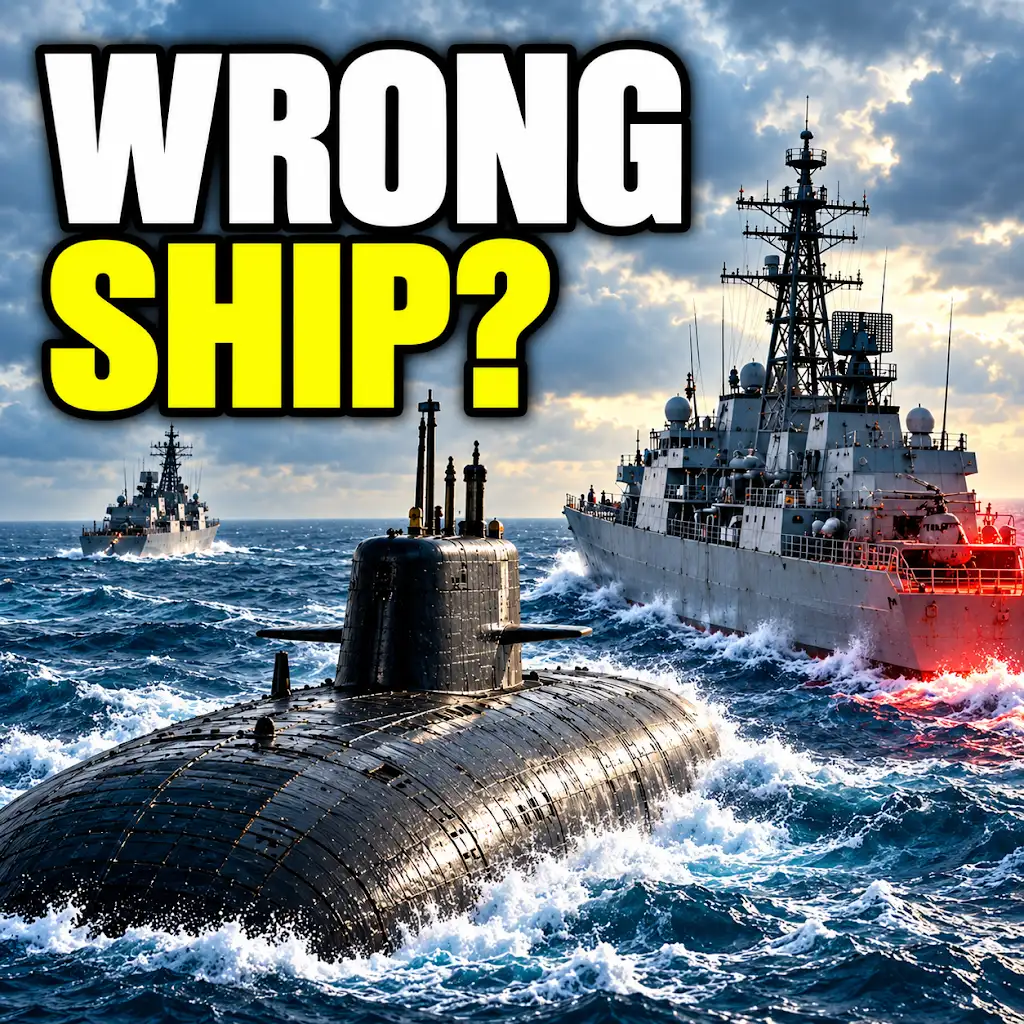
A Soviet Submarine Hit a U.S. Frigate. Was It the Wrong Ship?
FAQs
What was the Soviet submarine doing in the Mediterranean Sea?
The Soviet submarine was on a covert mission to gather intelligence and monitor NATO naval activities in the Mediterranean Sea during the Cold War.
How did the Soviet submarine accident in the Mediterranean occur?
The Soviet submarine collided with a United States Navy submarine, the USS Gato, while conducting surveillance operations in the Mediterranean Sea, resulting in significant damage to both vessels.
What were the consequences of the Soviet submarine accident in the Mediterranean?
The collision between the Soviet submarine and the USS Gato led to heightened tensions between the United States and the Soviet Union, as both sides accused each other of aggressive actions in international waters.
Were there any casualties as a result of the Soviet submarine accident in the Mediterranean?
Fortunately, there were no casualties reported as a result of the Soviet submarine accident in the Mediterranean. However, both submarines sustained damage and required extensive repairs.
How did the Soviet Union respond to the incident involving their submarine in the Mediterranean?
The Soviet Union initially denied any involvement in the incident, but later acknowledged that one of their submarines was indeed involved in a collision in the Mediterranean Sea. They downplayed the severity of the incident and emphasized their commitment to peaceful coexistence with other nations.