
The sands of Normandy, forever etched in history as the crucible of Allied victory on D-Day, conceal a layer of intrigue far more complex than the roar of cannons and the clash of steel. Beneath the visible onslaught, a silent, invisible war was waged, a battle fought not with bullets but with whispers, deception, and meticulously crafted falsehoods. This was the realm of double agents, a clandestine network whose actions, though often unseen and unsung, played a pivotal role in shaping the success of the Allied invasion. Their story is one of betrayal, loyalty, and the extraordinary courage required to navigate a world where truth was a weapon and deception a shield.
The Shadowy Architects of Deception
The success of Operation Overlord, the Allied invasion of Normandy on June 6, 1944, was not a foregone conclusion. It was the culmination of years of planning, resource allocation, and, crucially, an elaborate campaign of strategic deception. The German High Command, despite its formidable military might, was systematically misled about the true landing zones, the strength of the attacking forces, and the timing of the invasion. This monumental feat of misdirection was in no small part orchestrated by a select group of individuals operating in the shadows – the double agents. These were men and women, some with deep loyalties to the Allied cause, others compelled by circumstance or manipulated by their handlers, who fed vital intelligence, both real and fabricated, to the enemy. Their existence, their methods, and their impact are crucial to understanding the full scope of the D-Day narrative. The very notion of a “double agent” conjures images of espionage from spy novels, but in the context of World War II, it was a brutal reality, demanding immense courage, psychological fortitude, and an unwavering commitment to their chosen side, even when that side was a deadly deception.
The intricate web of espionage during World War II is exemplified by the role of double agents in the D-Day deception operations. These operatives played a crucial part in misleading the Axis powers about the timing and location of the Allied invasion. For a deeper understanding of this fascinating topic, you can explore the article on double agents and their impact on D-Day deception strategies at this link.
The Genesis of Operation Fortitude
The cornerstone of the Allied deception strategy was Operation Fortitude, a multi-faceted plan designed to convince the Germans that the main Allied invasion would occur elsewhere, primarily at the Pas-de-Calais, the closest point of France to Britain. This crucial diversionary tactic was conceived long before the first landing craft hit the beaches. The intelligence gathered and disseminated by double agents was instrumental in the successful implementation of Fortitude. The Germans, expecting an invasion at Pas-de-Calais, had heavily fortified that region, diverting valuable troops and resources away from Normandy. The agents’ role was to reinforce this perception, providing seemingly credible intelligence that supported the Pas-de-Calais narrative, while subtly downplaying the likelihood of an invasion in Normandy. This involved not only creating fictional military units and operations but also ensuring that real, albeit secondary, troop movements were interpreted by the Germans as preparations for the primary assault.
The Phantom Army of First United States Army Group (FUSAG)
Perhaps the most famous element of Operation Fortitude was the creation of the fictional First United States Army Group (FUSAG), a formidable force supposedly poised to invade at Pas-de-Calais. Led by the charismatic General George S. Patton, FUSAG was a masterful illusion. Double agents were tasked with leaking information about its existence, strength, and supposed readiness. They described phantom encampments, troop movements, and even the construction of dummy landing craft. These agents, operating within German intelligence circles, acted as conduits for carefully curated disinformation. They would relay exaggerated troop numbers, fabricated communication intercepts, and even “captured” documents that all pointed to the Pas-de-Calais as the impending invasion site. The Germans, desperate to defend against such a massive perceived threat, concentrated their elite Panzer divisions in the north, leaving Normandy comparatively vulnerable. This was a testament to the power of well-placed disinformation, where the illusion of strength proved as potent as its actual presence.
The Double-Edged Sword of Information

The work of double agents was a delicate balancing act. They had to maintain their cover with the Germans, appearing to be loyal sources of intelligence, while simultaneously feeding crucial information back to the Allies. This often involved providing a mix of genuine intelligence and strategically fabricated data. The goal was not always to lie outright, but to shape the narrative, to influence the enemy’s decision-making process through a carefully controlled flow of information. The risks were immense. Discovery meant torture, execution, and the potential unraveling of the entire deception. Yet, the rewards – the lives saved, the successful execution of the invasion – were immeasurable. The psychological toll on these individuals must have been staggering, constantly living a double life, perpetually on the precipice of exposure.
The Art of Double-Crossing: Forged Documents and Misleading Reports
Double agents employed a variety of sophisticated techniques to mislead the German High Command. The creation of forged documents, complete with seemingly authentic stamps and signatures, was a common tactic. These documents would detail fictional troop deployments, logistical plans, and strategic objectives, all pointing towards a Pas-de-Calais invasion. Additionally, agents would relay oral reports, often through intermediaries or seemingly accidental encounters, that emphasized the overwhelming strength of FUSAG and its imminent attack. They might also subtly “downplay” any Allied activity in the south, framing it as mere diversionary tactics or logistical preparations for the main assault. The intelligence provided had to be convincing, plausible, and, most importantly, align with the broader narrative the Allies wished to implant in the German mind. This required an intimate understanding of German military doctrine, operational procedures, and the psychological profile of the enemy leadership.
The Human Element: Loyalty, Betrayal, and Sacrifice
Behind the intricate machinations of deception lay the lives of ordinary individuals thrust into extraordinary circumstances. Many double agents were recruited from prisoner-of-war camps, offering them a chance to mitigate their sentence or even gain freedom. Others were motivated by patriotism, ideology, or a personal vendetta against the Nazi regime. Regardless of their initial motivations, they all faced the terrifying reality of operating behind enemy lines, with the constant threat of exposure. The psychological pressure of betraying one side while ostensibly serving another was immense. They had to be convincing actors, able to compartmentalize their true loyalties and maintain a facade of subservience to their German handlers. The personal sacrifices were profound; families were left behind, friendships severed, and the constant fear of capture loomed large.
The Untold Stories of the Agents of “Double Cross”
The British intelligence agency MI5’s “XX Committee,” also known as the Double Cross System, was the mastermind behind much of the Allied deception effort. This committee managed a network of German agents who had been captured and “turned” to work for the Allies. These agents, known as “turncoats,” became invaluable assets, feeding the Germans the disinformation MI5 wanted them to believe. Their stories are a testament to the human capacity for resilience and ingenuity under extreme duress. One such agent, Juan Pujol García, a Spaniard code-named “Garbo,” was instrumental in convincing the Germans that a vast spy network existed in Britain, feeding them fabricated reports that amplified the FUSAG threat. His meticulous fabrication of intelligence, including the creation of a nonexistent network of sub-agents, cemented his reputation as a master of deception. Another notable figure was Eddie Chapman, code-named “Agent Zigzag,” a British criminal who, after being caught by the Germans, offered his services to MI5 and became a crucial double agent, feeding the Germans information that both protected Allied secrets and reinforced the FUSAG deception. The narrative of these agents is not one of simple heroism, but of complex moral choices, and the quiet, often unacknowledged, bravery of individuals who gambled everything for a cause.
The intricate web of espionage during World War II is vividly illustrated in the context of double agents and the D-Day deception, which played a crucial role in the success of the Allied invasion. A fascinating exploration of this topic can be found in a related article that delves into the strategies employed by intelligence operatives to mislead the enemy. For a deeper understanding of these tactics, you can read more about it in this insightful piece on intelligence operations. The use of double agents not only sowed confusion among German forces but also highlighted the lengths to which the Allies went to secure victory on the beaches of Normandy.
The Ripple Effect: Impact on the Battlefield
| Metric | Value | Description |
|---|---|---|
| Number of Double Agents | 12 | Confirmed double agents working for the Allies during D-Day deception |
| Operation Name | Operation Fortitude | Main deception plan involving double agents to mislead German forces |
| Fake Army Size | 1.5 million troops | Size of the fictitious First U.S. Army Group created to deceive the enemy |
| Key Double Agent | Juan Pujol García (Garbo) | Most successful double agent who fed false information to the Germans |
| Duration of Deception | 6 months | Period over which double agents transmitted misleading intelligence |
| Impact on German Troop Deployment | +50,000 troops diverted | Estimated number of German troops held away from Normandy due to deception |
| Number of False Messages Sent | 100+ | Approximate number of deceptive communications sent by double agents |
The success of the deception campaign directly translated into tangible advantages on the battlefield. The misallocation of German forces, a direct result of the double agents’ work, significantly reduced the casualties Allied troops suffered during the initial landings and subsequent advances. With fewer experienced German divisions defending the Normandy coast, the Allied forces were able to establish and expand their beachhead more effectively. This created the crucial momentum needed to push inland and ultimately secure victory in the European theater. The psychological impact on the German High Command was also significant. They were constantly reacting to perceived threats, their strategic planning hampered by incomplete and misleading intelligence. This uncertainty, fueled by the double agents’ efforts, contributed to their eventual defeat. The invasion was a complex, multi-faceted operation, and the success of its military components was inextricably linked to the success of its clandestine, deceptive underpinnings.
Lessened Resistance and Strategic Advantages
The diversion of German troops to the Pas-de-Calais meant that the forces defending the Normandy beaches were, on average, less experienced and less well-equipped than those that could have been deployed. This directly translated to fewer casualties for the Allied soldiers storming the beaches. The initial landings, which were inherently perilous, were made considerably less costly due to the German belief that the true invasion was to occur elsewhere. Furthermore, the Allied forces were able to secure vital objectives more quickly, such as the capture of key ports and strategic towns, which facilitated the subsequent logistical buildup and further offensives. The element of surprise, a critical factor in any military operation, was maintained for longer than it might have been without the double agents’ efforts.
The Legacy of the Unseen Warriors
The story of the double agents of D-Day is a compelling testament to the crucial, yet often overlooked, role of intelligence and deception in warfare. Their courage, ingenuity, and willingness to operate in the shadows were instrumental in achieving Allied victory. While the soldiers who landed on the beaches are rightly celebrated as heroes, the double agents, operating far from the front lines, played an equally vital role in ensuring their success. Their legacy is not etched in grand monuments, but in the quiet understanding of how intricate webs of deception can alter the course of history. The tales of these unseen warriors serve as a powerful reminder that the battlefield of war extends far beyond the physical, encompassing the intangible realms of information, perception, and the extraordinary human capacity for both deception and unwavering loyalty. Their stories, though often cloaked in secrecy, deserve to be told, to honor their contributions and to illuminate the complex tapestry of D-Day. The modern understanding of espionage and covert operations owes a significant debt to the pioneering efforts of these individuals who operated in the crucible of World War II.
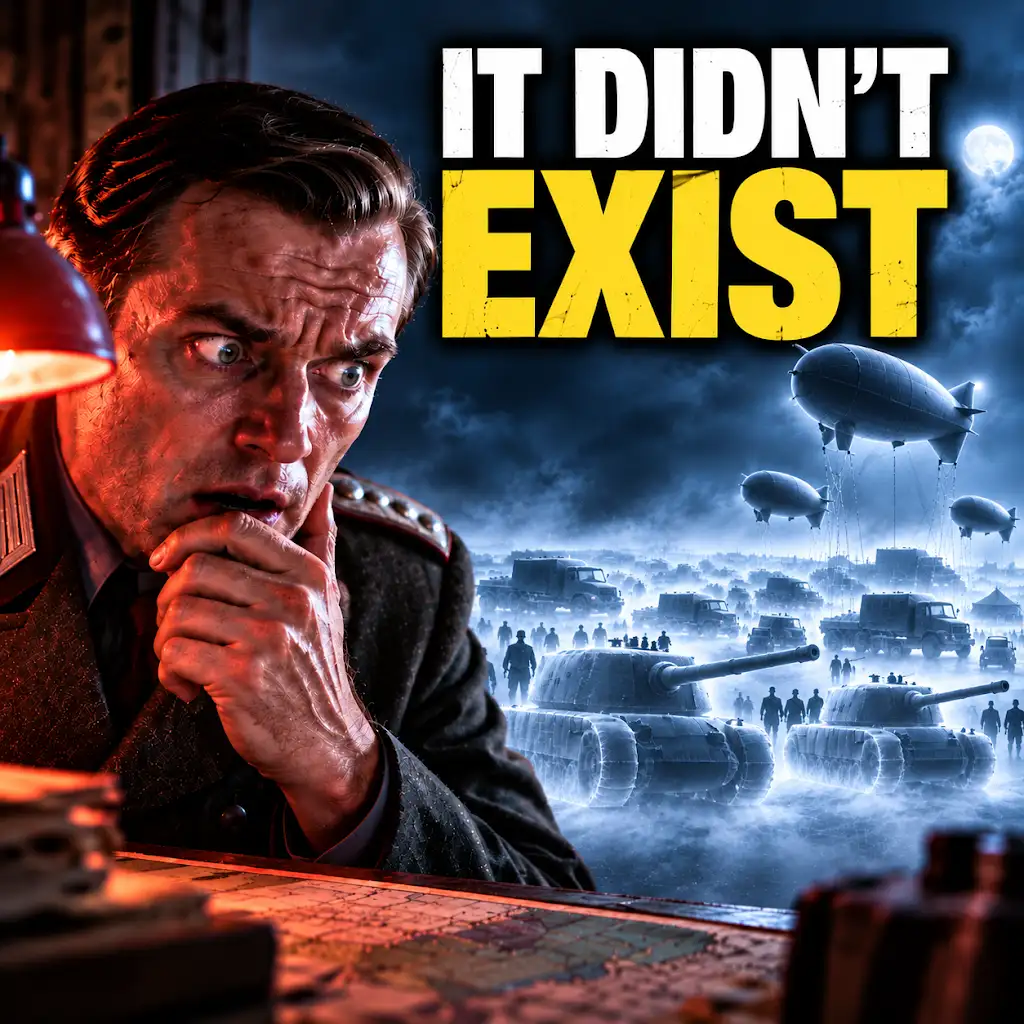
How the Allies Built an Army for Germany to Discover
FAQs
What is the role of double agents in D-Day deception?
Double agents played a crucial role in the D-Day deception operation by providing false information to the enemy, leading them to believe that the Allied invasion would take place at a different location than Normandy.
How were double agents recruited for the D-Day deception?
Double agents were recruited by British intelligence agencies, such as MI5 and MI6, through various means including coercion, persuasion, and financial incentives. Some double agents were also former enemy spies who were turned and used to feed false information to their own side.
What were some of the tactics used by double agents in the D-Day deception?
Double agents used a variety of tactics to deceive the enemy, including creating fake radio transmissions, sending false reports, and planting misleading information through their network of contacts. They also played on the enemy’s expectations and biases to manipulate their perceptions of Allied intentions.
Did the D-Day deception involving double agents successfully mislead the Germans?
Yes, the D-Day deception operation involving double agents successfully misled the Germans into believing that the Allied invasion would take place at Pas-de-Calais instead of Normandy. This deception played a key role in the success of the actual D-Day landings on June 6, 1944.
What was the impact of double agents in the overall success of the D-Day invasion?
The role of double agents in the D-Day deception was instrumental in ensuring the success of the Allied invasion of Normandy. By feeding false information to the Germans and diverting their attention away from the actual landing site, double agents helped create the element of surprise that was crucial to the success of the operation.