The Soviet Union, a nation forged in ideological fervor and locked in a perpetual geopolitical struggle, placed immense emphasis on its naval power. This focus was not merely for projecting influence or territorial defense; it was a critical component of their broader strategy to counter the perceived existential threat posed by the United States and its NATO allies. The development of Soviet naval weapon systems during the Cold War was a testament to a unique blend of indigenous innovation, relentless resource allocation, and a pragmatic approach to military engineering, often prioritizing robust functionality and mass production over the perceived extravagance or intricate sophistication of Western counterparts. The impact of these systems on maritime warfare was profound, shaping naval doctrine, driving technological arms races, and fundamentally altering the strategic calculus of global naval power.
The Evolution of Soviet Submarine Dominance
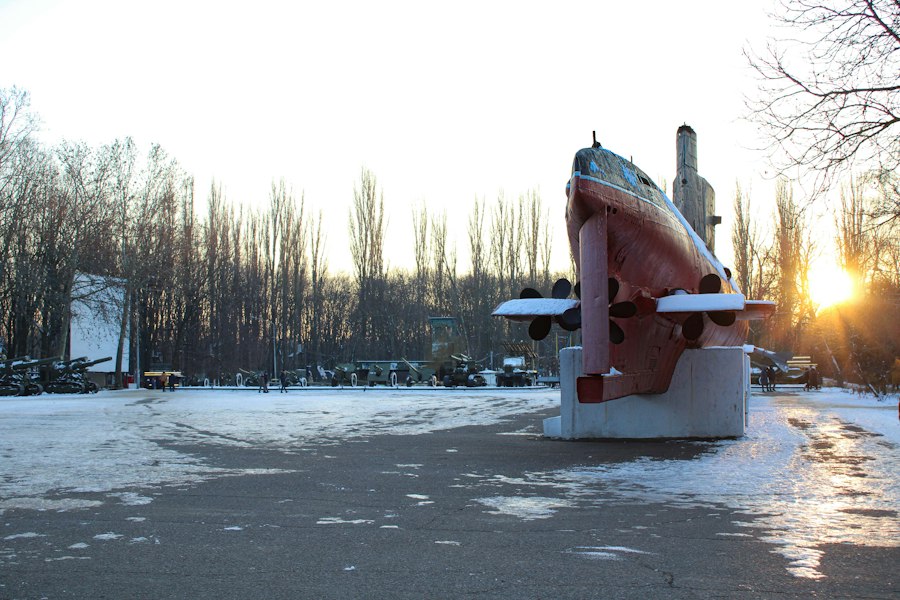
The Soviet Union’s submarine force represented a cornerstone of its naval strategy, and its evolution was characterized by a relentless pursuit of stealth, firepower, and operational endurance. From the early days of World War II, where they relied heavily on captured German designs and indigenous adaptations, the Soviets embarked on an ambitious program to field a submarine fleet capable of challenging Western naval supremacy. This endeavor was driven by the understanding that submarines offered a potent asymmetric advantage, capable of inflicting significant damage on surface fleets and disrupting vital sea lines of communication with a relatively lower capital investment. The focus was on quantity as well as quality, with the aim of overwhelming potential adversaries with sheer numbers.
Early Designs and the Shadow of German Technology
The initial post-war Soviet submarine force was heavily influenced by German U-boat designs, particularly the advanced Type XXI Elektroboot. These submarines, with their improved battery capacity and streamlined hulls, offered a glimpse into the future of submerged warfare. The Soviets, through captured technology and skilled engineers, were able to rapidly assimilate these concepts. Early Soviet designs like the Whiskey-class (Project 613) and the Zulu-class (Project 630) were direct descendants of these German blueprints. While these submarines were relatively unsophisticated by later standards, they allowed the Soviet Union to build a substantial submarine fleet, gaining valuable operational experience and laying the groundwork for more ambitious future developments. They served primarily as coastal defense and reconnaissance platforms, but their proliferation signaled a growing Soviet naval ambition.
The Rise of Nuclear Power and Strategic Deterrence
The true game-changer in Soviet submarine development was the advent of nuclear propulsion. Recognizing the limitations of diesel-electric endurance and the vulnerability of snorkel operations, the Soviets embarked on a crash program to develop nuclear-powered submarines. The USS Nautilus’s crossing of the North Pole in 1958 spurred the Soviets to accelerate their own nuclear submarine program. The Golf-class (Project 629) ballistic missile submarines, though diesel-powered, were an important transitional step, carrying the first Soviet strategic nuclear deterrent beneath the waves. However, it was the Leo-class (Project 658) and later the Delta-class (Project 667A) ballistic missile submarines that truly revolutionized Soviet naval power. These nuclear-powered vessels could remain submerged for months on end, launching intercontinental ballistic missiles (ICBMs) from dispersed locations, providing a credible second-strike capability. This greatly enhanced the Soviet Union’s strategic nuclear deterrent and forced NATO to re-evaluate its own defensive strategies, particularly in the North Atlantic. The Delta-class, in particular, with its increased missile capacity and improved sound reduction, became a potent symbol of Soviet naval power and a critical element of the Cold War’s strategic balance.
The Silent Hunters: Attack Submarine Innovations
Beyond strategic missile submarines, the Soviets also invested heavily in attack submarines (SSNs), designed to hunt down Western carrier strike groups and submarines. The introduction of the November-class (Project 627) was the Soviet Union’s first nuclear-powered attack submarine, a bold leap that immediately put them on par with the US in this critical area. Subsequent classes, like the Victor-class (Project 705 and 705K) and the Akula-class (Project 971), represented significant advancements. The Victor-class, known for its high speed and innovative titanium hull construction in some variants, was designed for high-speed intercepts. The Akula-class, developed in the latter stages of the Cold War, was a formidable opponent, featuring advanced sonar systems, quieter propulsion, and a potent array of torpedoes and cruise missiles. The Soviet Union’s emphasis on hull integrity and powerful, albeit often noisy, machinery reflected a design philosophy that prioritized raw performance and survivability in combat. The sheer number of these submarines, coupled with their growing sophistication, posed a persistent and significant threat to Western naval operations, forcing the US Navy to dedicate substantial resources to anti-submarine warfare (ASW).
The development of Soviet naval weapon systems has been a subject of extensive analysis, particularly in the context of Cold War naval strategies. For a deeper understanding of the technological advancements and strategic implications of these systems, you can refer to a related article that explores the evolution of Soviet naval capabilities and their impact on global maritime security. To read more, visit this article.
Surface Fleet Innovations: From Coastal Defense to Blue Water Ambitions
The Soviet Union’s surface fleet underwent a remarkable transformation, evolving from a force primarily focused on coastal defense to one capable of projecting power across the globe. This evolution was driven by a combination of strategic necessity and a desire to challenge Western naval dominance, particularly the perceived threat of US carrier battle groups. The development of new classes of warships, equipped with innovative weapon systems, signaled a shift in Soviet naval doctrine, embracing a more offensive and assertive posture on the world’s oceans.
The Rise of the Missile Cruiser and its Impact
Perhaps the most distinctive innovation of the Soviet surface fleet was the development and widespread deployment of missile cruisers. These vessels were designed to carry a heavy complement of anti-ship missiles, capable of overwhelming enemy carrier groups and other capital ships at extended ranges. The Sverdlov-class cruisers, while heavily armed with guns, were soon overshadowed by the missile-armed Kresta-class (Project 1134) and Kara-class (Project 1134B). However, it was the Kirov-class battlecruisers (Project 1144) that truly epitomized this new doctrine. These colossal vessels, the largest surface combatants built since World War II, were bristling with anti-ship missiles, surface-to-air missiles, and a formidable array of guns. Their primary role was to engage and neutralize enemy carrier strike groups, acting as the spearhead of Soviet naval operations. The sheer firepower and operational range of these missile cruisers represented a significant departure from traditional naval warfare, forcing Western navies to develop new tactics and countermeasures to deal with such heavily armed platforms.
Anti-Submarine Warfare Capabilities on Surface Ships
While the Soviets were building powerful offensive platforms, they also recognized the critical importance of anti-submarine warfare (ASW) for their surface fleet. This led to the development of specialized frigates and destroyers equipped with sophisticated ASW armament. The Kanin-class (Project 659/659T) and Kashin-class (Project 61) destroyers, for example, were among the first Soviet warships to be equipped with advanced sonar systems and torpedo tubes, along with ASW helicopters. The later Udaloy-class (Project 1155) destroyers were particularly notable for their substantial ASW capabilities, carrying a large number of ASW helicopters, torpedoes, and anti-submarine rocket launchers. These vessels were designed to operate in concert with other fleet units, providing a layered defense against the ever-present submarine threat. Their ability to detect and engage submarines at considerable distances was crucial for protecting the Soviet surface fleet and its vital sea lanes.
Amphibious Warfare and Seaborne Assault Capabilities
Beyond power projection and ASW, the Soviet Union also invested in developing significant amphibious warfare capabilities. This reflected a doctrine that considered large-scale amphibious assaults as a viable means of offensive operations. The development of purpose-built landing ships, such as the Ivan Gren-class (Project 1171) and the Alligator-class (Project 106), allowed the Soviet Navy to transport significant numbers of troops and equipment ashore. These vessels, coupled with the development of specialized landing craft and hovercraft, demonstrated a clear intent to conduct large-scale seaborne invasions. While the practical implementation of such operations remained largely theoretical due to the geopolitical landscape, the existence of these capabilities undoubtedly influenced strategic planning and demonstrated the Soviet Union’s broader military ambitions.
The Arsenal Beneath the Waves: Soviet Submarine-Launched Weapons
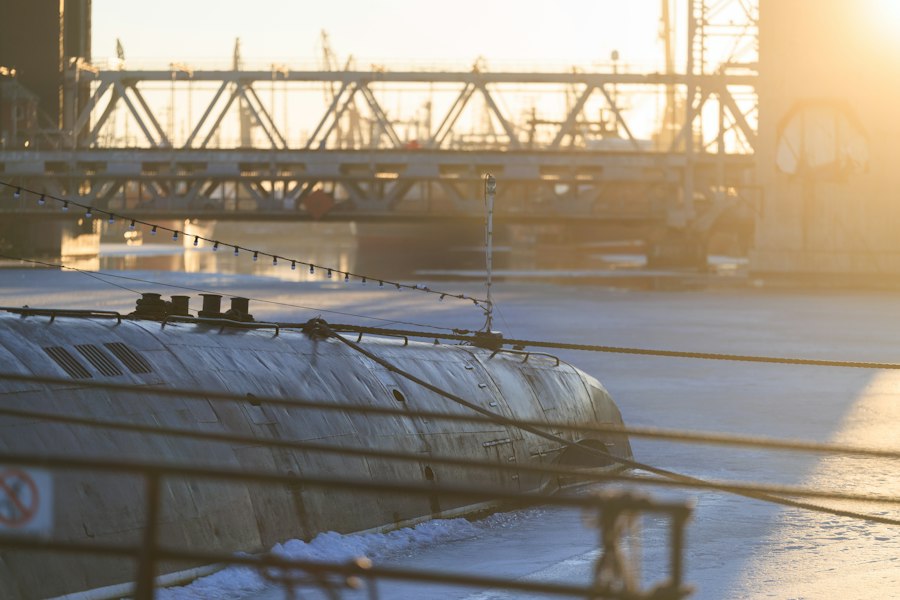
The Soviet Union’s mastery of submarine warfare was not solely dependent on the platforms themselves but on the advanced weaponry they carried. The evolution of torpedoes, cruise missiles, and ballistic missiles designed for submarine deployment was a critical factor in their naval strategy, offering a diverse and potent arsenal capable of both tactical and strategic devastation. The focus was on reliability, destructive power, and the ability to deliver payloads from the relative safety of the submerged depths.
Torpedoes: The Silent Killers of the Deep
Soviet submarines were equipped with a wide array of torpedoes, ranging from acoustic homing torpedoes designed to track and destroy enemy submarines to wire-guided torpedoes for precision attacks on surface vessels. Early Soviet torpedoes, while effective, were often considered less sophisticated than their Western counterparts. However, with advancements in sonar technology and guidance systems, Soviet torpedoes became increasingly capable. The VA-111 Shkval, a unique rocket-powered torpedo, represented a radical departure from conventional designs. Its extraordinary speed, reaching over 200 knots, made it virtually impossible to evade once launched, although its lack of sophisticated guidance limited its effectiveness against maneuverable targets. More conventional, but highly effective, were torpedoes like the SET-65 and the advanced Type 53-65KE, which provided Soviet submarines with formidable close-in anti-ship and anti-submarine capabilities. The sheer volume of torpedoes carried by Soviet submarines, combined with their increasingly sophisticated guidance systems, made them a persistent and deadly threat to any vessel operating in their vicinity.
Cruise Missiles: Extending the Reach of Submarines
The integration of cruise missiles onto Soviet submarines marked a significant expansion of their offensive capabilities. These missiles, capable of striking targets hundreds of miles inland, transformed submarines from purely naval combatants into strategic strike platforms. The SS-N-3 “Shaddock” was one of the earliest and most iconic of these weapons, carried by Golf-class and some other submarines. Later, the more advanced SS-N-7 “Starbright,” SS-N-9 “Siren,” and the highly capable SS-N-19 “Shipwreck” (P-500 Bazalt) and SS-N-22 “Sunburn” (P-270 Moskit) missiles were deployed on attack and cruise missile submarines. The SS-N-19, in particular, was a large, supersonic anti-ship missile designed to be launched from submerged submarines, capable of overwhelming modern naval defenses with its speed and warhead. These cruise missiles not only posed a direct threat to enemy warships but also significantly extended the Soviet Union’s ability to project power and threaten enemy coastal installations and military bases.
Ballistic Missiles: The Ultimate Deterrent
The most impactful of Soviet submarine-launched weapons were, without question, the submarine-launched ballistic missiles (SLBMs). These weapons formed the backbone of the Soviet Union’s nuclear deterrent and were crucial to its strategic parity with the United States. The R-29 (SS-N-18) and its successors, like the R-39 (SS-N-20) carried by the Typhoon-class submarines, were massive and powerful missiles capable of delivering multiple nuclear warheads (MIRVs) over intercontinental distances. The sheer destructive power of these missiles, coupled with the stealth and survivability of their submarine platforms, provided the Soviet Union with an unassailable second-strike capability. This ability to retaliate with devastating force, even after a first strike, was a cornerstone of Soviet strategic doctrine and played a significant role in maintaining the fragile peace during the Cold War. The deployment of these SLBMs forced the US to develop sophisticated early warning systems and to invest heavily in strategic defense initiatives.
Air Defense and Electronic Warfare: Protecting the Fleet
The Soviet Union recognized that its naval assets, both surface and subsurface, were vulnerable to air attack and enemy electronic countermeasures. Consequently, a significant portion of its naval weapon system development focused on robust air defense capabilities and sophisticated electronic warfare (EW) systems. The aim was to create a layered defense system that could detect, track, and neutralize aerial threats, while simultaneously disrupting enemy communications and targeting systems. This focus on survivability and operational integrity was a hallmark of Soviet military thinking.
Surface-to-Air Missiles: A Sky Shield for the Fleet
Soviet warships were equipped with a variety of surface-to-air missile (SAM) systems designed to protect the fleet from aerial assault. Early systems, like the SA-N-1 “Goa” carried by the Kashin-class destroyers, provided a basic level of air defense. However, later classes saw the deployment of more advanced and capable SAMs. The SA-N-6 “Grison” (Fort) system, for instance, deployed on Kirov-class battlecruisers and other large warships, was a long-range, radar-guided SAM that could engage multiple targets simultaneously. The SA-N-9 “Gauntlet” (Klinok), a shorter-range but highly effective system, was found on frigates and destroyers, providing close-in defense. The combination of these different SAM systems, along with integral guns, created a formidable air defense umbrella for Soviet naval formations, significantly increasing their survivability in a combat environment.
Electronic Warfare: Disrupting the Enemy’s Senses
Electronic warfare (EW) played a crucial role in Soviet naval doctrine, aiming to degrade the enemy’s ability to sense, communicate, and target. Soviet naval vessels were equipped with sophisticated electronic intelligence (ELINT) and electronic countermeasures (ECM) systems. These systems were designed to intercept enemy radar emissions, jam enemy communications, and deploy decoys to confuse enemy targeting systems. The Soviet emphasis on EW was driven by the desire to create an information advantage and to disrupt the coordinated operations of Western naval forces. For example, the use of radar jamming to blind enemy air defense systems before missile attacks, or to mask the approach of submarines, was a key tactic. The constant cat-and-mouse game of developing new EW technologies and countermeasures was a defining feature of the Cold War naval arms race, and Soviet advancements in this area were substantial.
Anti-Aircraft Artillery: The Last Line of Defense
While SAMs formed the primary air defense of Soviet warships, close-in weapon systems (CIWS) and anti-aircraft artillery (AAA) provided the crucial last line of defense against low-flying missiles and aircraft that might penetrate the SAM envelope. Systems like the AK-630, a rapid-fire Gatling gun system, were designed to engage incoming threats at very close range. These systems were often complemented by radar-guided fire control systems, ensuring a high volume of accurate fire. The integration of these gun systems with SAMs created a layered air defense network, ensuring that Soviet naval vessels had multiple opportunities to defend themselves against aerial attack. The robust and often heavily armed nature of Soviet warships, even smaller vessels, reflected this commitment to comprehensive self-defense.
The evolution of Soviet naval weapon systems has been a topic of significant interest among military historians and analysts. A comprehensive examination of this subject can be found in a related article that delves into the strategic implications of these systems during the Cold War era. For those looking to understand the complexities of naval warfare and the technological advancements made by the Soviet Union, this article provides valuable insights. You can read more about it in this informative piece on naval strategies.
The Strategic Legacy and Enduring Impact
| Weapon System | Type | Caliber / Size | Range | Rate of Fire | Service Entry | Platform |
|---|---|---|---|---|---|---|
| P-700 Granit (SS-N-19 Shipwreck) | Anti-Ship Cruise Missile | Metre-class missile | 550 km | Single shot | 1983 | Surface ships, submarines |
| AK-130 | Dual 130mm Naval Gun | 130 mm | 23 km (surface targets) | 90 rounds/min (combined) | 1980s | Surface combatants |
| RPK-2 Vyuga (SS-N-15 Starfish) | Anti-Submarine Missile | 533 mm torpedo size | 50 km | Single shot | 1960s | Surface ships, submarines |
| SA-N-6 Grumble (naval SAM) | Surface-to-Air Missile | Missile size approx. 5 m | 50 km | Multiple launch capability | 1980s | Surface combatants |
| RBU-6000 Smerch-2 | Anti-Submarine Rocket Launcher | 213 mm rockets | 6 km | Up to 120 rounds/min | 1960s | Surface ships |
The Soviet Union’s relentless pursuit of naval superiority and its innovative weapon systems left an indelible mark on maritime warfare. The development of potent submarine forces, technologically advanced surface combatants, and a diverse array of naval weaponry fundamentally altered the strategic landscape and influenced naval doctrines worldwide. The impact of these innovations extended far beyond the Cold War, shaping the trajectory of naval technology and the ongoing global balance of power.
The Arms Race and Technological Diffusion
The Soviet naval buildup and its associated weapon system developments directly fueled the naval arms race with the United States and its allies. Each Soviet innovation spurred a Western response, leading to rapid advancements in naval technology across the board. Sonar systems became more sensitive, missile technologies more sophisticated, and ship designs more robust. While the West often focused on precision and advanced electronics, the Soviet approach of robust design, mass production, and powerful, albeit sometimes less refined, systems proved highly effective and often forced Western adversaries to dedicate immense resources to counter these threats. The technologies and concepts developed during this period, such as stealth in submarines and advanced anti-ship missile capabilities, have since become integrated into naval forces globally, demonstrating the enduring influence of Soviet naval innovation.
Shifting Naval Doctrines and Strategic Thinking
The existence and capabilities of Soviet naval weapon systems forced a fundamental re-evaluation of naval doctrines. The threat posed by Soviet submarines necessitated a greater emphasis on anti-submarine warfare and the development of advanced detection and countermeasures. The formidable firepower of Soviet missile cruisers and battlecruisers compelled Western navies to rethink fleet composition and defensive strategies, leading to a greater emphasis on anti-ship missile defense and the integration of air defense assets within carrier strike groups. The Soviet Union’s own focus on sea control and power projection, even if not fully realized in practice, influenced the development of its own naval strategies, pushing it towards a more global and assertive posture. The strategic concept of the “sea-control fleet” versus the “sea-denial fleet” was heavily debated and influenced by the perceived strengths and weaknesses of both Soviet and Western naval forces.
The Enduring Shadow of Soviet Naval Power
Even after the dissolution of the Soviet Union, the legacy of its naval weapon systems continues to shape global maritime affairs. Many of the technologies and tactical approaches developed by the Soviets remain relevant, and the sheer volume of Soviet-era naval hardware, some of which remains in service with successor states, continues to be a factor in regional naval balances. Furthermore, the strategic lessons learned from the Cold War naval arms race, including the importance of technological innovation, deterrence, and the complex interplay of offensive and defensive capabilities, continue to inform naval development and strategic planning around the world. The Soviet naval experience stands as a powerful testament to how focused investment and determined innovation can dramatically alter the course of military history and the very nature of warfare on the world’s oceans.

The Soviet Warship That Learned to Fly
FAQs
What was the Soviet naval weapon system?
The Soviet naval weapon system was a series of advanced military technologies developed by the Soviet Union for use by its navy during the Cold War era.
What types of weapons were included in the Soviet naval weapon system?
The Soviet naval weapon system included a wide range of weapons such as anti-ship missiles, torpedoes, naval mines, anti-submarine rockets, and naval guns.
How did the Soviet naval weapon system compare to other naval weapon systems of the time?
The Soviet naval weapon system was considered to be highly advanced and formidable, often rivaling or surpassing the capabilities of Western naval weapon systems in terms of range, accuracy, and destructive power.
What impact did the Soviet naval weapon system have on naval warfare during the Cold War?
The Soviet naval weapon system significantly influenced naval warfare strategies and tactics during the Cold War, leading to the development of new defensive measures and countermeasures by Western naval forces.
Are any remnants of the Soviet naval weapon system still in use today?
While many of the specific weapons and technologies from the Soviet naval weapon system have been retired or replaced, some elements may still be in use or have influenced modern naval weapon systems in Russia and other countries.