The looming D-Day invasion, a pivotal moment in World War II, hinged not only on brute force but also on the cunning application of deception. As Allied forces prepared to breach the Atlantic Wall, a shadowy campaign of misinformation and illusion unfolded on the Western Front. Among the most ingenious and impactful of these deceptions were the “dummy tanks,” elaborate fabrications designed to fool the Nazi war machine, drawing its attention and resources away from the true landing zones. These phantom armored units, often constructed from canvas, wood, and sheer ingenuity, represented a crucial, albeit often overlooked, element of the psychological warfare that preceded the D-Day landings.
The Genesis of Illusion: Strategic Deception Before Normandy
The concept of employing deceptive tactics in warfare is as old as conflict itself. However, the scale and sophistication of the deception operations surrounding D-Day were unprecedented. Allied strategists, acutely aware of the formidable German defenses and the critical need to establish a foothold in Normandy, recognized that a direct, unvarnished assault might prove disastrous. Intelligence suggested that the Germans were anticipating an invasion, but pinpointing the exact location remained a formidable challenge for both sides. This uncertainty became fertile ground for Allied deception efforts, aiming to exacerbate German confusion and misdirect their crucial reserves.
Before the Normandy invasion, the Allies employed a variety of deceptive tactics to mislead German forces, one of which involved the use of fake tanks. These inflatable and mock vehicles were strategically placed to create the illusion of a larger military presence, thereby diverting enemy attention and resources. For an in-depth exploration of these tactics and their impact on the D-Day operations, you can read the related article at this link.
Operation Bodyguard: The Grand Deception Scheme
Operation Bodyguard was the overarching strategic deception plan orchestrated by the Allies to mislead the Axis powers about the timing and location of the invasion of German-occupied Western Europe. It encompassed a vast array of deceptions, including feints, impersonations, and a sophisticated network of double agents. The primary objective was to convince the Germans that the main invasion would occur at the Pas-de-Calais, the narrowest point of the English Channel, which was geographically closer to Britain and thus a more logical invasion point. This was to be achieved through a series of carefully crafted narratives and staged events.
The Role of Phantom Armies
Within the framework of Operation Bodyguard, the creation of phantom armies played a significant role. These were not just imaginary units; they were meticulously constructed illusions designed to appear as tangible, imminent threats. The goal was to make the Germans believe that large concentrations of Allied troops, tanks, and aircraft were massing at specific locations, particularly in Southeast England, poised to attack the Pas-de-Calais. This would tie down German divisions and defensive preparations in that area, leaving Normandy relatively less defended when the real invasion force arrived.
Crafting the Mirage: The Art of the Fake Tank
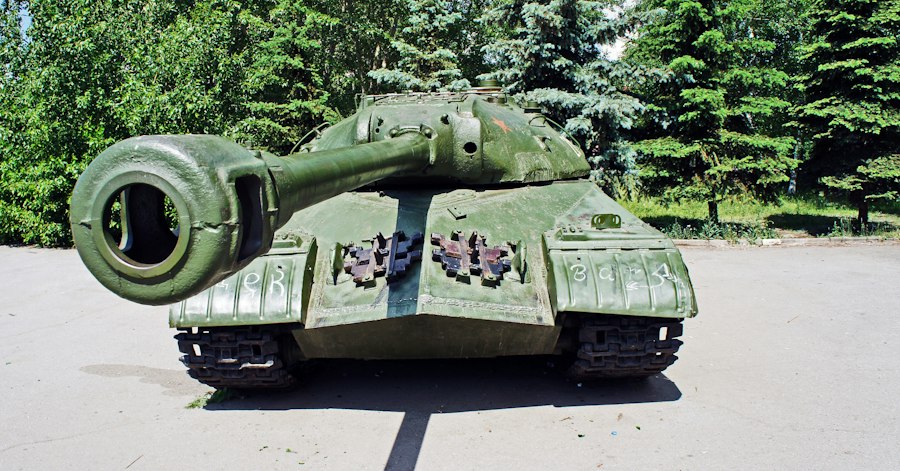
The creation of fake tanks was a particularly vital component of these phantom army maneuvers. German reconnaissance, both aerial and ground-based, posed a constant threat of uncovering Allied plans. Therefore, the ability to create convincing replicas that could withstand scrutiny was paramount. These were not simple cardboard cutouts; they were designed to mimic the appearance and even the scale of actual armored vehicles.
Materials and Construction Techniques
The construction of these dummy tanks involved a diverse range of materials, often dictated by availability and the need for rapid deployment. The primary structure was typically built from lightweight wood and canvas. This allowed for the creation of the basic shape and silhouette of various Allied tanks, such as the Sherman and the Churchill. For greater realism, particularly for aerial reconnaissance, the canvas could be painted to resemble the metallic sheen of real tanks. Inflatable tanks were also employed, offering an even greater advantage in terms of portability and rapid deployment. These could be inflated quickly and positioned to create the impression of significant armored formations. Strategic placement of these inflatable tanks, often under tarpaulins or partially concealed, added to the illusion of concealed preparations. The illusion of movement and activity was also crucial. Inflatable tank tracks, for instance, could be designed to give the impression of tracks in the mud, further reinforcing the idea of a large armored presence.
Deception in Action: Deploying the Phantom Divisions
The effectiveness of these fake tanks lay not only in their construction but also in their strategic deployment and the elaborate narratives that surrounded them. The goal was to create a believable, albeit entirely fictional, threat that would consume German attention and resources.
The Ghost Armies of Dover and the Thames
The most famous example of this deception was the establishment of the First U.S. Army Group (FUSAG), a phantom army commanded by the respected General George S. Patton. This fictitious force was ostensibly amassed in Southeast England, directly opposite the Pas-de-Calais. The presence of FUSAG, with its supposed vast numbers of tanks and other equipment, was communicated through a variety of means. Dummy tanks were strategically placed in fields and along coastlines, visible from the air. Fake camps, complete with dummy anti-aircraft guns and even fabricated radio traffic, were established to support the illusion. Allied agents fed information to the Germans about FUSAG’s strength and supposed objectives, further solidifying the deception. The Thames Estuary also became a focal point for illusory naval preparations, with dummy landing craft and warships adding to the elaborate charade.
In the lead-up to the Normandy invasion, the Allies employed various deceptive tactics to mislead German forces about their true intentions. One notable strategy involved the use of fake tanks and other decoys, which were designed to create the illusion of a larger military presence in certain areas. This clever ruse is explored in greater detail in an insightful article that discusses the broader implications of such deception tactics during World War II. For more information, you can read the article on deceptive warfare techniques used by the Allies.
The Psychological Battlefield: Impact and Legacy
| Metric | Details |
|---|---|
| Number of Fake Tanks Used | Approximately 1,000 |
| Primary Materials | Wood, canvas, inflatable rubber |
| Purpose | Deception to mislead German forces about invasion location |
| Operation Name | Operation Fortitude |
| Deployment Areas | Calais region and other locations away from Normandy |
| Duration of Use | Several weeks leading up to D-Day (June 6, 1944) |
| Effectiveness | Successfully diverted German troops and resources |
The impact of these deceptive tactics, including the widespread use of fake tanks, extended far beyond the physical placement of manufactured objects. It was a sophisticated psychological operation that played a crucial role in the success of the D-Day landings.
Misdirection and Resource Allocation
By convincing the Germans that the main Allied assault would be at the Pas-de-Calais, the Allies successfully drew significant German military forces, including vital Panzer divisions, away from Normandy. This misdirection was critical. It thinned out German defenses in the actual landing zones, allowing the Allied troops to gain a crucial advantage and establish a beachhead. The uncertainty fostered by these deceptions also led to hesitation and delayed responses from German High Command, further aiding the Allied cause. The constant vigilance and anticipation of an attack at Pas-de-Calais kept German forces occupied and reactive, rather than proactively reinforcing the true invasion areas.
The Enduring Significance of Fake Tanks
The story of the fake tanks before Normandy is a testament to the ingenuity and strategic thinking that characterized the Allied war effort. These seemingly simple fabrications played a disproportionately significant role in the monumental success of D-Day. They highlight the fact that warfare is not solely about the application of overwhelming force, but also about the art of illusion and the manipulation of the enemy’s perceptions. The “Ghost Army” and its illusory tanks stand as a powerful reminder that in the grand chess game of war, sometimes the most effective weapons are those that exist only in the imagination of the enemy. Their legacy is a crucial footnote in the history of military deception, demonstrating how even the most rudimentary materials, when wielded with strategic brilliance, can shape the course of history. The planning and execution of these deceptions required immense coordination across multiple intelligence agencies, military branches, and even civilian contractors, underscoring the collaborative nature of such complex operations. The success of these fake tanks was a testament to the trust and coordination between various Allied forces, working in concert to achieve a singular, critical objective. The meticulous attention to detail in their creation, from the precise dimensions of a Sherman tank to the subtle weathering on a canvas hull, was vital in overcoming the scrutiny of sophisticated German reconnaissance. This level of detail was not merely for aesthetic purposes; it was a calculated measure to ensure the credibility of the illusion. Furthermore, the integration of these visual deceptions with other elements of Operation Bodyguard, such as radio traffic and the movement of real troops in areas where they were meant to be seen, created a layered and robust system of deception that was incredibly difficult for the Germans to unravel. The ultimate effectiveness of these dummy tanks lies in their contribution to a broader strategic objective, demonstrating how individual tactical deceptions, when woven into a cohesive narrative, can achieve significant operational and strategic gains. Their success was not a matter of luck, but the direct result of careful planning, precise execution, and a deep understanding of the enemy’s mindset and capabilities.
How the Allies Built an Army for Germany to Discover
FAQs
What were fake tanks used for before the Normandy invasion?
Fake tanks were used as part of a deception strategy to mislead the German forces about the location and strength of Allied troops before the Normandy invasion.
How were fake tanks created?
Fake tanks were created using inflatable rubber decoys that were designed to look like real tanks from the air. They were strategically placed in different locations to confuse enemy reconnaissance.
Did the use of fake tanks have any impact on the success of the Normandy invasion?
Yes, the use of fake tanks played a significant role in deceiving the German forces and diverting their attention away from the actual landing sites during the Normandy invasion. This helped to create confusion and delay the German response.
Were there any other decoy tactics used besides fake tanks?
In addition to fake tanks, other decoy tactics were used before the Normandy invasion, such as dummy landing craft, fake radio transmissions, and the creation of fake military units to further confuse the enemy.
Who was responsible for planning and implementing the use of fake tanks before the Normandy invasion?
The use of fake tanks and other deception tactics before the Normandy invasion was part of Operation Bodyguard, a larger strategic deception plan coordinated by the Allies, with key contributions from British intelligence agencies and military commanders.