The vast expanses of the world’s oceans have always represented a critical strategic frontier, and for the Soviet Union, control and projection of power across these maritime domains were paramount. Central to this ambition was the development of a formidable naval aviation capable of challenging and, if necessary, dominating any adversary at sea. This endeavor was not merely about mass production of existing designs; it involved a relentless pursuit of innovation, a willingness to experiment with radical concepts, and a deep understanding of the unique demands of operating aircraft from the turbulent decks of ships and over unforgiving waters. The Soviet Naval Aviation, therefore, became a fertile ground for ambitious prototyping, pushing the boundaries of aerospace engineering in a constant effort to gain an edge in maritime air power. These prototypes, often born from a blend of desperation and ingenuity, represent a fascinating chapter in military aviation history, revealing the Soviet Union’s strategic thinking and technological prowess.
Early Visions and the Quest for Carrier Capability
The initial decades of the Soviet Union’s existence saw a pragmatic, yet ultimately insufficient, approach to naval aviation. Without a significant carrier fleet akin to those of the Western powers, Soviet naval aircraft were largely shore-based, tasked with coastal defense, reconnaissance, and anti-submarine warfare. However, the strategic implications of carrier-borne aviation were not lost on Soviet planners, particularly as the Second World War highlighted the decisive role of naval air power in projecting force. The post-war era witnessed a growing realization that to truly contest global maritime dominance, a dedicated carrier capability was essential. This understanding spurred the initial, albeit hesitant, explorations into aircraft designed for carrier operations, laying the groundwork for more ambitious projects that would emerge in the subsequent decades. The challenge was immense: Soviet industrial capacity, while substantial, had not historically been geared towards the specialized requirements of carrier aircraft, such as folding wings, arrester hooks, and reinforced landing gear. Furthermore, the lack of operational carrier experience meant that much of the development was based on theoretical understanding and adapted concepts from other nations.
The Shadow of the Ulyanovsk and its Implication
The ambitious Karkal class aircraft carrier, later named Ulyanovsk, represented the pinnacle of Soviet carrier aspirations. While ultimately unfinished and scrapped, the very conception and partial construction of such a massive vessel implied a parallel and necessary development in naval aviation. The types of aircraft that would have operated from Ulyanovsk, or its sister ship (if it had been built), dictated a significant leap in Soviet naval aviation technology. Prototypes were undoubtedly conceived and perhaps even flown in preliminary forms, designed to meet the demanding requirements of operating in a carrier environment. These would have included advanced strike fighters capable of both air-to-air combat and precision bombing, as well as sophisticated maritime patrol and anti-submarine warfare aircraft with a much greater range and endurance than their shore-based predecessors. The design and testing of such aircraft, even if not fully realized due to the collapse of the Soviet Union, contributed valuable knowledge and experience to the Soviet aviation industry, influencing later designs that found their way into service in different capacities.
Adapting Existing Designs for Naval Roles
A common strategy employed by the Soviet Union was to adapt existing, successful land-based aircraft for naval roles. This approach offered a more expedient path to developing naval aviation capabilities, leveraging established airframes and engines while introducing modifications to meet the specific needs of maritime operations. Prototypes in this category often focused on adding naval features, such as catapult launch attachments, arrester hook systems, and corrosion-resistant materials. These adaptations, while sometimes less elegant than purpose-built carrier aircraft, were crucial in filling operational gaps and providing valuable data for future, more specialized designs. The process often involved extensive testing at naval air stations, simulating carrier landings and catapult launches to refine the modifications and assess the aircraft’s performance in a maritime context.
Soviet naval aviation has a rich history of innovative designs and prototypes, one of which is highlighted in a fascinating article on the topic. For those interested in exploring the intricacies of these aircraft and their impact on naval operations, I recommend reading the related article available at In the War Room. This piece delves into the development and significance of various Soviet naval aviation prototypes, shedding light on their roles during the Cold War era and beyond.
VTOL and the Vertical Revolution
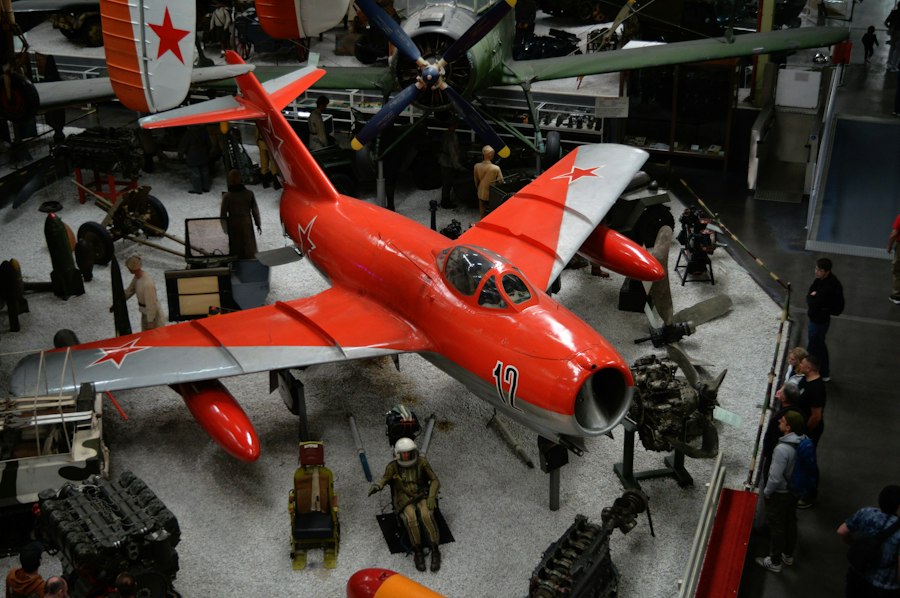
Perhaps one of the most revolutionary and ambitious avenues explored by Soviet naval aviation was the development of Vertical Take-Off and Landing (VTOL) and Short Take-Off and Vertical Landing (STOVL) aircraft. Recognizing the limitations and expense associated with traditional aircraft carriers, Soviet designers sought alternative methods to project air power from naval vessels. This pursuit led to some of the most innovative and visually striking prototypes in Soviet aviation history, pushing the boundaries of lift-fan technology and engine integration. The potential advantages were immense: smaller, less complex ships could operate fixed-wing aircraft, increasing the flexibility and survivability of the Soviet naval fleet.
The Yak-38 Forger: A Pioneering STOVL Effort
The Yakovlev Yak-38, codenamed “Forger” by NATO, stands as a testament to the Soviet Union’s early commitment to STOVL technology. This aircraft was designed to operate from relatively small naval vessels, such as the Kiev-class “heavy aircraft-carrying cruisers.” While the Yak-38 was a production aircraft, its development involved numerous prototypes and experimental variants that explored various aspects of STOVL flight. These prototypes were crucial in testing the complex lift-fan systems, the engine configurations, and the control mechanisms required for vertical and short take-offs and landings. The challenges were significant, including engine reliability, fuel consumption, and the inherent instability of vertical flight, which made these aircraft demanding to fly. Nevertheless, the experience gained from the Yak-38 program provided invaluable data and laid the foundation for subsequent, more advanced VTOL concepts.
Exploring Beyond the Forger: Advanced VTOL Concepts
Beyond the operational Yak-38, Soviet designers delved into more radical VTOL concepts. Prototypes were conceived and possibly even flown that explored different configurations for achieving vertical lift. This included studies into tilting rotors, advanced lift-fan designs integrated into wings, and even hybrid propulsion systems. The goal was to overcome the limitations of the Yak-38’s engine placement and improve its payload capacity and operational range. These experimental aircraft represented a bold vision for the future of naval air power, aiming to create aircraft that could offer the flexibility of helicopters with the speed and performance of fixed-wing jets. While many of these advanced concepts never moved beyond the drawing board or limited flight testing, they showcase the depth of Soviet ambition and their willingness to invest in high-risk, high-reward technologies for maritime superiority.
Anti-Submarine Warfare and the Ocean Patrol

The vast oceans of the Cold War were a constant theater of cat-and-mouse operations, with the Soviet Union placing a significant emphasis on detecting and neutralizing enemy submarines. Naval aviation played a pivotal role in this critical mission, and numerous prototypes were developed to enhance Soviet capabilities in maritime reconnaissance, anti-submarine warfare (ASW), and anti-surface warfare (ASuW). These aircraft were designed to operate for extended periods over the ocean, equipped with sophisticated sensor suites and a formidable array of anti-submarine weaponry.
The Be-12 Tchaika and its Derivatives
The Beriev Be-12 “Tchaika” (Seagull) was a successful amphibious maritime patrol and anti-submarine warfare aircraft that entered service in the early 1960s. However, before and during its operational life, various prototypes and experimental variants were developed to refine its capabilities. These included aircraft equipped with more advanced radar systems, improved sonobuoy deployment mechanisms, and enhanced electronic warfare suites. The amphibious nature of the Be-12 allowed it to operate from shore bases and water, offering significant operational flexibility. Prototypes explored different engine configurations and wing designs to improve its endurance and payload, crucial for long-duration ASW patrols. The insights gained from these prototypes directly influenced the design and operational doctrine of Soviet ASW aviation.
The Long-Range Reconnaissance and Strike Prowess
Beyond dedicated ASW platforms, Soviet naval aviation also focused on developing long-range reconnaissance and strike aircraft capable of operating far from Soviet shores. Prototypes in this category often aimed to combine extensive patrol capabilities with the ability to deliver precision strikes against enemy naval assets. This led to designs that prioritized aerodynamic efficiency, powerful engines for extended range, and sophisticated electronic intelligence gathering equipment. The intention was to provide the Soviet Navy with the ability to monitor enemy fleet movements, identify targets, and engage them if necessary, even in distant oceanic waters. These prototypes represented a strategic desire to project Soviet influence and power across the globe’s maritime domains.
Maritime Strike and the Carrier Killer Concept
A cornerstone of Soviet naval strategy was the development of aircraft designed to neutralize enemy carrier battle groups. The perceived threat of these powerful Western formations spurred the creation of specialized maritime strike aircraft, often referred to as “carrier killers.” Prototypes in this area were characterized by their speed, maneuverability, and the capacity to carry potent anti-ship missiles. The goal was to overwhelm enemy defenses with coordinated attacks, delivering crippling blows to the heart of enemy naval power. This pursuit led to some of the most iconic and feared Soviet naval aircraft.
The Su-24MR and its Naval Variants
While the Sukhoi Su-24 “Fencer” was primarily a tactical bomber and interdictor for the Soviet Air Force, modifications and dedicated naval variants were explored and developed as prototypes for naval strike roles. The Su-24MR, a reconnaissance variant, demonstrated the platform’s potential for maritime operations. Prototypes specifically envisioned for naval service would have integrated specialized anti-ship missile guidance systems, reinforced airframes for carrier operations (though the Su-24 was never a carrier aircraft), and improved electronic warfare capabilities to penetrate enemy defenses. The speed and payload capacity of the Su-24 platform made it a logical candidate for developing a potent carrier-based or carrier-capable strike asset, even if its ultimate naval deployment was limited.
The Tu-22M Backfire: A Maritime Stalker
The Tupolev Tu-22M “Backfire” is a prominent example of a Soviet long-range strategic bomber with a significant maritime strike role. While it served with the Soviet Air Force and Naval Aviation, its development involved numerous prototypes and experimental configurations aimed at maximizing its effectiveness against naval targets. The Backfire was designed to carry a substantial payload of anti-ship missiles, including the formidable Kh-22, capable of engaging capital ships at extreme ranges. Prototypes likely explored various missile carriage configurations, improved radar systems for target acquisition over water, and enhanced electronic countermeasures to survive in contested airspace. The sheer power and range of the Backfire made it a significant threat to any Western naval formation, and its development represents a crucial aspect of Soviet naval aviation’s anti-carrier doctrine.
The development of Soviet naval aviation prototypes played a crucial role in enhancing the capabilities of the Soviet fleet during the Cold War. These innovative aircraft were designed to operate from aircraft carriers and engage in various missions, including anti-submarine warfare and reconnaissance. For a deeper understanding of the advancements in this field, you can explore a related article that delves into the intricacies of these prototypes and their impact on naval strategy. To read more about this fascinating topic, visit this article.
The Legacy and the Lessons Learned
| Prototype Name | Year Developed | Type | Role | Engine | Max Speed (km/h) | Range (km) | Armament |
|---|---|---|---|---|---|---|---|
| Beriev Be-6 | 1949 | Flying Boat | Maritime Patrol / Reconnaissance | 4 × Shvetsov ASh-73 radial engines | 550 | 4,000 | Bombs, Torpedoes, Machine Guns |
| Yak-38 | 1971 | VTOL Fighter | Carrier-based Fighter/Attack | 1 × Tumansky R-28-300 turbojet + 2 × Rybinsk RD-36-35 lift jets | 1,100 | 1,200 | Rockets, Missiles, Guns |
| Su-33 Prototype | 1987 | Carrier-based Fighter | Air Superiority / Multirole | 2 × Saturn AL-31F turbofans | 1,900 | 1,500 | Missiles, Bombs, Guns |
| Il-38 | 1967 | Maritime Patrol Aircraft | Anti-Submarine Warfare | 2 × Ivchenko AI-20 turboprops | 650 | 4,500 | Torpedoes, Depth Charges, Mines |
The Soviet Naval Aviation’s journey through prototyping was a dynamic and often secretive endeavor, driven by a potent blend of strategic necessity, ideological competition, and a relentless pursuit of technological advancement. While the Soviet Union is no more, the innovations and lessons learned from these ambitious projects continue to resonate within modern naval aviation. The exploration of VTOL technology, the development of sophisticated anti-submarine warfare platforms, and the relentless focus on maritime strike capabilities all contributed to a rich legacy of maritime air power. The Soviet approach, often characterized by ingenuity born from constraints, demonstrated a remarkable ability to adapt and innovate, pushing the boundaries of what was considered possible in aerospace engineering.
The Enduring Influence of Soviet Design Philosophy
The Soviet emphasis on robust, rugged, and often simpler-to-produce designs, contrasted with the more complex and technologically advanced Western counterparts, had a lasting impact. Even when prototypes didn’t enter widespread production, the underlying principles and technological solutions developed often found their way into later Soviet and even post-Soviet designs. The pursuit of STOVL, while facing significant challenges, paved the way for understanding the complexities of vertical lift, a field that continues to evolve. Similarly, the dedication to long-range maritime patrol and strike aircraft cemented the importance of projecting power across vast oceanic distances, a doctrine that remains central to modern naval strategy.
The Unrealized Potential and the Future
The collapse of the Soviet Union undoubtedly halted many promising prototyping programs. The economic and political upheavals meant that ambitious projects, such as the Ulyanovsk carrier and some of the more advanced VTOL concepts, were either abandoned or significantly curtailed. However, the knowledge base and the engineers who worked on these prototypes dispersed, carrying their expertise into new ventures. The legacy of Soviet naval aviation prototyping is not just a historical footnote; it is a testament to human ingenuity and the unyielding drive to innovate, a drive that continues to shape the future of maritime air power across the globe. The challenges faced and the solutions devised by Soviet engineers in their quest for naval air superiority offer invaluable insights for anyone studying the evolution of military technology and the enduring importance of the sea as a strategic domain.

The Soviet Warship That Learned to Fly
FAQs
What was the purpose of the Soviet naval aviation prototype?
The Soviet naval aviation prototype was designed to test new technologies and capabilities for naval aircraft that could be used in the Soviet Navy.
When was the Soviet naval aviation prototype developed?
The Soviet naval aviation prototype was developed during the Cold War era, specifically in the 1970s and 1980s.
Which aircraft were part of the Soviet naval aviation prototype program?
The Soviet naval aviation prototype program included aircraft such as the Yakovlev Yak-36, Yak-38, and Yak-41, which were vertical takeoff and landing (VTOL) aircraft.
Did the Soviet naval aviation prototype program lead to any successful developments?
Yes, the Soviet naval aviation prototype program led to the development of the Yak-38 Forger and Yak-41 Freestyle aircraft, which were used operationally by the Soviet Navy.
What impact did the Soviet naval aviation prototype program have on naval aviation technology?
The Soviet naval aviation prototype program contributed to advancements in VTOL technology and influenced the design of future naval aircraft around the world.