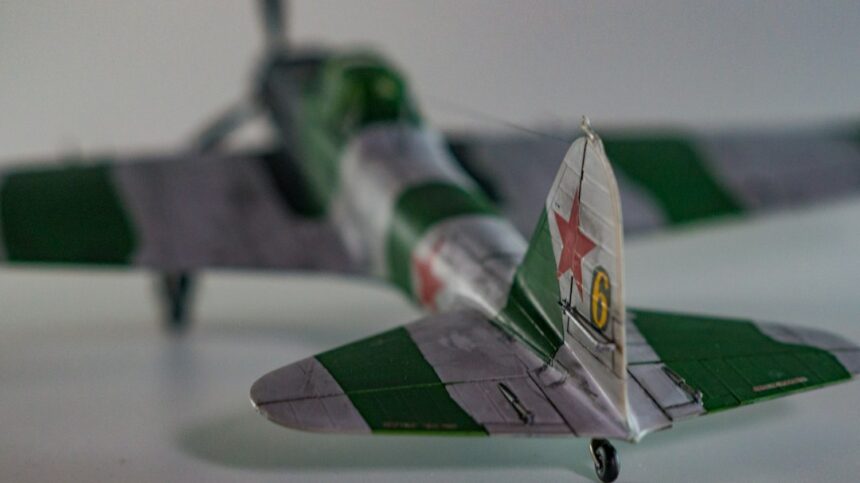
The Genesis of the Red Fleet’s Wings
The story of Soviet Naval Aviation is a testament to a nation’s rapid industrialization and its strategic imperative to project power across vast maritime frontiers. From its nascent beginnings in the chaotic aftermath of the Russian Revolution, the concept of using aircraft to support naval operations evolved from a nascent dream into a formidable force, shaping naval doctrine and global power dynamics for decades. The early years were characterized by a desperate struggle for resources and expertise, drawing upon disparate elements of pre-revolutionary aviation and a burgeoning national drive to rebuild.
Early Forays and the Interwar Period
The foundations of Soviet Naval Aviation were laid in the 1910s, albeit with limited resources. Early naval aviation units were established primarily for reconnaissance and coastal defense. The Imperial Russian Navy, though not as advanced as its Western counterparts, had experimented with seaplanes and dirigibles. Following the Bolshevik Revolution, these nascent capabilities were inherited and adapted by the new Soviet government. The immediate post-revolution period was marked by civil war and economic hardship, making significant investment in advanced aviation a low priority. However, the strategic importance of controlling Russia’s extensive coastlines and sea lanes was recognized.
Rebuilding and Reorganization in the 1920s
The 1920s saw a concerted effort to rebuild and modernize the Soviet military, including its naval aviation arm. Under the leadership of figures like Mikhail Tukhachevsky, a visionary military theorist, the Red Army and Red Navy underwent significant reforms. This period witnessed the establishment of specialized naval aviation schools and training programs. While still heavily reliant on foreign technology and expertise, the Soviets began to develop their own aircraft designs, often with a focus on robustness and simplicity, suitable for the harsh operating conditions prevalent in many Soviet naval theaters. The emphasis was on creating a force capable of independent operations, but crucially, one that could also integrate seamlessly with surface fleets. This interdependency between naval aviation and the surface fleet was a defining characteristic that would persist throughout its history.
The Influence of Foreign Technology and Doctrine
In its early development, Soviet Naval Aviation was heavily influenced by the technological advancements and operational doctrines of other major naval powers, particularly Britain, France, and later Germany. Soviet engineers and pilots studied foreign aircraft designs, naval exercises, and aviation theories. This absorption of external knowledge was not a passive process; it was selectively adapted to Soviet conditions and strategic objectives. For instance, the development of carrier aviation, though a later concern, was closely watched, and initial Soviet attempts at developing their own carriers were influenced by designs seen in other navies. The concept of ship-borne aircraft, whether launched from catapults or operating from dedicated carriers, offered a significant advantage in extending a fleet’s reconnaissance and strike capabilities beyond the horizon.
For those interested in the fascinating history of Soviet naval aviation, a related article that delves into the strategic developments and technological advancements of this military branch can be found at this link. The article explores key events and figures that shaped the Soviet naval aviation landscape, providing valuable insights into its role during the Cold War and beyond.
The Crucible of World War II
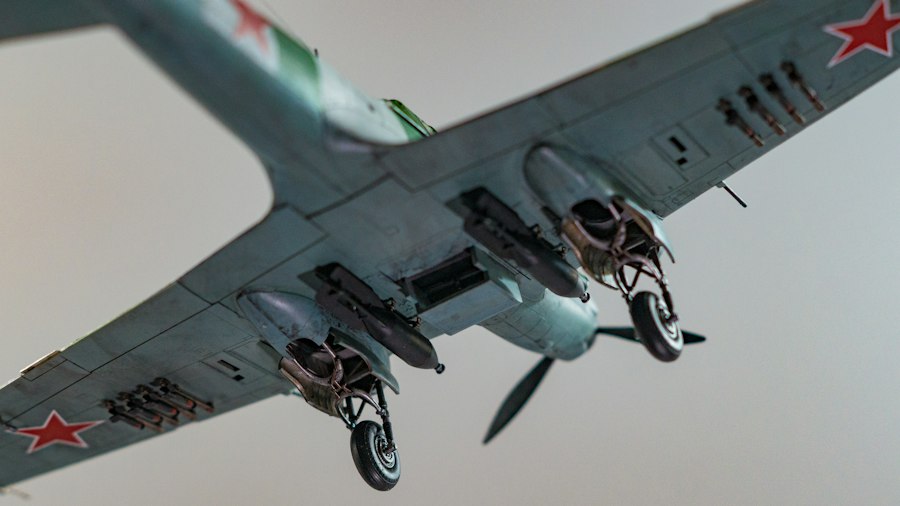
The Great Patriotic War, as it was known in the Soviet Union, proved to be the ultimate test for Soviet Naval Aviation. From the Baltic to the Black Sea, its aircraft played a critical role in supporting ground operations, interdicting enemy shipping, and defending Soviet coastlines. The war demanded adaptability, innovation, and immense courage from its aviators, who often operated in overwhelming numerical inferiority and with limited resources. The experiences of this period forged a resilient and battle-hardened force.
The Early War: Defense and Support
At the outbreak of hostilities in 1941, Soviet Naval Aviation was tasked with a multifaceted role. Its aircraft were crucial for reconnaissance, providing vital intelligence on enemy movements and intentions. They also undertook bombing and torpedo attacks against Axis warships and troop transports, particularly in the Baltic and Black Sea theaters. The necessity of supporting beleaguered Red Army ground forces often meant that naval aircraft were diverted to land-based operations, highlighting the close integration, and sometimes the strain, between naval and air force assets. Aircraft like the Petlyakov Pe-2 bomber, though primarily a tactical bomber, found extensive use in naval roles, as did torpedo bombers and fighter aircraft. The defenders of naval bases and cities also relied heavily on naval aviation for air defense.
Innovation Under Fire: Torpedo Bombers and Anti-Submarine Warfare
The war highlighted the critical importance of torpedo bombers and anti-submarine warfare (ASW) capabilities for a nation reliant on maritime supply lines and facing a formidable U-boat threat. Soviet designers and pilots worked to improve torpedo accuracy and delivery techniques. While the Soviet Union lagged behind the Allies in developing dedicated ASW aircraft and sophisticated detection equipment, naval aviators performed admirably with the resources available. They conducted anti-submarine patrols, dropping depth charges and attacking submarines when identified. The development of specialized torpedoes and the training of crews to deliver them effectively became a key focus. The harsh realities of war often forced rapid innovation, with aircraft being modified and tactics refined in the heat of battle.
The Pacific Front and Post-War Expansion
While the European front dominated much of the war, Soviet Naval Aviation also played a role in the Pacific, particularly in the final months of the conflict against Japan. After the war, with the emergence of the Cold War, the Soviet Union embarked on a massive expansion of its naval capabilities, including its air arm. The acquisition of aircraft carriers and the development of shore-based maritime patrol and strike aircraft became central to Soviet naval strategy. This post-war period saw a significant shift towards projecting power beyond Soviet territorial waters and challenging the dominance of the United States Navy.
The Cold War Era: Global Reach and Strategic Deterrence
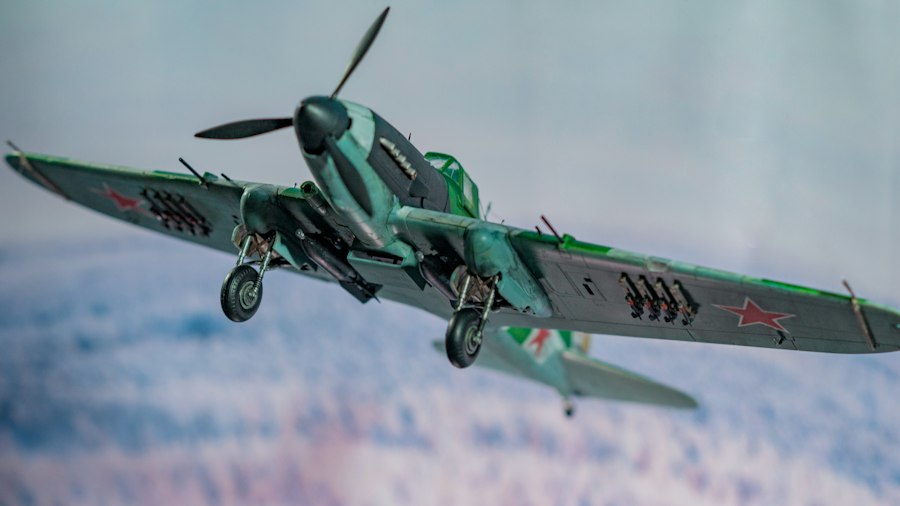
The Cold War era witnessed the dramatic expansion and modernization of Soviet Naval Aviation into a global force. Driven by the need to counter NATO’s naval power and project Soviet influence, the design and deployment of advanced maritime aircraft, including carrier-based aircraft and long-range bombers, became a top priority. Soviet Naval Aviation aimed to achieve naval parity and, in some areas, superiority, challenging the United States’ global maritime dominance.
The Rise of Carrier Aviation and Shore-Based Power
The Soviet Union’s pursuit of aircraft carriers, though initially met with skepticism and limited success compared to Western counterparts, was a significant undertaking. The early carriers, converted from merchant ships or built with unique designs, were often limited in their operational capabilities and aircraft complements. However, they represented a commitment to developing a carrier-based strike capability. More significantly, Soviet Naval Aviation heavily relied on a vast network of shore-based airfields and highly capable maritime patrol and strike aircraft. These long-range bombers, such as the Tu-16 Badger and later the Tu-95 Bear, were armed with anti-ship missiles, giving them the capability to threaten carrier battle groups from hundreds of miles away. Maritime patrol aircraft like the Il-38 May and Tu-142 Bear-F provided crucial reconnaissance and anti-submarine capabilities.
Carrier Development: A Soviet Perspective
Soviet carrier development was a complex and often experimental endeavor. Unlike the Western focus on large, conventionally powered carriers designed for power projection, Soviet carriers evolved through several distinct phases. The early “Kiev-class” and “Admiral Kuznetsov-class” carriers were not pure aircraft carriers but rather heavy aircraft-carrying cruisers, designed to provide air cover and anti-ship strike capabilities to the fleet, while also carrying surface-to-air missile systems. This hybrid approach reflected Soviet doctrine, which emphasized the fleet’s role in both offensive and defensive operations, and the desire to integrate air power as a component of a larger naval battle group. The challenge of developing effective catapults and arresting gear for ski-jump designs also presented unique engineering hurdles, impacting aircraft types and operational efficiency.
The Interception Mission and ASW Dominance
A key role for Soviet Naval Aviation during the Cold War was the interception of NATO naval forces, particularly the U.S. Navy’s carrier battle groups. Long-range bombers and naval strike aircraft were tasked with identifying, tracking, and attacking these formidable formations. This mission was crucial for Soviet naval strategy, aiming to neutralize the projection of American power. Simultaneously, a massive effort was dedicated to anti-submarine warfare. Soviet submarines posed a significant threat to NATO’s transatlantic supply lines, and the Soviet Union sought to develop its own ASW capabilities to counter NATO submarine operations and protect its own fleet. Dedicated ASW aircraft, equipped with advanced sonar buoys, magnetic anomaly detectors, and torpedoes, formed a vital part of the naval aviation order of battle.
The Baltic, Black Sea, and Pacific Fleets: Regional Focus
While global reach was an objective, Soviet Naval Aviation maintained a strong regional focus, tailored to the specific operational environments of its major fleets. In the Baltic and Black Seas, its aircraft were crucial for defending Soviet coastlines, interdicting enemy shipping, and supporting amphibious operations. The limited sea spaces and the proximity of NATO forces in these theaters demanded rapid response and effective air power. In the Pacific, the vast distances and the presence of the U.S. Seventh Fleet necessitated long-range reconnaissance, strike, and ASW capabilities. The deployment of naval aviation units to these strategic regions allowed for localized air superiority and the ability to influence naval operations within their respective areas of responsibility.
Evolution of Aircraft and Weaponry
The evolution of Soviet Naval Aviation is intrinsically linked to the development of its aircraft and weaponry. From the early biplanes to the sophisticated missile-armed jets of the late Soviet era, each generation of aircraft brought new capabilities and expanded the operational reach and lethality of the naval air arm. This continuous innovation was driven by the ever-present need to counter technological advancements by potential adversaries and to adapt to new strategic imperatives.
From Propeller to Jet: A Technological Leap
The transition from propeller-driven aircraft to jet-powered platforms marked a significant leap in performance for Soviet Naval Aviation. Early naval aircraft, like many of their contemporaries, relied on piston engines. However, as jet engine technology matured, so too did the capabilities of naval aviation. The introduction of jet-powered fighters and bombers allowed for higher speeds, greater altitudes, and improved maneuverability, essential for air superiority missions and for engaging fast-moving naval targets. Aircraft like the MiG-17 and later the MiG-21, adapted for naval roles, provided essential fighter cover. The development of dedicated naval strike aircraft, capable of carrying heavier ordnance and operating over longer distances, further enhanced the fleet’s offensive power.
The Age of Anti-Ship Missiles
The development and widespread deployment of anti-ship missiles (ASMs) revolutionized naval warfare, and Soviet Naval Aviation was at the forefront of this revolution. The ability to launch powerful, guided missiles from aircraft at significant standoff distances transformed the nature of naval combat. Soviet ASMs, such as the P-15 Termit (NATO reporting name SS-N-2 Styx), P-500 Bazalt (SS-N-12 Sandbox), and later the P-700 Granit (SS-N-19 Shipwreck), were designed to overwhelm enemy defenses and sink large warships, including aircraft carriers. These missiles, often carried by long-range bombers and strike aircraft, provided Soviet naval forces with a potent asymmetric advantage. The integration of these weapon systems with advanced targeting and guidance systems was a continuous process of refinement.
Reconnaissance and Electronic Warfare Platforms
Beyond offensive strike capabilities, Soviet Naval Aviation invested heavily in specialized reconnaissance and electronic warfare (EW) aircraft. Maritime patrol aircraft, such as the aforementioned Il-38 May and Tu-142 Bear-F, were equipped with sophisticated radar, sonar buoys, and other sensors to detect and track submarines and surface vessels. These aircraft were crucial for intelligence gathering, surveillance, and reconnaissance (ISR) missions, providing real-time information to the fleet. EW aircraft, designed to jam enemy radar and communications, also played a vital role in disrupting enemy operations and protecting Soviet naval assets. The development of these specialized platforms underscored the comprehensive nature of Soviet naval air power.
Training and Operational Doctrines
The evolution of aircraft and weaponry necessitated a parallel evolution in training and operational doctrines. Soviet Naval Aviation placed a strong emphasis on rigorous pilot training, often pushing trainees to their limits in demanding simulated and real-world scenarios. The doctrine focused on coordinated strikes, the integration of air and surface assets, and the ability to operate in contested environments. The emphasis on long-range operations, often conducted in harsh weather and challenging geopolitical conditions, required pilots and crews to be exceptionally skilled and resilient. The development of dedicated naval aviation academies and advanced training facilities ensured a continuous supply of highly qualified personnel.
Soviet naval aviation played a crucial role during the Cold War, significantly influencing maritime strategy and operations. For those interested in exploring this fascinating topic further, a related article can be found at In the War Room, which delves into the evolution and impact of Soviet naval air power throughout the decades. This resource provides valuable insights into how these developments shaped naval engagements and the broader geopolitical landscape.
Decline and Legacy
| Year | Event / Milestone | Details | Significance |
|---|---|---|---|
| 1918 | Formation of Soviet Naval Aviation | Establishment of the first naval aviation units within the Red Navy. | Marked the beginning of Soviet naval air power development. |
| 1930s | Expansion and Modernization | Introduction of new aircraft types such as the Tupolev TB-3 and Ilyushin DB-3 for maritime roles. | Enhanced long-range reconnaissance and bombing capabilities. |
| 1941-1945 | World War II Operations | Active participation in naval battles, anti-submarine warfare, and coastal defense. | Proved critical in protecting Soviet waters and supporting naval operations. |
| 1950s | Jet Era and Carrier Aviation | Introduction of jet aircraft like the MiG-15 and development of aircraft carrier programs. | Transition to modern naval aviation with increased speed and strike capabilities. |
| 1970 | Commissioning of Kiev-class Carriers | Launch of the first Soviet aircraft carriers capable of operating fixed-wing aircraft. | Significant boost to Soviet naval power projection. |
| 1980s | Advanced Naval Aviation Systems | Deployment of Su-27K (Su-33) and Yak-38 VTOL aircraft on carriers. | Improved air superiority and strike capabilities at sea. |
| 1991 | End of Soviet Union | Disbandment and reorganization of Soviet Naval Aviation into Russian Naval Aviation. | Transition period affecting naval aviation assets and strategy. |
The dissolution of the Soviet Union in 1991 marked a profound turning point for Soviet Naval Aviation. The vast economic and political changes that followed led to a significant contraction of the force, impacting its operational capabilities, equipment modernization, and personnel. However, the legacy of Soviet Naval Aviation continues to influence naval aviation development in Russia and beyond.
The Post-Soviet Realities: Contraction and Restructuring
In the immediate aftermath of the Soviet collapse, the once formidable Soviet Naval Aviation faced severe challenges. Budgetary constraints, the loss of many naval air bases in newly independent states, and the economic turmoil of the 1990s led to a drastic reduction in aircraft numbers, modernization programs, and operational tempo. Many aircraft were retired, and units were disbanded or merged. The once extensive network of naval airfields, crucial for supporting shore-based maritime aviation, was significantly diminished. The economic hardship also affected the ability to maintain and train personnel effectively, leading to a decline in operational readiness for some units.
Modern Russian Naval Aviation: Continuity and Challenges
Despite the contraction, Russian Naval Aviation continues to exist, albeit in a significantly scaled-down form compared to its Soviet predecessor. It operates from the remaining carriers and a network of shore-based airfields. The focus has shifted towards maintaining existing capabilities and gradually modernizing its aging fleet. The development of new maritime aircraft and weapon systems has been slower, hindered by economic limitations. However, there have been efforts to revive and enhance certain capabilities, particularly in areas like maritime patrol, anti-submarine warfare, and carrier-based operations. The integration of naval aviation with the Russian Navy remains a core tenet of its operational doctrine.
Enduring Influence and Lessons Learned
The history of Soviet Naval Aviation offers valuable lessons for naval aviation development worldwide. Its focus on long-range strike capabilities, the integration of anti-ship missiles, and its innovative approach to carrier design, however imperfect, have left an indelible mark on naval strategy. The Soviet emphasis on shore-based maritime air power as a strategic deterrent and a means of projecting influence serves as a reminder of the diverse ways air power can be employed in support of naval objectives. The challenges faced by Soviet Naval Aviation in terms of operational tempo, resource allocation, and technological parity also provide insights into the complexities of maintaining a robust and effective naval air arm in a constantly evolving geopolitical landscape. The legacy of its dedicated aviators and its significant contributions to naval air power remain a crucial chapter in the history of 20th-century warfare.
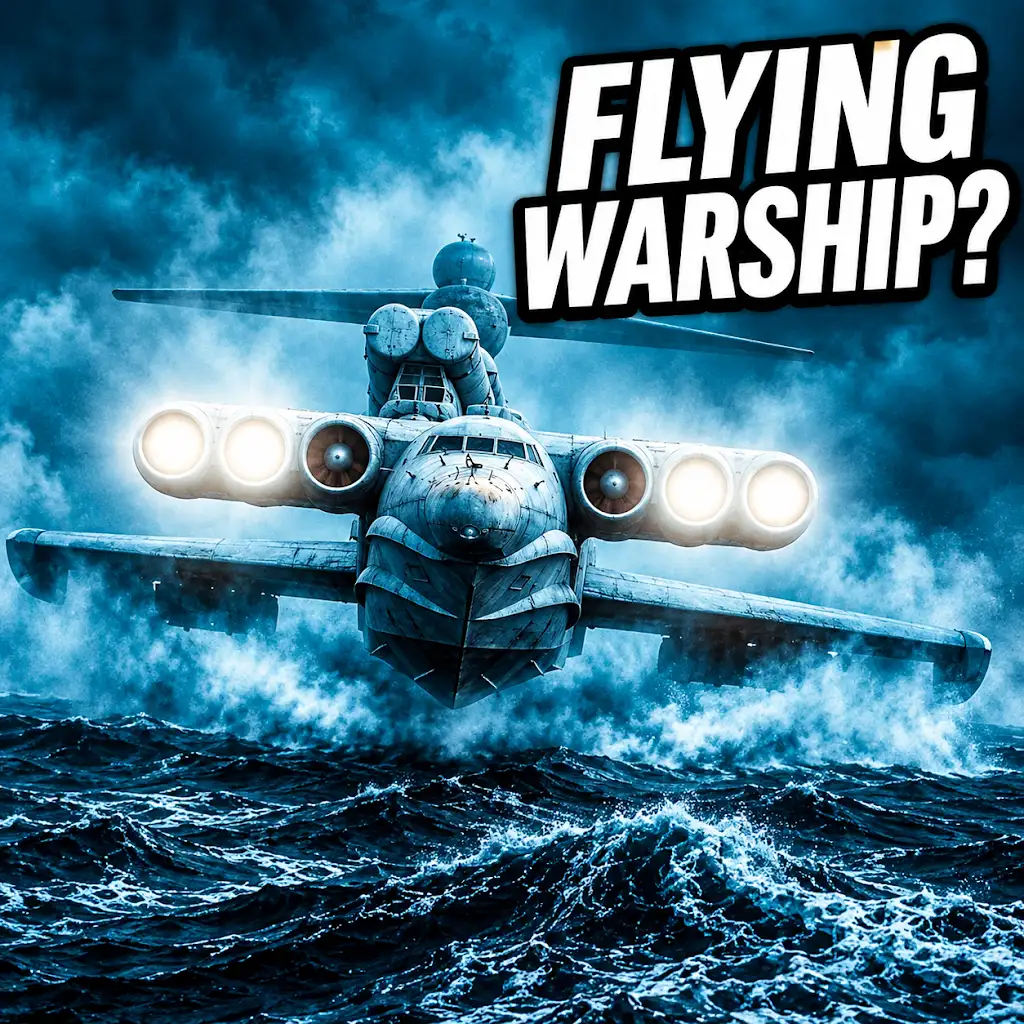
The Soviet Warship That Learned to Fly
FAQs
1. What was the role of Soviet naval aviation during World War II?
Soviet naval aviation played a crucial role during World War II by conducting reconnaissance missions, anti-submarine patrols, and providing air support for naval operations in the Black Sea, Baltic Sea, and Arctic Ocean.
2. How did Soviet naval aviation evolve during the Cold War?
During the Cold War, Soviet naval aviation underwent modernization and expansion, acquiring new aircraft carriers, long-range bombers, and advanced fighter jets to enhance its capabilities in both defensive and offensive operations.
3. What were some notable achievements of Soviet naval aviation during the Cold War era?
Some notable achievements of Soviet naval aviation during the Cold War era include the development of the Yak-38 vertical takeoff and landing aircraft, successful deployment of naval aviation in the Cuban Missile Crisis, and the establishment of a strong presence in the Mediterranean Sea.
4. How did the dissolution of the Soviet Union impact its naval aviation forces?
The dissolution of the Soviet Union had a significant impact on its naval aviation forces, leading to the downsizing of the fleet, decommissioning of aircraft carriers, and a reduction in funding for naval aviation programs.
5. What is the current status of Russian naval aviation?
Today, Russian naval aviation continues to operate as part of the Russian Navy, with a focus on modernizing its fleet, developing new aircraft, and participating in joint military exercises with other countries to maintain its readiness and capabilities in the maritime domain.