
American contractors have played a significant and often overlooked role in the post-9/11 wars in Iraq and Afghanistan. These individuals, ranging from security personnel and logistical support to technical specialists and translators, have been integral to the execution of military operations, reconstruction efforts, and the stabilization of these volatile regions. Their presence has been a complex phenomenon, offering vital skills and services while also raising critical questions about accountability, cost-effectiveness, and the very nature of modern warfare. This article delves into the multifaceted world of American contractors in Iraq and Afghanistan, exploring their diverse roles, the challenges they faced, the risks they endured, and the lasting impact of their contributions.
In the initial stages of the conflicts in Iraq and Afghanistan, the reliance on private military and security companies (PMSCs) was unprecedented. As military deployments surged, the demand for specialized skills and personnel far outstripped the capacity of uniformed services. PMSCs stepped in to fill these gaps, offering a range of services that often blurred the lines between civilian support and military operations.
Providing Essential Security and Force Protection
Perhaps the most visible and controversial role of contractors was in security. Blackwater, and later Academi, became household names, often associated with high-profile security details for diplomats and high-ranking officials, as well as the protection of vital infrastructure. These private security contractors (PSCs) operated in dangerous environments, providing armed escorts, guarding facilities, and conducting reconnaissance. Their presence was intended to free up military personnel for combat roles and to offer specialized expertise in areas where the military might have been stretched thin. However, incidents involving PSCs, such as the Nisour Square massacre in Baghdad, cast a long shadow, raising serious questions about oversight and accountability.
Navigating the Legal and Ethical Minefield of Security Contracts
The legal framework governing PSCs operating in war zones was often opaque. Contractors were frequently subject to different legal jurisdictions than military personnel, creating complex challenges when incidents occurred. This ambiguity led to calls for greater transparency and accountability, with debates centering on whether contractors should be subject to the Uniform Code of Military Justice (UCMJ) or national criminal laws in their home countries. The ethical implications of privatizing security were also significant, with concerns raised about the potential for profit motives to influence decision-making in life-or-death situations.
Facilitating Logistics and Supply Chain Management
Beyond security, contractors were indispensable for the logistical backbone of the wars. The sheer scale of operations in Iraq and Afghanistan required an immense flow of supplies, from food and water to fuel, ammunition, and equipment. Private companies were contracted to manage and operate complex supply chains, often operating in remote and hazardous locations. This included transportation, warehousing, maintenance, and even the operation of forward operating bases.
The Herculean Task of Reaching the Front Lines
Delivering essential supplies to the front lines was a dangerous and intricate undertaking. Contractors faced ambushes, improvised explosive devices (IEDs), and the constant threat of insurgent activity. Their ability to keep the military supplied was critical to sustained operations, and their work often went unnoticed by the wider public. The success of military campaigns was, in many ways, dependent on the reliability and resilience of these contracted logistical networks.
Supporting Reconstruction and Development Efforts
The stated goals of the wars extended beyond military objectives to include nation-building and the establishment of stable, democratic governments. Contractors played a crucial role in these reconstruction and development efforts. They were involved in rebuilding infrastructure, such as roads, schools, and hospitals, and in providing technical expertise for governance, education, and economic development programs.
Rebuilding a Nation: Challenges and Opportunities
The process of rebuilding in Iraq and Afghanistan was fraught with challenges. Corruption, insecurity, and a lack of local capacity often hampered progress. Contractors, working in these environments, had to navigate complex political landscapes and adapt to rapidly changing circumstances. While some projects achieved notable success, others were plagued by delays, cost overruns, and questionable outcomes, leading to scrutiny of the effectiveness and value for money of these contracted efforts.
Providing Specialized Technical and Professional Services
The technological sophistication of modern warfare, coupled with the need for specialized knowledge, created a significant demand for contractors with technical and professional skills. This included linguists and cultural advisors, engineers, IT specialists, medical personnel, and intelligence analysts. These individuals brought expertise that was often not readily available within the military itself.
The Indispensable Role of Linguists and Cultural Experts
In cultures as distinct as those in Iraq and Afghanistan, effective communication and understanding were paramount. Linguists and cultural advisors served as the eyes and ears of military personnel, facilitating interactions with local populations, translating documents, and providing crucial insights into cultural norms and traditions. Their ability to bridge communication gaps was vital for building trust, gathering intelligence, and de-escalating potential conflicts.
American contractors in Iraq and Afghanistan have played a crucial role in supporting military operations and rebuilding efforts in these regions. For a deeper understanding of the challenges and experiences faced by these contractors, you can read a related article that explores their contributions and the complexities of their work. To learn more, visit this article.
The Contractor Experience: Risks, Rewards, and Psychological Toll
Working as an American contractor in Iraq and Afghanistan was not for the faint of heart. These individuals operated in high-threat environments, facing dangers that often mirrored those encountered by their military counterparts. The psychological toll of constant vigilance, exposure to violence, and prolonged separation from family also represented a significant aspect of their experience.
American contractors in Iraq and Afghanistan have played a crucial role in supporting military operations and rebuilding efforts in these regions. For a deeper understanding of the challenges and experiences faced by these contractors, you can explore a related article that provides insights into their contributions and the complexities of their work. This article can be found at In the War Room, where you will find a wealth of information on the subject.
Enduring the Dangers of the Battlefield
Contractors were regularly exposed to the same risks as soldiers. They faced enemy fire, IEDs, rocket-propelled grenades (RPGs), and the general chaos of conflict zones. Many contractors were killed or injured in the line of duty, their sacrifices often receiving less public attention than those of uniformed personnel. The constant threat of violence created a pervasive sense of unease and required a high degree of situational awareness and resilience.
Navigating the Perils of IEDs and Ambushes
Improvised explosive devices (IEDs) posed a particularly insidious threat, indiscriminately targeting both military and contractor convoys. Contractors involved in transportation and logistical support were especially vulnerable to these attacks. Ambushes were also a common tactic employed by insurgent groups, requiring contractors to be constantly prepared for unexpected encounters.
The Lure of High Salaries and Specialized Opportunities
While the risks were substantial, the financial incentives for contracting in Iraq and Afghanistan were often considerable. High demand for specialized skills led to lucrative salaries and benefits packages, attracting individuals seeking to advance their careers or achieve financial security. For some, it was also an opportunity to work on challenging projects and gain valuable experience in complex operational environments.
The Double-Edged Sword of Compensation
The generous compensation, however, could also create a complex dynamic. Critics sometimes argued that the profit motive could incentivize prolonged engagement or the perpetuation of contracts, independent of the strategic objectives. For the contractors themselves, the financial rewards were often a primary driver, but they were also acutely aware that this income came at a significant personal cost.
The Psychological Impact of Prolonged Deployment and Trauma
The cumulative effects of prolonged deployment, constant exposure to danger, and witnessing acts of violence took a significant psychological toll on contractors. Many struggled with post-traumatic stress disorder (PTSD), anxiety, depression, and difficulty reintegrating into civilian life upon their return. The lack of the established support structures available to military personnel, such as formal chaplains and comprehensive mental health services, often exacerbated these challenges.
The Silent Struggle for Mental Well-being
The stigma associated with mental health issues, coupled with the transient nature of contractor employment, often meant that individuals suffered in silence. The absence of readily available and integrated mental health care posed a significant barrier to seeking help. This overlooked aspect of the contractor experience highlights a critical need for improved support systems and recognition of the psychological wounds sustained.
Accountability and Oversight: A Persistent Challenge

The significant presence of contractors in Iraq and Afghanistan brought to the forefront persistent challenges related to accountability and oversight. The complex contractual arrangements, the varying legal statuses of individuals, and the often remote operational environments made it difficult to ensure that contractors adhered to ethical standards and legal regulations.
The Nisour Square Incident and its Aftermath
The 2007 Nisour Square massacre, where Blackwater guards opened fire in a crowded Baghdad square, killing 17 Iraqi civilians, remains a stark reminder of the accountability issues surrounding private security contractors. The incident triggered international outrage and led to legal proceedings that ultimately saw some individuals convicted, but it also highlighted the difficulties in holding contractors accountable for their actions in war zones.
Debates Over Jurisdiction and Responsibility
The legal battles following Nisour Square underscored the complexities of jurisdiction. Were the contractors operating under U.S. law, Iraqi law, or international law? The lack of clear and consistent legal frameworks contributed to a perception of impunity and fueled calls for stricter regulation and more robust oversight mechanisms.
The Need for Clearer Contracts and Performance Metrics
Ensuring that contracted services were delivered effectively and ethically required clear contractual language and well-defined performance metrics. In some cases, contracts were vague, leading to disputes over deliverables and costs. The ability to effectively monitor and evaluate contractor performance in dynamic and dangerous environments was a significant challenge for contracting officers.
The Role of Government Oversight and Contracting Officers
Government contracting officers bore a heavy responsibility for ensuring that contracts were well-managed and that contractors complied with their obligations. However, they often operated with limited resources, in challenging environments, and with immense pressure to ensure the timely delivery of essential services. The effectiveness of oversight was directly tied to the resources and authority granted to these individuals.
Improving Transparency and Public Scrutiny
The significant expenditure of taxpayer money on private contractors in Iraq and Afghanistan also raised questions about transparency and public scrutiny. The public often had limited visibility into the scope, cost, and effectiveness of these contracts. Calls for greater transparency in contracting processes and for more comprehensive public reporting on contractor activities have been ongoing.
Balancing Operational Security with Public Accountability
Finding the right balance between maintaining operational security in volatile environments and ensuring sufficient public accountability was a delicate act. While some information needed to be protected for security reasons, a general lack of transparency often fueled suspicion and criticism.
The Legacy of Contractors in Iraq and Afghanistan

The presence of American contractors in Iraq and Afghanistan has left an indelible mark on the conduct of modern warfare and the dynamics of post-conflict stabilization. Their contributions, while often unheralded, were vital to the execution of U.S. policy and objectives in these complex theaters. However, their involvement also raised profound questions that continue to shape discussions about the future of private military and security involvement in conflicts.
A Necessary Evil or an Effective Solution?
The debate over whether the extensive use of contractors was a “necessary evil” or an ultimately effective solution continues. Proponents argue that contractors provided essential flexibility, specialized skills, and cost-effectiveness that allowed military operations to be sustained. Critics, however, point to the high costs, the accountability gaps, and the potential for the privatization of warfare to erode democratic oversight.
Examining the Cost-Benefit Analysis
A thorough cost-benefit analysis of contractor involvement is complex. While salaries were often high, the arguments for cost-effectiveness are often made in comparison to the cost of fully militarizing certain functions, including recruitment, training, and benefits for uniformed personnel. However, the indirect costs associated with oversight failures and reputational damage are also significant.
The Evolving Landscape of Private Military and Security Companies
The experience in Iraq and Afghanistan has undeniably shaped the evolution of the private military and security industry. Governments and militaries have, in some instances, sought to implement stricter regulations, improve oversight mechanisms, and develop clearer guidelines for the use of contractors. The industry itself has also matured, with many companies striving to professionalize their operations and adhere to higher ethical standards.
Lessons Learned for Future Engagements
The lessons learned from the extensive use of contractors in these wars are crucial for informing future military and foreign policy engagements. Policymakers are increasingly aware of the need for clear legal frameworks, robust oversight, and a comprehensive understanding of the potential risks and benefits associated with outsourcing critical functions in conflict zones.
The Unsung Heroes and the Lingering Questions
Ultimately, the story of American contractors in Iraq and Afghanistan is one of both remarkable service and persistent challenges. These individuals, often working in the shadows, played a vital role in complex and dangerous missions. Yet, their involvement has left lingering questions about the privatization of warfare, the limits of accountability, and the true cost of outsourcing conflict. As the world navigates future geopolitical challenges, the experiences of these contractors will undoubtedly continue to inform discussions about how best to achieve national security objectives while upholding ethical principles and ensuring responsible governance. The sacrifices made by many contractors, the expertise they brought, and the difficult operational environments they navigated deserve recognition, while the systemic issues that arose demand ongoing scrutiny and a commitment to learning from the past.
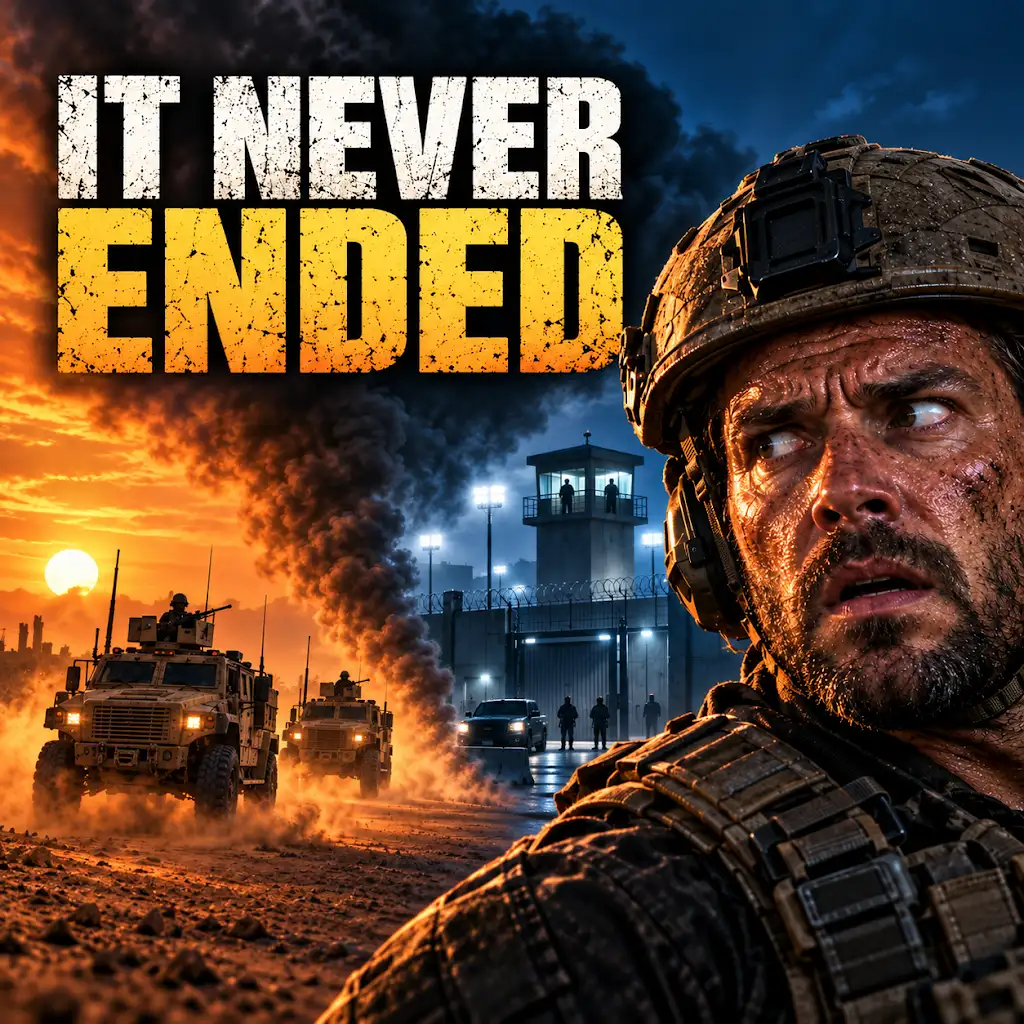
Blackwater Disappeared. America’s Private Army Didn’t.
FAQs
What is the role of American contractors in Iraq and Afghanistan?
American contractors in Iraq and Afghanistan play a variety of roles, including providing security, construction, logistics, and other support services to the U.S. military and government agencies.
How many American contractors are currently working in Iraq and Afghanistan?
As of 2021, there are approximately 18,000 American contractors working in Iraq and Afghanistan, according to the U.S. Department of Defense.
What are the risks and challenges faced by American contractors in Iraq and Afghanistan?
American contractors in Iraq and Afghanistan face a range of risks and challenges, including security threats, political instability, and logistical difficulties in operating in remote and hostile environments.
What legal framework governs the activities of American contractors in Iraq and Afghanistan?
The activities of American contractors in Iraq and Afghanistan are governed by a combination of U.S. laws, international agreements, and contracts with the U.S. government and private clients.
What is the impact of American contractors on the local economies and communities in Iraq and Afghanistan?
The presence of American contractors in Iraq and Afghanistan has both positive and negative impacts on local economies and communities, including providing job opportunities and economic development, but also contributing to tensions and conflicts with local populations.