Genesis of the Red Air Force: Early Years and Ideological Foundations
The Soviet military aviation, known historically as the VVS (Voyenno-Vozdushnye Sily), did not emerge fully formed. Its nascent stages were deeply intertwined with the revolutionary fervor of 1917 and the subsequent consolidation of Bolshevik power. The establishment of a dedicated air arm was initially a pragmatic necessity, born out of the chaotic realities of the Russian Civil War. Early aviation in Russia, prior to the revolution, was largely concentrated in civilian circles and a small, technically inclined Imperial Russian Air Service. The Bolsheviks, however, recognized the potential of this emerging technology not only for military advantage but also as a potent symbol of progress and modernization.
The Birth of a Force: From Tsarist Legacy to Soviet Ambition
Following the October Revolution, the nascent Soviet state inherited a limited but functional aviation infrastructure. Aircraft, primarily imported or produced under license, and a cadre of pilots and engineers, albeit fragmented and ideologically divided, formed the initial core of what would become the VVS. The Civil War (1918-1922) proved to be a crucible, forcing the rapid adaptation and deployment of aircraft in roles ranging from reconnaissance and artillery spotting to ground attack and troop transport. This period was characterized by improvisation, resourcefulness, and a steep learning curve. The ideological imperative was clear: to build a powerful air force capable of defending the new socialist state from internal and external threats. This ambition was fueled by a burgeoning belief in the transformative power of technology and its role in achieving Soviet strategic objectives. The early leaders of the VVS were often men with a strong revolutionary zeal, who saw aviation as a key instrument in the struggle against capitalism and imperialism.
Early Doctrine and Influences: Learning and Adapting
The early Soviet military thinkers grappled with the fundamental questions of how to best employ air power. Influenced by emerging theories from the West, particularly those of Giulio Douhet and his concept of strategic bombing, Soviet theorists also developed their own unique perspectives. The vastness of the Soviet territory, the nature of potential adversaries, and the emphasis on mass mobilization all shaped their thinking. Unlike some Western doctrines that focused on independent air operations, Soviet doctrine initially tended to integrate air power closely with ground forces, emphasizing tactical support and battlefield interdiction. However, the desire for a more independent and decisive air capability was also present, leading to a constant internal debate about the optimal role of air power. The establishment of dedicated military aviation academies and research institutions played a crucial role in fostering this intellectual development, absorbing lessons from international conflicts and domestic experience, and shaping the minds of future Soviet airmen and strategists.
Soviet military aviation played a crucial role during the Cold War, showcasing advanced technology and strategic capabilities that often influenced global military dynamics. For a deeper understanding of this topic, you can explore the article titled “The Evolution of Soviet Military Aviation” which provides insights into the development and impact of Soviet air power. To read more, visit this link.
Interwar Development and the Shadow of World War II
The period between the World Wars was a time of significant, albeit uneven, development for Soviet military aviation. While the VVS faced numerous challenges, including internal purges and economic constraints, it also made substantial strides in aircraft design, production, and operational training. This era laid the groundwork for the massive expansion and the eventual critical role the VVS would play in the coming global conflict. The emphasis shifted from mere survival and tactical support to building a formidable force capable of projecting power and engaging in offensive operations.
Technological Leapfrogging and Indigenous Design
Recognizing its technological lag behind some Western powers, the Soviet Union pursued a strategy of aggressive technological acquisition and, increasingly, indigenous innovation. While early Soviet aircraft were often based on foreign designs or licensed production, the interwar period saw the emergence of highly capable Soviet-designed aircraft. This was driven by a concerted effort to establish a robust domestic aviation industry, supported by significant state investment. Designers like Andrei Tupolev, Nikolai Polikarpov, and Sergei Ilyushin became household names within the Soviet Union, producing aircraft that, in many cases, were competitive with or even surpassed their Western counterparts. This period witnessed the development of powerful bombers like the TB-3 and versatile fighters like the I-16, showcasing a growing confidence in Soviet engineering and manufacturing capabilities. The focus was not just on quantity but also on quality, with an increasing emphasis on aerodynamic efficiency, engine power, and armament.
Operational Doctrine and the Great Purge
The operational doctrine of the VVS continued to evolve during this period. While the close integration with ground forces remained a core tenet, there was also a growing interest in developing strategic bombing capabilities and independent air operations. This was influenced by the perceived successes of air power in conflicts like the Spanish Civil War, where Soviet pilots and aircraft played a significant role. However, this period was also marred by the Great Purge of the late 1930s, which had a devastating impact on the officer corps of the Red Army, including the VVS. Experienced commanders, skilled pilots, and innovative thinkers were often removed and executed, leading to a severe loss of expertise and a disruption of operational readiness just as the world was teetering on the brink of war. The impact of these purges would be felt acutely in the early stages of the Eastern Front.
The Crucible of Combat: World War II and the Eastern Front
World War II, and particularly the Eastern Front, was the defining moment for Soviet military aviation. The initial months of the German invasion were catastrophic for the VVS, but the subsequent years saw a remarkable transformation. The sheer scale of the conflict, the immense losses, and the relentless pressure forged the VVS into a formidable fighting force that played a crucial role in the eventual Allied victory. The experience of fighting against the highly skilled and experienced Luftwaffe provided invaluable lessons that would shape Soviet air power for decades to come.
Initial Shock and Devastation
The opening days of Operation Barbarossa in June 1941 witnessed the devastating effectiveness of the Luftwaffe’s surprise attack. A significant portion of the VVS was destroyed on the ground, caught unprepared and vulnerable. Poor dispersal of aircraft, inadequate air defenses, and a lack of effective command and control contributed to these initial losses. The Soviet Union suffered unimaginable casualties in the early months of the war, and its air force was severely depleted. This period was characterized by desperate dogfights, heroic but often futile stands, and a constant struggle to maintain even a semblance of air superiority. The psychological impact of these early defeats was profound, but it also ignited a fierce determination to rebuild and retaliate.
The Rise of the Soviet Ace and Tactical Innovations
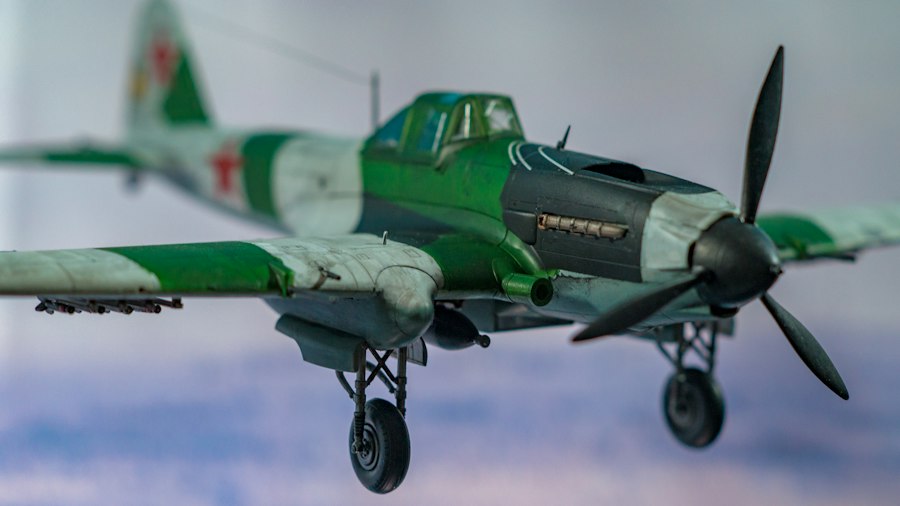
Despite the initial setbacks, the VVS demonstrated an incredible capacity for resilience and adaptation. Soviet pilots, often fighting in inferior aircraft in the early years, displayed immense bravery and skill. Figures like Ivan Kozhedub and Alexander Pokryshkin emerged as legendary aces, their exploits becoming symbols of Soviet resistance. More importantly, the VVS developed crucial tactical innovations that countered the Luftwaffe’s strengths. The adoption of “Kuban formations” – staggered, three-plane formations – improved defensive capabilities and mutual support in air combat. The development of specialized ground attack aircraft like the Ilyushin Il-2 “Shturmovik” proved to be a war-winning weapon, inflicting heavy casualties on German armor and infantry. The VVS also honed its capabilities in reconnaissance, bomber escort, and battlefield interdiction, becoming an integral part of the combined arms approach that characterized Soviet military strategy. The relentless production of aircraft, often under arduous conditions, ensured a steady stream of aircraft to replace losses and equip new units.
Strategic Bombing and the End Game
While the VVS was primarily a tactical air force during World War II, it also developed and employed strategic bombing capabilities, albeit on a different scale and with different objectives than its Western counterparts. Soviet long-range bombers like the Petlyakov Pe-8 were used to strike targets in Germany and its allies, though their operational range and bomb loads were generally less than those of their Allied counterparts. The VVS also played a crucial role in supporting major offensives, providing air superiority for ground assaults, interdicting enemy supply lines, and conducting bombing raids on enemy troop concentrations. By the end of the war, the VVS had achieved a significant degree of air superiority over the Eastern Front, a testament to its remarkable recovery and evolution.
The Cold War Era: Superpower Rivalry and Technological Ascendancy
The post-World War II era ushered in the Cold War, a period of intense geopolitical tension and an unprecedented arms race between the United States and the Soviet Union. Soviet military aviation became a critical component of this rivalry, evolving from a force primarily focused on continental defense to one capable of global power projection. The development of advanced jet aircraft, guided missiles, and sophisticated radar systems transformed the VVS into a formidable strategic force.
The Jet Age and the Dawn of Intercontinental Capabilities
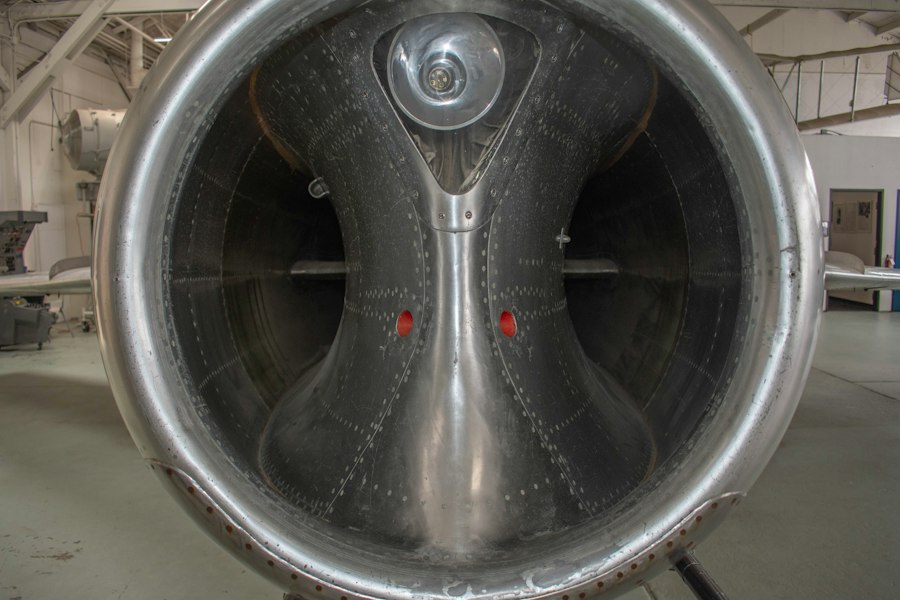
The advent of jet engine technology represented a paradigm shift in aviation. The Soviet Union, in close collaboration with captured German scientists and through its own rapid research and development, quickly embraced this new era. The development of indigenous jet fighters, such as the MiG-15 and later the MiG-21, posed a significant challenge to Western air forces, as demonstrated during the Korean War. Beyond fighter aircraft, the VVS also focused on developing its strategic bomber force. While initial efforts relied on Soviet versions of the B-29 Superfortress (the Tu-4), the push for intercontinental capabilities led to the development of aircraft like the Tu-16 “Badger” and the supersonic Tu-22 “Blinder.” The ultimate goal was to possess the ability to strike targets anywhere in the world, a key tenet of Soviet nuclear deterrence strategy. This era saw a relentless pursuit of speed, altitude, and payload, pushing the boundaries of aeronautical engineering.
The Rise of Air Defense and the Strategic Rocket Forces
As the Cold War intensified, the importance of air defense became paramount for the Soviet Union. Vast resources were poured into developing sophisticated surface-to-air missile (SAM) systems, early warning radar networks, and a dedicated fighter-interceptor force. The VVS was heavily reoriented to fulfill this defensive role, with units specifically tasked with defending Soviet airspace against perceived Western threats. Simultaneously, the establishment of the Strategic Rocket Forces (RVSN) as a separate branch of the military, responsible for land-based nuclear missiles, subtly shifted the emphasis of direct nuclear delivery away from pure aviation. However, bomber aviation remained crucial for delivering nuclear weapons and maintaining a credible deterrent, particularly with the development of cruise missiles. This period saw a complex interplay between aviation and other branches of the Soviet military, each vying for resources and influence within the overarching defense strategy.
Soviet military aviation played a crucial role during the Cold War, showcasing advanced technology and strategic prowess that influenced global military dynamics. For those interested in exploring this topic further, a related article can provide deeper insights into the evolution of Soviet air power and its impact on international relations. You can read more about it in this informative piece on the history of Soviet military aviation at In The War Room.
Legacy and Lasting Influence: Shaping Modern Air Power
| Metric | Value | Notes |
|---|---|---|
| Peak Number of Aircraft | 45,000+ | During the Cold War era |
| Primary Fighter Aircraft | MiG-21, MiG-29, Su-27 | Widely used models |
| Strategic Bombers | Tu-95, Tu-160 | Long-range nuclear delivery platforms |
| Helicopter Models | Mi-8, Mi-24 | Transport and attack roles |
| Years Active | 1918–1991 | From formation to dissolution of the USSR |
| Number of Airbases | 200+ | Across Soviet territory and allied states |
| Personnel Strength | ~500,000 | Including pilots, ground crew, and support staff |
| Notable Aircraft Designer | Artem Mikoyan | Co-founder of MiG design bureau |
The impact of Soviet military aviation on the global landscape of air power is undeniable and continues to resonate today. Despite the dissolution of the Soviet Union, many of its design philosophies, technological advancements, and operational lessons have left an indelible mark on modern air forces worldwide. The ingenuity, resilience, and sheer scale of Soviet aviation development during its history provide a rich case study for understanding the evolution of air power.
Enduring Design Philosophies and Technological Transfer
Many of the aircraft designs that emerged from the Soviet era continue to serve in air forces around the world, albeit often modernized. The ruggedness, simplicity of maintenance, and cost-effectiveness of many Soviet-era aircraft made them attractive to developing nations and even some developed ones. Furthermore, the technological innovations pioneered by Soviet engineers, particularly in areas like aerodynamics, engine technology, and guided missile systems, have influenced the development of Western aircraft and weapon systems. The constant competition and technological exchange, often indirect, between the Soviet Union and the West spurred advancements on both sides. The focus on robust, high-performance aircraft capable of operating in diverse and often harsh environments has remained a hallmark of Russian aviation.
Operational Lessons and Strategic Thought
The operational experiences of the VVS, particularly during World War II and throughout the Cold War, have provided valuable lessons for military strategists globally. The emphasis on combined arms warfare, the integration of air power with ground operations, and the development of effective air defense systems are all areas where Soviet doctrine and practice have had a lasting impact. The Soviet approach to mass production and rapid deployment of aircraft, born out of necessity, also offers insights into how to build and sustain large air forces. While certain aspects of Soviet military doctrine may be seen as archaic in the context of modern asymmetric warfare, the fundamental principles of air superiority, strategic deterrence, and the vital role of air power in projecting national influence remain central. The legacy of Soviet military aviation is a testament to its significant contribution to the ongoing evolution of air power.

The Soviet Warship That Learned to Fly
FAQs
What was the role of Soviet military aviation during World War II?
Soviet military aviation played a crucial role during World War II, providing close air support to ground forces, conducting strategic bombing missions, and engaging in dogfights with enemy aircraft. The Soviet Air Force, known as the VVS, played a significant role in the Eastern Front, contributing to the eventual defeat of Nazi Germany.
What were some key aircraft used by the Soviet military aviation during the Cold War?
During the Cold War, the Soviet Union developed and deployed several iconic aircraft, including the MiG-21, MiG-29, Su-27, and Tu-95. These aircraft were designed for various roles such as interceptors, bombers, and reconnaissance, showcasing the technological advancements of Soviet military aviation.
How did Soviet military aviation contribute to the space race?
Soviet military aviation played a significant role in the space race by conducting high-altitude reconnaissance missions and testing experimental aircraft that pushed the boundaries of aeronautical engineering. The Soviet Union’s advancements in aviation technology also influenced the development of early space exploration vehicles.
What was the organizational structure of the Soviet Air Force?
The Soviet Air Force was organized into several branches, including the Long-Range Aviation, Frontal Aviation, Military Transport Aviation, and Naval Aviation. Each branch had specific roles and responsibilities, with Frontal Aviation being the primary tactical air force responsible for air defense and ground support missions.
How did the dissolution of the Soviet Union impact military aviation?
The dissolution of the Soviet Union had a significant impact on military aviation, leading to the fragmentation of the once-unified Soviet Air Force into separate air forces for each newly independent state. This restructuring resulted in the loss of centralized command and control, as well as the sharing of resources and technology that had characterized Soviet military aviation during the Cold War.