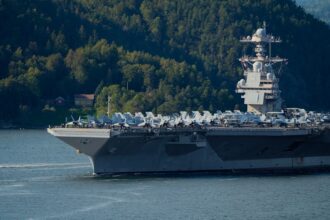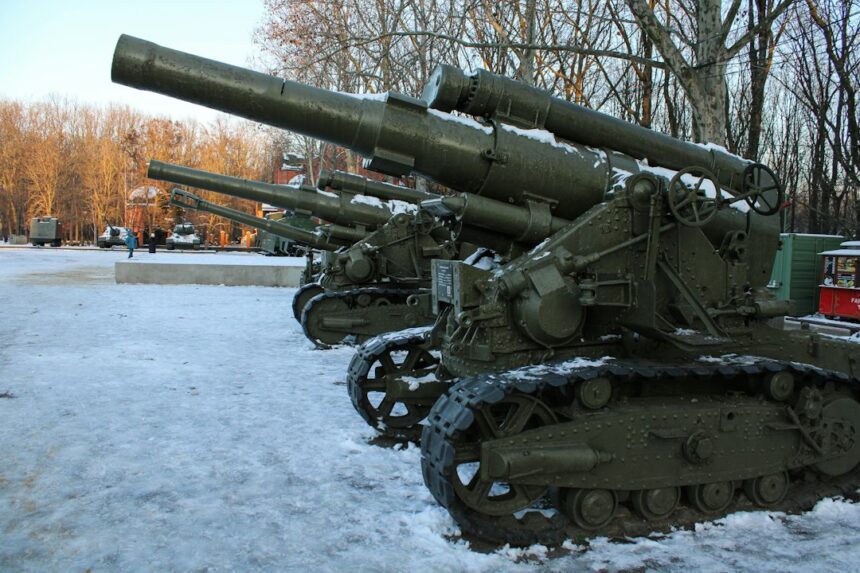
The Soviet Caspian Flotilla, a storied maritime force operating on the world’s largest inland body of water, possessed a formidable array of weaponry and represented a significant projection of Soviet naval power. Its unique operational environment, characterized by shallow waters, limited access to the open sea, and strategic proximity to multiple nations, shaped its development and the types of armaments it fielded. From its earliest days, the Flotilla served as a crucial instrument of Soviet foreign policy, providing a tangible military presence in a region of immense geopolitical importance. Understanding the arsenal and naval power of the Soviet Caspian Flotilla offers a valuable insight into Soviet military doctrine, technological capabilities, and its enduring engagement with the Caspian littoral states.
The Genesis and Evolution of Caspian Naval Power
The Caspian Sea, with its rich oil reserves and strategic location bridging Europe and Asia, has been a focal point of geopolitical interest for centuries. Russia’s engagement with the Caspian dates back to the Tsarist era, with the formation of naval forces to protect trade routes and project influence. Following the Bolshevik Revolution and the establishment of the Soviet Union, the Caspian Flotilla was re-established and rapidly evolved into a modern fighting force. Its early development was heavily influenced by the perceived threats and opportunities within the region, particularly the interventions of foreign powers and the need to secure Soviet borders.
Early Ambitious Designs and Adaptations
The initial phases of the Soviet Caspian Flotilla’s development saw a focus on adapting existing naval technologies and doctrines to the specific constraints of the Caspian Sea. Unlike the vast oceanic fleets, the Flotilla operated in relatively confined waters, necessitating vessels that were agile, shallow-draft, and capable of operating effectively in close proximity to shorelines. This led to the procurement and development of a diverse range of warships, from small gunboats and patrol vessels to larger surface combatants and auxiliaries. The emphasis was often on firepower and the ability to interdict maritime traffic, as well as to provide direct fire support for land forces operating in coastal areas. The Flotilla’s early years were marked by a pragmatic approach, utilizing readily available technology and focusing on building a robust, if not always cutting-edge, naval presence. The strategic importance of the region, particularly in light of potential conflicts and the need to assert Soviet dominance, drove continuous investment and modernization efforts, laying the groundwork for the formidable force it would become.
Responding to Geopolitical Shifts
Throughout its existence, the Soviet Caspian Flotilla’s composition and capabilities were significantly shaped by the evolving geopolitical landscape. During periods of heightened tension with neighboring countries like Iran and Turkey, or when Western influence in the region was perceived as a threat, the Flotilla would see increased deployments and a surge in the introduction of new weaponry. Conversely, periods of relative calm might see a shift towards less overtly militaristic operations, focusing on border patrol, resource protection, and joint exercises with allied nations. The Flotilla’s readiness and armament were consistently calibrated to address the perceived threats and strategic objectives of the Soviet Union, making it a dynamic and responsive element of Soviet military power. This adaptability ensured that the Flotilla remained a relevant and potent force, capable of fulfilling a range of missions from gunboat diplomacy to direct military intervention as dictated by the Kremlin’s strategic priorities.
The Soviet Caspian Flotilla, a crucial naval force during the Cold War, was equipped with a variety of weapons that played a significant role in the region’s military dynamics. For a deeper understanding of the strategic implications of these weapons and their impact on naval warfare, you can read a related article that explores the historical context and technological advancements of the flotilla’s arsenal. Check it out here: Soviet Caspian Flotilla Weapons.
Surface Combatants: The Backbone of Caspian Naval Operations
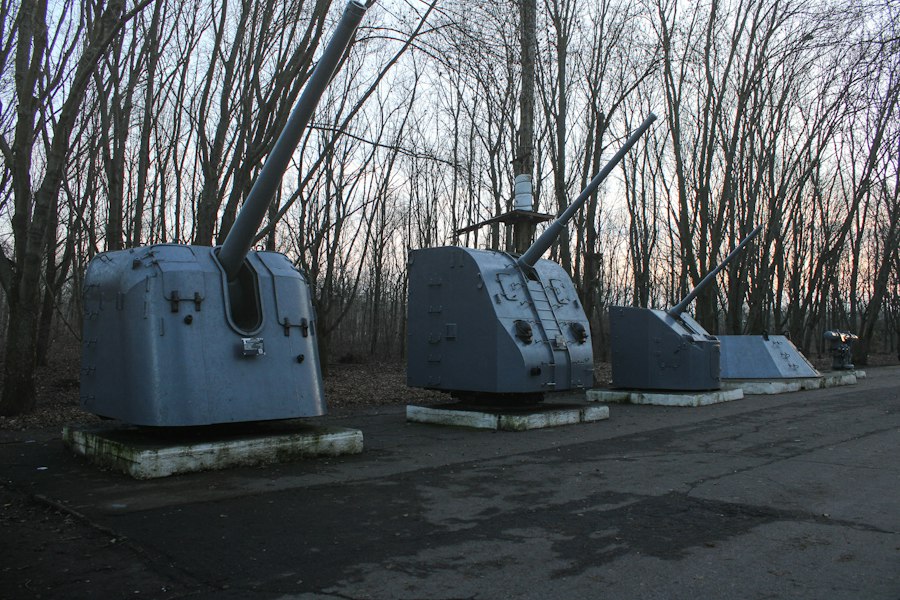
The primary surface combatants of the Soviet Caspian Flotilla formed the core of its operational capability. These vessels, ranging from missile boats to corvettes, were equipped with a variety of offensive and defensive systems designed to project power, engage enemy vessels, and support land operations. The Flotilla’s strategic location meant that these ships often had to contend with the dual threat of enemy naval forces and land-based anti-ship missile systems, necessitating a well-rounded and capable arsenal.
Missile Boats: Swift Strikers of the Inland Sea
Missile boats constituted a vital component of the Caspian Flotilla’s offensive punch. These relatively small, fast vessels were designed to carry a potent anti-ship missile payload, allowing them to engage and neutralize larger enemy warships from a safe distance. The development of such vessels reflected a broader Soviet naval doctrine that emphasized overwhelming firepower and the use of missile technology to compensate for numerical inferiority or the limitations of smaller hull designs. The specific types of missile boats deployed varied over time, but they consistently represented a significant threat to any opposing naval force within the Caspian. Their speed and maneuverability made them difficult targets, while their missile armament provided a decisive offensive capability. These boats were often the spearhead of the Flotilla’s offensive operations, capable of launching swift and devastating attacks.
Key Missile Systems and Their Impact
The effectiveness of the Caspian Flotilla’s missile boats was intrinsically linked to the missile systems they carried. The P-15 Termit (NATO reporting name SS-N-2 Styx) was a ubiquitous anti-ship missile in the Soviet arsenal, and its variants were likely employed on Caspian missile boats. This missile, known for its relatively long range and powerful warhead, provided a significant standoff capability. Later generations of missiles, potentially including more advanced coastal defense systems adapted for naval platforms, would have further enhanced the Flotilla’s offensive reach. The ability to launch multiple missiles from a coordinated attack by a squadron of missile boats presented a formidable challenge to any defensive measures, highlighting the importance of these platforms in shaping the tactical engagements within the Caspian. The continuous development and upgrade of these missile systems underscored the Soviet commitment to maintaining a technological edge and ensuring the Flotilla’s offensive superiority.
Corvettes and Small Patrol Vessels: Versatility and Area Control
Beyond the dedicated missile boats, the Caspian Flotilla also operated a range of corvettes and smaller patrol vessels. These ships, while perhaps lacking the concentrated missile firepower of dedicated missile boats, offered greater versatility and endurance. They could be employed for a wider array of missions, including anti-submarine warfare (ASW), reconnaissance, escort duty, and general patrol operations. The shallow waters of the Caspian often necessitated the use of smaller displacement vessels, and these corvettes and patrol craft were ideally suited to such an environment. Their armament typically included smaller caliber guns, anti-submarine torpedoes, and sometimes short-range air defense missiles, providing them with a multi-role capability. These vessels were essential for maintaining a constant presence across the vast expanse of the Caspian, enforcing maritime law, and responding to a variety of operational requirements.
Armaments and Specialized Roles
The armament of these corvettes and patrol vessels was tailored to their specific roles. For anti-submarine warfare, they were equipped with sonar systems and depth charges or torpedoes capable of detecting and engaging submerged threats. For surface engagements, they carried medium-caliber naval guns, effective against other small to medium-sized vessels, and for self-defense against aircraft, they might be fitted with close-in weapon systems (CIWS) or anti-aircraft artillery. The precise configuration would have evolved over time, reflecting technological advancements and operational experience. The patrol vessels, in particular, were often armed with a mix of light artillery and machine guns, designed for interdiction, coastal bombardment, and policing duties. The versatility of these ships made them indispensable for the Flotilla’s day-to-day operations and its ability to maintain control over its operational domain.
Submarine and Amphibious Capabilities: Extending Reach and Projecting Power
While the Caspian Sea is not an oceanic environment, the Soviet Union recognized the strategic value of incorporating submarine and amphibious capabilities into the Caspian Flotilla. These elements, though perhaps less prominent than surface combatants, offered unique advantages in terms of stealth, surprise, and the ability to project power onto land.
Submarine Operations in a Freshwater Sea
The presence of submarines in the Caspian Flotilla was a strategic asset, albeit one with unique considerations. Submarines offered the ultimate in stealth, capable of operating undetected to gather intelligence, interdict enemy shipping, or launch strikes against shore targets. However, operating submarines in a relatively shallow, freshwater environment presented challenges, including sonar performance and the increased risk of detection compared to deep ocean operations. Nevertheless, Soviet diesel-electric submarines, likely of specialized designs adapted for the Caspian, would have been equipped with torpedoes and potentially even cruise missiles. Their operational doctrine would have focused on exploiting the tactical advantages of stealth and surprise, making them a potent, albeit specialized, element of the Flotilla’s arsenal. The intelligence-gathering potential of submarines in a region surrounded by multiple nations also represented a significant advantage.
Amphibious Assault and Coastal Operations
The Caspian Flotilla also maintained amphibious capabilities, enabling the projection of forces ashore. This was particularly important given the Flotilla’s role in supporting land operations and securing strategic coastal areas. Amphibious assault ships, landing craft, and associated troops would have been part of the Flotilla’s order of battle. These capabilities allowed for the rapid deployment of personnel and equipment, the seizure of key objectives, and the provision of direct fire support to ground forces engaged in coastal combat. The specific types of amphibious vessels would have ranged from smaller landing craft for localized operations to potentially larger ships capable of transporting a significant number of troops and vehicles. This aspect of the Flotilla’s power underscored its integral role in a broader military strategy that encompassed both maritime and land-based operations.
Air Defense and Support Assets: Layered Protection and Enhanced Operations
Effective air defense and robust logistical support were crucial for the operational effectiveness of the Soviet Caspian Flotilla. The threat from enemy aircraft and the need to sustain prolonged operations necessitated dedicated air defense platforms and a comprehensive network of support vessels.
Air Defense Systems: Guarding the Flotilla
The air defense of the Caspian Flotilla was multi-layered, encompassing both ship-borne systems and shore-based installations. Onboard vessels, ranging from larger combatants to missile boats, would have been equipped with various anti-aircraft artillery (AAA) guns and short-range surface-to-air missile (SAM) systems. These systems were designed to provide a localized defense against low-flying aircraft and incoming missiles. The effectiveness of these systems would have improved over time, with newer generations offering greater range, accuracy, and tracking capabilities. The strategic importance of the Caspian also meant that shore-based air defense units, including advanced SAM batteries, would have been integrated into the overall defensive posture of the region, providing a broader umbrella of protection for the Flotilla and its assets.
Evolution of Missile and Gun-Based Defenses
The evolution of air defense weaponry saw a shift from predominantly gun-based systems to increasingly sophisticated missile-based solutions. Early Flotilla vessels might have relied on rapid-fire AAA like the AK-230 or AK-630 systems for close-in defense. However, as aerial threats evolved, so too did the Flotilla’s defenses. Short-range SAMs such as the SA-N-4 or later variants of naval SAMs would have provided a more effective intercept capability against a wider range of aerial targets. The integration of radar systems for target acquisition and tracking was paramount, allowing these defensive weapons to engage threats effectively. The Soviet Union’s continuous innovation in air defense technology meant that the Caspian Flotilla, like its oceanic counterparts, benefited from ongoing improvements in its ability to counter airborne threats.
Logistics and Support Vessels: Sustaining Operational Reach
The ability of the Caspian Flotilla to conduct sustained operations far from its home ports was dependent on a robust logistics and support network. This included a variety of specialized vessels designed for refueling, resupply, repair, and personnel transport. Tankers, repair ships, and transport vessels were all integral to maintaining the Flotilla’s operational readiness and extending its reach across the vast Caspian Sea. Without these essential support elements, the offensive and defensive capabilities of the combatants would be severely limited. The logistical backbone of the Flotilla was as crucial to its success as its more visible combat platforms, ensuring that ships could remain at sea and continue their missions effectively.
The Soviet Caspian Flotilla has a rich history, particularly in its development and deployment of various weapons systems. For a deeper understanding of the strategic significance of these naval forces, you might find the article on the evolution of naval warfare in the region particularly insightful. This piece explores how the advancements in weaponry have shaped maritime operations and geopolitical dynamics. You can read more about it in this related article.
The Strategic Significance and Legacy of the Caspian Flotilla
| Weapon System | Type | Caliber/Size | Quantity | Role | Notes |
|---|---|---|---|---|---|
| AK-176 | Naval Gun | 76.2 mm | Multiple | Surface and air targets | Automatic dual-purpose gun |
| AK-630 | CIWS (Close-In Weapon System) | 30 mm | Multiple | Anti-aircraft defense | Six-barrel rotary cannon |
| SS-N-2 Styx | Anti-Ship Missile | N/A | Varies | Surface strike | Early Soviet anti-ship missile |
| RBU-6000 | Anti-Submarine Rocket Launcher | 213 mm | Multiple | Anti-submarine warfare | 12-barrel launcher |
| SA-N-4 Gecko | Surface-to-Air Missile | N/A | Varies | Air defense | Short-range SAM system |
| 533 mm Torpedo Tubes | Torpedo Launcher | 533 mm | Varies | Anti-ship and anti-submarine | Standard Soviet torpedo size |
The Soviet Caspian Flotilla was more than just a collection of warships; it was a significant instrument of Soviet foreign policy and a symbol of its enduring presence in a strategically vital region. Its unique operational environment and evolving arsenal reflected the specific geopolitical challenges and opportunities that defined the Caspian littoral for decades.
Projection of Power and Diplomatic Influence
The Caspian Flotilla served as a potent tool for projecting Soviet power and influencing regional dynamics. Its visible presence in the Caspian Sea acted as a deterrent to potential adversaries and a reassurance to allies. Naval diplomacy, through port visits and joint exercises with friendly nations, was a key aspect of the Flotilla’s mission. The ability to conduct amphibious operations and provide naval gunfire support also meant that the Flotilla could directly influence land-based conflicts or contribute to regional stability, as perceived by Moscow. The Flotilla’s armament, from its missile capabilities to its amphibious assault craft, was designed to provide the Soviet Union with a range of options for exerting influence and safeguarding its interests in this critical geopolitical nexus.
Adapting to a Changing World and Enduring Legacy
Following the dissolution of the Soviet Union, the Caspian Flotilla was inherited by the Russian Federation, and its role has continued to evolve in the post-Soviet era. While the specific armaments and strategic priorities may have shifted, the legacy of the Soviet Caspian Flotilla remains. Its history is a testament to the strategic importance of naval power, even on inland seas, and the continuous innovation required to maintain a capable fighting force in a dynamic geopolitical environment. The experience gained and the technological advancements developed during the Soviet era continue to inform the naval strategies and capabilities of the modern Russian Caspian Flotilla, underscoring the enduring impact of its predecessor on regional maritime security and power projection. The operational lessons learned and the infrastructure developed during the Soviet period provide a foundational basis for ongoing naval operations and modernization efforts in the Caspian.

The Soviet Warship That Learned to Fly
FAQs
What types of weapons were used by the Soviet Caspian Flotilla?
The Soviet Caspian Flotilla used a variety of weapons, including artillery guns, torpedoes, mines, and anti-aircraft guns.
Did the Soviet Caspian Flotilla have any missile capabilities?
Yes, the Soviet Caspian Flotilla was equipped with missile systems such as the P-15 Termit anti-ship missile and the P-5 Pyatyorka cruise missile.
How did the Soviet Caspian Flotilla contribute to the Soviet Navy’s overall defense strategy?
The Soviet Caspian Flotilla played a crucial role in defending the Soviet Union’s southern borders and securing the Caspian Sea region by providing naval support and deterrence against potential threats.
Were there any notable engagements involving the Soviet Caspian Flotilla during its active service?
One of the most notable engagements involving the Soviet Caspian Flotilla was its participation in the Iran-Iraq War, where it conducted operations to protect Soviet interests and maintain stability in the region.
How did the dissolution of the Soviet Union impact the Soviet Caspian Flotilla’s weapons and operations?
After the dissolution of the Soviet Union, the Soviet Caspian Flotilla’s weapons and operations were significantly affected, leading to a reduction in its capabilities and resources as the fleet was divided among the newly independent states bordering the Caspian Sea.